
Exploring the Unique Flora and Fauna of Egypt’s Deserts
Exploring the Unique Flora and Fauna of Egypt’s Deserts
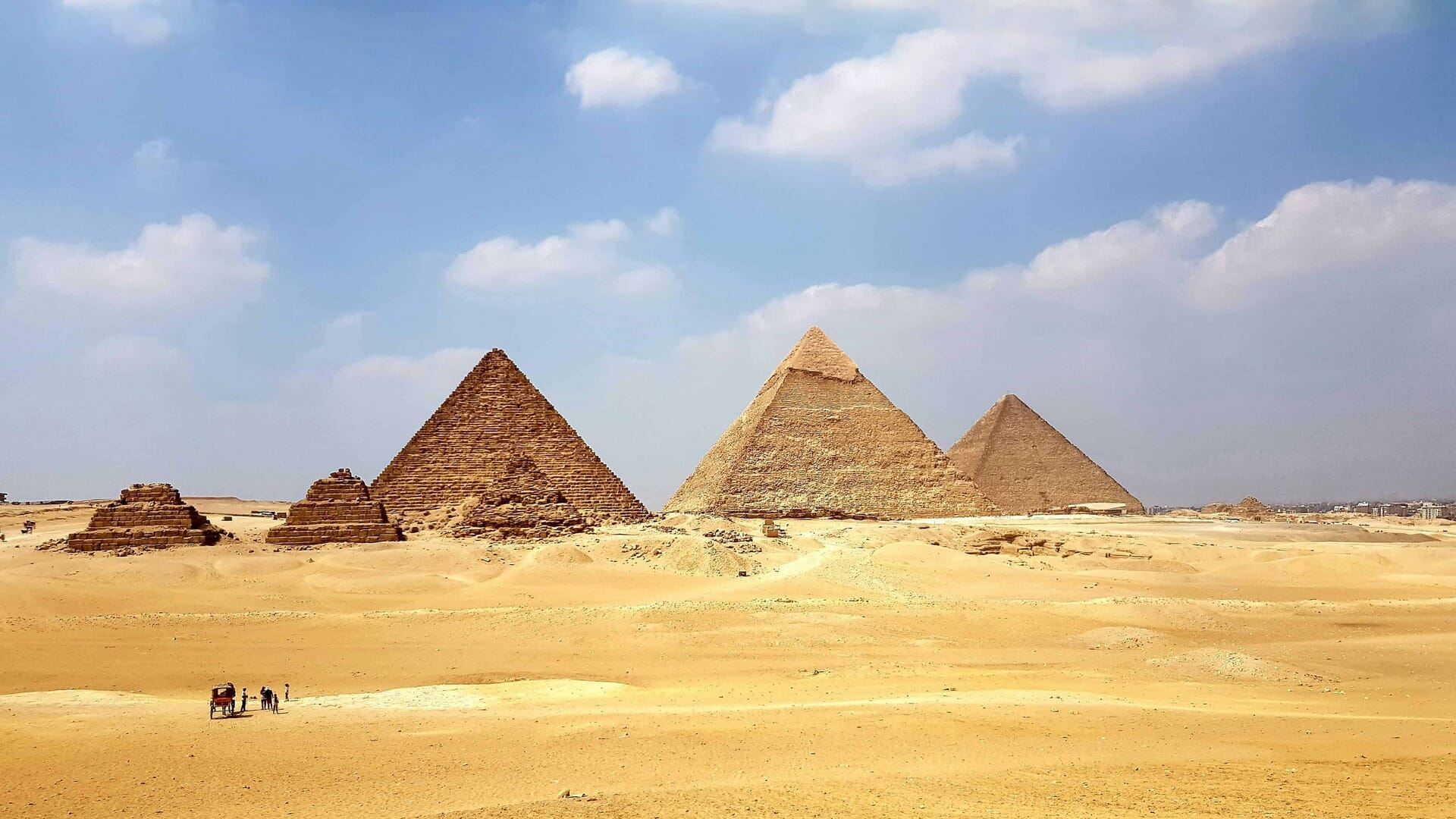
Egypt, a land steeped in history and culture, is perhaps best known for its ancient pyramids and the majestic Nile River. However, beyond the bustling cities and historical landmarks lies a vast expanse of arid landscapes that are home to some of the most unique flora and fauna on the planet.
The deserts of Egypt, particularly the Sahara Desert, offer a rich tapestry of biodiversity that has adapted to survive in one of the harshest environments on Earth. In this article, we will embark on an extensive journey through the deserts of Egypt, exploring the unique plant and animal life that call this arid region home.
The Geography of Egypt’s Deserts
Egypt is predominantly a desert country, with approximately 96% of its land area covered by desert. The two main deserts are the Western Desert, which is part of the larger Sahara Desert, and the Eastern Desert, which lies between the Nile River and the Red Sea. Each of these deserts has its own distinct ecosystems, shaped by factors such as climate, topography, and geology.
The Western Desert: A Vast Expanse of Sand and Stone
The Western Desert is characterized by its vast sand dunes, rocky plateaus, and salt flats. It is home to several oases, which serve as vital sources of water and support a variety of plant and animal life. The most famous oasis is Siwa, known for its unique culture and biodiversity. The landscape is dotted with stunning geological formations, such as the White Desert, where chalk formations create a surreal, otherworldly environment.
The Eastern Desert: A Mountainous Terrain
In contrast, the Eastern Desert features rugged mountains and valleys, with a more varied topography. This desert is less sandy than its western counterpart and is known for its rich mineral resources. The Eastern Desert is also home to several important archaeological sites, showcasing the historical significance of this region.
The Climate of Egypt’s Deserts
The climate of Egypt’s deserts is characterized by extreme temperatures, with scorching heat during the day and cooler temperatures at night. Rainfall is scarce, averaging less than 3 inches per year, which shapes the flora and fauna that have adapted to these harsh conditions. Understanding the climate is crucial to appreciating how life thrives in such an inhospitable environment.
Temperature Extremes
During the summer months, temperatures can soar above 50°C (122°F), while winter nights can drop to near freezing. This drastic temperature fluctuation has led to unique adaptations in both plants and animals, allowing them to conserve water and regulate their body temperatures.
Water Scarcity and Its Impact
Water scarcity is a defining feature of desert life. Many plants have developed deep root systems to access underground water, while animals have evolved to minimize water loss. These adaptations are essential for survival in a landscape where water is a precious commodity.
Unique Flora of Egypt’s Deserts
The flora of Egypt’s deserts is a testament to nature’s resilience. Despite the harsh conditions, a variety of plants have adapted to thrive in this arid environment. Let’s explore some of the most remarkable desert plants found in Egypt.
The Date Palm: A Symbol of Life
The date palm (Phoenix dactylifera) is perhaps the most iconic plant of the Egyptian desert. These trees are not only a source of food but also provide shade and shelter for many desert creatures. Date palms can survive in extremely dry conditions, thanks to their deep root systems that tap into underground water sources. The fruit of the date palm is a staple in the local diet, rich in nutrients and energy.
The Acacia Tree: Nature’s Survivor
Acacia trees are another vital component of the desert ecosystem. These hardy trees are known for their ability to withstand drought and poor soil conditions. Their leaves are small and waxy, reducing water loss, while their deep roots help them access moisture from the ground. Acacia trees also provide food and shelter for various animal species, making them an essential part of the desert habitat.
The Desert Rose: Beauty in Adversity
The desert rose (Adenium obesum) is a stunning succulent that thrives in the arid conditions of Egypt’s deserts. With its striking pink flowers and thick, water-storing stems, the desert rose is a perfect example of how plants can adapt to survive in extreme environments. This plant is often found in rocky areas and is known for its ability to withstand long periods of drought.
The Egyptian Blue Lotus: A Cultural Icon
The Egyptian blue lotus (Nymphaea caerulea) holds significant cultural and historical importance in Egypt. While it primarily grows in the Nile, it can also be found in some desert oases. This beautiful flower is known for its vibrant blue petals and is often associated with rebirth and the afterlife in ancient Egyptian mythology. Its presence in the desert highlights the interconnectedness of Egypt’s ecosystems.
Unique Fauna of Egypt’s Deserts
The fauna of Egypt’s deserts is equally fascinating, with a variety of species that have adapted to the challenging conditions. From reptiles to mammals, the desert is home to a diverse range of wildlife that showcases the incredible adaptability of life.
The Fennec Fox: The Desert’s Little Survivor
The fennec fox (Vulpes zerda) is one of the most iconic animals of the Sahara Desert. With its large ears and small size, this nocturnal creature is perfectly adapted to the desert environment. Its ears help dissipate heat, while its light-colored fur reflects sunlight. The fennec fox is an opportunistic feeder, preying on insects, small mammals, and plants, making it a versatile survivor in the harsh desert landscape.
The Egyptian Cobra: A Master of Camouflage
The Egyptian cobra (Naja haje) is a venomous snake that can be found in various habitats, including the deserts of Egypt. Its ability to blend seamlessly into its surroundings makes it a formidable predator. The Egyptian cobra primarily feeds on rodents and other small animals, using its venom to immobilize its prey. Despite its fearsome reputation, this snake plays a crucial role in maintaining the balance of the desert ecosystem.
The Sand Gazelle: Graceful and Agile
The sand gazelle (Gazella leptoceros) is a symbol of grace and agility in the desert. These animals are well-adapted to the harsh conditions, with long legs that allow them to travel great distances in search of food and water. Sand gazelles are herbivores, primarily feeding on grasses and shrubs. Their ability to go long periods without water makes them perfectly suited for life in the desert.
The Desert Hedgehog: A Nocturnal Forager
The desert hedgehog (Paraechinus aethiopicus) is a small mammal that thrives in the arid regions of Egypt. This nocturnal creature forages for insects, worms, and small plants at night, using its sharp spines for protection against predators. The desert hedgehog is an excellent example of how mammals have adapted to survive in a challenging environment, showcasing the diversity of life in Egypt’s deserts.
The Importance of Biodiversity in Egypt’s Deserts
Biodiversity is crucial for the health of ecosystems, and the deserts of Egypt are no exception. The unique flora and fauna found in these arid landscapes play vital roles in maintaining ecological balance. Understanding the importance of biodiversity is essential for conservation efforts and sustainable management of these fragile ecosystems.
Ecosystem Services Provided by Desert Flora and Fauna
The plants and animals of Egypt’s deserts provide numerous ecosystem services, including soil stabilization, water regulation, and habitat provision. These services are essential for maintaining the health of the environment and supporting human livelihoods. For example, the roots of desert plants help prevent soil erosion, while the presence of diverse animal species contributes to pollination and seed dispersal.
The Role of Desert Ecosystems in Climate Regulation
Desert ecosystems play a significant role in climate regulation by sequestering carbon and influencing local weather patterns. The unique adaptations of desert plants allow them to store carbon, contributing to global efforts to combat climate change. Understanding the interconnectedness of desert ecosystems and climate is vital for developing effective conservation strategies.
Conservation Challenges Facing Egypt’s Deserts
Despite the resilience of desert flora and fauna, Egypt’s deserts face numerous conservation challenges. Human activities, climate change, and habitat destruction threaten the delicate balance of these ecosystems. Addressing these challenges is crucial for preserving the unique biodiversity of Egypt’s deserts.
Human Impact on Desert Ecosystems
Urbanization, agriculture, and tourism have led to habitat destruction and fragmentation in Egypt’s deserts. The expansion of cities and infrastructure often encroaches on natural habitats, putting pressure on local wildlife. Sustainable development practices are essential to mitigate these impacts and protect the unique ecosystems of the desert.
Climate Change and Its Effects
Climate change poses a significant threat to desert ecosystems, with rising temperatures and changing precipitation patterns affecting the delicate balance of life. Many species may struggle to adapt to these rapid changes, leading to declines in biodiversity. Conservation efforts must take climate change into account to ensure the survival of desert flora and fauna.
Sustainable Tourism in Egypt’s Deserts
Sustainable tourism offers a way to appreciate the unique flora and fauna of Egypt’s deserts while promoting conservation efforts. By engaging in responsible travel practices, visitors can contribute to the preservation of these fragile ecosystems.
Eco-Tourism Initiatives
Several eco-tourism initiatives in Egypt focus on promoting sustainable practices and raising awareness about the importance of desert conservation. These initiatives often involve guided tours led by local experts who share their knowledge about the flora and fauna of the region. Visitors can participate in activities such as wildlife watching, hiking, and cultural experiences that support local communities.
Responsible Travel Practices
Travelers can contribute to the conservation of Egypt’s deserts by adopting responsible travel practices. This includes minimizing waste, respecting wildlife, and supporting local businesses. By making conscious choices, visitors can help protect the unique ecosystems they come to explore.
Conclusion: Embracing the Wonders of Egypt’s Deserts
Exploring the unique flora and fauna of Egypt’s deserts is a journey into a world of resilience and adaptation. The remarkable plants and animals that thrive in this harsh environment are a testament to the power of nature. As we continue to uncover the secrets of these arid landscapes, it is essential to recognize the importance of conservation and sustainable practices to protect the biodiversity that makes Egypt’s deserts so special. By embracing the wonders of the desert, we can ensure that future generations will also have the opportunity to experience the beauty and diversity of this extraordinary ecosystem.