
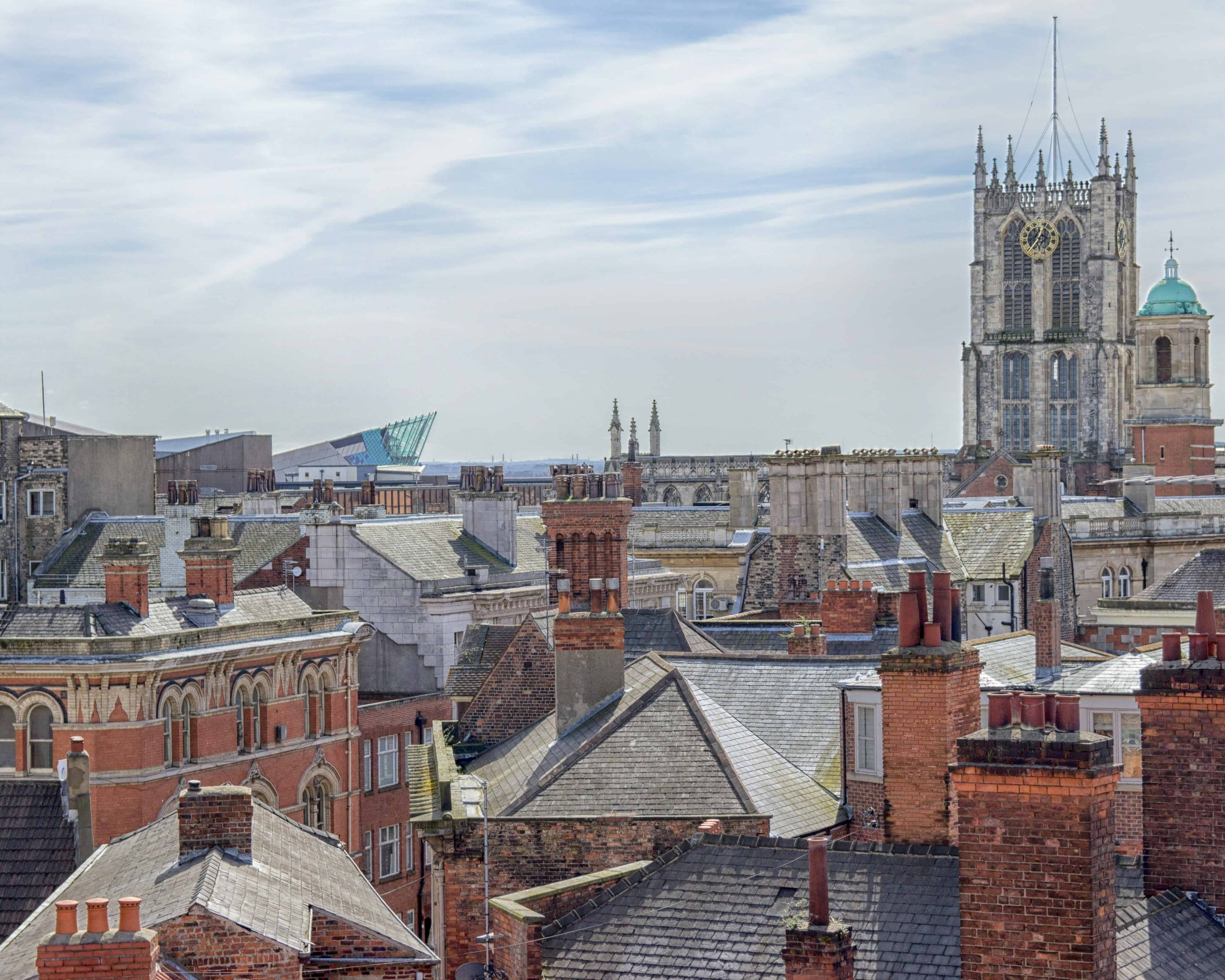
Exploring the Unique Architecture of London
Exploring the Unique Architecture of London
London, a city steeped in history and culture, is a treasure trove of architectural wonders that span centuries. From the medieval grandeur of the Tower of London to the sleek lines of The Shard, the city offers a rich tapestry of styles that reflect its dynamic evolution.
In this article, we will embark on an extensive journey through London's unique architecture, exploring its historic buildings, modern masterpieces, and everything in between.
The Evolution of London Architecture: A Brief Overview
London's architectural landscape is a testament to its long and varied history. The city has been shaped by numerous influences, including Roman, Norman, Gothic, and modernist styles. Each era has left its mark, creating a unique blend that tells the story of London through its buildings.
Roman Foundations: The Birth of London
The roots of London’s architecture can be traced back to the Roman invasion in AD 43. The Romans established Londinium, a settlement that featured a grid-like street plan and significant structures such as the London Wall, which still stands in parts today. The remnants of Roman architecture, including the Temple of Mithras, provide a glimpse into the city’s ancient past.
Medieval Marvels: The Gothic Influence
As we move into the medieval period, Gothic architecture began to dominate the skyline. The iconic Westminster Abbey, with its intricate stonework and soaring spires, exemplifies this style. Built in the 13th century, it has been the site of royal ceremonies for centuries, including coronations and weddings.
The Renaissance and Baroque Periods: A Flourishing of Style
The Renaissance brought a revival of classical architecture, characterized by symmetry and proportion. St. Paul’s Cathedral, designed by Sir Christopher Wren in the late 17th century, is a prime example of Baroque architecture. Its magnificent dome is one of the most recognizable features of the London skyline.
The Industrial Revolution: A Shift in Architectural Styles
The Industrial Revolution in the 19th century marked a significant turning point in London’s architecture. The introduction of new materials like iron and glass led to innovative designs. The Crystal Palace, built for the Great Exhibition of 1851, showcased the potential of these materials and set the stage for future developments in architecture.
Iconic Landmarks: Must-See Architectural Wonders in London
London is home to numerous iconic landmarks that showcase its architectural diversity. Here are some of the most noteworthy:
Tower of London: A Fortress of History
The Tower of London, a UNESCO World Heritage Site, is a symbol of the city’s tumultuous past. Originally built by William the Conqueror in 1066, this fortress has served various purposes, including a royal palace, prison, and treasury. Its imposing structure and rich history make it a must-visit for architecture enthusiasts.
The Houses of Parliament: A Gothic Masterpiece
The Palace of Westminster, home to the UK Parliament, is an architectural marvel that combines Gothic Revival and Victorian styles. The intricate details of the façade, along with the iconic Big Ben clock tower, create a stunning visual impact, especially when illuminated at night.
Buckingham Palace: The Royal Residence
Buckingham Palace, the official residence of the British monarch, is an exquisite example of neoclassical architecture. The palace’s grand façade and beautifully manicured gardens attract millions of visitors each year, especially during the Changing of the Guard ceremony.
The Shard: A Modern Icon
In stark contrast to the historic buildings of London, The Shard stands tall as a symbol of modern architecture. Designed by Renzo Piano, this 95-story skyscraper is the tallest building in the UK and offers breathtaking views of the city from its observation deck. Its glass façade reflects the changing sky, creating a dynamic visual experience.
Exploring London’s Hidden Architectural Gems
While the iconic landmarks are a must-see, London is also home to hidden architectural gems that often go unnoticed. These lesser-known buildings offer unique insights into the city’s architectural diversity.
Leadenhall Market: A Victorian Treasure
Leadenhall Market, located in the heart of the City of London, is a stunning example of Victorian architecture. With its ornate roof and vibrant colors, this covered market is a delightful place to explore. Originally established in the 14th century, it has a rich history and is now home to various shops and eateries.
The Barbican Centre: Brutalist Brilliance
The Barbican Centre is a striking example of Brutalist architecture, characterized by its raw concrete structure and bold geometric forms. This cultural hub hosts a variety of events, including concerts, art exhibitions, and film screenings. The surrounding residential complex is equally impressive, showcasing the ideals of urban living in the 1960s.
St. Pancras International: A Victorian Railway Marvel
St. Pancras International is not only a major railway station but also an architectural masterpiece. The station’s Gothic Revival design, complete with a stunning clock tower, is a sight to behold. The grand interior, with its soaring arches and intricate details, transports visitors back to the Victorian era.
Architectural Styles in London: A Closer Look
London’s architecture is a melting pot of styles, each with its own unique characteristics. Let’s take a closer look at some of the most prominent architectural styles found throughout the city.
Gothic Architecture: A Testament to Faith
Gothic architecture is characterized by its pointed arches, ribbed vaults, and flying buttresses. In London, you can find stunning examples of this style in cathedrals and churches, such as Southwark Cathedral and St. Mary’s Church in Battersea. These buildings often feature intricate stained glass windows that tell stories of faith and history.
Neoclassical Architecture: A Nod to Antiquity
Neoclassical architecture draws inspiration from the classical styles of ancient Greece and Rome. This style is evident in many of London’s public buildings, including the British Museum and the National Gallery. The use of columns, pediments, and symmetry creates a sense of grandeur and timelessness.
Victorian Architecture: A Blend of Styles
The Victorian era saw a fusion of architectural styles, including Gothic Revival, Italianate, and Queen Anne. This eclecticism is evident in neighborhoods like Notting Hill and Kensington, where you can find charming terraced houses adorned with intricate details and vibrant colors.
Modern Architecture: Innovation and Sustainability
Modern architecture in London is characterized by innovative designs and sustainable practices. Buildings like the Gherkin and the Walkie Talkie showcase cutting-edge technology and environmentally friendly features. These structures not only redefine the skyline but also set new standards for urban living.
Architectural Tours: Discovering London’s Architectural Heritage
For those looking to delve deeper into London’s architectural wonders, guided tours offer a fantastic way to explore the city’s rich heritage. Here are some popular architectural tours to consider:
The City of London Walking Tour
This walking tour takes you through the historic heart of London, where you can admire the juxtaposition of old and new architecture. Highlights include St. Paul’s Cathedral, the Bank of England, and the Lloyd’s building. Knowledgeable guides share fascinating stories about each site, providing context to the architectural styles.
The Thames River Cruise
Experience London’s architecture from a different perspective by taking a river cruise along the Thames. This leisurely journey allows you to see iconic landmarks such as the Tower Bridge, the Globe Theatre, and the Tate Modern from the water. Many cruises offer commentary, highlighting the architectural significance of each site.
The Royal Parks Architecture Tour
Explore the beautiful Royal Parks of London while discovering the architectural gems nestled within them. This tour includes stops at Kensington Palace, the Serpentine Gallery, and the Albert Memorial. The combination of nature and architecture creates a serene and inspiring experience.
The Future of London Architecture: Trends and Innovations
As London continues to evolve, its architecture is also changing. New trends and innovations are shaping the city’s skyline and urban landscape. Here are some key developments to watch:
Sustainable Architecture: Building for the Future
With growing concerns about climate change, sustainable architecture is becoming increasingly important. London is leading the way in green building practices, with projects like the Eden Project and the London Eye incorporating eco-friendly features. These buildings aim to minimize their environmental impact while enhancing the quality of life for residents.
Smart Cities: Integrating Technology
The concept of smart cities is gaining traction in London, with technology being integrated into urban planning and architecture. Innovations such as smart lighting, energy-efficient systems, and digital infrastructure are transforming the way we interact with our environment. This trend aims to create more efficient and livable urban spaces.
Adaptive Reuse: Preserving History
As the demand for urban space increases, adaptive reuse has become a popular approach to architecture in London. This practice involves repurposing existing buildings for new uses, preserving their historical significance while meeting modern needs. Examples include the transformation of warehouses into trendy lofts and the conversion of churches into community centers.
Conclusion: A City of Architectural Wonders
London’s unique architecture is a reflection of its rich history, diverse cultures, and innovative spirit. From the grandeur of historic landmarks to the sleek lines of modern skyscrapers, the city offers a captivating journey through time and style. Whether you’re a history buff, an architecture enthusiast, or simply a curious traveler, exploring London’s architectural gems is an experience that will leave you inspired.
As you wander through the streets of this vibrant city, take a moment to appreciate the stories behind each building, the craftsmanship that went into their design, and the visionaries who shaped London’s skyline. The unique architecture of London is not just a feast for the eyes; it’s a testament to the city’s resilience, creativity, and enduring legacy.