
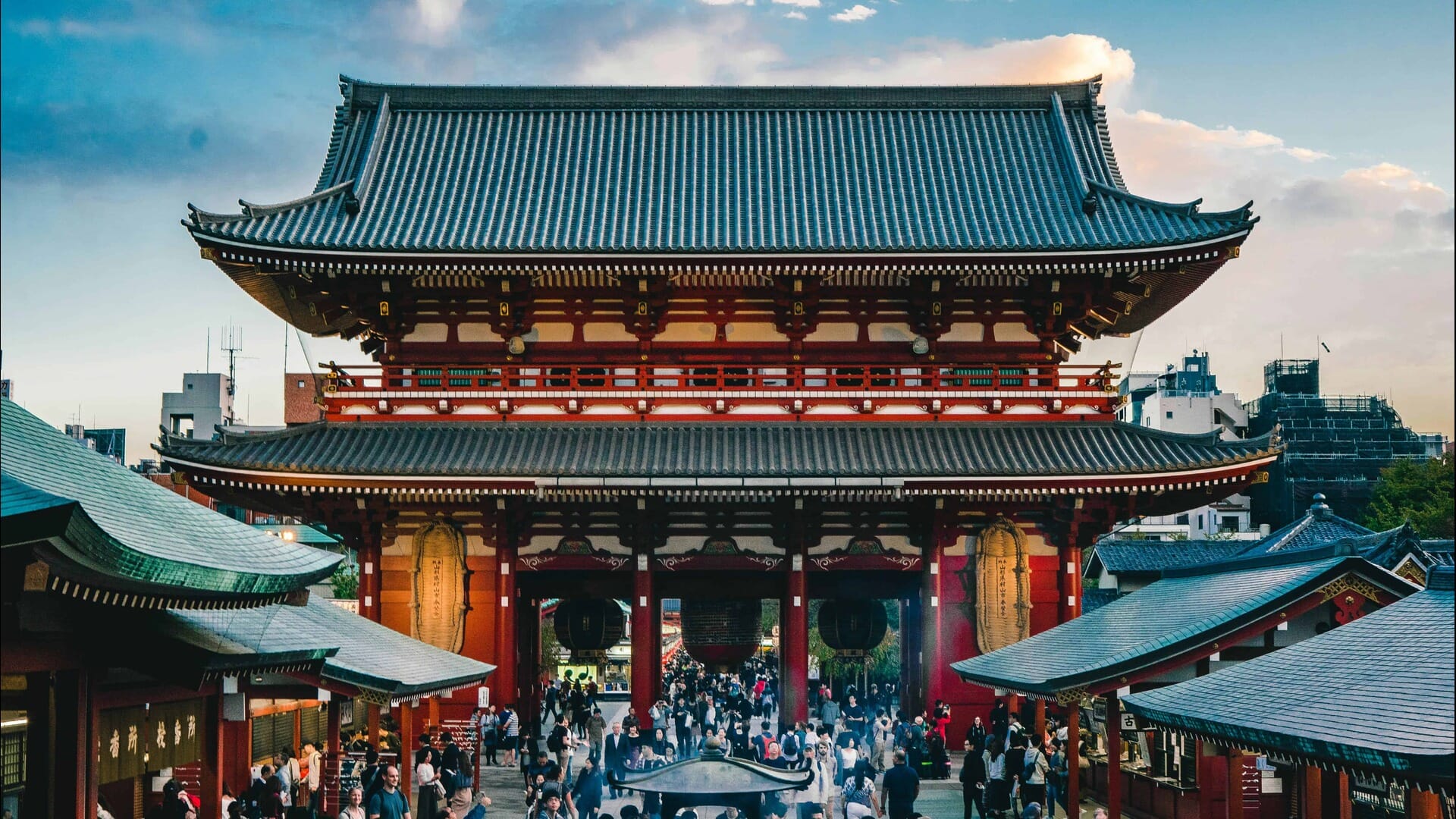
Exploring the Beautiful Temples of Nara: Home to Free-Roaming Deer
Exploring the Beautiful Temples of Nara: Home to Free-Roaming Deer
Nara, Japan, is a city that beautifully intertwines the serenity of nature with the rich tapestry of history and culture. Known for its stunning temples and the free-roaming deer that inhabit Nara Park, this city offers a unique experience for travelers seeking to immerse themselves in Japan's ancient traditions.
In this article, we will delve into the enchanting temples of Nara, the significance of the deer, and the overall charm of this historic city.
The Historical Significance of Nara
Nara, established as Japan's first permanent capital in 710 AD, holds a pivotal place in the country's history. The city was the center of politics, culture, and religion during the Nara period (710-794 AD). This era saw the flourishing of Buddhism, which left a profound impact on the architectural landscape of Nara. The temples built during this time are not just places of worship; they are masterpieces of art and history, reflecting the spiritual and cultural ethos of the era.
Nara Park: A Natural Sanctuary for Deer
One of the most captivating aspects of Nara is Nara Park, a sprawling green space that serves as a sanctuary for over 1,200 free-roaming deer. These deer are considered messengers of the gods in Shinto, Japan's indigenous religion, and are protected as a national treasure. Visitors to Nara Park can interact with these gentle creatures, feeding them special deer crackers sold throughout the park. The sight of deer wandering freely among the ancient temples creates a magical atmosphere that is truly unique to Nara.
Must-Visit Temples in Nara
Todai-ji Temple: The Great Eastern Temple
One of the most iconic landmarks in Nara is Todai-ji Temple, known as the Great Eastern Temple. This UNESCO World Heritage site houses the Great Buddha (Daibutsu), a colossal bronze statue that stands at 15 meters tall. The temple itself is an architectural marvel, with its main hall, Daibutsuden, being the largest wooden building in the world.
Visitors can explore the temple grounds, which are adorned with beautiful gardens and ancient trees. The atmosphere is serene, allowing for quiet reflection and appreciation of the craftsmanship that went into creating this sacred space.
Kasuga-taisha Shrine: A Shinto Treasure
Another must-visit site is Kasuga-taisha Shrine, renowned for its stunning lanterns and beautiful architecture. Established in 768 AD, this Shinto shrine is dedicated to the deity responsible for the protection of the city. The approach to the shrine is lined with hundreds of stone lanterns, and the inner sanctum is illuminated by bronze lanterns that are lit during special festivals.
The lush forest surrounding the shrine adds to its mystical ambiance, making it a perfect spot for a peaceful stroll while soaking in the spiritual energy of the place.
Horyu-ji Temple: The Oldest Wooden Structure
Horyu-ji Temple, another UNESCO World Heritage site, is one of the oldest wooden structures in the world. Founded in 607 AD, this temple complex is a treasure trove of ancient Buddhist art and architecture. The five-story pagoda and the main hall are particularly noteworthy, showcasing intricate carvings and a design that has influenced Japanese architecture for centuries.
Visitors can explore the temple grounds, which are home to numerous statues, murals, and historical artifacts that tell the story of Buddhism's introduction to Japan.
Kofuku-ji Temple: A Symbol of Nara
Kofuku-ji Temple, with its iconic five-story pagoda, is another significant temple in Nara. Originally established in 669 AD, this temple has played a vital role in the development of Buddhism in Japan. The pagoda, standing at 50 meters tall, is a striking sight against the backdrop of Nara's skyline.
Inside the temple, visitors can find a wealth of Buddhist art, including statues and paintings that date back to the Nara period. The temple grounds are also home to a museum that showcases the history and significance of Kofuku-ji.
Yakushi-ji Temple: The Healing Buddha
Yakushi-ji Temple, dedicated to the Healing Buddha, is a serene and beautiful temple that offers a peaceful retreat from the bustling city. The temple complex features a stunning main hall and a pagoda, both of which are adorned with intricate carvings and beautiful artwork.
Visitors can participate in prayer rituals and explore the temple's gardens, which are designed to promote tranquility and reflection. The atmosphere here is one of calm, making it an ideal spot for meditation and contemplation.
The Cultural Heritage of Nara
Nara is not just about temples and deer; it is also a city rich in cultural heritage. The traditional crafts of Nara, such as Nara ink, calligraphy, and pottery, are still practiced today. Visitors can explore local workshops and galleries to see artisans at work and purchase unique souvenirs that reflect the city's artistic legacy.
Nara's Festivals: Celebrating Tradition
Throughout the year, Nara hosts various festivals that celebrate its rich cultural heritage. One of the most famous is the Nara Tokae Lantern Festival, held in August, where thousands of lanterns illuminate the temples and parks, creating a magical atmosphere. Another significant event is the Shinto ritual of the Kasuga-taisha Shrine, where participants pray for a good harvest and prosperity.
These festivals provide visitors with a unique opportunity to experience Nara's traditions and connect with the local community.
Exploring Nara's Natural Beauty
Beyond its temples and cultural sites, Nara is surrounded by stunning natural landscapes. The city is nestled in the foothills of the Yoshino Mountains, offering numerous hiking trails and scenic viewpoints.
Mount Wakakusa: A Hiker's Paradise
Mount Wakakusa, located just east of Nara Park, is a popular hiking destination that offers breathtaking views of the city and surrounding countryside. The hike to the summit is relatively easy and takes about an hour, making it accessible for visitors of all skill levels.
At the top, hikers are rewarded with panoramic views, especially during sunrise and sunset when the landscape is bathed in golden light. The area is also home to wildflowers and diverse wildlife, adding to the natural beauty of the region.
The Scenic Trails of Nara
Nara boasts a network of scenic trails that wind through its parks and forests. These trails are perfect for leisurely walks or more challenging hikes, allowing visitors to immerse themselves in the beauty of nature. Along the way, hikers may encounter hidden shrines, tranquil ponds, and the ever-present deer that roam freely.
Culinary Delights of Nara
No visit to Nara would be complete without indulging in its culinary delights. The city is known for its traditional Japanese cuisine, with a focus on seasonal ingredients and local specialties.
Nara's Famous Kakinoha-zushi
One of Nara's most famous dishes is Kakinoha-zushi, a type of sushi wrapped in persimmon leaves. This unique preparation not only adds flavor but also preserves the sushi, making it a popular choice for picnics and travel. Visitors can find Kakinoha-zushi at local restaurants and markets, providing a delicious taste of Nara's culinary heritage.
Sake Tasting in Nara
Nara is also known for its sake production, with several breweries located in the region. Visitors can take part in sake tastings to learn about the brewing process and sample different varieties. The combination of Nara's natural spring water and traditional brewing techniques results in high-quality sake that reflects the essence of the region.
Practical Tips for Visiting Nara
Getting to Nara
Nara is easily accessible from major cities like Kyoto and Osaka, making it a convenient day trip or weekend getaway. The city is served by several train lines, including the Kintetsu Nara Line and the JR Nara Line, which connect to the larger rail network.
Best Time to Visit Nara
The best time to visit Nara is during the spring (March to May) and autumn (September to November) when the weather is mild, and the landscapes are adorned with cherry blossoms or vibrant autumn foliage. These seasons also coincide with various festivals, providing a rich cultural experience.
Navigating Nara
Nara is a compact city, making it easy to explore on foot or by bicycle. Many of the major attractions are located within walking distance of each other, allowing visitors to soak in the atmosphere as they wander through the streets.
Conclusion: A Journey Through Time in Nara
Exploring the beautiful temples of Nara and encountering the free-roaming deer is an experience that transcends time. The city's rich history, stunning architecture, and natural beauty create a captivating destination that leaves a lasting impression on all who visit. Whether you are a history buff, a nature lover, or a culinary enthusiast, Nara has something to offer everyone.
As you stroll through the ancient streets, interact with the gentle deer, and marvel at the intricate temples, you will find yourself immersed in a world where tradition and nature coexist harmoniously. Nara is not just a place to visit; it is a journey through time that invites you to connect with Japan's cultural heritage in a profound and meaningful way.