
Exploring the Scenic Routes of the Grossglockner: A Journey Through Austria's Majestic Alps
Exploring the Scenic Routes of the Grossglockner: A Journey Through Austria's Majestic Alps
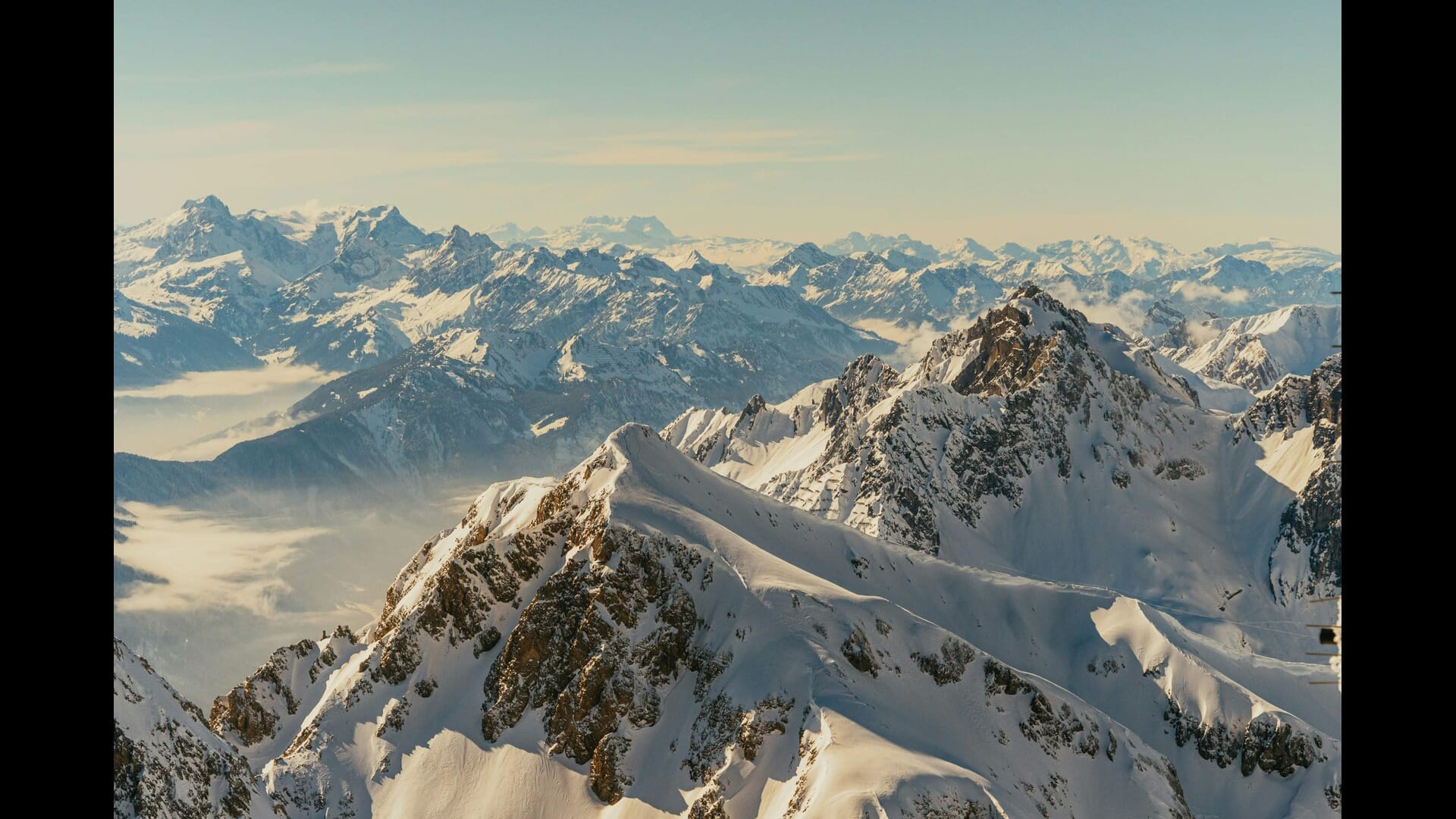
The Grossglockner, Austria's highest mountain, stands as a sentinel over the breathtaking landscapes of the Hohe Tauern National Park. This majestic peak, with its snow-capped summit and rugged terrain, is not just a destination for climbers and hikers; it is also the gateway to some of the most scenic routes in the Austrian Alps.
From the winding roads that cut through lush valleys to the panoramic vistas that stretch as far as the eye can see, exploring the scenic routes of the Grossglockner is an adventure that beckons travelers from around the world.
The Allure of the Grossglockner High Alpine Road
One of the most iconic ways to experience the beauty of the Grossglockner is by driving along the Grossglockner High Alpine Road. This spectacular road, which winds its way through the mountains, offers breathtaking views at every turn. Opened in 1935, it has become a symbol of Austrian engineering and natural beauty, attracting over a million visitors each year.
A Historical Perspective on the Grossglockner High Alpine Road
The construction of the Grossglockner High Alpine Road was a monumental feat, conceived during a time when the world was still recovering from the Great Depression. The road was designed not only to connect the regions of Salzburg and Carinthia but also to promote tourism in the area. Today, it stands as a testament to the vision and determination of its creators, offering a unique blend of history and natural beauty.
Planning Your Drive on the Grossglockner High Alpine Road
Before embarking on your journey, it’s essential to plan your trip carefully. The road is typically open from May to October, depending on weather conditions. The best time to visit is during the summer months when the wildflowers are in bloom, and the weather is generally stable. Be sure to check the official website for real-time updates on road conditions and closures.
Key Stops Along the Grossglockner High Alpine Road
As you drive along the Grossglockner High Alpine Road, there are several key stops that you won’t want to miss:
- Kaiser-Franz-Josefs-Höhe: This viewpoint offers one of the best panoramas of the Grossglockner and the Pasterze Glacier. The visitor center here provides information about the region's geology and ecology.
- Fuscher Törl: A popular stopping point for photographs, Fuscher Törl offers stunning views of the surrounding peaks and valleys.
- Hochtor Pass: The highest point on the road, Hochtor Pass is a must-visit for its breathtaking vistas and the opportunity to explore nearby hiking trails.
- Pasterze Glacier: As Austria's largest glacier, the Pasterze is a fascinating destination for those interested in glaciology and climate change.
Hiking Trails with Stunning Views of the Grossglockner
For those who prefer to explore on foot, the Grossglockner region boasts an extensive network of hiking trails that cater to all levels of experience. Whether you are a seasoned hiker or a casual walker, there is a trail for you.
The Grossglockner High Alpine Trail
One of the most popular hiking routes is the Grossglockner High Alpine Trail. This trail offers a challenging yet rewarding experience, taking you through diverse landscapes, including alpine meadows, rocky outcrops, and glacial valleys. The trail is well-marked and provides stunning views of the Grossglockner and surrounding peaks.
Family-Friendly Hiking Options
If you are traveling with children or prefer a more leisurely hike, consider the Glocknerblick Trail. This family-friendly trail is relatively flat and offers plenty of opportunities to enjoy the scenery without the strenuous effort of more challenging hikes. Along the way, you’ll find informative signs about the local flora and fauna, making it an educational experience for all ages.
Guided Hiking Tours
For those who want to delve deeper into the natural history and ecology of the region, guided hiking tours are available. Local guides can provide insights into the unique ecosystems of the Alps and share stories about the cultural significance of the Grossglockner.
The Enchanting Villages Surrounding the Grossglockner
As you explore the scenic routes of the Grossglockner, take the time to visit the charming villages that dot the landscape. Each village has its own unique character and offers a glimpse into the traditional Austrian way of life.
Heiligenblut: A Gem at the Foot of the Grossglockner
The picturesque village of Heiligenblut is located at the foot of the Grossglockner and is famous for its stunning church, which features a distinctive onion dome. This village is a perfect base for exploring the surrounding mountains and offers a variety of accommodations, restaurants, and shops.
Bruck an der Großglocknerstraße: A Historical Hub
Another charming village is Bruck an der Großglocknerstraße, which serves as a historical hub for travelers. Here, you can find quaint cafes, local artisans, and a rich history that dates back to the Roman era. The village is also the starting point for several hiking trails that lead into the Hohe Tauern National Park.
The Cultural Heritage of the Region
The villages surrounding the Grossglockner are steeped in cultural heritage. Traditional festivals, local crafts, and culinary delights await visitors eager to immerse themselves in the local culture. Be sure to try regional specialties such as Kärntner Kasnudeln (cheese dumplings) and Apfelstrudel (apple strudel) during your visit.
Nature Photography: Capturing the Beauty of the Grossglockner
For photography enthusiasts, the Grossglockner region offers endless opportunities to capture stunning landscapes. The interplay of light and shadow on the mountains, the vibrant colors of wildflowers, and the majestic glaciers create a photographer's paradise.
Best Locations for Nature Photography
- Kaiser-Franz-Josefs-Höhe: This viewpoint provides a dramatic backdrop for photographing the Grossglockner and the Pasterze Glacier.
- Fuscher Törl: The sweeping views from this point are perfect for capturing the essence of the Alps.
- Sunrise and Sunset Shots: The early morning and late evening light can create magical moments, so plan your photography sessions accordingly.
Tips for Capturing Stunning Photos
- Use a Tripod: A tripod will help stabilize your camera for long exposure shots, especially in low light conditions.
- Explore Different Angles: Don’t be afraid to get creative with your compositions. Explore different angles and perspectives to capture the unique beauty of the landscape.
- Be Patient: Nature photography often requires patience. Wait for the right moment to capture that perfect shot.
Outdoor Adventures Beyond Driving and Hiking
While driving and hiking are two of the most popular activities in the Grossglockner region, there are plenty of other outdoor adventures to enjoy.
Cycling the Grossglockner High Alpine Road
For cycling enthusiasts, the Grossglockner High Alpine Road offers a thrilling challenge. The steep inclines and breathtaking views make it a memorable experience for cyclists of all levels. Be sure to prepare adequately and check the weather before setting out.
Winter Sports in the Grossglockner Region
During the winter months, the Grossglockner area transforms into a winter wonderland, attracting skiers and snowboarders from around the globe. The nearby Mölltaler Glacier offers excellent skiing opportunities, with slopes suitable for all skill levels.
Wildlife Watching in Hohe Tauern National Park
The Hohe Tauern National Park is home to a diverse range of wildlife, including chamois, ibex, and golden eagles. Wildlife watching is a popular activity, and guided tours are available for those who want to learn more about the local fauna.
Culinary Delights of the Grossglockner Region
No journey through the Grossglockner region would be complete without indulging in the local cuisine. The area is known for its hearty Alpine dishes that reflect the rich agricultural traditions of the region.
Traditional Austrian Dishes to Try
- Kärntner Kasnudeln: These delicious cheese dumplings are a local specialty and are often served with a side of melted butter and herbs.
- Schlutzkrapfen: Similar to ravioli, these pasta pockets are filled with potatoes and cheese, making for a comforting meal after a day of exploring.
- Apfelstrudel: A classic dessert made with thin layers of pastry filled with spiced apples, this dish is a must-try.
Local Wineries and Breweries
The Grossglockner region is also home to several wineries and breweries. Take the time to sample local wines and craft beers, which often feature unique flavors inspired by the surrounding landscapes.
Sustainable Travel in the Grossglockner Region
As travelers become more conscious of their environmental impact, sustainable travel practices are gaining importance. The Grossglockner region offers several ways to explore responsibly.
Eco-Friendly Accommodation Options
Consider staying in eco-friendly accommodations that prioritize sustainability. Many local hotels and guesthouses are committed to reducing their carbon footprint and supporting local communities.
Responsible Hiking Practices
When hiking in the Grossglockner region, follow the principles of Leave No Trace. Stay on marked trails, pack out what you pack in, and respect wildlife and plant life.
Supporting Local Businesses
By choosing to dine at local restaurants, shop at artisan markets, and participate in community events, you can support the local economy and help preserve the cultural heritage of the Grossglockner region.
Conclusion: An Unforgettable Journey Awaits
Exploring the scenic routes of the Grossglockner is more than just a road trip; it is an immersive experience that connects you with nature, culture, and history. Whether you choose to drive the iconic Grossglockner High Alpine Road, hike the breathtaking trails, or indulge in the local cuisine, each moment spent in this stunning region will leave you with lasting memories. So pack your bags, grab your camera, and get ready for an adventure of a lifetime in the heart of Austria's majestic Alps.