
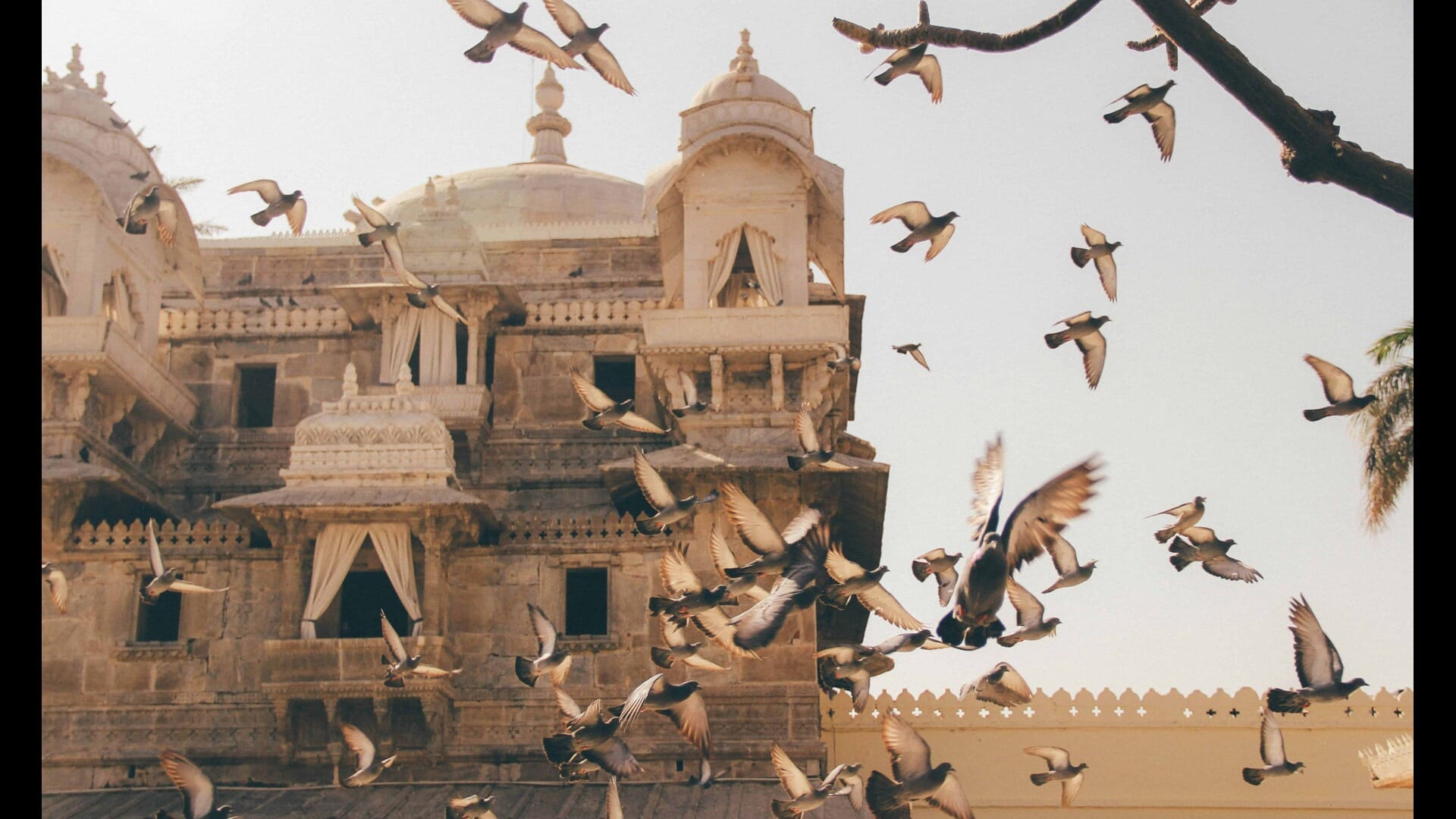
Exploring the Sacred Temples of South India
Exploring the Sacred Temples of South India
South India is a land steeped in spirituality, culture, and history, where ancient temples stand as testaments to the architectural brilliance and religious fervor of the region. From the intricate carvings of the Dravidian style to the serene ambiance of sacred rituals, exploring the sacred temples of South India is a journey that transcends time and space.
In this article, we will delve into the heart of South India's spiritual landscape, uncovering the stories, traditions, and experiences that make these temples a must-visit for any traveler.
The Rich History of South Indian Temples
The temples of South India are not just places of worship; they are repositories of history, culture, and art. Dating back to as early as the 6th century, these temples were built under the patronage of various dynasties, including the Cholas, Pandyas, and Vijayanagara Empire. Each dynasty contributed to the evolution of temple architecture, resulting in a diverse array of styles and designs.
The Chola dynasty, for instance, is renowned for its grand temples such as the Brihadeeswarar Temple in Thanjavur, which is a UNESCO World Heritage Site. Built in the 11th century, this temple showcases the brilliance of Dravidian architecture with its towering vimana (temple tower) and exquisite sculptures.
The Pandyas, on the other hand, are known for their intricate stone carvings and massive temple complexes, while the Vijayanagara Empire left behind a legacy of monumental temples, such as the Virupaksha Temple in Hampi, which is a stunning example of Indo-Islamic architecture.
Iconic Temples to Visit in South India
When it comes to exploring the sacred temples of South India, there are several iconic sites that should not be missed. Each temple offers a unique glimpse into the region's spiritual heritage and architectural grandeur.
Brihadeeswarar Temple, Thanjavur
One of the most celebrated temples in South India, the Brihadeeswarar Temple is a marvel of engineering and artistry. The temple is dedicated to Lord Shiva and is known for its massive granite structure, which stands at an impressive height of 66 meters. The temple's main sanctum houses a colossal Shiva Lingam, symbolizing the divine energy of the god.
Visitors can marvel at the intricate frescoes that adorn the temple walls, depicting scenes from Hindu mythology. The temple complex also features a grand courtyard, surrounded by smaller shrines and beautifully landscaped gardens, making it a serene place for reflection and prayer.
Meenakshi Amman Temple, Madurai
The Meenakshi Amman Temple is a vibrant and bustling temple complex located in the heart of Madurai. Dedicated to Goddess Meenakshi, an incarnation of Parvati, and her consort Lord Sundareswarar, this temple is famous for its stunning gopurams (gateway towers) adorned with thousands of colorful sculptures.
The temple's architecture is a feast for the eyes, with intricate carvings and exquisite artwork that narrate the stories of Hindu deities. The temple also hosts the annual Meenakshi Tirukalyanam festival, which attracts thousands of devotees and tourists alike, showcasing the rich cultural heritage of the region.
Virupaksha Temple, Hampi
Hampi, a UNESCO World Heritage Site, is home to the magnificent Virupaksha Temple, dedicated to Lord Shiva. This temple is part of the larger Hampi complex, which was once the capital of the Vijayanagara Empire. The temple's architecture is a blend of Dravidian and Indo-Islamic styles, characterized by its towering gopuram and intricately carved pillars.
Visitors can explore the temple's inner sanctum, where rituals and prayers are conducted daily. The temple is also known for its stunning annual festivals, including the Hampi Utsav, which celebrates the rich cultural heritage of the region through music, dance, and traditional performances.
Kapaleeshwarar Temple, Chennai
Located in the bustling city of Chennai, the Kapaleeshwarar Temple is a beautiful example of Dravidian architecture. Dedicated to Lord Shiva, this temple is known for its ornate gopuram and vibrant sculptures that depict various deities and mythological stories.
The temple complex is a hub of activity, with devotees engaging in rituals and offerings throughout the day. The annual Panguni Uthiram festival attracts a large number of visitors, who come to witness the grand procession and participate in the celebrations.
Shore Temple, Mahabalipuram
The Shore Temple in Mahabalipuram is a unique temple complex that overlooks the Bay of Bengal. Built in the 7th century, this temple is one of the earliest examples of stone architecture in South India. The temple is dedicated to Lord Shiva and features intricate carvings that depict various deities and mythological scenes.
The Shore Temple is particularly stunning at sunset when the golden hues of the setting sun cast a magical glow over the temple. Visitors can also explore the nearby rock-cut temples and sculptures that make Mahabalipuram a UNESCO World Heritage Site.
The Spiritual Significance of Temples in South India
The temples of South India are not just architectural wonders; they are also centers of spiritual significance. For millions of devotees, these temples serve as places of worship, meditation, and community gathering. The rituals and practices that take place within these sacred spaces are deeply rooted in tradition and spirituality.
Daily Rituals and Offerings
Every day, devotees flock to the temples to offer their prayers and seek blessings from the deities. The rituals, known as puja, involve a series of offerings, including flowers, fruits, and incense. The priests perform these rituals with great reverence, chanting mantras and invoking the divine presence.
The atmosphere within the temple is charged with spirituality, as the sound of bells and the fragrance of incense fill the air. Visitors are often encouraged to participate in the rituals, allowing them to connect with the divine and experience the rich spiritual heritage of South India.
Festivals and Celebrations
South Indian temples are known for their vibrant festivals that celebrate the deities and the rich cultural traditions of the region. These festivals attract thousands of devotees and tourists, creating a lively atmosphere filled with music, dance, and colorful processions.
The annual Navaratri festival, for instance, is celebrated with great fervor in many temples, honoring the goddess Durga. The festivities include traditional dance performances, music concerts, and elaborate decorations that transform the temple into a vibrant spectacle.
Pilgrimage Sites and Sacred Journeys
Many temples in South India are considered pilgrimage sites, attracting devotees from far and wide. The journey to these sacred sites is often seen as a spiritual quest, allowing individuals to seek solace, healing, and divine blessings.
The famous Char Dham pilgrimage, which includes the temples of Badrinath, Kedarnath, Gangotri, and Yamunotri, is a significant journey for many Hindus. In South India, the temples of Kanyakumari and Rameswaram are also considered important pilgrimage destinations, offering spiritual significance and breathtaking landscapes.
The Architectural Marvels of South Indian Temples
The temples of South India are renowned for their architectural brilliance, showcasing a variety of styles and techniques that have evolved over centuries. The intricate carvings, towering gopurams, and grand courtyards are a testament to the skill and artistry of the craftsmen who built these sacred structures.
Dravidian Architecture
Dravidian architecture is characterized by its pyramid-shaped towers, intricate stone carvings, and spacious courtyards. This architectural style is prevalent in many South Indian temples, including the famous Brihadeeswarar Temple and Meenakshi Amman Temple.
The gopurams, or gateway towers, are often adorned with colorful sculptures of deities, animals, and mythological figures, creating a visual feast for visitors. The use of granite and sandstone in construction adds to the durability and grandeur of these temples, allowing them to withstand the test of time.
The Role of Sculpture and Art
Sculpture and art play a crucial role in the design and decoration of South Indian temples. The walls and pillars are often adorned with intricate carvings that depict scenes from Hindu mythology, showcasing the stories of gods and goddesses.
The craftsmanship involved in creating these sculptures is remarkable, with artisans spending years honing their skills. The attention to detail is evident in every carving, from the delicate features of deities to the elaborate motifs that adorn the temple walls.
Temple Layout and Design
The layout of South Indian temples is often designed to create a sense of harmony and balance. The main sanctum, where the deity resides, is typically located at the center of the temple complex, surrounded by various shrines, halls, and courtyards.
The entrance to the temple is often marked by a grand gopuram, leading visitors into a world of spirituality and devotion. The design of the temple encourages a flow of movement, allowing devotees to engage in rituals and offerings as they navigate through the sacred space.
Experiencing Temple Festivals in South India
Temple festivals are an integral part of South Indian culture, offering a unique opportunity to witness the vibrant traditions and rituals that define the region. These festivals are celebrated with great enthusiasm, attracting devotees and tourists from all over the world.
The Grand Processions
One of the highlights of temple festivals is the grand processions that take place, featuring beautifully decorated chariots carrying the deities. Devotees participate in the processions, singing hymns and chanting prayers as they walk alongside the chariots.
The atmosphere is electric, with colorful decorations, traditional music, and dance performances creating a festive ambiance. Visitors can immerse themselves in the celebrations, experiencing the joy and devotion of the local community.
Traditional Music and Dance
Music and dance are integral to temple festivals, with performances that showcase the rich cultural heritage of South India. Traditional art forms such as Bharatanatyam, Kathakali, and folk dances are often performed during festivals, captivating audiences with their grace and storytelling.
The rhythmic beats of traditional instruments, such as the mridangam and nadaswaram, fill the air, creating a lively atmosphere. Visitors are often invited to join in the celebrations, allowing them to connect with the local culture and traditions.
Culinary Delights at Temple Festivals
Temple festivals are also a gastronomic delight, with a variety of traditional dishes being prepared and offered to devotees. From sweet treats like prasadam (offered food) to savory dishes, the culinary offerings reflect the rich flavors and diversity of South Indian cuisine.
Visitors can indulge in local delicacies, experiencing the unique flavors and aromas that define the region's culinary heritage. The communal aspect of sharing food during festivals fosters a sense of unity and celebration among devotees.
Tips for Visiting Temples in South India
Visiting the sacred temples of South India can be a deeply enriching experience, but it’s essential to be mindful of the customs and traditions that govern these sacred spaces. Here are some tips to enhance your temple visit:
Dress Modestly
When visiting temples, it is important to dress modestly and respectfully. Traditional attire, such as sarees for women and dhotis for men, is often encouraged. Avoid wearing revealing clothing, and be sure to remove your shoes before entering the temple premises.
Be Respectful of Rituals
Each temple has its own set of rituals and practices. It is essential to observe and respect these customs, even if you are unfamiliar with them. If you wish to participate in rituals, seek guidance from the temple priests or staff.
Engage with Local Culture
Take the time to engage with the local culture and community during your temple visit. Strike up conversations with devotees, learn about their beliefs and practices, and immerse yourself in the spiritual atmosphere of the temple.
Capture the Moments
While photography is often allowed in temple complexes, be mindful of the rules regarding photography in specific areas. Capture the beauty of the architecture and the vibrancy of the festivals, but always do so respectfully, especially during rituals.
Plan Your Visit Around Festivals
If possible, plan your visit to coincide with temple festivals to experience the full vibrancy of the celebrations. Research the festival calendar for the temples you wish to visit, and be prepared for larger crowds and a lively atmosphere.
Conclusion: A Journey Through Time and Spirituality
Exploring the sacred temples of South India is more than just a journey through architectural marvels; it is a profound experience that connects you with the spiritual essence of the region. Each temple tells a story, reflecting the rich history, culture, and devotion of the people who built and worshiped within its walls.
As you wander through the intricately carved halls, participate in vibrant festivals, and engage with the local community, you will find yourself immersed in a world where spirituality and artistry converge. The sacred temples of South India invite you to embark on a journey of discovery, reflection, and connection, leaving you with lasting memories and a deeper appreciation for the spiritual heritage of this enchanting region.