
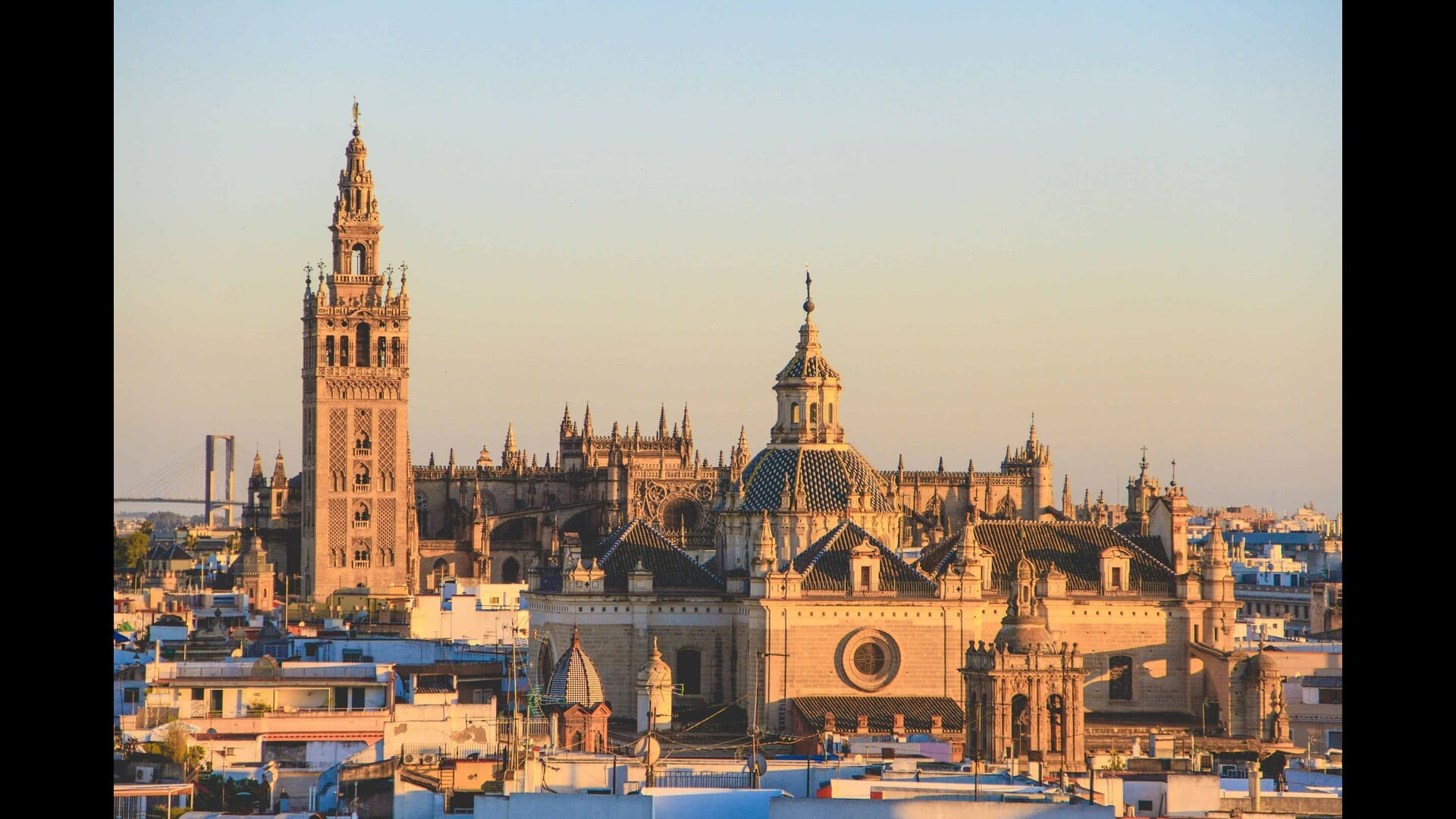
Exploring the Sacred Sites of Spain: A Journey Through History and Spirituality
Exploring the Sacred Sites of Spain: A Journey Through History and Spirituality
Spain, a country steeped in rich history and vibrant culture, is home to some of the most sacred sites in the world. From ancient cathedrals that scrape the sky to serene monasteries nestled in the mountains, each location tells a unique story of faith, devotion, and the human spirit.
In this article, we will embark on an extensive journey through the sacred sites of Spain, exploring their historical significance, architectural beauty, and the spiritual experiences they offer.
The Spiritual Heart of Spain: An Overview of Sacred Sites
Spain's sacred sites are not just places of worship; they are living testaments to the country's diverse religious heritage. With influences from Christianity, Islam, and Judaism, the sacred landscape of Spain is a mosaic of architectural styles and spiritual practices. From the grandeur of the Sagrada Familia in Barcelona to the tranquil beauty of the Monastery of Montserrat, each site invites visitors to reflect on their own beliefs and the shared history of humanity.
The Majestic Sagrada Familia: A Testament to Faith and Art
The Vision of Antoni Gaudí
The Sagrada Familia, located in the heart of Barcelona, is perhaps one of the most iconic sacred sites in Spain. Designed by the visionary architect Antoni Gaudí, this basilica has been under construction since 1882 and is expected to be completed in the coming years. Gaudí's unique blend of Gothic and Art Nouveau styles creates a breathtaking structure that draws millions of visitors each year.
Architectural Marvels and Symbolism
As you approach the Sagrada Familia, the intricate facades and towering spires leave you in awe. Each element of the basilica is imbued with deep symbolism, reflecting Gaudí's profound faith and understanding of nature. The Nativity Facade, for instance, celebrates the birth of Christ with scenes depicting the joy and wonder of this miraculous event. In contrast, the Passion Facade portrays the suffering and sacrifice of Jesus, reminding visitors of the duality of faith.
A Spiritual Experience
Entering the Sagrada Familia is like stepping into a different realm. The play of light through the stained glass windows creates a kaleidoscope of colors that dance across the interior, evoking a sense of peace and reverence. Visitors often find themselves lost in contemplation, reflecting on the intersection of art, faith, and humanity.
The Camino de Santiago: A Pilgrimage Through Time
The Historical Significance of the Camino
The Camino de Santiago, or the Way of St. James, is one of the most famous pilgrimage routes in the world. Stretching over 800 kilometers from the French border to the cathedral in Santiago de Compostela, this ancient path has been traveled by pilgrims for over a thousand years. The journey is not just a physical challenge; it is a spiritual quest that invites participants to reflect on their lives and beliefs.
Routes and Experiences
There are several routes to choose from, each offering its own unique landscapes and experiences. The French Way, the most popular route, takes you through picturesque villages, rolling hills, and lush forests. Along the way, you'll encounter charming albergues (hostels), where fellow pilgrims share stories and camaraderie.
The Spiritual Journey
Walking the Camino is more than just a hike; it is a transformative experience. Many pilgrims report feelings of clarity and connection to something greater than themselves. The rhythm of walking, combined with the beauty of the Spanish countryside, creates a meditative atmosphere that encourages introspection and spiritual growth.
The Alhambra: A Palace of Dreams and Spirituality
A Glimpse into Islamic Heritage
The Alhambra, a UNESCO World Heritage Site located in Granada, is a stunning example of Moorish architecture and design. Originally built as a fortress in the 9th century, it later became a royal palace for the Nasrid dynasty. The intricate tile work, lush gardens, and serene courtyards reflect the Islamic principles of harmony and balance.
Architectural Wonders
As you wander through the Alhambra, you'll be captivated by the delicate details that adorn every surface. The intricate arabesques, calligraphy, and geometric patterns tell stories of faith and devotion. The famous Nasrid Palaces, with their stunning courtyards and reflective pools, evoke a sense of tranquility and connection to the divine.
Spiritual Reflections
The Alhambra is not just a historical site; it is a place of contemplation. The gardens of the Generalife, with their fragrant flowers and soothing water features, provide a serene escape from the bustling city. Visitors often find themselves drawn to the beauty of the surroundings, reflecting on the spiritual significance of the site and its connection to the history of Spain.
The Monastery of Montserrat: A Sanctuary in the Mountains
The Legend of the Black Madonna
Nestled in the rugged mountains of Catalonia, the Monastery of Montserrat is a revered pilgrimage site known for its stunning views and spiritual significance. The monastery is home to the famous statue of the Black Madonna, or La Moreneta, which attracts thousands of visitors each year seeking solace and inspiration.
A Journey to the Sacred
Reaching Montserrat requires a journey through breathtaking landscapes, whether by train or hiking. As you ascend the mountain, the air becomes charged with a sense of anticipation and reverence. The monastery itself is a harmonious blend of nature and architecture, with its stone walls seamlessly integrated into the surrounding cliffs.
Spiritual Practices and Festivals
Visitors to Montserrat can participate in traditional religious practices, including the singing of the boys' choir, which has been a cherished tradition for centuries. The monastery also hosts various religious festivals throughout the year, drawing pilgrims and visitors from around the world to celebrate faith and community.
The Cathedral of Santiago de Compostela: The Final Destination of Pilgrimage
A Historical Landmark
The Cathedral of Santiago de Compostela is the final destination for those who embark on the Camino de Santiago. This magnificent structure, built in the Romanesque style, houses the tomb of Saint James, one of the twelve apostles of Jesus. The cathedral's grandeur and historical significance make it a must-visit sacred site in Spain.
Architectural Splendor
As you approach the cathedral, the impressive facade and towering spires command attention. Inside, the breathtaking interior features ornate altarpieces, intricate sculptures, and the famous Botafumeiro, a giant incense burner that swings through the nave during special ceremonies. The atmosphere is charged with spirituality, as pilgrims and visitors gather to pay their respects to Saint James.
A Place of Reflection
The cathedral is not just a place of worship; it is a space for reflection and connection. Many visitors take a moment to sit in silence, contemplating their journey and the significance of faith in their lives. The sense of community among pilgrims adds to the spiritual experience, as stories of personal transformation and devotion are shared.
The Mezquita-Catedral of Córdoba: A Fusion of Cultures
A Historical Overview
The Mezquita-Catedral of Córdoba is a remarkable example of the coexistence of different cultures and religions throughout history. Originally built as a mosque in the 8th century, it was converted into a cathedral in the 13th century. This architectural marvel showcases the beauty of Islamic and Christian design, making it a unique sacred site in Spain.
Architectural Features
As you enter the Mezquita-Catedral, you'll be struck by the stunning arches and columns that create a sense of grandeur and serenity. The intricate mosaics and decorative elements reflect the artistic achievements of both Islamic and Christian traditions. The juxtaposition of the mosque's original features with the later additions of the cathedral creates a harmonious blend of styles.
Spiritual Significance
The Mezquita-Catedral serves as a powerful reminder of Spain's complex religious history. Visitors often find themselves contemplating the shared values of faith and devotion that transcend cultural boundaries. The tranquil atmosphere invites reflection and connection to the spiritual heritage of the site.
The Basilica of Our Lady of the Pillar: A Pilgrimage to the Divine
Historical Context
Located in Zaragoza, the Basilica of Our Lady of the Pillar is one of the most important pilgrimage sites in Spain. According to legend, the Virgin Mary appeared to Saint James on a pillar, inspiring the construction of this magnificent basilica. The site has since become a symbol of devotion and faith for many.
Architectural Beauty
The basilica's baroque architecture is a feast for the eyes, with its ornate domes and intricate frescoes. The interior is adorned with stunning artworks, including paintings by the famous artist Francisco Goya. Visitors are often captivated by the beauty of the space, which serves as a backdrop for personal reflection and prayer.
Spiritual Experience
Pilgrims flock to the Basilica of Our Lady of the Pillar to seek the intercession of the Virgin Mary. The atmosphere is filled with a sense of reverence and devotion, as visitors light candles and offer prayers. The basilica also hosts various religious events and celebrations, drawing people together in a shared expression of faith.
The Sanctuary of Covadonga: A Hidden Gem in the Picos de Europa
A Historical Overview
The Sanctuary of Covadonga, located in the stunning Picos de Europa National Park, is a lesser-known but deeply revered sacred site in Spain. It is believed to be the site of the Battle of Covadonga, where the Christian forces, led by Pelayo, defeated the Moors in the 8th century, marking the beginning of the Reconquista.
Architectural Features
The sanctuary is home to the Basilica of Santa María la Real de Covadonga, a neo-Romanesque church that blends harmoniously with the surrounding landscape. The dramatic cliffs and lush greenery create a breathtaking backdrop for this sacred site. Visitors can explore the nearby cave, which houses the statue of Our Lady of Covadonga, a symbol of hope and faith for many.
Spiritual Significance
The Sanctuary of Covadonga is a place of pilgrimage and reflection, attracting visitors seeking solace and inspiration. The serene atmosphere, combined with the natural beauty of the Picos de Europa, creates a sense of connection to the divine. Many pilgrims leave offerings and prayers at the sanctuary, honoring the legacy of faith that has endured for centuries.
The Importance of Sacred Sites in Spanish Culture
A Reflection of Identity
Sacred sites in Spain are more than just historical landmarks; they are integral to the country's cultural identity. These sites reflect the diverse religious traditions that have shaped Spain's history, from the Islamic influence in Andalusia to the Christian heritage in the north. Each sacred site tells a story of resilience, faith, and the human spirit's quest for meaning.
Festivals and Celebrations
Many sacred sites in Spain are the focal points for religious festivals and celebrations. These events bring communities together, fostering a sense of belonging and shared purpose. From the Semana Santa (Holy Week) processions in Seville to the vibrant celebrations of the Feast of Santiago, these festivals are a testament to the enduring power of faith and tradition.
A Journey of Discovery
Exploring the sacred sites of Spain offers a unique opportunity for personal growth and discovery. Whether you are seeking spiritual enlightenment, historical knowledge, or simply a deeper understanding of the human experience, these sites provide a rich tapestry of stories and experiences that resonate with people from all walks of life.
Conclusion: Embracing the Sacred Journey
As we conclude our exploration of the sacred sites of Spain, we are reminded of the profound connection between history, spirituality, and the human experience. Each site we visited offers a unique perspective on faith and devotion, inviting us to reflect on our own beliefs and the shared journey of humanity. Whether you are a pilgrim seeking solace or a traveler exploring the beauty of Spain, the sacred sites of this remarkable country promise to leave an indelible mark on your heart and soul.
In the end, the journey through Spain's sacred sites is not just about the destinations; it is about the experiences, the connections, and the reflections that shape our understanding of the world and our place within it. So pack your bags, lace up your walking shoes, and embark on a journey that transcends time and space, as you explore the sacred sites of Spain.