

Exploring the Romanesque Churches of Mexico: A Journey Through History and Architecture
Exploring the Romanesque Churches of Mexico: A Journey Through History and Architecture
Mexico is a land rich in history, culture, and architectural wonders. Among its many treasures are the Romanesque churches that dot the landscape, each telling a story of faith, artistry, and the melding of indigenous and European influences.
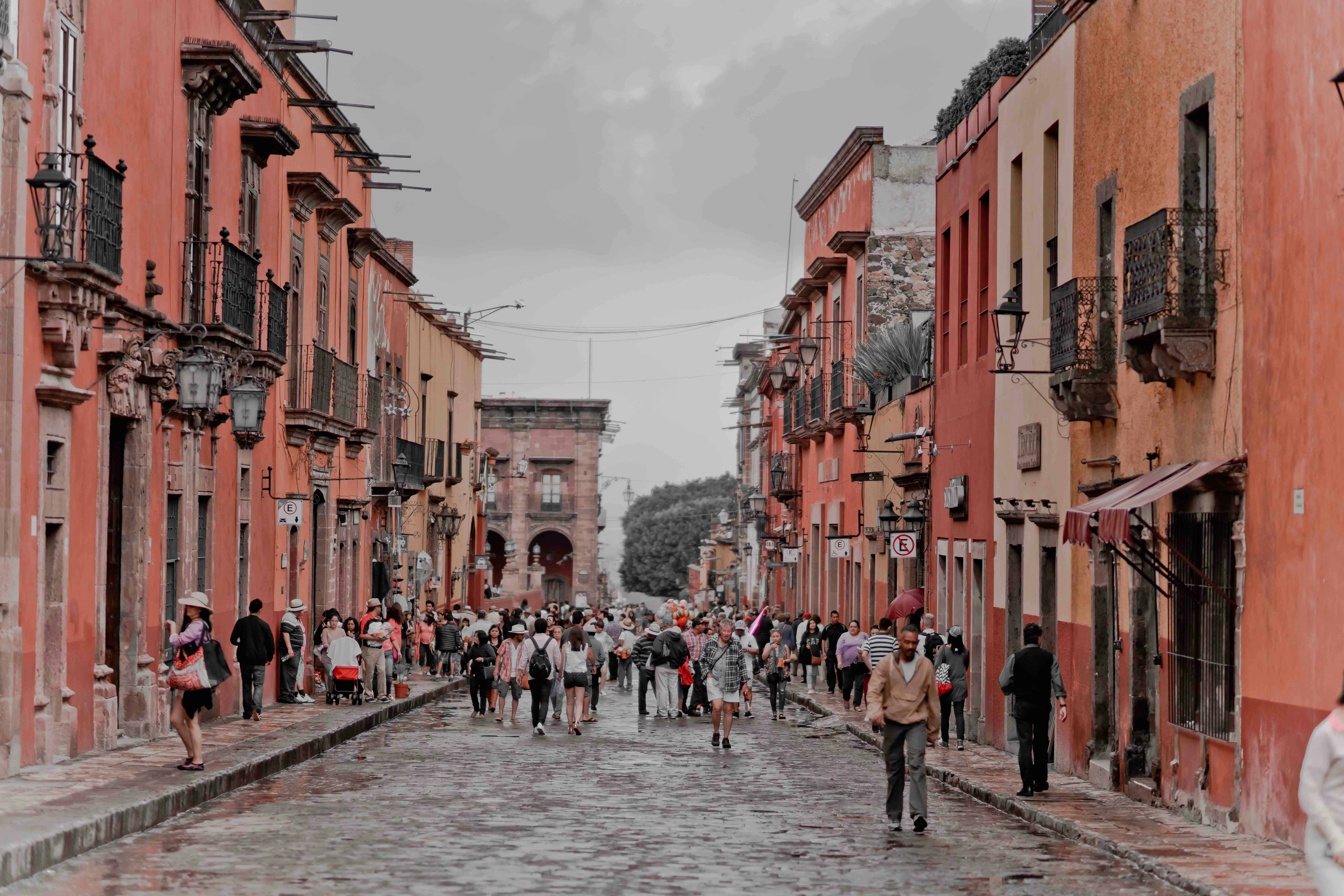
In this article, we will embark on an extensive journey through these remarkable structures, exploring their historical significance, architectural features, and the vibrant culture that surrounds them.
The Historical Context of Romanesque Architecture in Mexico
The Romanesque period, which flourished in Europe from the 9th to the 12th centuries, is characterized by its sturdy construction, semi-circular arches, thick walls, and decorative arcading. While the style is predominantly associated with Europe, particularly France and Italy, it found its way to Mexico through Spanish colonization in the 16th century. The introduction of Romanesque elements into Mexican architecture marked a significant cultural exchange, blending indigenous artistry with European religious traditions.
The Arrival of Spanish Colonialism
When the Spanish arrived in Mexico, they brought with them their architectural styles, including Romanesque and Gothic influences. The first churches were constructed to serve the spiritual needs of the indigenous populations and to assert Spanish dominance. These churches were often built on the sites of ancient temples, symbolizing a new era of faith and culture.
The Significance of Romanesque Churches in Mexican Culture
Romanesque churches in Mexico are not just places of worship; they are historical landmarks that reflect the country's complex past. They serve as a testament to the resilience of indigenous cultures and their ability to adapt and incorporate foreign influences. Each church is a unique blend of artistic styles, showcasing intricate carvings, vibrant frescoes, and stunning altarpieces that narrate biblical stories and local legends.
A Closer Look at Iconic Romanesque Churches in Mexico
1. The Church of San Miguel Arcángel in San Miguel de Allende
Located in the heart of San Miguel de Allende, the Church of San Miguel Arcángel is a stunning example of Romanesque architecture infused with Gothic elements. The church, completed in the 18th century, features a striking pink stone façade adorned with intricate carvings and a towering spire that dominates the skyline.
Architectural Features
The church's façade is characterized by its elaborate portal, which showcases a series of arches and columns, typical of Romanesque design. Inside, the church is adorned with beautiful altarpieces and murals that depict scenes from the life of San Miguel, the patron saint of the city.
Cultural Significance
San Miguel de Allende is known for its vibrant arts scene, and the church plays a central role in the community's cultural life. Festivals and religious celebrations are held throughout the year, drawing locals and tourists alike to witness the rich traditions that have been preserved over centuries.
2. The Cathedral of Santiago in Querétaro
The Cathedral of Santiago, located in the historic center of Querétaro, is another remarkable example of Romanesque architecture. Construction of the cathedral began in the late 16th century and continued into the 18th century, resulting in a unique blend of styles, including Baroque and Neoclassical.
Architectural Features
The cathedral's façade is adorned with intricate stone carvings, and its interior boasts a stunning vaulted ceiling supported by massive columns. The altar, richly decorated with gold leaf, is a sight to behold, drawing visitors into a world of divine beauty.
Historical Importance
Querétaro played a crucial role in Mexican history, serving as a meeting point for revolutionaries during the War of Independence. The cathedral stands as a symbol of the city’s resilience and its commitment to preserving its cultural heritage.
3. The Church of San Juan Bautista in Coyoacán
Nestled in the charming neighborhood of Coyoacán, the Church of San Juan Bautista is a hidden gem that showcases the beauty of Romanesque architecture. Built in the 16th century, this church features a blend of indigenous and Spanish architectural elements.
Architectural Features
The church's façade is characterized by its simple yet elegant design, with a bell tower that rises above the surrounding buildings. Inside, visitors can admire the beautiful altarpiece and the serene atmosphere that invites contemplation and reflection.
Cultural Relevance
Coyoacán is known for its artistic heritage, and the church is a focal point for the community. It hosts various cultural events, including art exhibitions and music performances, making it a vibrant hub for creativity.
4. The Basilica of Our Lady of Zapopan
The Basilica of Our Lady of Zapopan, located in Guadalajara, is a stunning example of Romanesque architecture with a rich history. The basilica is dedicated to the Virgin of Zapopan, a revered figure in Mexican Catholicism.
Architectural Features
The basilica's façade is adorned with intricate carvings and a beautiful dome that adds to its grandeur. Inside, the church is filled with stunning artwork, including paintings and sculptures that depict the life of the Virgin Mary.
Pilgrimage and Festivals
Every year, thousands of pilgrims flock to the basilica to pay homage to the Virgin of Zapopan during the annual pilgrimage. This event is a vibrant celebration of faith, culture, and community, showcasing the deep-rooted traditions of the region.
5. The Church of Santo Domingo in Oaxaca
The Church of Santo Domingo, located in the historic city of Oaxaca, is a breathtaking example of Romanesque architecture infused with Baroque elements. The church was built in the 16th century and is known for its stunning façade and elaborate interior.
Architectural Features
The church's façade is adorned with intricate carvings and a beautiful bell tower that rises above the city. Inside, the church is filled with stunning altarpieces and murals that depict scenes from the life of Santo Domingo, the patron saint of the church.
Cultural Importance
Oaxaca is known for its rich cultural heritage, and the Church of Santo Domingo plays a central role in the community. It hosts various cultural events and religious celebrations throughout the year, drawing visitors from all over the world.
The Artistic Legacy of Romanesque Churches in Mexico
The Influence of Indigenous Artistry
One of the most fascinating aspects of Romanesque churches in Mexico is the influence of indigenous artistry. Many churches feature intricate carvings and murals that reflect the beliefs and traditions of the local communities. This blending of styles creates a unique artistic legacy that is distinctly Mexican.
The Role of Frescoes and Murals
Frescoes and murals are prominent features of many Romanesque churches in Mexico. These vibrant artworks often depict biblical scenes, saints, and local legends, serving as a visual narrative that educates and inspires worshippers. The use of color and detail in these artworks showcases the skill and creativity of the artists who created them.
Preserving the Heritage of Romanesque Churches in Mexico
Challenges Facing Historical Preservation
As with many historical sites around the world, Romanesque churches in Mexico face challenges related to preservation. Environmental factors, urban development, and a lack of funding can threaten the integrity of these structures. Efforts are being made by local governments and organizations to protect and restore these architectural treasures.
Community Involvement in Preservation Efforts
Community involvement is crucial in the preservation of Romanesque churches. Local residents often play an active role in maintaining these sites, organizing events, and raising awareness about their historical significance. This grassroots approach fosters a sense of pride and ownership within the community, ensuring that these churches continue to be cherished for generations to come.
The Spiritual Experience of Visiting Romanesque Churches
A Journey of Reflection and Contemplation
Visiting Romanesque churches in Mexico offers a unique opportunity for reflection and contemplation. The serene atmosphere, combined with the beauty of the architecture and art, creates a space where visitors can connect with their spirituality and appreciate the rich history of the site.
Engaging with Local Communities
Many Romanesque churches are located in vibrant communities that offer visitors a chance to engage with local culture. Attending mass, participating in festivals, or simply interacting with residents can provide a deeper understanding of the significance of these churches in the lives of the people who inhabit the region.
Conclusion: The Enduring Legacy of Romanesque Churches in Mexico
The Romanesque churches of Mexico are more than just architectural wonders; they are living testaments to the country's rich history and cultural heritage. Each church tells a story of faith, artistry, and resilience, inviting visitors to explore the intricate tapestry of Mexican identity. As we continue to discover and appreciate these remarkable structures, we ensure that their legacy endures for future generations to experience and cherish.
In conclusion, exploring the Romanesque churches of Mexico is a journey that transcends time and space, offering a glimpse into the past while celebrating the vibrant culture of the present. Whether you are an architecture enthusiast, a history buff, or simply seeking a spiritual experience, these churches promise to leave an indelible mark on your heart and soul.