
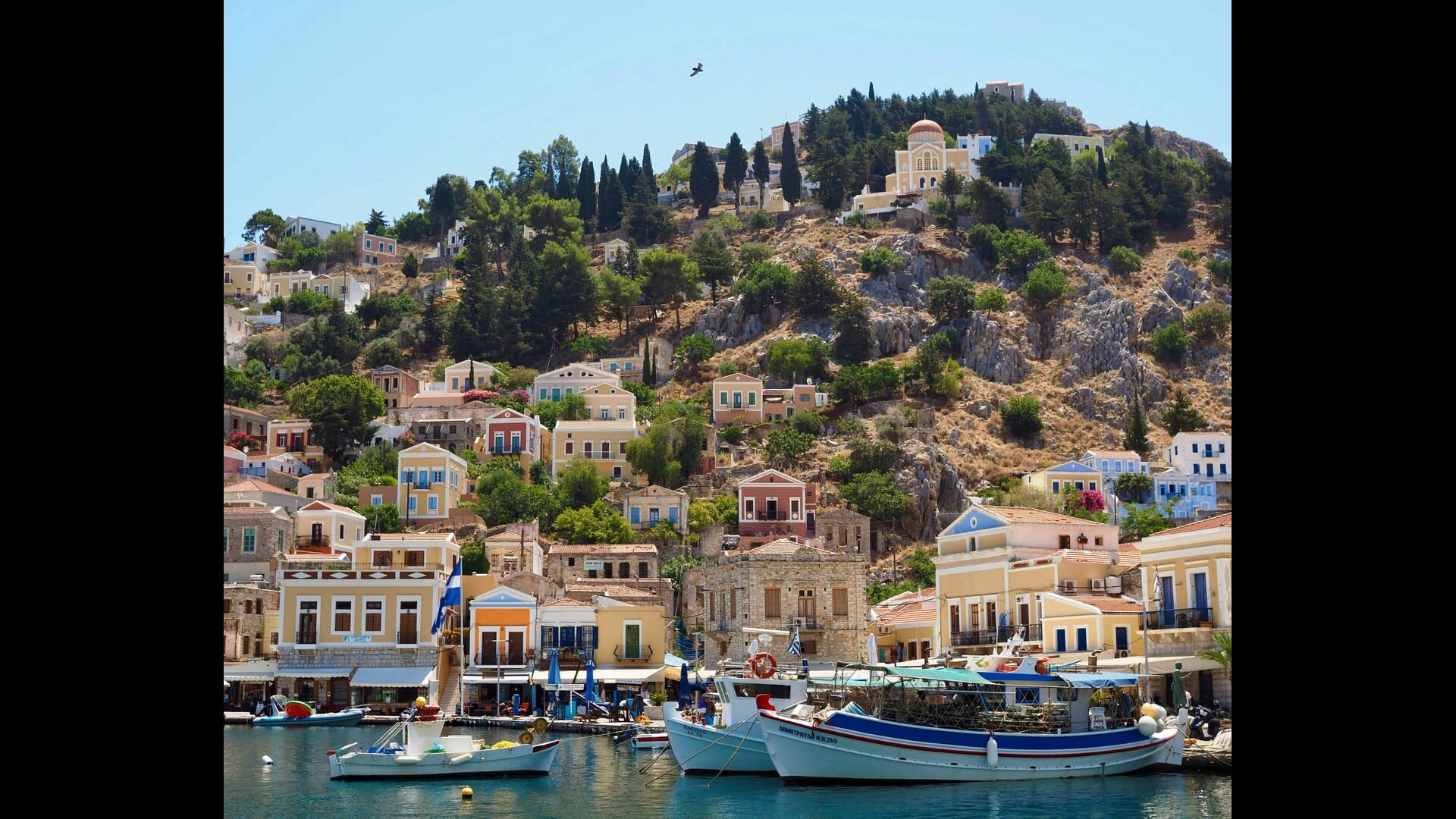
Exploring the Roman Ruins of Ancient Corinth: A Journey Through Time
Exploring the Roman Ruins of Ancient Corinth: A Journey Through Time
Ancient Corinth, a city steeped in history and myth, stands as a testament to the grandeur of the Roman Empire and the cultural richness of ancient Greece. Nestled between the towering peaks of the Geraneia Mountains and the shimmering waters of the Gulf of Corinth, this archaeological treasure trove invites travelers to step back in time and explore its magnificent ruins.
In this article, we will embark on a detailed journey through the Roman ruins of Ancient Corinth, uncovering its history, architecture, and significance in the ancient world.
The Historical Significance of Ancient Corinth
The Birthplace of Civilization
Ancient Corinth was one of the most powerful city-states in ancient Greece, renowned for its wealth, strategic location, and cultural achievements. Founded in the Neolithic period, Corinth flourished during the Archaic and Classical periods, becoming a major center for trade and commerce. Its strategic position on the Isthmus of Corinth allowed it to control trade routes between the Peloponnese and mainland Greece, making it a hub of economic activity.
A Melting Pot of Cultures
Throughout its history, Ancient Corinth was a melting pot of cultures, influenced by various civilizations, including the Phoenicians, Egyptians, and Romans. This cultural exchange is evident in the city's architecture, art, and religious practices. The ruins of Ancient Corinth reflect this rich tapestry of history, showcasing the city's evolution from a Greek city-state to a Roman colony.
The Architectural Wonders of Ancient Corinth
The Temple of Apollo: A Glimpse into the Divine
One of the most iconic structures in Ancient Corinth is the Temple of Apollo, built in the 6th century BC. This Doric temple, with its majestic columns and intricate friezes, was dedicated to the god Apollo, the patron deity of the city. Standing proudly on a hill overlooking the ruins, the Temple of Apollo serves as a symbol of Corinthian identity and religious devotion.
Visitors can marvel at the remaining columns, which rise gracefully against the backdrop of the blue sky, and imagine the vibrant rituals that once took place within its sacred walls. The temple's architectural design, characterized by its simplicity and elegance, is a prime example of Doric style, showcasing the artistry of ancient Greek builders.
The Agora: The Heart of Civic Life
The Agora of Ancient Corinth was the bustling center of civic life, where citizens gathered for political, social, and economic activities. This expansive open space was lined with shops, public buildings, and temples, reflecting the city's vibrant community. Today, visitors can explore the ruins of the Agora, including the remains of the Stoa of Zeus and the Bema, where public speeches and legal proceedings took place.
As you walk through the Agora, you can almost hear the echoes of lively debates and the clamor of merchants hawking their wares. The site offers a fascinating glimpse into the daily lives of the ancient Corinthians, highlighting their values, beliefs, and social structures.
The Roman Forum: A Testament to Roman Influence
With the arrival of the Romans in the 2nd century BC, Ancient Corinth underwent significant changes, transforming into a Roman colony. The Roman Forum, built during this period, showcases the architectural grandeur of Roman engineering. This expansive complex includes a large courtyard surrounded by colonnades, temples, and public buildings, all designed to reflect the power and prestige of the Roman Empire.
Visitors can explore the ruins of the Forum, including the Temple of Venus and the impressive fountain house, which once provided water to the city's inhabitants. The Roman Forum serves as a reminder of the city's transition from Greek to Roman rule and the lasting impact of Roman culture on Corinth.
The Cultural Legacy of Ancient Corinth
Art and Sculpture: A Celebration of Creativity
Ancient Corinth was not only a center of trade but also a hub of artistic expression. The city was famous for its pottery, sculpture, and metalwork, which were highly sought after throughout the ancient world. The Corinthian style of pottery, characterized by its intricate designs and vibrant colors, became a dominant form of artistic expression in ancient Greece.
Visitors to the archaeological site can admire the remnants of ancient pottery and sculptures, which provide insight into the artistic techniques and cultural values of the time. The Corinthian artists' ability to blend functionality with beauty is evident in their creations, making them a significant part of the city's cultural legacy.
Religious Practices: A Window into Belief Systems
Religion played a central role in the lives of the ancient Corinthians, influencing their daily activities, social structures, and artistic expressions. The city was home to numerous temples dedicated to various deities, reflecting the diverse belief systems of its inhabitants. The worship of Apollo, Aphrodite, and other gods was integral to the city's identity, with festivals and rituals held throughout the year.
Exploring the ruins of these temples allows visitors to gain a deeper understanding of the religious practices that shaped the lives of the ancient Corinthians. The remnants of altars, votive offerings, and inscriptions provide valuable insights into the spiritual beliefs and customs of this fascinating civilization.
Visiting Ancient Corinth: A Traveler's Guide
Getting There: Transportation Options
Reaching Ancient Corinth is relatively easy, thanks to its proximity to major cities in Greece. The site is located approximately 80 kilometers west of Athens, making it a popular day trip destination for travelers. Visitors can choose from various transportation options, including:
- By Car: Renting a car offers the flexibility to explore the surrounding region at your own pace. The drive from Athens to Ancient Corinth takes about an hour and a half, with scenic views along the way.
- By Train: The train service from Athens to Corinth is a convenient option for those looking to avoid the hassle of driving. The journey takes approximately one hour, and trains run regularly throughout the day.
- By Bus: Several bus companies operate routes from Athens to Corinth, providing an affordable option for travelers. The bus ride takes about two hours, and tickets can be purchased at the bus station.
Best Time to Visit Ancient Corinth
The ideal time to visit Ancient Corinth is during the spring (April to June) and fall (September to October) when the weather is mild, and the tourist crowds are smaller. Summer can be quite hot, with temperatures soaring above 30°C (86°F), making it less comfortable for exploring the ruins. Additionally, visiting during the shoulder seasons allows travelers to enjoy the beauty of the surrounding landscape, with blooming wildflowers in spring and vibrant autumn foliage.
What to Bring: Essential Items for Your Visit
To make the most of your visit to Ancient Corinth, it's essential to come prepared. Here are some items to consider bringing:
- Comfortable Shoes: The archaeological site covers a large area, and visitors will be doing a lot of walking. Comfortable shoes are a must for exploring the ruins.
- Water and Snacks: Staying hydrated is crucial, especially during the warmer months. Bring a refillable water bottle and some snacks to keep your energy up while you explore.
- Sunscreen and a Hat: Protect yourself from the sun's rays, particularly during the summer months. Sunscreen and a wide-brimmed hat will help keep you safe from sunburn.
- Camera: The stunning ruins and picturesque landscapes provide ample opportunities for photography. Don't forget your camera to capture the memories of your journey.
Exploring the Surrounding Area: Beyond Ancient Corinth
The Acrocorinth: A Fortress with a View
Just a short hike from the archaeological site lies the Acrocorinth, an ancient fortress that offers breathtaking panoramic views of the surrounding landscape. This imposing citadel, perched on a rocky outcrop, served as a strategic military stronghold throughout history. Visitors can explore the fortress's ruins, including the remnants of walls, towers, and gates, while enjoying stunning vistas of the Gulf of Corinth and the Peloponnese.
The hike to the Acrocorinth is moderately challenging but well worth the effort. As you ascend, you'll encounter the remnants of ancient structures and the natural beauty of the region, making it a rewarding experience for history enthusiasts and nature lovers alike.
The Corinth Canal: Engineering Marvel
A short drive from Ancient Corinth leads to the famous Corinth Canal, an engineering marvel that connects the Aegean Sea to the Ionian Sea. Completed in the late 19th century, the canal dramatically shortened the travel time for ships, eliminating the need for the long and treacherous journey around the Peloponnese.
Visitors can walk along the canal's edge, marveling at the steep cliffs and the impressive engineering that went into its construction. For those seeking adventure, boat tours are available, providing a unique perspective of the canal and its surrounding landscape.
Loutraki: A Coastal Retreat
If you're looking to unwind after exploring the ruins, the nearby town of Loutraki offers a charming coastal retreat. Known for its beautiful beaches, thermal springs, and vibrant promenade, Loutraki is the perfect place to relax and soak up the sun. Visitors can enjoy swimming in the crystal-clear waters, indulging in spa treatments, or savoring delicious local cuisine at beachfront tavernas.
Conclusion: A Journey Through Time
Exploring the Roman ruins of Ancient Corinth is more than just a visit to an archaeological site; it's a journey through time that allows travelers to connect with the rich history and culture of one of Greece's most significant cities. From the majestic Temple of Apollo to the bustling Agora and the impressive Roman Forum, each ruin tells a story of a civilization that thrived for centuries.
As you wander through the ancient streets, take a moment to reflect on the lives of those who once called this city home. The echoes of their laughter, debates, and rituals still linger in the air, inviting you to become a part of their story. Whether you're a history enthusiast, an architecture lover, or simply seeking adventure, Ancient Corinth promises an unforgettable experience that will leave you with lasting memories.
So pack your bags, grab your camera, and set off on an adventure to explore the Roman ruins of Ancient Corinth. The past awaits you, ready to unveil its secrets and share its timeless beauty.