
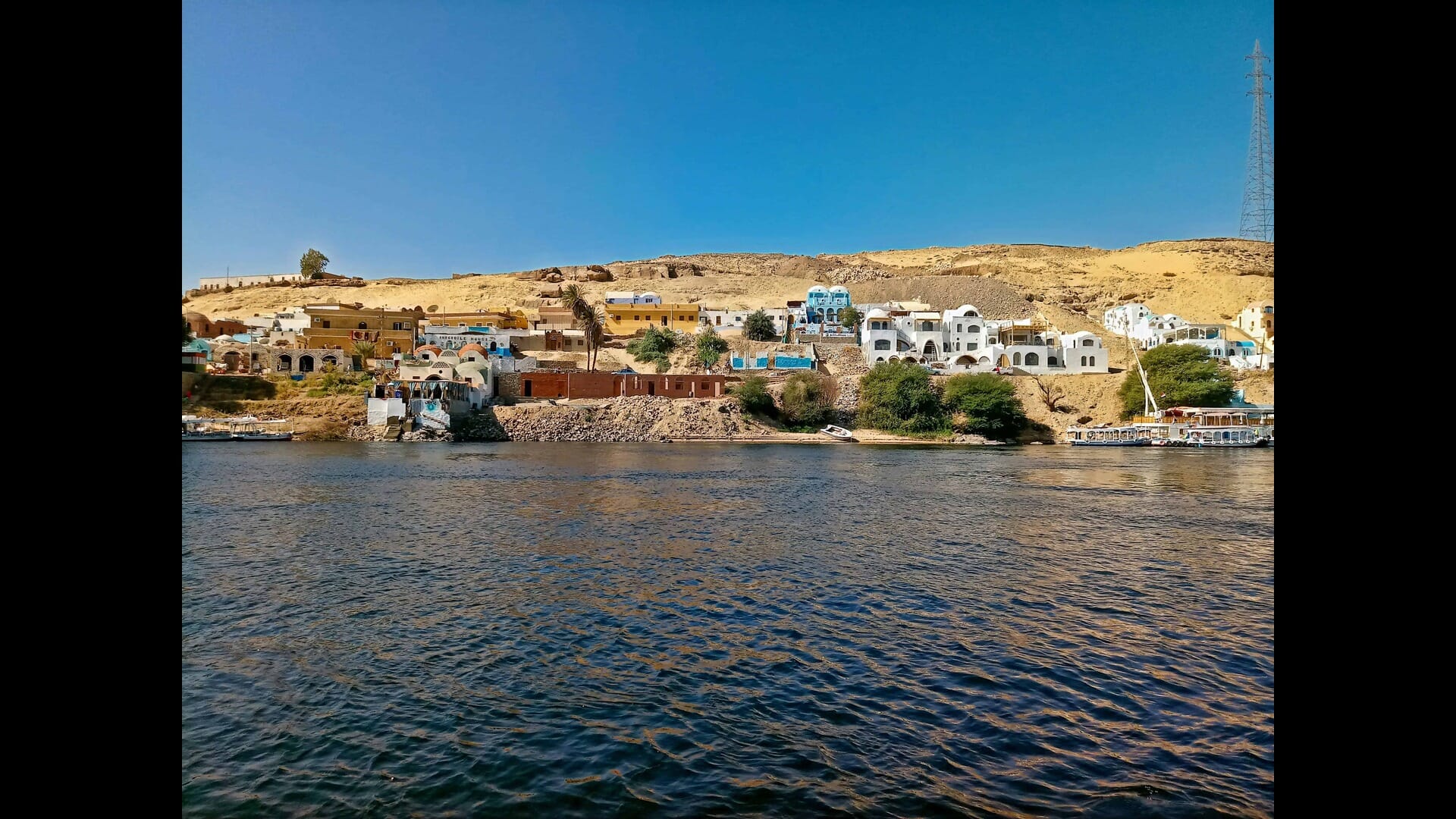
Exploring the Richness of Egyptian Music and Dance
Exploring the Richness of Egyptian Music and Dance
Egypt, a land steeped in history and culture, is not only known for its ancient pyramids and the Nile River but also for its vibrant and diverse music and dance traditions. From the haunting melodies of folk songs to the energetic beats of contemporary pop, Egyptian music and dance form an integral part of the nation’s identity.
This article will take you on an immersive journey through the richness of Egyptian music and dance, exploring its history, styles, cultural significance, and much more.
The Historical Roots of Egyptian Music
Egyptian music has a history that stretches back thousands of years, deeply intertwined with the country’s cultural and social evolution. The earliest forms of music in Egypt can be traced back to the Pharaonic era, where music played a significant role in religious ceremonies, celebrations, and daily life. Ancient Egyptians used various instruments, including harps, flutes, and percussion, to create sounds that were believed to connect them with the divine.
The Influence of Ancient Egyptian Music on Modern Styles
The music of ancient Egypt laid the groundwork for many contemporary styles. The use of scales, rhythms, and instruments can still be heard in today’s music. For instance, the maqam system, a series of scales used in Arabic music, has its roots in ancient Egyptian musical theory. This connection highlights the continuity of musical traditions over millennia.
Traditional Egyptian Music: A Melodic Tapestry
Traditional Egyptian music encompasses a wide range of styles, each reflecting the diverse cultural influences that have shaped the nation. From folk music to classical compositions, traditional music is characterized by its use of unique instruments and vocal techniques.
The Role of Folk Music in Egyptian Culture
Folk music is a vital aspect of Egyptian culture, often performed during festivals, weddings, and other communal gatherings. It serves as a means of storytelling, preserving the history and traditions of various regions. Each area of Egypt has its own distinct folk music style, influenced by local customs and dialects.
Instruments of Traditional Egyptian Music
The richness of Egyptian music is largely attributed to its diverse range of instruments. Some of the most notable include:
- Oud: A pear-shaped string instrument similar to a lute, the oud is often considered the king of Arabic instruments. Its deep, resonant sound is central to many traditional compositions.
- Ney: A type of flute made from reed, the ney produces a haunting sound that is often associated with Sufi music.
- Darbuka: A goblet drum that provides the rhythmic backbone of many traditional songs, the darbuka is played with the hands and is known for its sharp, crisp sounds.
The Evolution of Egyptian Dance: From Ancient Times to Today
Just as music has evolved in Egypt, so too has dance. Ancient Egyptians used dance as a form of expression, often incorporating it into religious rituals and celebrations. Over time, dance styles have transformed, influenced by various cultural exchanges and modern trends.
Ancient Egyptian Dance: A Sacred Art Form
In ancient Egypt, dance was not merely entertainment; it was a sacred art form. Dancers were often seen as intermediaries between the gods and the people. They performed in temples, during religious festivals, and at royal events, showcasing movements that were both graceful and symbolic.
The Rise of Belly Dance in Egyptian Culture
Belly dance, or raqs sharqi, is perhaps the most famous dance style associated with Egypt. Originating from folk traditions, it gained popularity in the early 20th century and has since become a symbol of Egyptian culture. Characterized by intricate hip movements and fluid body isolations, belly dance is not only a form of entertainment but also a celebration of femininity and cultural identity.
Contemporary Egyptian Music: A Fusion of Styles
In recent decades, Egyptian music has undergone a transformation, incorporating elements from various genres, including pop, rock, and electronic music. This fusion has led to the emergence of a vibrant contemporary music scene that resonates with younger audiences.
The Influence of Western Music on Egyptian Pop
Western music has significantly influenced the sound of contemporary Egyptian pop. Artists like Amr Diab and Mohamed Mounir have blended traditional melodies with modern beats, creating a unique sound that appeals to both local and international audiences. Their music often addresses themes of love, social issues, and national pride, reflecting the complexities of modern Egyptian society.
Popular Egyptian Music Festivals
Egypt hosts a variety of music festivals that celebrate both traditional and contemporary music. Events like the Cairo Jazz Festival and the Mawazine Festival in Rabat showcase local talent alongside international artists, promoting cultural exchange and appreciation.
The Cultural Significance of Egyptian Music and Dance
Music and dance in Egypt are more than just forms of entertainment; they are vital expressions of cultural identity and social cohesion. They play a crucial role in community gatherings, religious ceremonies, and national celebrations, fostering a sense of belonging and shared heritage.
Music as a Tool for Social Change
In recent years, Egyptian music has also become a platform for social change. Artists use their songs to address political issues, advocate for human rights, and inspire movements for social justice. This trend highlights the power of music as a vehicle for expression and activism.
Learning Egyptian Music and Dance: A Journey of Discovery
For those interested in immersing themselves in the richness of Egyptian music and dance, there are numerous opportunities to learn and engage with these art forms. From workshops to cultural festivals, the options are plentiful.
Dance Classes and Workshops
Many dance studios in Egypt offer classes in traditional and contemporary dance styles. Whether you’re a beginner or an experienced dancer, these classes provide a welcoming environment to explore the movements and rhythms of Egyptian dance.
Music Schools and Instrument Lessons
For aspiring musicians, Egypt boasts a variety of music schools that teach traditional instruments and vocal techniques. Learning to play the oud or the ney can be a rewarding experience, connecting you to the rich musical heritage of the country.
The Future of Egyptian Music and Dance
As Egypt continues to evolve, so too will its music and dance traditions. The blending of old and new styles, along with the influence of globalization, will shape the future of these art forms. Emerging artists are already pushing boundaries, experimenting with sounds and movements that reflect the complexities of contemporary life.
Preserving Cultural Heritage in a Modern World
While embracing modern influences, there is a growing movement to preserve traditional music and dance forms. Initiatives aimed at documenting and promoting Egypt’s cultural heritage are essential for ensuring that future generations can appreciate and engage with their artistic roots.
Conclusion: A Celebration of Egyptian Culture
Exploring the richness of Egyptian music and dance offers a fascinating glimpse into the heart of a nation. These art forms are not only a reflection of Egypt’s diverse history but also a celebration of its vibrant culture. Whether you’re listening to the soulful melodies of a traditional song or watching the mesmerizing movements of a belly dancer, the beauty of Egyptian music and dance is sure to leave a lasting impression. As you embark on your own journey through Egypt, take the time to immerse yourself in its musical and dance traditions, and discover the stories they tell.
In conclusion, the exploration of Egyptian music and dance is a journey filled with discovery, connection, and celebration. From the ancient rhythms that echo through history to the contemporary beats that resonate with today’s youth, the richness of these art forms continues to thrive, inviting all to partake in their beauty and significance.