
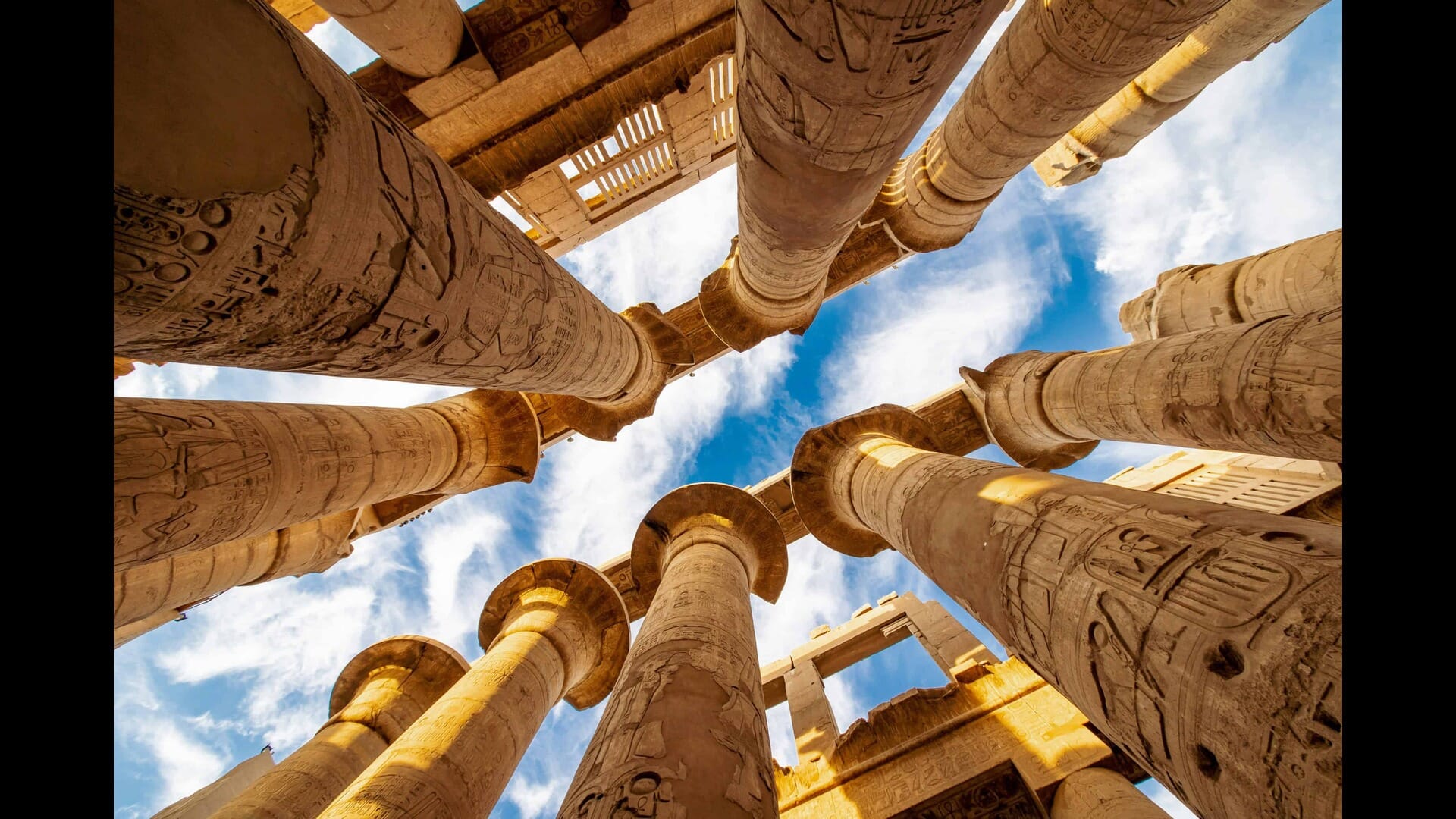
Exploring the Richness of Egyptian Folklore
Exploring the Richness of Egyptian Folklore
Egypt, a land steeped in history and mystery, has long captivated the imagination of travelers and scholars alike. Beyond its iconic pyramids and the majestic Nile, Egypt is a treasure trove of folklore that reflects its rich cultural heritage. This article delves into the enchanting world of Egyptian folklore, exploring its myths, legends, and traditions that continue to shape the lives of Egyptians today.
The Origins of Egyptian Folklore: A Historical Perspective
Egyptian folklore is deeply rooted in the country’s ancient history, dating back thousands of years. The ancient Egyptians were not just builders of monumental structures; they were also storytellers who wove intricate tales to explain the world around them. These stories often featured gods, goddesses, and mythical creatures, serving as both entertainment and moral lessons.
The oral tradition played a crucial role in preserving these tales, as they were passed down through generations. The ancient Egyptians believed that storytelling was a means of connecting with the divine, and many of their myths were intertwined with their religious beliefs. This blend of history and spirituality laid the foundation for the folklore that continues to thrive in modern Egypt.
The Role of Myths in Egyptian Folklore
Understanding the Significance of Myths in Egyptian Culture
Myths are central to Egyptian folklore, serving as a lens through which the ancient Egyptians understood their world. These narratives often explained natural phenomena, human behavior, and the mysteries of life and death. For instance, the myth of Osiris, the god of the afterlife, illustrates the ancient Egyptians' beliefs about resurrection and the afterlife.
Key Myths and Their Impact on Society
- The Osiris Myth: This myth tells the story of Osiris, who was murdered by his brother Set. Osiris's wife, Isis, resurrected him, symbolizing the cycle of life, death, and rebirth. This myth not only influenced religious practices but also inspired countless artistic representations.
- The Creation Myth: Various creation myths exist, but one of the most prominent involves the god Atum, who emerged from the primordial waters of chaos. This narrative reflects the ancient Egyptians' understanding of the universe's origins and their reverence for the divine.
- The Tale of the Sun God Ra: Ra, the sun god, was believed to travel through the underworld each night, battling the serpent Apophis. This myth represented the eternal struggle between order and chaos, a theme that resonated deeply with the ancient Egyptians.
Legendary Creatures in Egyptian Folklore
The Fascinating Beasts of Egyptian Myths
Egyptian folklore is replete with legendary creatures that embody various human traits and natural forces. These beings often serve as symbols in the narratives, enriching the storytelling tradition.
- The Sphinx: With the body of a lion and the head of a human, the Sphinx symbolizes strength and wisdom. It is often associated with the pharaohs, representing their divine right to rule.
- The Phoenix: This mythical bird is said to rise from its ashes, symbolizing immortality and renewal. The Phoenix is a powerful metaphor for the cyclical nature of life, a theme prevalent in Egyptian culture.
- The Serpent Apep: Apep, the embodiment of chaos, was a formidable foe of the sun god Ra. This serpent represented the dangers of disorder and was often depicted in myths as being defeated by Ra’s light.
Traditional Egyptian Stories: A Window into the Past
The Art of Storytelling in Egypt
Storytelling is an integral part of Egyptian culture, with roots that trace back to ancient times. Traditional tales often feature moral lessons, cultural values, and reflections on human nature. These stories are typically shared during gatherings, festivals, and family events, fostering a sense of community.
Notable Traditional Stories
- The Story of the Three Wishes: This tale revolves around a poor man who is granted three wishes. His choices lead to unexpected consequences, highlighting the importance of wisdom and caution in decision-making.
- The Tale of the Clever Farmer: A story that emphasizes resourcefulness and intelligence, this tale follows a farmer who outsmarts a greedy king, showcasing the triumph of the underdog.
- The Legend of the Lost Treasure: This narrative tells of a hidden treasure guarded by a mythical creature. It serves as a metaphor for the pursuit of knowledge and the rewards of perseverance.
The Influence of Egyptian Folklore on Modern Culture
How Ancient Tales Shape Contemporary Egyptian Identity
Egyptian folklore continues to influence modern culture, from literature and art to music and film. Many contemporary artists draw inspiration from ancient myths and legends, weaving them into their work.
- Literature: Modern Egyptian authors often incorporate folklore elements into their narratives, exploring themes of identity, tradition, and the human experience. Writers like Naguib Mahfouz have blended folklore with contemporary issues, creating a rich literary tapestry.
- Visual Arts: Artists frequently depict scenes from folklore, using traditional motifs and symbols to connect with their heritage. This fusion of old and new creates a vibrant artistic landscape that celebrates Egyptian culture.
- Film and Theater: Egyptian cinema has embraced folklore, with many films and plays drawing on ancient myths. These adaptations not only entertain but also educate audiences about their cultural roots.
Festivals Celebrating Egyptian Folklore
The Vibrant Cultural Events of Egypt
Egyptian folklore is celebrated through various festivals that showcase traditional music, dance, and storytelling. These events serve as a reminder of the country’s rich heritage and provide a platform for cultural exchange.
- The Abu Simbel Sun Festival: Held twice a year, this festival celebrates the alignment of the sun with the temple of Ramses II. It features music, dance, and reenactments of ancient rituals, attracting visitors from around the world.
- The Cairo International Festival for Experimental Theatre: This festival highlights the role of theater in preserving folklore. It features performances that incorporate traditional stories and themes, fostering a dialogue between past and present.
- The Moulid Celebrations: These vibrant festivals honor local saints and are characterized by music, dance, and storytelling. They reflect the communal spirit of Egyptian culture and the enduring power of folklore.
The Preservation of Egyptian Folklore in the Digital Age
Adapting Traditions for Modern Audiences
In an increasingly digital world, the preservation of Egyptian folklore has taken on new dimensions. Various initiatives aim to keep these traditions alive while making them accessible to younger generations.
- Online Storytelling Platforms: Websites and social media channels dedicated to folklore allow storytellers to share their tales with a global audience. This digital space fosters a sense of community among those interested in preserving cultural heritage.
- Documentaries and Podcasts: Filmmakers and podcasters are exploring Egyptian folklore, creating content that educates and entertains. These mediums provide a platform for discussions about the significance of folklore in contemporary society.
- Educational Programs: Schools and cultural institutions are incorporating folklore into their curricula, ensuring that future generations understand and appreciate their heritage.
The Future of Egyptian Folklore: Challenges and Opportunities
Navigating the Modern Landscape
As Egypt continues to evolve, the future of its folklore faces both challenges and opportunities. Globalization and modernization pose threats to traditional practices, yet they also offer avenues for revitalization.
- Cultural Exchange: The blending of cultures can lead to the enrichment of folklore, as new ideas and perspectives are integrated into traditional narratives. This exchange can foster creativity and innovation.
- Preservation Efforts: Organizations dedicated to preserving folklore are working tirelessly to document and promote traditional stories. These efforts are crucial in ensuring that the richness of Egyptian folklore is not lost.
- Community Engagement: Local communities play a vital role in keeping folklore alive. By actively participating in storytelling, festivals, and cultural events, they can ensure that these traditions continue to thrive.
Conclusion: The Enduring Legacy of Egyptian Folklore
Egyptian folklore is a vibrant tapestry woven from the threads of history, mythology, and cultural identity. As we explore its richness, we uncover not only the stories of gods and heroes but also the values and beliefs that define the Egyptian spirit. From ancient myths to modern adaptations, the legacy of Egyptian folklore continues to inspire and captivate, reminding us of the power of storytelling in shaping our understanding of the world.
In a rapidly changing world, the preservation and celebration of these traditions are more important than ever. By embracing the richness of Egyptian folklore, we honor the past while paving the way for future generations to connect with their cultural heritage.