
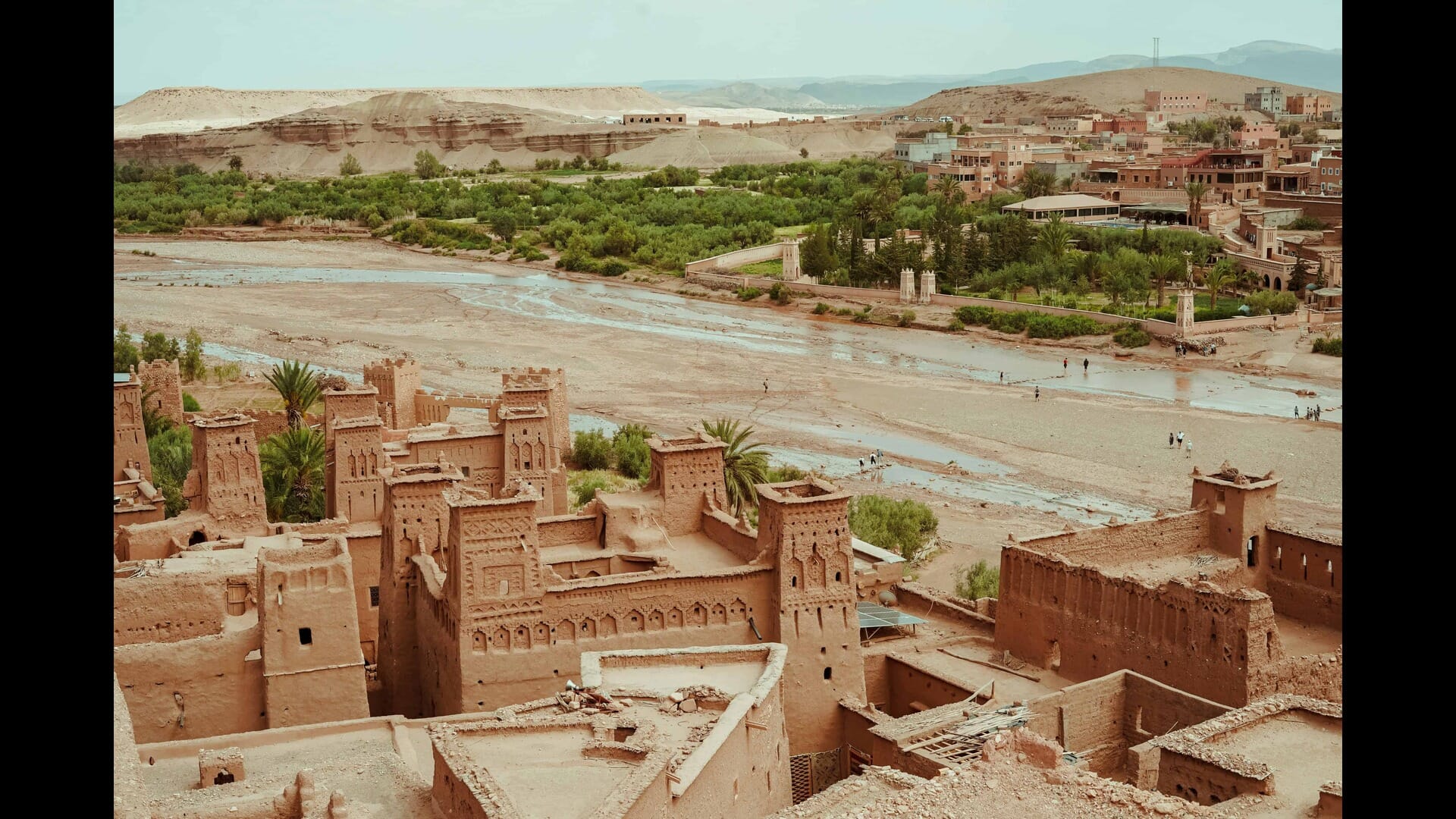
Exploring the Rich History of Marrakech: Palaces and Gardens
Exploring the Rich History of Marrakech: Palaces and Gardens
Marrakech, the vibrant heart of Morocco, is a city that pulses with life, color, and history. Known as the ‘Red City’ for its stunning red sandstone buildings, Marrakech is a treasure trove of historical sites, magnificent palaces, and lush gardens that tell the story of its rich past.
This article will take you on a journey through the enchanting history of Marrakech, exploring its most iconic palaces and gardens, and delving into the cultural significance that makes this city a must-visit destination.
The Historical Significance of Marrakech
Marrakech was founded in 1070 by the Almoravid dynasty and has since served as a crucial political, economic, and cultural center in Morocco. Its strategic location made it a vital stop for traders traveling between the Sahara Desert and Europe, which contributed to its growth and prosperity. The city has witnessed the rise and fall of various dynasties, each leaving its mark on the architecture and culture of Marrakech.
The historical significance of Marrakech is not just in its age but in the stories that its walls tell. From the bustling souks to the serene gardens, every corner of Marrakech is steeped in history, making it a fascinating destination for travelers seeking to understand the rich tapestry of Moroccan culture.
The Majestic Palaces of Marrakech
1. Bahia Palace: A Masterpiece of Moroccan Architecture
One of the most stunning examples of Moroccan architecture is the Bahia Palace, built in the late 19th century by Si Moussa, the grand vizier of Sultan Hassan I. This palace is a testament to the opulence of Moroccan design, featuring intricate tile work, lush gardens, and stunning courtyards.
As you enter the palace, you are greeted by a breathtaking courtyard adorned with fountains and orange trees. The palace consists of several rooms, each more beautiful than the last, showcasing the artistry of Moroccan craftsmen. The intricate woodwork and colorful mosaics are a feast for the eyes, making Bahia Palace a must-visit for anyone exploring the history of Marrakech.
2. El Badi Palace: The Ruins of a Once Grand Structure
El Badi Palace, constructed in the late 16th century by Sultan Ahmed al-Mansur, was once a symbol of wealth and power. Although it now lies in ruins, the remnants of its grandeur still captivate visitors. The palace was built using materials imported from various parts of the world, including gold from West Africa and marble from Italy.
As you wander through the expansive grounds, you can imagine the lavish parties and royal gatherings that once took place here. The sunken gardens, reflecting pools, and the remains of the grand reception hall evoke a sense of nostalgia for the opulence that once characterized El Badi Palace. Today, it serves as a venue for cultural events and festivals, adding a modern twist to its historical significance.
3. The Royal Palace of Marrakech: A Living Heritage
The Royal Palace of Marrakech, located in the medina, is still in use today by the Moroccan royal family. While the palace itself is not open to the public, its stunning architecture and beautiful gardens can be admired from the outside. The Royal Palace is a prime example of the blend of traditional Moroccan and modern architectural styles.
The intricate gates, vibrant tile work, and lush gardens surrounding the palace are a sight to behold. The history of the Royal Palace is intertwined with that of the city itself, reflecting the evolution of Moroccan royalty and their influence on Marrakech’s development.
The Enchanting Gardens of Marrakech
4. Jardin Majorelle: A Colorful Oasis
No exploration of Marrakech would be complete without a visit to Jardin Majorelle, a stunning garden designed by French painter Jacques Majorelle in the 1920s. This vibrant garden is a sanctuary of exotic plants, fountains, and vibrant blue buildings that create a picturesque setting.
Jardin Majorelle is not only a feast for the eyes but also a place of tranquility. As you stroll through the winding paths, you’ll encounter a diverse array of flora, including cacti, palms, and bamboo. The garden also houses the Berber Museum, which showcases the rich culture and history of the Berber people, adding another layer of depth to this enchanting space.
5. Menara Gardens: A Historical Retreat
The Menara Gardens, established in the 12th century, are a testament to the historical significance of gardens in Moroccan culture. These gardens are famous for their large reflecting pool, surrounded by olive groves and the majestic Atlas Mountains in the background.
As you wander through the Menara Gardens, you can appreciate the harmony between nature and architecture. The pavilion at the center of the gardens is a beautiful example of traditional Moroccan design, and the serene atmosphere makes it a perfect spot for relaxation and reflection.
6. Agdal Gardens: A UNESCO World Heritage Site
The Agdal Gardens, another historical gem in Marrakech, are a UNESCO World Heritage Site that dates back to the 12th century. These gardens were originally created as a royal orchard, providing fruits and vegetables for the sultans of Marrakech.
Today, the Agdal Gardens are a peaceful retreat from the bustling city. The meticulously manicured gardens, lined with palm trees and fruit trees, create a serene environment for visitors. The gardens are also home to several historic buildings, adding to their cultural significance.
The Cultural Heritage of Marrakech
7. The Souks: A Journey Through Time
The souks of Marrakech are a vibrant tapestry of colors, sounds, and scents that reflect the city’s rich cultural heritage. As you wander through the narrow alleys, you’ll encounter artisans crafting traditional Moroccan goods, from intricate pottery to handwoven textiles.
Each souk specializes in different products, creating a unique shopping experience. The Souk Semmarine, for example, is known for its textiles, while the Souk el Attarine is famous for its spices and perfumes. Exploring the souks is not just about shopping; it’s an immersive experience that allows you to connect with the local culture and history of Marrakech.
8. The Koutoubia Mosque: A Symbol of Marrakech
The Koutoubia Mosque is one of the most iconic landmarks in Marrakech, known for its stunning minaret that towers over the city. Built in the 12th century, the mosque is a prime example of Almohad architecture and serves as a symbol of Marrakech’s Islamic heritage.
While non-Muslims are not permitted to enter the mosque, the surrounding gardens are open to the public, providing a peaceful space to admire the architecture and reflect on the city’s history. The Koutoubia Mosque is particularly beautiful at sunset when the warm light casts a golden glow over the minaret, creating a magical atmosphere.
9. The Saadian Tombs: A Glimpse into the Past
The Saadian Tombs, dating back to the 16th century, are the final resting place of members of the Saadian dynasty. Rediscovered in 1917, these tombs are a hidden gem in Marrakech, showcasing exquisite craftsmanship and intricate tile work.
As you explore the tombs, you’ll be captivated by the beauty of the architecture and the serene atmosphere. The main mausoleum features a stunning chamber adorned with colorful mosaics and carved cedar wood, reflecting the artistic heritage of Morocco. The Saadian Tombs offer a unique glimpse into the history of Marrakech and the significance of the Saadian dynasty.
10. The Influence of Moroccan Architecture on Global Design
The rich history of Marrakech has not only shaped the city itself but has also influenced architectural styles around the world. The intricate tile work, ornate carvings, and harmonious design principles found in Moroccan architecture have inspired countless architects and designers globally.
From the use of vibrant colors to the incorporation of natural elements, the influence of Moroccan design can be seen in various modern architectural projects. Exploring the historical sites of Marrakech allows visitors to appreciate the beauty and significance of this architectural heritage, making it a source of inspiration for future generations.
Practical Tips for Exploring Marrakech
11. Best Time to Visit Marrakech
The best time to visit Marrakech is during the spring (March to May) and fall (September to November) when the weather is mild and pleasant. Summers can be extremely hot, making it challenging to explore the city comfortably.
12. Getting Around Marrakech
Marrakech is a walkable city, especially within the medina. However, if you prefer to use transportation, consider taking a taxi or using local transportation options like horse-drawn carriages (caleches) for a unique experience.
13. Cultural Etiquette in Marrakech
When visiting Marrakech, it’s essential to respect local customs and traditions. Dress modestly, especially when visiting religious sites, and always ask for permission before taking photographs of people.
Conclusion: A Journey Through Time
Exploring the rich history of Marrakech through its palaces and gardens is an unforgettable experience that allows you to connect with the city’s vibrant culture and heritage. From the opulent Bahia Palace to the serene Jardin Majorelle, each site tells a story that contributes to the enchanting narrative of Marrakech.
As you wander through the bustling souks, admire the intricate architecture, and relax in the lush gardens, you’ll find that Marrakech is not just a destination; it’s a journey through time that leaves a lasting impression on every traveler. Whether you’re a history enthusiast, an architecture lover, or simply seeking a unique travel experience, Marrakech offers a wealth of opportunities to explore and discover its rich history.
So pack your bags, immerse yourself in the magic of Marrakech, and let the city’s history unfold before your eyes.