
Exploring the Rich Cultural Heritage of Punjab
Exploring the Rich Cultural Heritage of Punjab
Punjab, a land of five rivers, is a region that boasts a rich tapestry of cultural heritage, vibrant traditions, and a history that dates back thousands of years. This article aims to take you on an immersive journey through Punjab, exploring its historical significance, diverse traditions, colorful festivals, delectable cuisine, and the artistic expressions that define this remarkable region.
The Historical Significance of Punjab
Punjab's history is as vast as its landscape. The region has been a melting pot of various cultures and civilizations, from the ancient Indus Valley Civilization to the modern Sikh Empire. The name 'Punjab' itself means 'Land of Five Rivers,' referring to the five major rivers that flow through the region: Jhelum, Chenab, Ravi, Beas, and Sutlej.
The Indus Valley Civilization, one of the world's oldest urban cultures, thrived in this region around 2500 BCE. Archaeological sites like Harappa and Mohenjo-Daro reveal the advanced urban planning and social organization of the time. As you explore Punjab, you will find remnants of this ancient civilization, including pottery, seals, and tools that reflect the ingenuity of its people.
Throughout history, Punjab has witnessed the rise and fall of numerous empires, including the Mauryas, Guptas, and Mughals. Each of these dynasties left an indelible mark on the culture and architecture of the region. The Mughal era, in particular, saw the construction of magnificent forts, gardens, and mosques that still stand today as a testament to the region's rich architectural heritage.
Punjabi Traditions and Customs
Punjabi culture is characterized by its warmth, hospitality, and a strong sense of community. The people of Punjab are known for their vibrant lifestyle, which is reflected in their customs and traditions.
Family and Community Bonds
Family is the cornerstone of Punjabi society. Extended families often live together, fostering a sense of unity and support. Celebrations, whether they are weddings, festivals, or religious ceremonies, are grand affairs that involve the entire community. The Punjabi saying, “Sadda haq, Aithe rakh,” translates to “Our rights, keep them here,” emphasizing the importance of community and shared experiences.
Traditional Attire
The traditional attire of Punjab is a colorful reflection of its culture. Men typically wear a kurta and pajama, often paired with a turban, while women don vibrant salwar kameez adorned with intricate embroidery. The use of bright colors and patterns is a hallmark of Punjabi fashion, symbolizing joy and celebration.
Festivals and Celebrations in Punjab
Punjab is known for its lively festivals that celebrate the region's rich cultural heritage. Each festival is a unique blend of religious significance and cultural expression, bringing together people from all walks of life.
Baisakhi: The Harvest Festival
Baisakhi, celebrated in April, marks the harvest season and the Punjabi New Year. It is a time of joy and gratitude, where farmers celebrate the bountiful harvest of wheat. The festival is characterized by vibrant folk dances like Bhangra and Gidda, traditional music, and delicious food. The streets come alive with colorful processions, and people visit Gurudwaras to offer prayers and partake in community feasts.
Lohri: The Festival of Bonfire
Lohri, celebrated in January, is a festival that marks the end of winter and the beginning of the harvest season. People gather around bonfires, singing traditional songs and dancing to the beats of the dhol. The festival is particularly significant for newlyweds and newborns, as it symbolizes prosperity and fertility.
Gurpurab: Celebrating Sikh Gurus
Gurpurab is a significant religious festival for Sikhs, commemorating the birth anniversaries of the Sikh Gurus. The celebrations include processions, prayers, and community service. The atmosphere is filled with devotion, and the sound of hymns resonates throughout the region, drawing people together in a spirit of unity and reverence.
Punjabi Cuisine: A Culinary Journey
Punjabi cuisine is renowned for its rich flavors, hearty ingredients, and diverse dishes. The food of Punjab reflects the agricultural abundance of the region and the cultural influences that have shaped its culinary traditions.
Signature Dishes of Punjab
Butter Chicken: This iconic dish features tender chicken pieces cooked in a creamy tomato-based gravy, enriched with butter and spices. It is often served with naan or rice, making it a favorite among locals and visitors alike.
Sarson da Saag and Makki di Roti: A traditional winter dish, Sarson da Saag is made from mustard greens, while Makki di Roti is a cornmeal flatbread. This combination is a staple in Punjabi households and is often enjoyed with a dollop of butter.
Chole Bhature: A popular street food, Chole Bhature consists of spicy chickpeas served with deep-fried bread. The dish is a favorite for breakfast or lunch and is often accompanied by pickles and yogurt.
Lassi: A quintessential Punjabi drink, lassi is a yogurt-based beverage that can be sweet or salty. It is a refreshing accompaniment to spicy meals and is often served in traditional clay cups.
The Art and Craft of Punjab
Punjab is not only rich in culinary delights but also boasts a vibrant artistic heritage. The region is known for its traditional crafts, music, and dance forms that reflect the creativity and skill of its artisans.
Traditional Crafts of Punjab
Phulkari Embroidery: Phulkari, meaning 'flower work,' is a traditional embroidery technique that involves intricate floral patterns. This craft is often used to adorn shawls, dupattas, and other garments, making it a cherished art form in Punjab.
Pottery and Terracotta: The artisans of Punjab are skilled in creating beautiful pottery and terracotta items, ranging from decorative pieces to functional cookware. The vibrant colors and intricate designs reflect the cultural richness of the region.
Woodwork: Punjab is known for its exquisite woodwork, particularly in the form of carved furniture and decorative items. The craftsmanship involved in creating these pieces showcases the artistic heritage of the region.
Music and Dance: The Soul of Punjab
Music and dance are integral to Punjabi culture, serving as expressions of joy, celebration, and storytelling. The rhythms and melodies of Punjab resonate with the spirit of its people.
Bhangra: The Dance of Joy
Bhangra is a lively folk dance that originated in Punjab and is characterized by energetic movements, vibrant costumes, and the rhythmic beats of the dhol. Traditionally performed during harvest celebrations, Bhangra has evolved into a popular dance form that is now celebrated worldwide.
Gidda: The Women’s Dance
Gidda is the female counterpart to Bhangra, showcasing the grace and elegance of Punjabi women. The dance involves clapping, spinning, and expressive movements, often performed in circles. Gidda is a celebration of femininity and is performed during festivals and family gatherings.
Punjabi Music: A Melodic Heritage
Punjabi music is diverse, encompassing various genres such as folk, classical, and contemporary. The soulful melodies of folk songs narrate tales of love, valor, and everyday life, while contemporary Punjabi music has gained international popularity through fusion with other genres.
The Spiritual Essence of Punjab
Punjab is home to a rich spiritual heritage, primarily influenced by Sikhism, which originated in this region. The teachings of the Sikh Gurus emphasize equality, community service, and devotion to God.
Gurudwaras: The Sikh Places of Worship
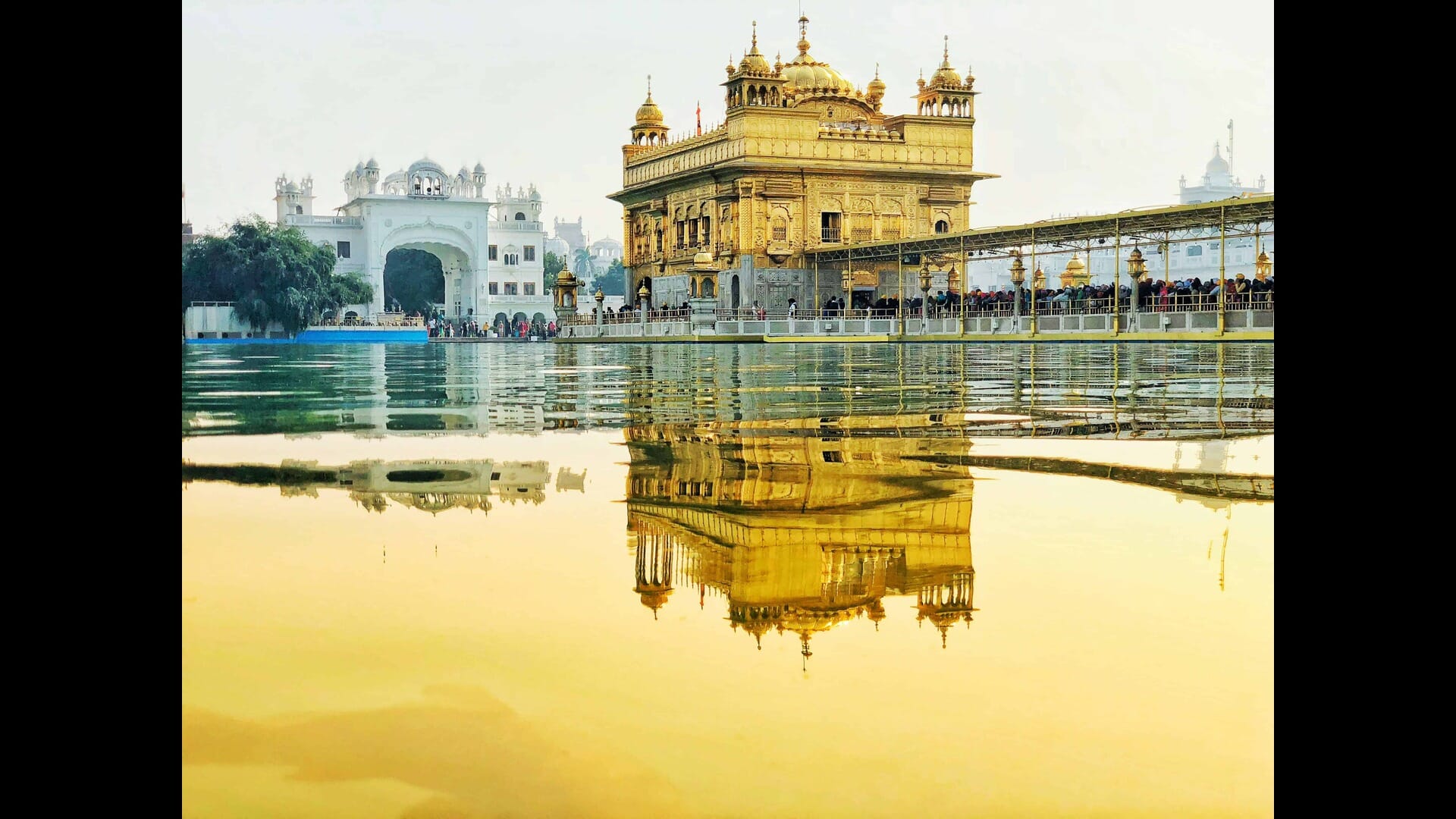
Gurudwaras are the spiritual centers of the Sikh community, where people gather for prayers, community service, and langar (community meals). The Golden Temple in Amritsar, one of the most revered Gurudwaras, attracts millions of pilgrims and tourists each year. Its stunning architecture and serene atmosphere make it a must-visit destination.
The Philosophy of Sikhism
Sikhism teaches the importance of living a truthful life, serving humanity, and recognizing the oneness of God. The teachings of Guru Nanak, the founder of Sikhism, emphasize compassion, humility, and selfless service, values that resonate deeply within Punjabi culture.
Heritage Sites to Explore in Punjab
Punjab is dotted with numerous heritage sites that reflect its historical and cultural significance. Exploring these sites offers a glimpse into the region's rich past and architectural marvels.
The Golden Temple, Amritsar
The Golden Temple, also known as Harmandir Sahib, is the holiest Gurudwara for Sikhs. Its stunning gold-plated dome and serene water surrounding it create a mesmerizing sight. Visitors can participate in the daily prayers, explore the museum, and enjoy the langar, which serves thousands of people daily.
Jallianwala Bagh, Amritsar
Jallianwala Bagh is a historical park that commemorates the tragic massacre of 1919, where British troops opened fire on a peaceful gathering. The site serves as a poignant reminder of the struggle for independence and is a must-visit for history enthusiasts.
Qila Mubarak, Patiala
Qila Mubarak is a magnificent fort complex in Patiala, showcasing the grandeur of the erstwhile Patiala State. The intricate architecture, beautiful gardens, and historical significance make it a fascinating destination for travelers.
The Warmth of Punjabi Hospitality
One of the most endearing aspects of Punjabi culture is its hospitality. Visitors to Punjab are often welcomed with open arms, and the warmth of the people leaves a lasting impression. Whether you are invited to a local home for a meal or greeted at a market, the genuine kindness of Punjabis is a hallmark of the region.
Experiencing Local Life
To truly immerse yourself in Punjabi culture, consider participating in local activities. Join a cooking class to learn the secrets of Punjabi cuisine, attend a folk dance workshop, or visit a rural village to experience the traditional way of life. Engaging with locals will enrich your understanding of the culture and create unforgettable memories.
Conclusion: A Journey Through Punjab’s Cultural Heritage
Exploring the rich cultural heritage of Punjab is an enriching experience that offers insights into the region's history, traditions, and artistic expressions. From the vibrant festivals and delectable cuisine to the soulful music and warm hospitality, Punjab is a land that captivates the heart and soul of every traveler.
As you embark on your journey through this remarkable region, take the time to connect with the people, savor the flavors, and immerse yourself in the vibrant culture that defines Punjab. Whether you are a history enthusiast, a food lover, or someone seeking spiritual enlightenment, Punjab has something to offer everyone.
So pack your bags, set out on an adventure, and discover the rich cultural heritage of Punjab—where every corner tells a story, and every experience is a celebration of life.