
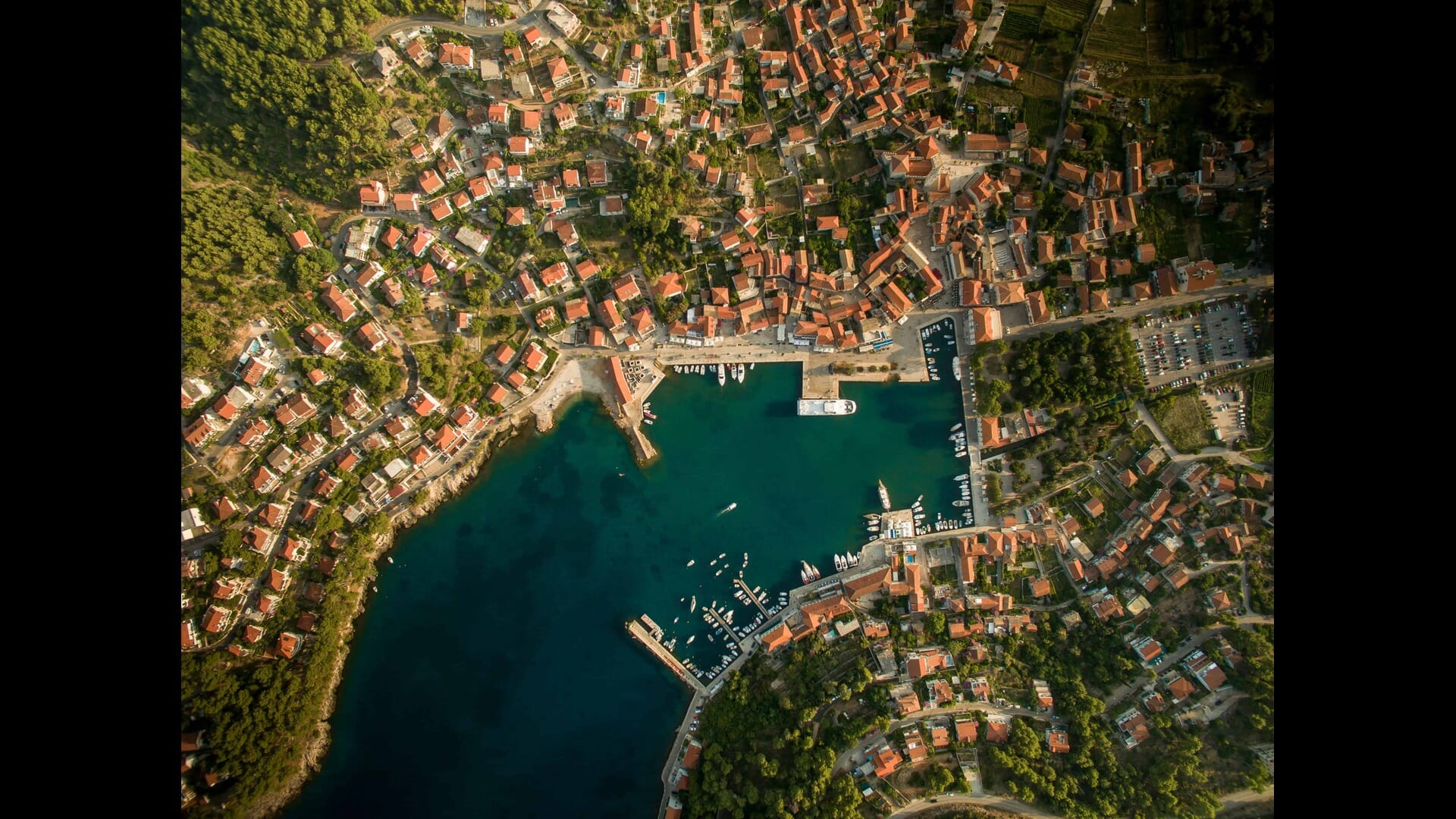
Exploring the Olive Groves of the Dalmatian Coast
Exploring the Olive Groves of the Dalmatian Coast
The Dalmatian Coast, a gem of the Adriatic Sea, is not only known for its stunning beaches and historic towns but also for its lush olive groves that stretch across the landscape like a verdant tapestry. This article takes you on an immersive journey through the olive groves of the Dalmatian Coast, exploring their rich history, the art of olive oil production, and the culinary delights that come from these ancient trees.
The Rich History of Olive Cultivation in Croatia
The cultivation of olives in Croatia dates back thousands of years, with evidence suggesting that the Greeks and Romans were among the first to plant olive trees along the Dalmatian Coast. The region's Mediterranean climate, characterized by hot, dry summers and mild, wet winters, creates the perfect conditions for olive growth. Today, Croatia is home to over 100 different olive varieties, each with its unique flavor profile and characteristics.
The historical significance of olive cultivation is deeply rooted in Croatian culture. Olive oil has been a staple in the Mediterranean diet for centuries, revered not only for its culinary uses but also for its health benefits. The ancient Greeks considered olive oil a gift from the gods, using it in religious ceremonies, athletic competitions, and as a source of nourishment.
Discovering the Best Olive Oils in Dalmatia
When exploring the olive groves of the Dalmatian Coast, one cannot overlook the opportunity to taste some of the finest olive oils in the world. The region is known for its high-quality extra virgin olive oil, which is often produced using traditional methods passed down through generations.
Visiting Local Olive Oil Producers
A visit to local olive oil producers is a must for any traveler. Many family-owned farms offer tours that take you through their groves, explaining the cultivation process and the different varieties of olives they grow. You’ll learn about the meticulous care that goes into each tree and the harvesting process, which often involves hand-picking the olives to ensure the highest quality.
After the tour, guests are typically invited to partake in an olive oil tasting, where you can sample various oils paired with fresh bread, cheeses, and local wines. The experience is not only delicious but also educational, as you learn to identify the subtle differences in flavor, aroma, and texture among different oils.
The Art of Olive Oil Production
The process of turning olives into oil is an art form that has been perfected over centuries. After harvesting, the olives are washed and crushed into a paste, which is then pressed to extract the oil. The best oils are cold-pressed, meaning they are extracted without the use of heat, preserving the natural flavors and health benefits of the olives.
In Dalmatia, you’ll find a variety of olive oils, ranging from robust and peppery to mild and fruity. Each oil reflects the unique terroir of the region, influenced by the soil, climate, and the specific olive varieties used. Some of the most renowned varieties include the indigenous Oblica, Leccino, and Buza olives.
The Scenic Beauty of Dalmatian Olive Groves
The olive groves of the Dalmatian Coast are not just about the olives; they are also a feast for the eyes. The landscape is dotted with ancient trees, some of which are over a thousand years old, their gnarled trunks and silvery leaves creating a picturesque scene against the backdrop of the Adriatic Sea.
Hiking Through the Olive Groves
For those who love outdoor activities, hiking through the olive groves offers a unique way to experience the beauty of the region. Many trails wind through the groves, providing stunning views of the coastline and the surrounding islands. As you walk, you’ll encounter charming stone walls, rustic farmhouses, and perhaps even a friendly local farmer tending to their trees.
Photography Opportunities
The interplay of light and shadow among the olive trees creates a magical atmosphere, making it a photographer’s paradise. Early morning or late afternoon is the best time to capture the beauty of the groves, as the golden light enhances the colors of the landscape. Whether you’re an amateur or a professional photographer, you’ll find endless opportunities to capture the essence of the Dalmatian Coast.
Culinary Delights of Dalmatian Cuisine
No exploration of the olive groves would be complete without indulging in the culinary delights of Dalmatian cuisine. Olive oil is a fundamental ingredient in many traditional dishes, adding depth and flavor to everything from fresh salads to grilled seafood.
Traditional Dishes Featuring Olive Oil
Some must-try dishes include:
- Peka: A traditional dish made with meat and vegetables, slow-cooked under a bell-shaped lid, often drizzled with high-quality olive oil before serving.
- Soparnik: A savory pie filled with Swiss chard and onions, brushed with olive oil and baked to perfection.
- Grilled Fish: Fresh catch from the Adriatic, grilled and served with a drizzle of olive oil and a squeeze of lemon.
Olive Oil in Dalmatian Desserts
Olive oil isn’t just for savory dishes; it also plays a role in traditional desserts. One popular treat is olive oil cake, a moist and flavorful cake that showcases the oil’s rich taste. Pair it with a glass of local wine for a delightful end to your meal.
Sustainable Farming Practices in Dalmatia
As the world becomes more conscious of sustainable practices, many olive growers in Dalmatia are adopting eco-friendly methods to cultivate their crops. This not only benefits the environment but also enhances the quality of the olive oil produced.
Organic Olive Farming
Organic farming practices are becoming increasingly popular among olive growers in Dalmatia. This involves avoiding synthetic pesticides and fertilizers, instead opting for natural alternatives that promote soil health and biodiversity. Many producers are certified organic, ensuring that their oils meet strict standards for quality and sustainability.
Biodiversity and Conservation
The preservation of traditional olive varieties is also a key focus for many farmers. By maintaining a diverse range of olives, growers can protect against diseases and pests while also contributing to the region’s agricultural heritage. This commitment to biodiversity helps ensure that future generations can continue to enjoy the unique flavors of Dalmatian olive oil.
Cultural Heritage of Olive Growing in Dalmatia
The olive groves of the Dalmatian Coast are not just agricultural sites; they are also a vital part of the region’s cultural heritage. The traditions and practices surrounding olive cultivation have been passed down through generations, creating a deep connection between the land and its people.
Festivals Celebrating Olive Oil
Throughout the year, various festivals celebrate the olive harvest and the art of olive oil production. These events often feature tastings, cooking demonstrations, and cultural performances, providing visitors with a chance to immerse themselves in the local culture.
The Role of Olive Oil in Local Traditions
Olive oil holds a special place in Croatian traditions. It is often used in religious ceremonies, family gatherings, and celebrations. The act of sharing a meal drizzled with high-quality olive oil is seen as a gesture of hospitality and love.
Tips for Visiting the Olive Groves of Dalmatia
If you’re planning a trip to explore the olive groves of the Dalmatian Coast, here are some tips to enhance your experience:
Best Time to Visit
The ideal time to visit the olive groves is during the harvest season, which typically runs from late September to early November. This is when you can witness the harvesting process and participate in olive oil tastings at their freshest.
Guided Tours vs. Self-Exploration
While self-exploration can be rewarding, consider joining a guided tour for a more in-depth experience. Local guides can provide valuable insights into the history and cultivation of olives, as well as recommend the best places to visit.
Respect Local Customs
When visiting olive groves and farms, it’s essential to respect local customs and practices. Always ask for permission before entering private properties, and be mindful of the environment by not littering or disturbing the trees.
Conclusion: A Journey to Remember
Exploring the olive groves of the Dalmatian Coast is a journey that engages all the senses. From the rich history and stunning landscapes to the exquisite flavors of olive oil and traditional dishes, this experience offers a unique glimpse into the heart of Croatian culture. Whether you’re a foodie, a history buff, or simply seeking natural beauty, the olive groves of Dalmatia promise an unforgettable adventure.
As you wander through the ancient trees, savor the local cuisine, and connect with the passionate farmers who tend to these groves, you’ll come to appreciate the profound significance of olives in this enchanting region. So pack your bags, grab your camera, and get ready to embark on a journey through the olive groves of the Dalmatian Coast!