
Exploring Norway's Coastal Towns: Art, Culture, and Cuisine
Exploring Norway's Coastal Towns: Art, Culture, and Cuisine
Norway, a land of breathtaking fjords, towering mountains, and a rugged coastline, is a treasure trove of cultural experiences waiting to be uncovered. Its coastal towns, each with their own unique charm and character, offer a delightful blend of art, culture, and cuisine that reflects the rich heritage of this Scandinavian gem.
In this article, we will embark on a journey through some of Norway's most captivating coastal towns, exploring their artistic expressions, cultural significance, and culinary delights.
1. Introduction to Norway's Coastal Towns
Norway’s coastline stretches over 25,000 kilometers, dotted with picturesque towns that have thrived for centuries. From the vibrant streets of Bergen to the serene beauty of Lofoten, these towns are not just gateways to stunning landscapes but also hubs of creativity and tradition. As we delve into the heart of these coastal communities, we will discover how art, culture, and cuisine intertwine to create a unique Norwegian identity.
2. The Artistic Heritage of Norway's Coastal Towns
2.1. The Influence of Nature on Norwegian Art
Norwegian artists have long been inspired by the dramatic landscapes that surround them. The interplay of light and shadow, the vibrant colors of the sea and sky, and the ever-changing seasons have all played a significant role in shaping the artistic expression found in coastal towns. From the iconic works of Edvard Munch to contemporary installations, nature remains a central theme in Norwegian art.
2.2. Local Galleries and Art Exhibitions
Visiting local galleries is a must when exploring Norway's coastal towns. In towns like Ålesund, you can find the Jugendstilsenteret, a museum dedicated to the Art Nouveau movement that flourished in the early 20th century. Here, visitors can admire stunning architecture and artworks that reflect the town's rich artistic heritage. Similarly, the Nordnorsk Kunstmuseum in Tromsø showcases contemporary art from the northern regions, providing insight into the evolving art scene.
2.3. Street Art and Public Installations
In addition to traditional galleries, many coastal towns have embraced street art as a form of expression. The vibrant murals in Stavanger, for instance, celebrate the town's maritime history and cultural diversity. Public installations, such as the iconic “The Scream” sculpture in Oslo, also contribute to the artistic landscape, inviting both locals and tourists to engage with art in their everyday lives.
3. Cultural Festivals Celebrating Norwegian Heritage
3.1. The Bergen International Festival
One of the most significant cultural events in Norway is the Bergen International Festival, held annually in May and June. This festival showcases a diverse range of performances, including music, dance, and theater, attracting artists from around the world. The festival not only highlights local talent but also fosters cultural exchange, making it a must-visit for anyone interested in Norway's vibrant arts scene.
3.2. The Lofoten International Chamber Music Festival
Set against the stunning backdrop of the Lofoten Islands, this festival brings together renowned musicians for a week of captivating performances. The combination of breathtaking scenery and world-class music creates an unforgettable experience, allowing visitors to immerse themselves in both the natural beauty and cultural richness of the region.
3.3. Coastal Towns and Their Unique Traditions
Each coastal town in Norway has its own unique traditions and festivals that reflect its cultural heritage. For example, the town of Haugesund hosts the Viking Festival, where visitors can experience Viking culture through reenactments, crafts, and traditional food. These festivals provide a glimpse into the history and customs that have shaped these communities over the centuries.
4. Culinary Delights of Norway's Coastal Towns
4.1. The Freshness of Seafood
Norway's coastal towns are renowned for their fresh seafood, thanks to the country's extensive fishing industry. From succulent cod to delicate shrimp, the flavors of the sea are prominent in Norwegian cuisine. In towns like Bergen, the Fish Market is a bustling hub where visitors can sample local delicacies and purchase fresh catches directly from fishermen.
4.2. Traditional Dishes to Try
When exploring Norway's coastal towns, be sure to indulge in traditional dishes that showcase the country's culinary heritage. Some must-try dishes include:
- Raspeballer: Potato dumplings often served with meat or fish.
- Klippfisk: Dried and salted cod, a staple in many coastal communities.
- Fårikål: A hearty lamb and cabbage stew, perfect for colder months.
4.3. Innovative Culinary Experiences
In addition to traditional fare, many coastal towns are home to innovative restaurants that blend local ingredients with modern culinary techniques. For instance, in Tromsø, you can find restaurants that focus on farm-to-table dining, showcasing seasonal produce and sustainably sourced seafood. These establishments not only highlight the flavors of Norway but also emphasize the importance of sustainability in the culinary world.
5. The Architectural Charm of Coastal Towns
5.1. Historic Buildings and Landmarks
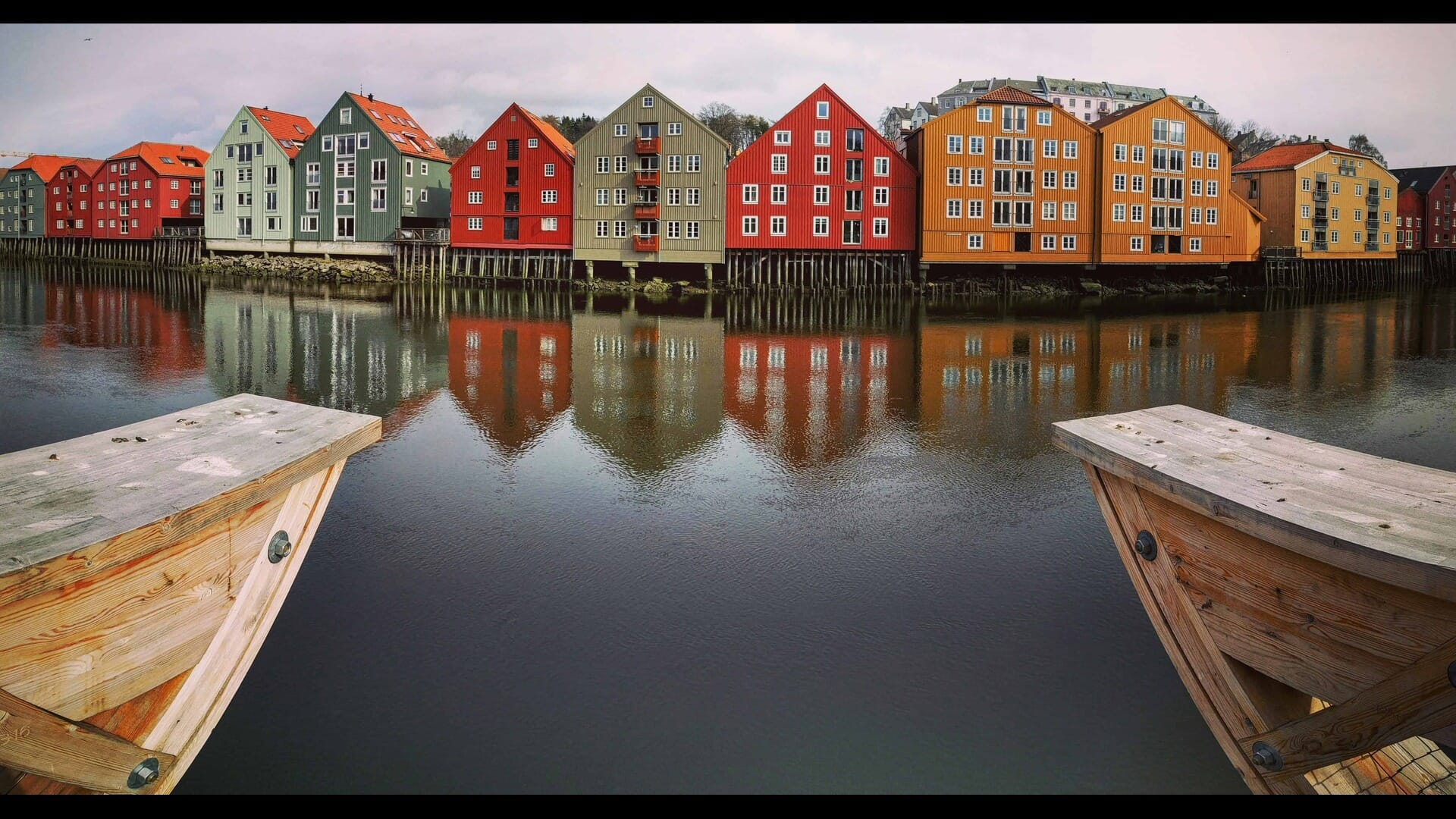
The architectural landscape of Norway's coastal towns is a testament to their rich history. From the colorful wooden houses of Bryggen in Bergen to the charming fishing cabins of Lofoten, each building tells a story of the town's past. Exploring these historic sites provides a deeper understanding of the cultural influences that have shaped the region.
5.2. Modern Architecture and Design
While Norway's coastal towns are steeped in history, they also embrace modern architecture and design. The stunning Opera House in Oslo, with its sleek lines and innovative design, is a prime example of contemporary architecture that harmonizes with the surrounding landscape. Similarly, the new cultural center in Ålesund showcases cutting-edge design while paying homage to the town's Art Nouveau heritage.
5.3. Preserving Cultural Heritage Through Architecture
Efforts to preserve cultural heritage are evident in many coastal towns, where restoration projects aim to maintain the integrity of historic buildings. The preservation of traditional fishing cabins and warehouses not only enhances the aesthetic appeal of these towns but also serves as a reminder of their maritime roots.
6. Outdoor Adventures in Norway's Coastal Towns
6.1. Hiking and Nature Trails
Norway's coastal towns are surrounded by stunning natural landscapes, offering endless opportunities for outdoor adventures. Hiking trails in places like Lofoten and the fjords provide breathtaking views of the coastline and surrounding mountains. Whether you're a seasoned hiker or a casual walker, there are trails suitable for all levels of experience.
6.2. Water Sports and Activities
For those seeking a thrill, Norway's coastal waters offer a variety of water sports, including kayaking, sailing, and fishing. The calm fjords are perfect for kayaking, allowing you to explore hidden coves and spot wildlife along the way. Fishing enthusiasts can join local charters for a chance to catch some of the freshest seafood in the world.
6.3. Wildlife Watching
The coastal waters of Norway are teeming with wildlife, making it a prime destination for nature lovers. From puffins and sea eagles to whales and seals, there are countless opportunities to observe these magnificent creatures in their natural habitat. Guided tours are available in many towns, providing expert insights into the local ecosystem.
7. The Warmth of Norwegian Hospitality
7.1. Staying in Coastal Towns
Accommodations in Norway's coastal towns range from charming guesthouses to luxurious hotels. Many towns offer unique lodging experiences, such as staying in a traditional rorbu (fishing cabin) in Lofoten or a boutique hotel overlooking the fjords. Regardless of where you choose to stay, you can expect warm hospitality and a welcoming atmosphere.
7.2. Engaging with Locals
One of the highlights of exploring Norway's coastal towns is the opportunity to engage with locals. Many towns have community events and markets where visitors can interact with residents, learn about their traditions, and even participate in local activities. This connection to the community adds a personal touch to your travel experience.
7.3. The Importance of Community
Community plays a vital role in the identity of Norway's coastal towns. Local organizations and initiatives often work to preserve cultural heritage and promote sustainable tourism. By supporting these efforts, visitors can contribute to the well-being of the communities they visit, ensuring that their unique traditions and way of life continue for generations to come.
8. Sustainable Tourism in Norway's Coastal Towns
8.1. The Impact of Tourism on Coastal Communities
As tourism continues to grow in Norway, many coastal towns are prioritizing sustainable practices to protect their natural and cultural resources. This includes promoting eco-friendly accommodations, supporting local businesses, and encouraging responsible travel behaviors among visitors.
8.2. Eco-Friendly Activities and Experiences
Visitors can engage in eco-friendly activities that minimize their impact on the environment. For example, choosing to hike or bike instead of driving, participating in beach clean-up events, or supporting local artisans and farmers can all contribute to sustainable tourism efforts.
8.3. The Future of Sustainable Tourism in Norway
The future of tourism in Norway's coastal towns lies in finding a balance between economic growth and environmental conservation. By embracing sustainable practices, these communities can continue to thrive while preserving the natural beauty and cultural heritage that make them so special.
9. Planning Your Trip to Norway's Coastal Towns
9.1. Best Time to Visit
The best time to visit Norway's coastal towns depends on your interests. Summer months (June to August) offer long days and pleasant weather, ideal for outdoor activities and festivals. Winter (December to February) brings a magical atmosphere, with opportunities for winter sports and the chance to witness the Northern Lights.
9.2. Getting Around Norway's Coastal Towns
Traveling between coastal towns can be done by car, bus, or ferry. The scenic coastal roads provide breathtaking views, while ferries offer a unique perspective of the fjords and islands. Public transportation is also reliable, making it easy to explore multiple towns during your visit.
9.3. Essential Tips for Travelers
- Pack for the Weather: Norway's weather can be unpredictable, so it's essential to pack layers and waterproof gear.
- Learn Basic Norwegian Phrases: While many Norwegians speak English, learning a few basic phrases can enhance your interactions with locals.
- Respect Nature and Culture: Be mindful of your surroundings and follow local guidelines to preserve the natural beauty and cultural heritage of the towns you visit.
10. Conclusion: Embrace the Magic of Norway's Coastal Towns
Exploring Norway's coastal towns is an enriching experience that offers a unique blend of art, culture, and cuisine. From the stunning landscapes to the warm hospitality of locals, each town has its own story to tell. Whether you're indulging in fresh seafood, admiring local art, or participating in cultural festivals, the memories you create will last a lifetime. So pack your bags, set your sights on the Norwegian coast, and prepare for an adventure that will awaken your senses and inspire your spirit.
In conclusion, Norway's coastal towns are not just destinations; they are vibrant communities filled with creativity, tradition, and culinary delights. By immersing yourself in their art, culture, and cuisine, you will gain a deeper appreciation for this remarkable country and its people.