
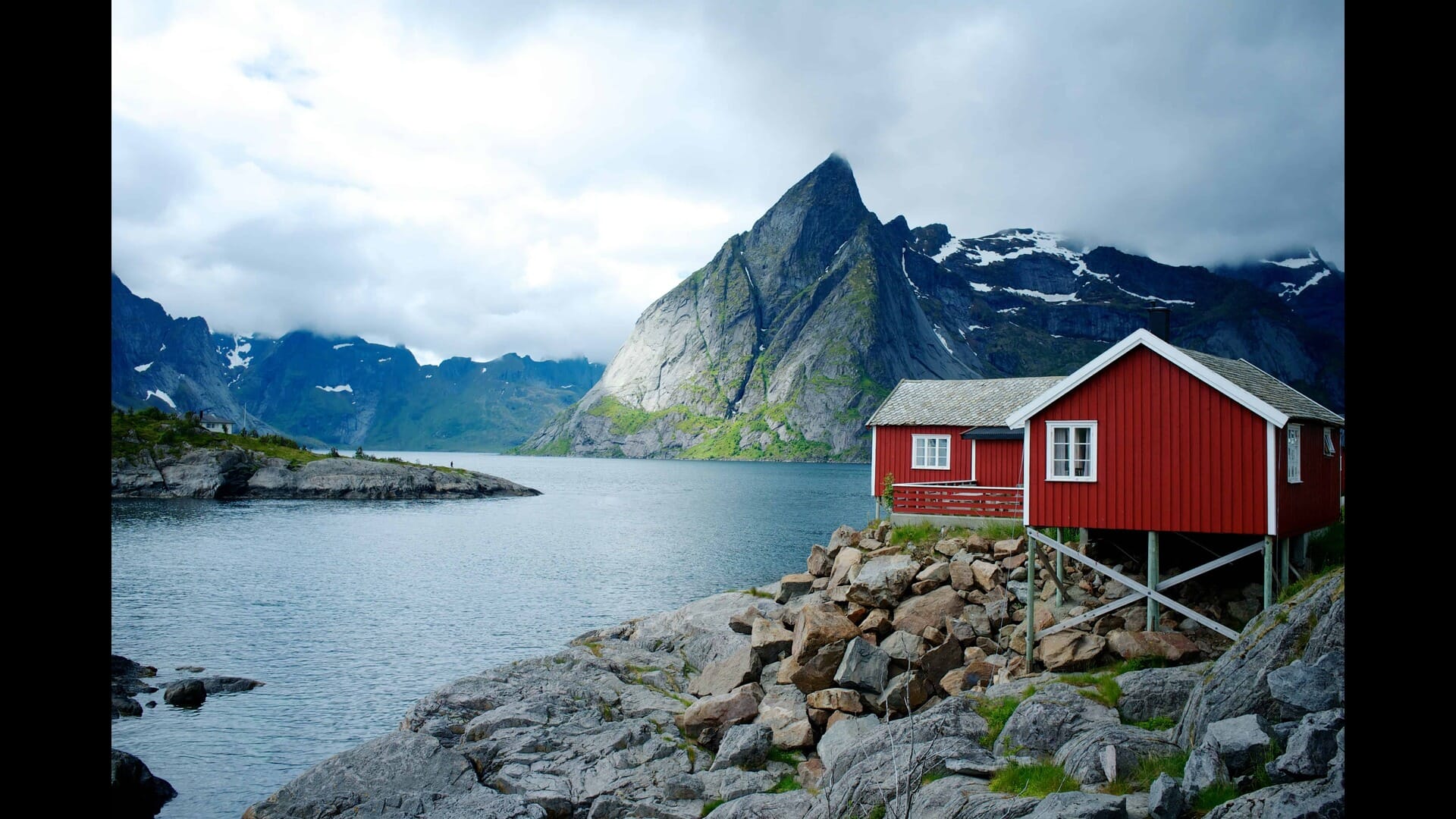
Exploring Norway's Architectural Marvels: From Old to New
Exploring Norway's Architectural Marvels: From Old to New
Norway, a land of breathtaking fjords, majestic mountains, and vibrant cities, is also a treasure trove of architectural wonders. From the ancient stave churches that dot the countryside to the sleek, modern designs of Oslo's skyline, Norway's architecture tells a story of its rich history, cultural heritage, and innovative spirit.
In this comprehensive guide, we will embark on a journey through Norway's architectural marvels, exploring the old and the new, the traditional and the contemporary, and everything in between.
The Allure of Norwegian Architecture: A Brief Overview
Norwegian architecture is a reflection of the country's diverse landscapes and cultural influences. It encompasses a wide range of styles, from the rustic charm of traditional wooden structures to the cutting-edge designs of modern architects. The interplay between nature and architecture is a defining characteristic of Norway's built environment, with many structures designed to harmonize with their surroundings.
The Historical Context of Norwegian Architecture
To understand the architectural landscape of Norway, it is essential to delve into its history. The country's architecture has evolved over centuries, influenced by various factors, including geography, climate, and cultural exchanges with neighboring countries. The Viking Age, the influence of Christianity, and the Renaissance period all played significant roles in shaping Norway's architectural identity.
Traditional Norwegian Architecture: Stave Churches and Farmhouses
One of the most iconic examples of traditional Norwegian architecture is the stave church. These wooden structures, characterized by their unique post-and-beam construction, date back to the 12th and 13th centuries. With their intricate carvings and steeply pitched roofs, stave churches are a testament to the craftsmanship of the time. Notable examples include the Borgund Stave Church and the Urnes Stave Church, both of which are UNESCO World Heritage Sites.
In addition to stave churches, traditional Norwegian farmhouses, known as 'stabbur,' showcase the country's rural architectural heritage. These wooden buildings, often elevated on stilts, were designed for storage and protection against the harsh Norwegian winters.
The Evolution of Urban Architecture in Norway
As Norway transitioned from a predominantly agrarian society to an urbanized nation, its architectural landscape began to change. The 19th century saw the rise of neoclassical and romantic styles, particularly in cities like Oslo and Bergen. This period marked the construction of grand public buildings, such as the National Theatre in Oslo and the Bergenhus Fortress in Bergen.
Oslo: A City of Architectural Contrasts
Oslo, the capital of Norway, is a city that beautifully illustrates the contrast between old and new architecture. The city's skyline is a blend of historic buildings and contemporary designs, creating a dynamic urban environment.
The Royal Palace: A Symbol of Norwegian Heritage
The Royal Palace, located in the heart of Oslo, is a stunning example of neoclassical architecture. Built in the early 19th century, the palace serves as the official residence of the Norwegian monarch. Its grand façade, expansive gardens, and historical significance make it a must-visit for anyone exploring Norway's architectural heritage.
The Oslo Opera House: A Modern Marvel
In stark contrast to the Royal Palace, the Oslo Opera House, completed in 2007, is a modern architectural masterpiece. Designed by the Norwegian firm Snøhetta, the building features a striking white marble exterior that appears to rise from the fjord. Visitors can walk on the roof, enjoying panoramic views of the city and the surrounding landscape.
Bergen: A City Steeped in History
Bergen, known as the gateway to the fjords, is another city rich in architectural heritage. The historic Bryggen Wharf, a UNESCO World Heritage Site, is a prime example of Hanseatic architecture. The colorful wooden buildings that line the waterfront date back to the 14th century and are a testament to Bergen's importance as a trading hub.
The Fish Market: A Blend of Tradition and Modernity
Adjacent to Bryggen, the Bergen Fish Market is a lively hub where locals and tourists alike gather to sample fresh seafood. The market's design seamlessly blends traditional elements with modern touches, creating an inviting atmosphere that reflects Bergen's maritime heritage.
Contemporary Architecture in Norway: Innovation Meets Nature
Norway's architectural scene is not solely defined by its historical structures; it is also home to a wealth of contemporary designs that push the boundaries of creativity. Norwegian architects are known for their innovative approaches, often drawing inspiration from the country's stunning natural landscapes.
The Barcode Project: A New Urban Landmark
One of the most ambitious architectural projects in Oslo is the Barcode Project, a series of high-rise buildings that redefine the city's skyline. Designed by various architects, the project features a mix of residential, commercial, and cultural spaces, all characterized by their unique façades and innovative designs. The Barcode Project exemplifies Norway's commitment to sustainable urban development and modern living.
The Twist: A Bridge Between Art and Nature
Located in the Kistefos Museum, The Twist is a remarkable art gallery designed by the renowned architectural firm Bjarke Ingels Group. This twisting structure spans a river and offers visitors a unique experience as they move through the gallery, surrounded by stunning views of the surrounding forest. The Twist is a perfect example of how contemporary architecture can harmonize with nature.
Architectural Tours in Norway: Discovering the Best of Both Worlds
For those eager to explore Norway's architectural marvels, several guided tours offer an in-depth look at the country's rich architectural heritage. These tours often include visits to both historic sites and contemporary landmarks, providing a comprehensive understanding of Norway's architectural evolution.
The Oslo Architectural Tour: A Journey Through Time
The Oslo Architectural Tour takes visitors on a journey through the city's architectural history, showcasing iconic buildings and hidden gems alike. From the neoclassical grandeur of the National Gallery to the modern elegance of the Astrup Fearnley Museum, this tour highlights the diverse styles that define Oslo's urban landscape.
Bergen's Architectural Walk: A Cultural Exploration
Bergen's Architectural Walk invites participants to explore the city's rich history through its buildings. The tour includes visits to Bryggen, the Fish Market, and the stunning St. Mary's Church, offering insights into the architectural styles that have shaped the city over the centuries.
The Role of Sustainability in Norwegian Architecture
As global awareness of environmental issues grows, sustainability has become a key focus in Norwegian architecture. Many contemporary architects are committed to creating buildings that minimize their environmental impact while enhancing the quality of life for their inhabitants.
Green Roofs and Sustainable Materials
In cities like Oslo, green roofs have become increasingly popular as a way to improve air quality and reduce energy consumption. These living roofs not only provide insulation but also create green spaces in urban environments. Additionally, architects are increasingly using sustainable materials, such as locally sourced timber, to reduce the carbon footprint of their projects.
The Future of Norwegian Architecture
Looking ahead, the future of Norwegian architecture appears bright. With a strong emphasis on sustainability, innovation, and cultural heritage, architects in Norway are poised to continue creating remarkable structures that reflect the country's unique identity. As urbanization continues to shape the landscape, the challenge will be to balance modern needs with the preservation of Norway's architectural legacy.
Conclusion: A Journey Worth Taking
Exploring Norway's architectural marvels is a journey that offers a glimpse into the country's rich history and innovative spirit. From the ancient stave churches that stand as symbols of Norway's past to the contemporary designs that push the boundaries of creativity, Norway's architecture is a testament to the harmonious relationship between nature and human ingenuity. Whether you're wandering the streets of Oslo, marveling at the historic buildings of Bergen, or venturing into the countryside to discover hidden gems, Norway's architectural wonders are sure to leave a lasting impression.
As you embark on your own exploration of Norway's architectural landscape, take the time to appreciate the stories behind each structure, the craftsmanship that went into their creation, and the cultural significance they hold. Norway's architectural marvels are not just buildings; they are a reflection of the nation's identity, its values, and its aspirations for the future.