

Exploring Mexico’s Wildlife: A Guide to Biodiversity
Exploring Mexico’s Wildlife: A Guide to Biodiversity
Mexico is a country renowned for its vibrant culture, rich history, and stunning landscapes. However, beneath its picturesque exterior lies a treasure trove of biodiversity waiting to be explored. From the arid deserts of the north to the lush jungles of the south, Mexico is home to an astonishing variety of wildlife, making it a paradise for nature enthusiasts and wildlife watchers alike.
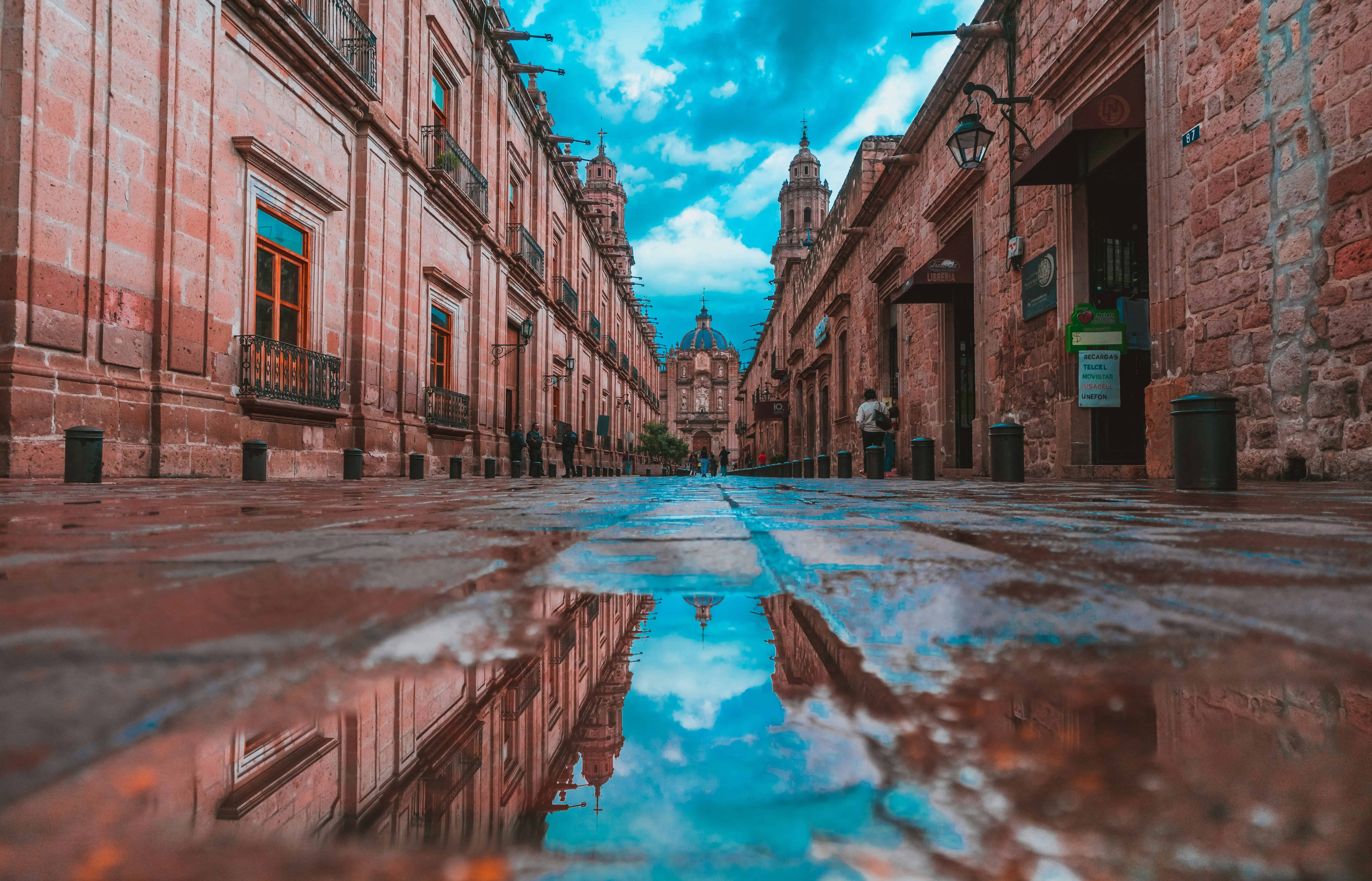
In this comprehensive guide, we will delve into the diverse ecosystems, unique species, and conservation efforts that define Mexico's wildlife landscape.
The Importance of Biodiversity in Mexico
Biodiversity refers to the variety of life found on Earth, encompassing the diversity of species, ecosystems, and genetic variations. Mexico is one of the most biodiverse countries in the world, ranking fourth in terms of overall species richness. With over 200,000 species of plants and animals, including numerous endemic species that can only be found within its borders, Mexico's biodiversity is crucial for maintaining ecological balance and supporting human life.
Long-Tail Keyword: Importance of biodiversity in Mexico
The importance of biodiversity in Mexico cannot be overstated. It plays a vital role in ecosystem services, such as pollination, water purification, and climate regulation. Additionally, biodiversity contributes to the economy through tourism, agriculture, and pharmaceuticals. Protecting Mexico's rich biodiversity is essential for the well-being of both the environment and its inhabitants.
Mexico’s Diverse Ecosystems: A Closer Look
Mexico's diverse ecosystems are a result of its varied geography, climate, and topography. The country boasts a wide range of habitats, including tropical rainforests, deserts, mountains, and coastal regions. Each ecosystem supports unique flora and fauna, making it a hotspot for biodiversity.
Long-Tail Keyword: Overview of ecosystems in Mexico
Tropical Rainforests: Located primarily in the southern region of Mexico, these lush forests are teeming with life. The Selva Lacandona and the Calakmul Biosphere Reserve are two notable areas where you can find a rich array of species, including jaguars, howler monkeys, and countless bird species.
Deserts: The Sonoran and Chihuahuan Deserts are characterized by their arid landscapes and unique adaptations of flora and fauna. Here, you can find the iconic saguaro cactus, roadrunners, and desert tortoises.
Coastal Regions: Mexico's coastlines are home to diverse marine life, including coral reefs, sea turtles, and dolphins. The Mesoamerican Barrier Reef, the second-largest coral reef system in the world, is a prime location for snorkeling and diving.
Mountain Ranges: The Sierra Madre mountain ranges are home to unique ecosystems that vary with altitude. These mountains provide habitats for species such as the Mexican gray wolf and the endangered California condor.
Wetlands: The coastal wetlands of Mexico are crucial for migratory birds and other wildlife. The Celestún Biosphere Reserve is a prime example, where you can see flocks of flamingos and other bird species.
Iconic Wildlife Species of Mexico
Mexico is home to a plethora of iconic wildlife species that capture the imagination of nature lovers and wildlife photographers. Here are some of the most notable species you can encounter while exploring Mexico's diverse ecosystems.
Long-Tail Keyword: Iconic wildlife species in Mexico
Jaguar: As the largest cat in the Americas, the jaguar is a symbol of strength and power. These elusive creatures can be found in the tropical rainforests of the Yucatán Peninsula and the Lacandon Jungle.
Mexican Gray Wolf: Once on the brink of extinction, the Mexican gray wolf is a subspecies of the gray wolf that has made a remarkable comeback due to conservation efforts. They can be found in the forests of the Sierra Madre.
Monarch Butterfly: Every year, millions of monarch butterflies migrate from North America to the oyamel fir forests of Michoacán. The Monarch Butterfly Biosphere Reserve is a UNESCO World Heritage site that protects their wintering grounds.
Axolotl: This unique amphibian, also known as the Mexican walking fish, is famous for its regenerative abilities. Native to the lakes of Xochimilco, the axolotl is critically endangered due to habitat loss.
Green Sea Turtle: These magnificent creatures can be spotted along Mexico's coasts, particularly in the waters surrounding the Riviera Maya. Conservation programs are in place to protect their nesting sites.
Endangered Species and Conservation Efforts in Mexico
Despite its rich biodiversity, Mexico faces significant threats to its wildlife. Habitat destruction, climate change, and poaching have led to the decline of many species. However, various conservation efforts are underway to protect and restore these vulnerable populations.
Long-Tail Keyword: Endangered species in Mexico and conservation efforts
Conservation Programs: Organizations like the Mexican government, NGOs, and international bodies work tirelessly to protect endangered species. The Mexican government has established numerous protected areas, including national parks and biosphere reserves, to safeguard habitats.
Community Involvement: Local communities play a crucial role in conservation efforts. Many indigenous groups have traditional knowledge of sustainable practices that can help protect wildlife and their habitats.
Wildlife Corridors: Creating wildlife corridors allows animals to migrate safely between habitats, reducing the risk of inbreeding and increasing genetic diversity. These corridors are essential for species like the jaguar and Mexican gray wolf.
Education and Awareness: Raising awareness about the importance of biodiversity and conservation is vital. Educational programs in schools and communities help foster a sense of responsibility towards protecting wildlife.
Ecotourism: Sustainable tourism practices can provide economic incentives for local communities to protect their natural resources. Ecotourism initiatives that promote wildlife watching can contribute to conservation funding.
Best Places for Wildlife Watching in Mexico
For those eager to experience Mexico's wildlife firsthand, there are several prime locations for wildlife watching. Each destination offers unique opportunities to observe animals in their natural habitats.
Long-Tail Keyword: Best wildlife watching destinations in Mexico
Chiapas: Home to the Lacandon Jungle, Chiapas is a biodiversity hotspot where you can see jaguars, howler monkeys, and a variety of bird species. The Palenque ruins are also nearby, providing a blend of history and nature.
Sierra Gorda Biosphere Reserve: This protected area in Querétaro is known for its diverse ecosystems and wildlife, including the endangered Mexican gray wolf and numerous bird species. Hiking trails and guided tours offer excellent wildlife viewing opportunities.
Baja California: The waters surrounding Baja California are famous for whale watching, particularly during the migration season. Visitors can also explore the unique desert landscapes and spot endemic species like the Baja California rattlesnake.
Yucatán Peninsula: The cenotes and jungles of the Yucatán Peninsula are home to a variety of wildlife, including the elusive jaguar and numerous bird species. The Sian Ka'an Biosphere Reserve offers guided tours for wildlife enthusiasts.
Oaxaca: The diverse landscapes of Oaxaca provide habitats for many species, including the endangered Mexican black bear. The Sierra Norte region offers eco-tourism opportunities with local guides.
Wildlife Photography in Mexico: Tips and Techniques
Capturing the beauty of Mexico's wildlife through photography can be a rewarding experience. Whether you are a seasoned photographer or a beginner, there are several tips and techniques to enhance your wildlife photography skills.
Long-Tail Keyword: Wildlife photography tips in Mexico
Research Your Subjects: Understanding the behavior and habitat of the animals you wish to photograph will increase your chances of capturing stunning images. Researching migration patterns and seasonal changes can help you plan your trips effectively.
Use the Right Equipment: A good camera with a telephoto lens is essential for wildlife photography. A tripod can also help stabilize your shots, especially in low light conditions.
Be Patient: Wildlife photography often requires patience. Spend time observing your subjects and wait for the right moment to capture their behavior.
Respect Wildlife: Always prioritize the well-being of the animals you are photographing. Maintain a safe distance, avoid disturbing their habitats, and follow ethical photography guidelines.
Experiment with Composition: Play with different angles and compositions to create visually striking images. Consider the rule of thirds and leading lines to enhance your photographs.
The Role of Indigenous Communities in Wildlife Conservation
Indigenous communities in Mexico have a deep-rooted connection to the land and its wildlife. Their traditional knowledge and practices play a crucial role in conservation efforts and the sustainable management of natural resources.
Long-Tail Keyword: Indigenous communities and wildlife conservation in Mexico
Traditional Ecological Knowledge: Indigenous peoples possess valuable knowledge about local ecosystems and species. Their understanding of sustainable practices can inform modern conservation strategies.
Cultural Significance of Wildlife: Many indigenous cultures view wildlife as integral to their identity and spirituality. This cultural connection fosters a sense of responsibility towards protecting their natural heritage.
Community-Led Conservation Initiatives: Indigenous communities often lead conservation initiatives that prioritize the protection of their land and resources. These initiatives can be more effective when local knowledge is integrated into conservation planning.
Sustainable Livelihoods: Supporting sustainable livelihoods for indigenous communities can reduce pressure on wildlife and habitats. Eco-tourism and sustainable agriculture are examples of initiatives that benefit both communities and conservation efforts.
Advocacy and Representation: Indigenous voices are essential in conservation discussions. Ensuring that indigenous communities are represented in decision-making processes can lead to more effective and equitable conservation outcomes.
Conclusion: Embracing Mexico’s Wildlife and Biodiversity
Exploring Mexico's wildlife is not just an adventure; it's an opportunity to connect with nature and understand the importance of biodiversity. From the majestic jaguar to the delicate monarch butterfly, each species plays a vital role in the intricate web of life.
Long-Tail Keyword: Embracing biodiversity in Mexico
As travelers and nature enthusiasts, we have a responsibility to protect and preserve these natural wonders for future generations. By supporting conservation efforts, respecting wildlife, and promoting sustainable tourism, we can ensure that Mexico's rich biodiversity continues to thrive.
Whether you're planning a wildlife watching trip, a photography expedition, or simply seeking to learn more about the incredible species that inhabit this beautiful country, Mexico's wildlife offers endless opportunities for exploration and discovery. So pack your bags, grab your camera, and get ready to embark on a journey through one of the world's most biodiverse nations. Your adventure awaits!