
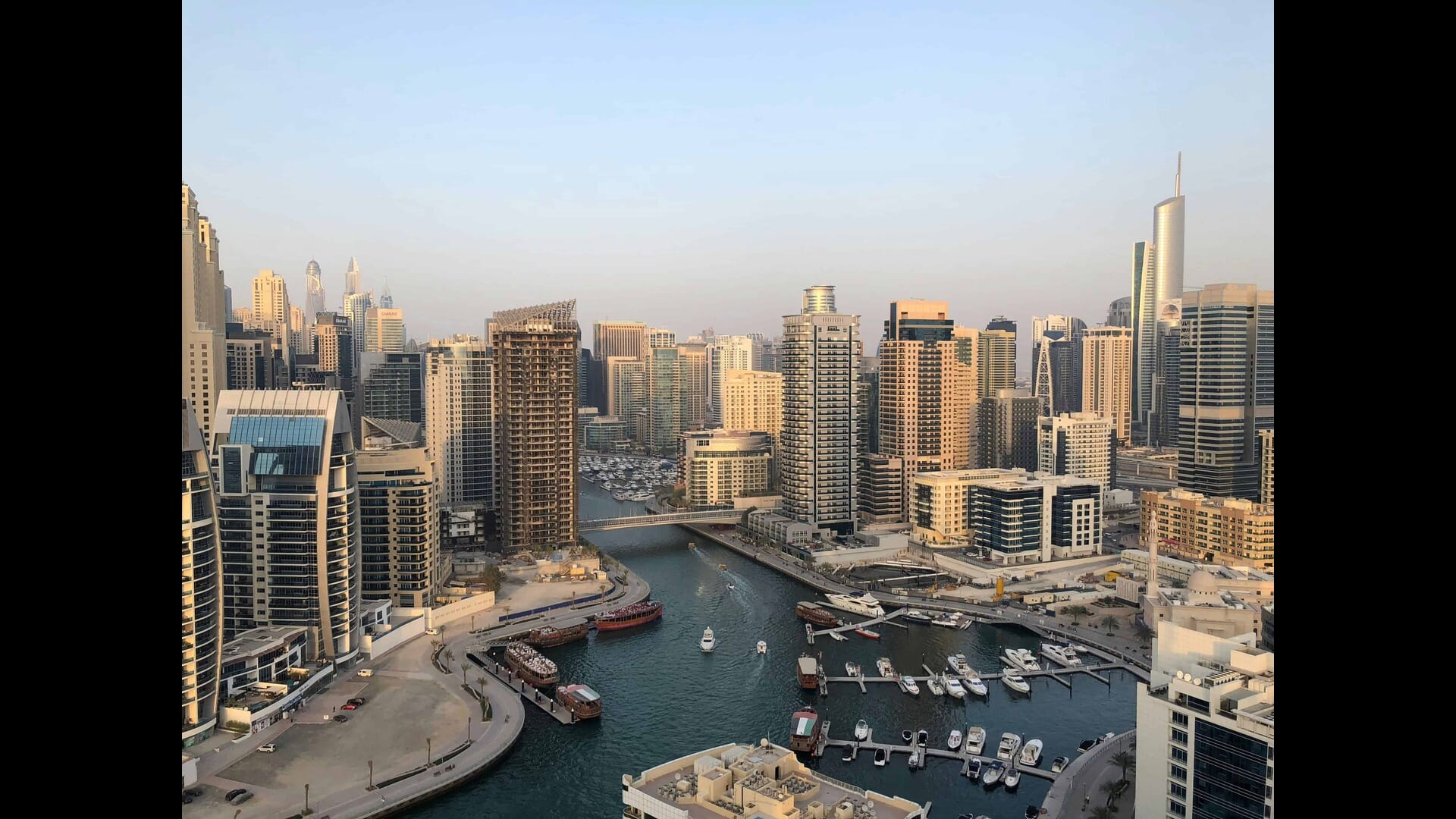
Exploring the Marine Life of the Arabian Gulf
Exploring the Marine Life of the Arabian Gulf
The Arabian Gulf, a shimmering expanse of azure waters bordered by the arid landscapes of the Arabian Peninsula, is home to a vibrant and diverse marine ecosystem. This unique body of water, often overshadowed by its more famous counterparts, offers a treasure trove of underwater wonders waiting to be explored.
From the bustling coral reefs teeming with life to the majestic sea turtles gliding gracefully through the waves, the marine life of the Arabian Gulf is as captivating as it is crucial to the health of our planet.
The Unique Geography of the Arabian Gulf
The Arabian Gulf, also known as the Persian Gulf, stretches approximately 990 kilometers (615 miles) from the Shatt al-Arab river delta in Iraq to the Strait of Hormuz. Its shallow waters, with an average depth of just 50 meters (164 feet), create a warm and inviting environment for a plethora of marine species. The Gulf is bordered by several countries, including Saudi Arabia, the United Arab Emirates, Qatar, Kuwait, Iraq, and Iran, each contributing to the region's rich cultural tapestry and ecological diversity.
The Importance of the Arabian Gulf's Marine Ecosystem
The marine ecosystem of the Arabian Gulf plays a vital role in supporting local economies, providing food, and sustaining livelihoods through fishing and tourism. Additionally, it serves as a critical habitat for numerous species, some of which are endemic to the region. The Gulf's unique environmental conditions, including high salinity and temperature fluctuations, have led to the evolution of specialized marine life, making it a fascinating area for scientific research and exploration.
Coral Reefs: The Underwater Gardens of the Arabian Gulf
The Diversity of Coral Species
Coral reefs are often referred to as the rainforests of the sea, and the Arabian Gulf is no exception. These vibrant underwater gardens are home to a variety of coral species, including hard corals such as Acropora and Porites, as well as soft corals like Alcyonacea. The reefs provide essential habitats for countless marine organisms, from colorful fish to invertebrates, creating a complex and interconnected ecosystem.
The Role of Coral Reefs in Marine Biodiversity
Coral reefs are crucial for maintaining marine biodiversity in the Arabian Gulf. They serve as breeding and feeding grounds for many fish species, including commercially important species like grouper and snapper. The intricate structure of the reefs offers shelter and protection for juvenile fish, allowing them to grow and thrive in a safe environment. Additionally, coral reefs contribute to the overall health of the marine ecosystem by supporting a wide range of species, from the smallest plankton to large predators.
Unique Marine Species of the Arabian Gulf
The Majestic Sea Turtles
Among the most iconic inhabitants of the Arabian Gulf are the sea turtles. Several species, including the green turtle and the hawksbill turtle, can be found in these waters. These ancient mariners play a vital role in maintaining the health of marine ecosystems by grazing on seagrass beds and helping to control algae growth. The Arabian Gulf serves as an important nesting ground for these turtles, making conservation efforts critical for their survival.
The Colorful Fish Populations
The Arabian Gulf is home to a dazzling array of fish species, with over 500 recorded. From the vibrant parrotfish to the elusive clownfish, the Gulf's waters are a paradise for snorkelers and divers alike. Notable species include the Arabian angelfish, the lionfish, and the ornate butterflyfish, each contributing to the rich tapestry of life beneath the waves. The diverse habitats, including coral reefs, seagrass beds, and rocky outcrops, provide ideal conditions for these fish to thrive.
The Fascinating Invertebrates
In addition to fish, the Arabian Gulf is teeming with invertebrate life. Colorful nudibranchs, graceful jellyfish, and industrious sea urchins are just a few examples of the diverse invertebrate species that inhabit these waters. Many of these creatures play essential roles in the marine ecosystem, from serving as prey for larger animals to contributing to the health of coral reefs through their feeding habits.
Scuba Diving Adventures in the Arabian Gulf
The Best Diving Spots
For those seeking to explore the underwater wonders of the Arabian Gulf, there are numerous diving spots that cater to all skill levels. Popular locations include:
- The World Islands, Dubai: An artificial archipelago that offers unique diving experiences amidst stunning underwater landscapes.
- The Blue Hole, Abu Dhabi: A natural sinkhole that attracts divers with its crystal-clear waters and diverse marine life.
- The Coral Gardens, Bahrain: A vibrant coral reef system that is home to a plethora of fish species and offers excellent snorkeling opportunities.
What to Expect Underwater
Diving in the Arabian Gulf is an exhilarating experience, with warm waters and visibility often exceeding 30 meters (100 feet). Divers can expect to encounter a variety of marine life, from schools of colorful fish to majestic rays gliding gracefully through the water. The coral reefs, with their intricate structures and vibrant colors, provide a stunning backdrop for underwater photography and exploration.
Snorkeling: A Gateway to the Underwater World
Snorkeling Locations in the Arabian Gulf
For those who prefer a more accessible way to explore the marine life of the Arabian Gulf, snorkeling is an excellent option. Some of the best snorkeling spots include:
- Khor Al Adaid, Qatar: A UNESCO World Heritage site known for its stunning natural beauty and rich marine biodiversity.
- Fujairah, UAE: The eastern coast of the UAE offers excellent snorkeling opportunities with its clear waters and abundant marine life.
- The Pearl-Qatar, Doha: A luxurious destination that also provides access to vibrant coral reefs and diverse marine species.
Tips for a Successful Snorkeling Experience
To make the most of your snorkeling adventure, consider the following tips:
- Choose the Right Gear: Invest in a good quality mask, snorkel, and fins to ensure comfort and visibility.
- Stay Safe: Always snorkel with a buddy and be aware of your surroundings to avoid potential hazards.
- Respect Marine Life: Avoid touching or disturbing marine creatures and coral reefs to help preserve the delicate ecosystem.
Marine Conservation Efforts in the Arabian Gulf
The Importance of Conservation
As the Arabian Gulf faces increasing pressures from urbanization, pollution, and climate change, marine conservation has become more critical than ever. Protecting the unique marine ecosystems of the Gulf is essential for maintaining biodiversity and ensuring the sustainability of local fisheries and tourism industries.
Initiatives and Organizations
Several organizations and initiatives are working tirelessly to promote marine conservation in the Arabian Gulf. Notable efforts include:
- The Emirates Wildlife Society: This organization focuses on protecting marine habitats and species through research, education, and community engagement.
- The Qatar Marine Festival: An annual event that raises awareness about marine conservation and promotes sustainable practices among local communities.
- The Bahrain Marine Environment Protection Society: This organization works to safeguard Bahrain's marine ecosystems through research, advocacy, and public awareness campaigns.
The Role of Eco-Tourism in Protecting Marine Life
Benefits of Eco-Tourism
Eco-tourism plays a vital role in promoting sustainable practices and raising awareness about the importance of marine conservation. By providing visitors with opportunities to experience the beauty of the Arabian Gulf's marine life, eco-tourism fosters a sense of responsibility and stewardship for the environment.
Responsible Travel Practices
To ensure that your travel activities have a positive impact on the marine environment, consider adopting the following responsible travel practices:
- Choose Eco-Friendly Tours: Opt for tour operators that prioritize sustainability and conservation efforts.
- Minimize Waste: Bring reusable water bottles and bags to reduce plastic waste during your travels.
- Support Local Communities: Engage with local businesses and communities to promote sustainable economic development.
Underwater Photography: Capturing the Beauty of the Arabian Gulf
Tips for Underwater Photography
For those looking to document their underwater adventures, underwater photography can be a rewarding pursuit. Here are some tips to help you capture stunning images of the Arabian Gulf's marine life:
- Invest in Quality Equipment: A good underwater camera and housing will significantly improve your photography results.
- Learn About Lighting: Understanding how to use natural light and artificial lighting can enhance your photos and bring out the colors of marine life.
- Be Patient: Wildlife photography requires patience and persistence. Take your time to observe marine creatures and wait for the perfect moment to capture their beauty.
Showcasing Your Work
Once you've captured stunning images of the Arabian Gulf's marine life, consider sharing your work through social media, photography contests, or local exhibitions. By showcasing the beauty of the underwater world, you can inspire others to appreciate and protect this precious ecosystem.
Conclusion: The Future of Marine Life in the Arabian Gulf
As we continue to explore the marine life of the Arabian Gulf, it is essential to recognize the importance of conservation and sustainable practices. By protecting this unique ecosystem, we can ensure that future generations will have the opportunity to experience the beauty and diversity of the Arabian Gulf's marine life. Whether you're a seasoned diver, a snorkeling enthusiast, or simply an admirer of nature, the Arabian Gulf offers a world of wonders waiting to be discovered. Let us all play our part in safeguarding this precious marine environment for years to come.