
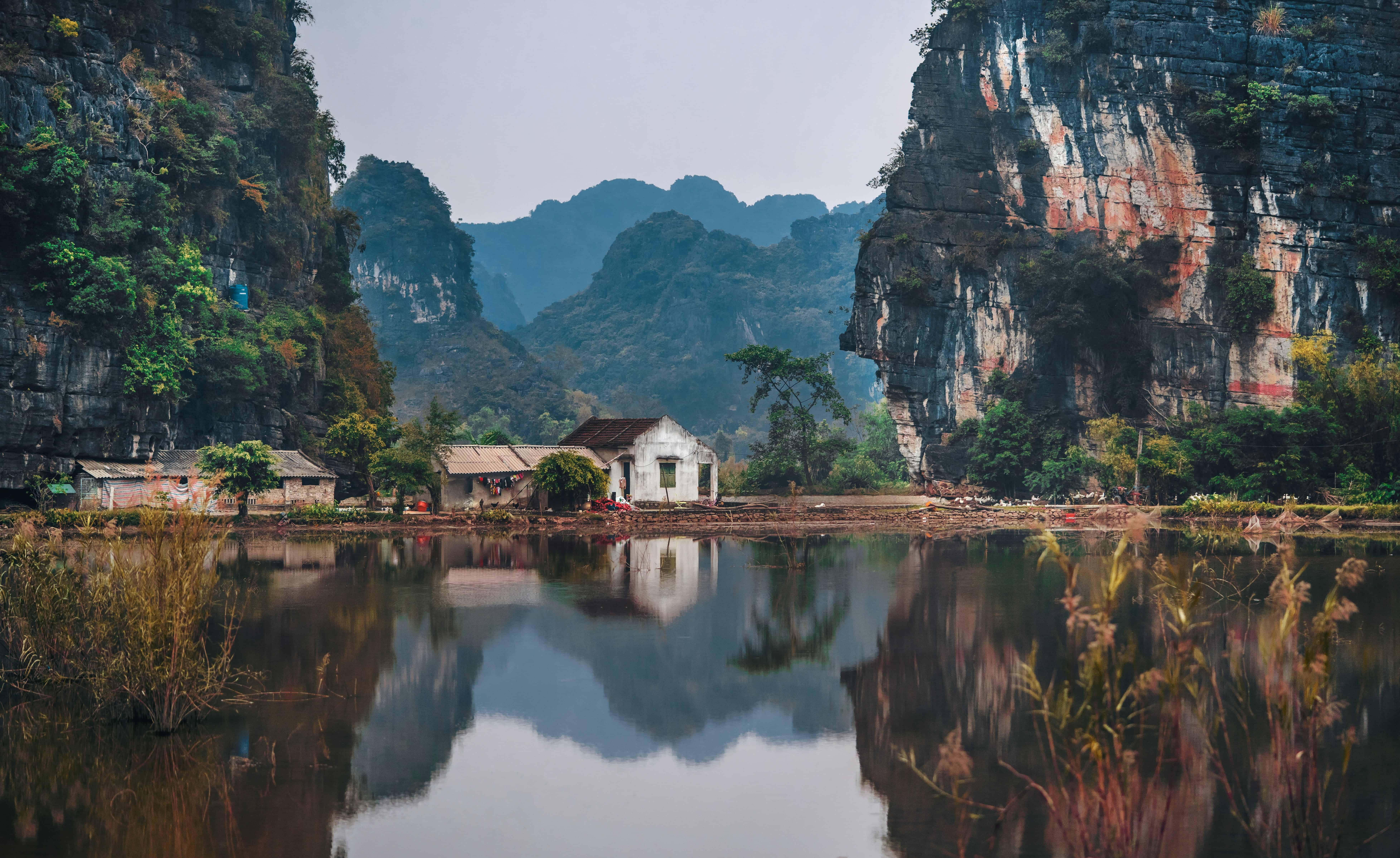
Exploring the Lush Rice Terraces of Sapa: A Journey Through Vietnam's Majestic Landscapes
Exploring the Lush Rice Terraces of Sapa: A Journey Through Vietnam's Majestic Landscapes
Sapa, a picturesque town nestled in the northern mountains of Vietnam, is renowned for its stunning rice terraces that cascade down the hillsides like an emerald quilt. This enchanting destination offers travelers a unique blend of breathtaking landscapes, rich cultural experiences, and the opportunity to connect with the indigenous communities that call this region home.
In this comprehensive guide, we will delve into the lush rice terraces of Sapa, exploring their history, significance, and the myriad of adventures that await you in this magical part of the world.
The Allure of Sapa: Why You Should Visit
Sapa's allure lies not only in its stunning scenery but also in its vibrant culture and the warm hospitality of its people. As you wander through the terraced fields, you'll encounter local ethnic minorities, such as the Hmong, Dao, and Tay, who have preserved their traditional ways of life for generations. The combination of breathtaking landscapes and rich cultural heritage makes Sapa a must-visit destination for any traveler seeking an authentic experience in Vietnam.
A Brief History of Sapa and Its Rice Terraces
The history of Sapa dates back to the French colonial period in the late 19th century when it was established as a hill station. The French were drawn to the region's cool climate and stunning scenery, and they built a number of villas that still stand today. The rice terraces, however, have been cultivated by local ethnic minorities for centuries, serving as a vital source of sustenance and livelihood. These terraces are not just beautiful; they are a testament to the ingenuity and hard work of the local communities who have shaped the landscape over generations.
The Best Time to Visit Sapa for Rice Terrace Exploration
When planning your trip to Sapa, timing is crucial to fully appreciate the beauty of the rice terraces. The best time to visit is typically from late September to early October, when the rice is ripe for harvest, painting the fields in shades of gold. Alternatively, visiting from May to June offers the chance to see the terraces filled with water, creating stunning reflections and a different kind of beauty. Each season brings its own charm, making Sapa a year-round destination for nature lovers and photographers alike.
Trekking Through Sapa's Rice Terraces: An Unforgettable Experience
One of the best ways to experience the lush rice terraces of Sapa is by trekking through the region. There are numerous trails that wind through the fields, offering stunning views and the chance to interact with local communities. Trekking tours can be tailored to suit all fitness levels, from leisurely walks to challenging hikes. As you trek, you'll be surrounded by the vibrant colors of the terraces, the sounds of nature, and the warm smiles of the locals.
Interacting with Local Ethnic Minorities in Sapa
Sapa is home to several ethnic minority groups, each with its own unique culture, traditions, and customs. The Hmong, Dao, Tay, and Giay people are just a few of the communities you may encounter during your visit. Engaging with these communities can provide you with a deeper understanding of their way of life, including their traditional clothing, handicrafts, and agricultural practices. Many local families offer homestays, allowing visitors to immerse themselves in the culture and enjoy authentic home-cooked meals.
Discovering the Unique Cuisine of Sapa
No visit to Sapa would be complete without indulging in its unique culinary offerings. The region is known for its fresh ingredients, often sourced from the surrounding mountains and rice terraces. Local specialties include grilled meats, sticky rice, and a variety of vegetable dishes. Don't miss the chance to try 'thang co,' a traditional Hmong dish made from horse meat, and sample the refreshing local herbal teas. Exploring Sapa's food scene is a delightful way to connect with the culture and traditions of the region.
Capturing the Beauty of Sapa: Photography Tips
For photography enthusiasts, Sapa provides an abundance of opportunities to capture stunning landscapes and vibrant cultures. The golden rice fields during harvest season, the misty mountains, and the colorful traditional attire of the local people create a picturesque backdrop for any photo. To make the most of your photography experience, consider visiting during the golden hour—early morning or late afternoon—when the light is soft and magical. Additionally, be respectful of the local communities when taking photos, and always ask for permission if you're capturing portraits.
Sustainable Tourism in Sapa: Preserving the Rice Terraces
As tourism in Sapa continues to grow, it is essential to consider the impact on the environment and local communities. Sustainable tourism practices can help preserve the delicate ecosystems of the rice terraces and support the livelihoods of the local people. When visiting, opt for eco-friendly tours, support local businesses, and be mindful of your waste. By making conscious choices, you can enjoy the beauty of Sapa while contributing to its preservation for future generations.
Planning Your Trip to Sapa: Essential Tips and Recommendations
Planning a trip to Sapa can be overwhelming, given the myriad of options available. Here are some essential tips to help you make the most of your visit:
Transportation: Sapa is accessible by train or bus from Hanoi. Consider taking an overnight train for a unique experience.
Accommodation: Choose from a range of options, including hotels, guesthouses, and homestays. Staying with a local family can provide a more authentic experience.
Packing Essentials: Bring comfortable trekking shoes, lightweight clothing, a rain jacket, and a good camera to capture the stunning scenery.
Local Guides: Hiring a local guide can enhance your experience, providing insights into the culture and history of the region.
Cultural Etiquette: Be respectful of local customs and traditions, especially when interacting with ethnic minorities.
Conclusion: Embrace the Beauty of Sapa's Rice Terraces
Exploring the lush rice terraces of Sapa is more than just a visual feast; it's an opportunity to connect with nature, immerse yourself in rich cultures, and create lasting memories. Whether you're trekking through the fields, savoring local cuisine, or simply soaking in the breathtaking views, Sapa offers a unique experience that will stay with you long after your journey ends. So pack your bags, lace up your hiking boots, and get ready for an adventure of a lifetime in one of Vietnam's most enchanting destinations.