
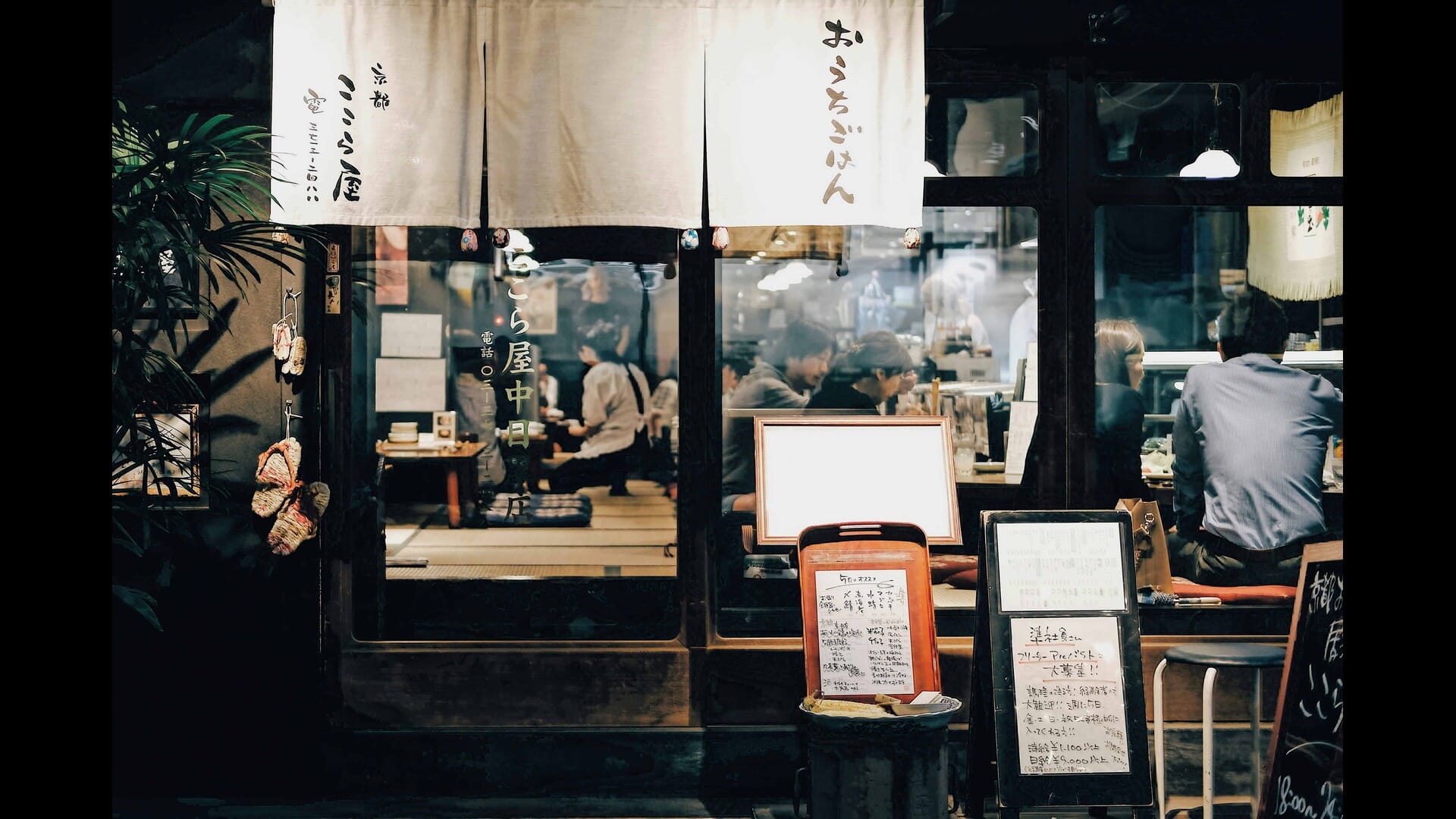
Exploring Japan's Beautiful Islands: From Hokkaido to Okinawa
Exploring Japan's Beautiful Islands: From Hokkaido to Okinawa
Japan, an archipelago of over 6,800 islands, is a land of stunning contrasts and breathtaking beauty. From the snow-capped mountains of Hokkaido in the north to the tropical beaches of Okinawa in the south, each island offers a unique experience that reflects the rich culture, history, and natural wonders of this fascinating country.
In this comprehensive travel guide, we will explore the diverse landscapes, vibrant traditions, and culinary delights of Japan's beautiful islands, providing you with everything you need to plan your own unforgettable adventure.
1. An Overview of Japan's Islands: Geography and Diversity
Japan's islands can be broadly categorized into four main regions: Hokkaido, Honshu, Shikoku, and Kyushu, along with numerous smaller islands. Each region boasts its own distinct climate, culture, and attractions, making island hopping a popular activity for travelers seeking to experience the full spectrum of Japanese life.
Hokkaido: The Northern Wonderland
Hokkaido, the northernmost of Japan's main islands, is known for its breathtaking natural beauty, outdoor activities, and unique wildlife. With its vast national parks, hot springs, and ski resorts, Hokkaido is a paradise for nature lovers and adventure seekers alike. The island is also famous for its delicious seafood, dairy products, and agricultural produce, making it a culinary delight.
Honshu: The Heart of Japan
Honshu, the largest island, is home to Japan's capital, Tokyo, as well as other major cities like Kyoto, Osaka, and Hiroshima. This island is rich in history and culture, with ancient temples, shrines, and traditional arts coexisting alongside modern skyscrapers and bustling shopping districts. Honshu offers a diverse range of experiences, from the serene beauty of cherry blossoms in spring to the vibrant festivals that take place throughout the year.
Shikoku: The Spiritual Island
Shikoku, the smallest of the four main islands, is known for its pilgrimage routes, stunning landscapes, and traditional crafts. The Shikoku Pilgrimage, a 1,200-kilometer route connecting 88 temples, attracts spiritual seekers and hikers alike. The island's natural beauty, including the famous Iya Valley and the Seto Inland Sea, offers a tranquil escape from the hustle and bustle of city life.
Kyushu: The Volcanic Island
Kyushu, located to the south of Honshu, is known for its volcanic landscapes, hot springs, and rich cultural heritage. The island is home to several active volcanoes, including Mount Aso, and is famous for its onsen (hot springs) culture. Kyushu also boasts beautiful coastlines, lush countryside, and historical sites, making it a must-visit destination for travelers.
2. Hokkaido: A Year-Round Adventure Destination
2.1 Winter Wonderland: Skiing and Snowboarding in Hokkaido
Hokkaido transforms into a winter wonderland during the colder months, attracting ski enthusiasts from around the world. The island is home to some of the best ski resorts in Japan, including Niseko, Furano, and Rusutsu. With powder snow that is considered among the finest in the world, Hokkaido offers a variety of slopes for all skill levels, along with breathtaking views of the surrounding mountains.
2.2 Summer Escapades: Hiking and Nature Exploration
In the summer, Hokkaido's vast national parks, such as Daisetsuzan and Shiretoko, become a haven for hikers and nature lovers. The island's diverse ecosystems, from alpine meadows to lush forests, provide a stunning backdrop for outdoor activities. Popular hiking trails include the ascent of Mount Asahi and the scenic routes around Lake Shikotsu.
2.3 Culinary Delights: Savoring Hokkaido's Fresh Produce
Hokkaido is renowned for its fresh seafood, dairy products, and agricultural produce. Visitors can indulge in a variety of culinary experiences, from savoring fresh sushi and sashimi at local markets to enjoying rich, creamy soft-serve ice cream made from Hokkaido's famous milk. Don't miss the chance to try the island's signature dish, soup curry, a flavorful and hearty meal that reflects the region's unique culinary heritage.
3. Honshu: The Cultural Heart of Japan
3.1 Tokyo: A City of Contrasts
Tokyo, Japan's bustling capital, is a city of contrasts where tradition meets modernity. From the historic temples of Asakusa to the neon-lit streets of Shibuya, Tokyo offers a plethora of experiences for travelers. Explore the serene gardens of the Imperial Palace, shop in the trendy districts of Harajuku and Shinjuku, and indulge in the city's diverse culinary scene, which ranges from Michelin-starred restaurants to street food stalls.
3.2 Kyoto: The City of a Thousand Temples
Kyoto, once the capital of Japan, is famous for its well-preserved temples, traditional tea houses, and stunning gardens. A visit to Kyoto is incomplete without exploring iconic sites such as Kinkaku-ji (the Golden Pavilion), Fushimi Inari Taisha with its thousands of vermilion torii gates, and the historic Gion district, where you might catch a glimpse of a geisha. The city's rich cultural heritage is celebrated through various festivals, including the Gion Matsuri, which showcases traditional floats and performances.
3.3 Hiroshima: A City of Resilience
Hiroshima, known for its tragic history, has transformed into a symbol of peace and resilience. The Hiroshima Peace Memorial Park and Museum serve as poignant reminders of the events of World War II, while the iconic Atomic Bomb Dome stands as a testament to the city's recovery. Visitors can also explore the nearby island of Miyajima, famous for its floating torii gate and stunning views of Mount Misen.
4. Shikoku: A Journey of Spiritual Discovery
4.1 The Shikoku Pilgrimage: A Spiritual Journey
The Shikoku Pilgrimage is a 1,200-kilometer route that connects 88 temples associated with the Buddhist monk Kobo Daishi. Pilgrims and hikers embark on this spiritual journey to seek enlightenment and reflect on their lives. The pilgrimage offers a unique opportunity to experience the island's natural beauty, traditional culture, and warm hospitality of local communities.
4.2 Iya Valley: Nature's Hidden Gem
The Iya Valley, often referred to as one of Japan's hidden gems, is a stunning region characterized by steep mountains, deep gorges, and vine bridges. Visitors can explore the picturesque countryside, hike along scenic trails, and soak in the natural hot springs. The valley's remote location and breathtaking landscapes make it a perfect escape for those seeking tranquility and adventure.
4.3 Traditional Crafts: A Glimpse into Shikoku's Heritage
Shikoku is known for its traditional crafts, including indigo dyeing, pottery, and weaving. Visitors can participate in workshops to learn about these age-old techniques and create their own souvenirs. The island's rich cultural heritage is also reflected in its local festivals, where traditional music, dance, and crafts are showcased.
5. Kyushu: The Land of Volcanoes and Onsen
5.1 Exploring Kyushu's Volcanic Landscapes
Kyushu is home to several active volcanoes, including Mount Aso, one of the world's largest volcanic calderas. Visitors can hike to the crater, explore the surrounding landscapes, and learn about the region's geological history. The volcanic activity has also created stunning landscapes, including hot springs and unique rock formations.
5.2 Relaxing in Onsen: Kyushu's Hot Springs Culture
Kyushu is famous for its onsen culture, with numerous hot spring resorts scattered throughout the island. Visitors can relax in natural hot springs, enjoy traditional ryokan accommodations, and experience the healing properties of the mineral-rich waters. Popular onsen towns include Beppu, known for its variety of hot springs, and Kurokawa, which offers a more rustic and tranquil atmosphere.
5.3 Culinary Adventures: Savoring Kyushu's Flavors
Kyushu's culinary scene is diverse and delicious, with a focus on fresh ingredients and regional specialties. The island is known for its tonkotsu ramen, a rich pork bone broth noodle dish, as well as fresh seafood and local produce. Don't miss the chance to try the famous Kumamoto horse sashimi or the sweet and juicy mikan (mandarin oranges) that are grown in the region.
6. Island Hopping: Discovering Japan's Lesser-Known Islands
6.1 The Amami Islands: A Tropical Paradise
The Amami Islands, located between Kyushu and Okinawa, are a hidden gem known for their stunning beaches, lush forests, and unique wildlife. The islands are home to the Amami rabbit, a rare species found nowhere else in the world. Visitors can explore the pristine beaches, hike through subtropical forests, and immerse themselves in the local culture.
6.2 The Oki Islands: A Step Back in Time
The Oki Islands, located in the Sea of Japan, offer a glimpse into traditional Japanese life. With their rugged landscapes, ancient shrines, and local festivals, the islands provide a unique cultural experience. Visitors can explore the islands' natural beauty, including dramatic cliffs and serene beaches, while learning about the rich history and traditions of the local communities.
6.3 The Sado Island: A Cultural Treasure
Sado Island, located off the coast of Niigata, is known for its rich cultural heritage and stunning landscapes. The island is famous for its historical gold mines, traditional Noh theater, and beautiful coastline. Visitors can explore the island's natural beauty, including the scenic coastline and lush mountains, while experiencing the unique cultural traditions that have been preserved over centuries.
7. Practical Tips for Traveling to Japan's Islands
7.1 Best Time to Visit Japan's Islands
The best time to visit Japan's islands varies depending on the region and the activities you wish to pursue. Spring (March to May) is ideal for cherry blossom viewing, while summer (June to August) offers warm weather for beach activities. Autumn (September to November) showcases vibrant fall foliage, and winter (December to February) is perfect for skiing in Hokkaido.
7.2 Transportation Options: Getting Around Japan's Islands
Japan boasts an extensive and efficient transportation network, making it easy to travel between islands and cities. The Japan Rail Pass is a popular option for tourists, providing unlimited travel on JR trains, including shinkansen (bullet trains). Ferries and domestic flights are also available for reaching more remote islands.
7.3 Cultural Etiquette: Navigating Japanese Customs
Understanding Japanese customs and etiquette is essential for a respectful and enjoyable travel experience. Simple gestures, such as bowing when greeting someone, removing your shoes before entering a home, and being mindful of noise levels in public spaces, can go a long way in showing respect for the local culture.
8. Conclusion: A Journey Through Japan's Islands
Exploring Japan's beautiful islands is a journey that offers a rich tapestry of experiences, from the breathtaking landscapes of Hokkaido to the serene beaches of Okinawa. Each island has its own unique charm and cultural heritage, inviting travelers to immerse themselves in the beauty and diversity of this remarkable archipelago. Whether you're seeking adventure, relaxation, or cultural discovery, Japan's islands promise an unforgettable travel experience that will leave you with lasting memories.
As you plan your journey, remember to embrace the spirit of exploration and adventure that defines travel in Japan. From the vibrant cities to the tranquil countryside, each moment spent on these islands will deepen your appreciation for this extraordinary country and its people.