
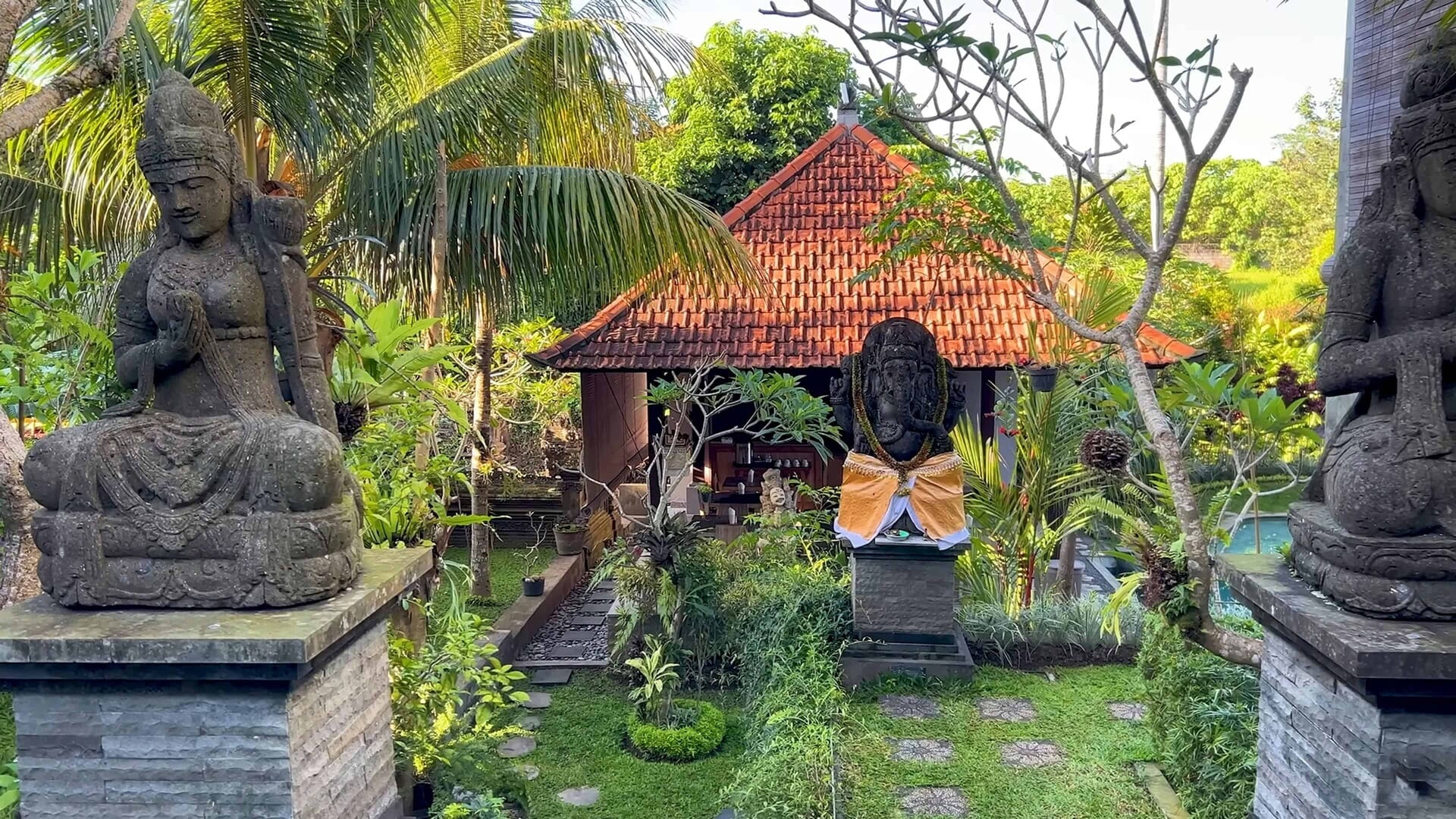
Exploring the Rich Traditions of Indonesia’s Handicrafts
Exploring the Rich Traditions of Indonesia’s Handicrafts
Indonesia, an archipelago of over 17,000 islands, is a treasure trove of culture, history, and artistry. The country boasts a rich tapestry of traditions that have been woven together over centuries, creating a unique identity that is reflected in its handicrafts. From the intricate patterns of batik to the delicate craftsmanship of wood carving, Indonesia's handicrafts tell stories of its people, their beliefs, and their way of life.
This article will take you on a journey through the rich traditions of Indonesia’s handicrafts, exploring the techniques, cultural significance, and the artisans behind these beautiful creations.
The Cultural Significance of Indonesian Handicrafts
Indonesian handicrafts are not merely decorative items; they are imbued with cultural significance and historical context. Each piece tells a story, reflecting the beliefs, customs, and traditions of the community from which it originates. For instance, batik, a traditional fabric dyeing technique, is often used in ceremonial attire and symbolizes social status and identity. Understanding the cultural significance of these handicrafts allows us to appreciate them on a deeper level.
Batik Making in Indonesia: A Timeless Art Form
The History of Batik in Indonesia
Batik is perhaps the most famous of Indonesia's handicrafts, recognized by UNESCO as a Masterpiece of Oral and Intangible Heritage of Humanity. The art of batik dates back to the 6th century, with roots in Java. Originally, it was a royal craft, reserved for the elite, but over time it became accessible to the wider population. The intricate designs and vibrant colors of batik fabrics are not just visually stunning; they also carry deep meanings, often representing nature, mythology, and social status.
The Batik Process: From Wax to Fabric
The batik-making process is labor-intensive and requires great skill. It begins with the selection of high-quality cotton or silk fabric. Artisans then use a tool called a canting to apply hot wax to the fabric in intricate patterns. Once the wax has cooled, the fabric is dyed in vibrant colors. After dyeing, the wax is removed, revealing the beautiful patterns beneath. This process can be repeated multiple times to create complex designs, showcasing the artisan's creativity and expertise.
Regional Variations of Batik
Indonesia is home to various regional styles of batik, each with its own unique characteristics. For instance, Javanese batik is known for its intricate designs and symbolism, while Balinese batik often features bold colors and motifs inspired by nature. Exploring these regional variations offers insight into the diverse cultures and traditions that exist within Indonesia.
Wood Carving in Indonesia: A Craft of Precision and Passion
The Art of Wood Carving in Indonesian Culture
Wood carving is another prominent handicraft in Indonesia, particularly in regions like Bali and Java. This art form has been practiced for centuries, with roots in spiritual and religious traditions. Carved wooden sculptures, masks, and furniture pieces often depict deities, animals, and scenes from daily life, reflecting the beliefs and values of the community.
Techniques and Tools Used in Wood Carving
Indonesian wood carvers use a variety of tools, including chisels, knives, and gouges, to create intricate designs. The process begins with selecting the right type of wood, such as teak or mahogany, known for their durability and beauty. Carvers then sketch their designs onto the wood before meticulously carving out the details. The craftsmanship involved in wood carving is a testament to the artisan's skill and dedication.
Famous Wood Carving Regions in Indonesia
Bali is renowned for its wood carving, with many artisans showcasing their work in local markets and galleries. Ubud, in particular, is a hub for wood carving, where visitors can witness artisans at work and purchase unique pieces. In Java, regions like Jepara are famous for their intricate furniture designs, often featuring floral and geometric patterns.
Weaving Traditions of Indonesia: A Tapestry of Culture
The Importance of Weaving in Indonesian Society
Weaving is a vital aspect of Indonesian culture, with various communities producing textiles that reflect their identity and heritage. Traditional weaving techniques have been passed down through generations, with each region boasting its own unique patterns and styles. The textiles produced are often used in ceremonies, rituals, and daily life, showcasing the importance of weaving in Indonesian society.
Traditional Weaving Techniques and Materials
Indonesian weavers utilize a variety of techniques, including ikat, songket, and tenun. Ikat involves dyeing the threads before weaving, creating intricate patterns that are often symbolic. Songket, on the other hand, is a brocade fabric woven with gold or silver threads, traditionally worn during special occasions. The materials used in weaving vary, with cotton, silk, and even natural dyes sourced from local plants.
Regional Variations in Weaving Styles
Each region in Indonesia has its own distinct weaving style. For example, the Sumba Island is known for its bold ikat textiles, while the island of Sumatra is famous for its intricate songket fabrics. Exploring these regional variations provides insight into the diverse cultural heritage of Indonesia.
Pottery in Indonesia: A Blend of Function and Art
The Role of Pottery in Indonesian Culture
Pottery is one of the oldest forms of handicraft in Indonesia, with evidence of pottery-making dating back thousands of years. Pottery serves both functional and artistic purposes, with artisans creating everything from everyday kitchenware to decorative pieces. The techniques and styles of pottery vary across regions, reflecting local traditions and resources.
Traditional Pottery Techniques
Indonesian pottery is often made using traditional hand-building techniques, such as coiling and pinching. Artisans shape the clay by hand, creating unique forms that are then fired in kilns. Many potters also incorporate natural pigments and glazes, resulting in vibrant colors and intricate designs that enhance the beauty of each piece.
Notable Pottery Regions in Indonesia
Bali is known for its distinctive pottery, often featuring intricate carvings and glazes. The island's artisans create a range of pottery items, from functional bowls and plates to decorative sculptures. In Java, the city of Kasongan is famous for its earthenware pottery, showcasing the creativity and skill of local artisans.
Handicraft Markets in Indonesia: A Shopper's Paradise
Exploring Local Handicraft Markets
Indonesia is home to numerous handicraft markets, where visitors can find a wide array of traditional crafts. These markets are vibrant hubs of activity, filled with the sights and sounds of artisans at work. From bustling streets lined with stalls to quaint village markets, each location offers a unique shopping experience.
Tips for Shopping for Handicrafts in Indonesia
When shopping for handicrafts in Indonesia, it's essential to keep a few tips in mind. Bargaining is common in local markets, so don't hesitate to negotiate prices. Additionally, look for authentic pieces that reflect the local culture and craftsmanship. Supporting local artisans not only helps preserve traditional crafts but also contributes to the community's economy.
Must-Visit Handicraft Markets in Indonesia
Some of the must-visit handicraft markets include Ubud Art Market in Bali, where you can find a variety of textiles, jewelry, and home decor items. In Yogyakarta, the Beringharjo Market is famous for its batik and traditional Javanese crafts. Each market offers a unique glimpse into Indonesia's rich handicraft heritage.
The Future of Indonesian Handicrafts: Challenges and Opportunities
Preserving Traditional Crafts in a Modern World
As globalization continues to influence the world, traditional crafts face challenges in preserving their authenticity and relevance. Many artisans struggle to compete with mass-produced items, leading to a decline in traditional craftsmanship. However, there are opportunities to revitalize these crafts through education, tourism, and sustainable practices.
The Role of Tourism in Supporting Handicrafts
Tourism plays a crucial role in supporting Indonesian handicrafts. By promoting cultural tourism, visitors can engage with local artisans, learn about traditional techniques, and purchase authentic crafts. This not only helps sustain the livelihoods of artisans but also fosters a greater appreciation for Indonesia's rich cultural heritage.
Innovations in Handicraft Production
Innovations in handicraft production, such as the use of eco-friendly materials and modern design techniques, can help artisans adapt to changing consumer preferences. By blending traditional craftsmanship with contemporary aesthetics, artisans can create unique products that appeal to a broader audience while preserving their cultural identity.
Conclusion: Celebrating the Rich Traditions of Indonesia’s Handicrafts
Exploring the rich traditions of Indonesia’s handicrafts is a journey that reveals the heart and soul of the nation. From the intricate designs of batik to the skilled craftsmanship of wood carving and weaving, each piece tells a story of cultural heritage and artistic expression. By supporting local artisans and embracing the beauty of these handicrafts, we contribute to the preservation of Indonesia's rich traditions for future generations. Whether you are an art enthusiast, a traveler seeking unique souvenirs, or simply someone who appreciates the beauty of handmade creations, Indonesia's handicrafts offer a captivating glimpse into the country's vibrant culture and history.