
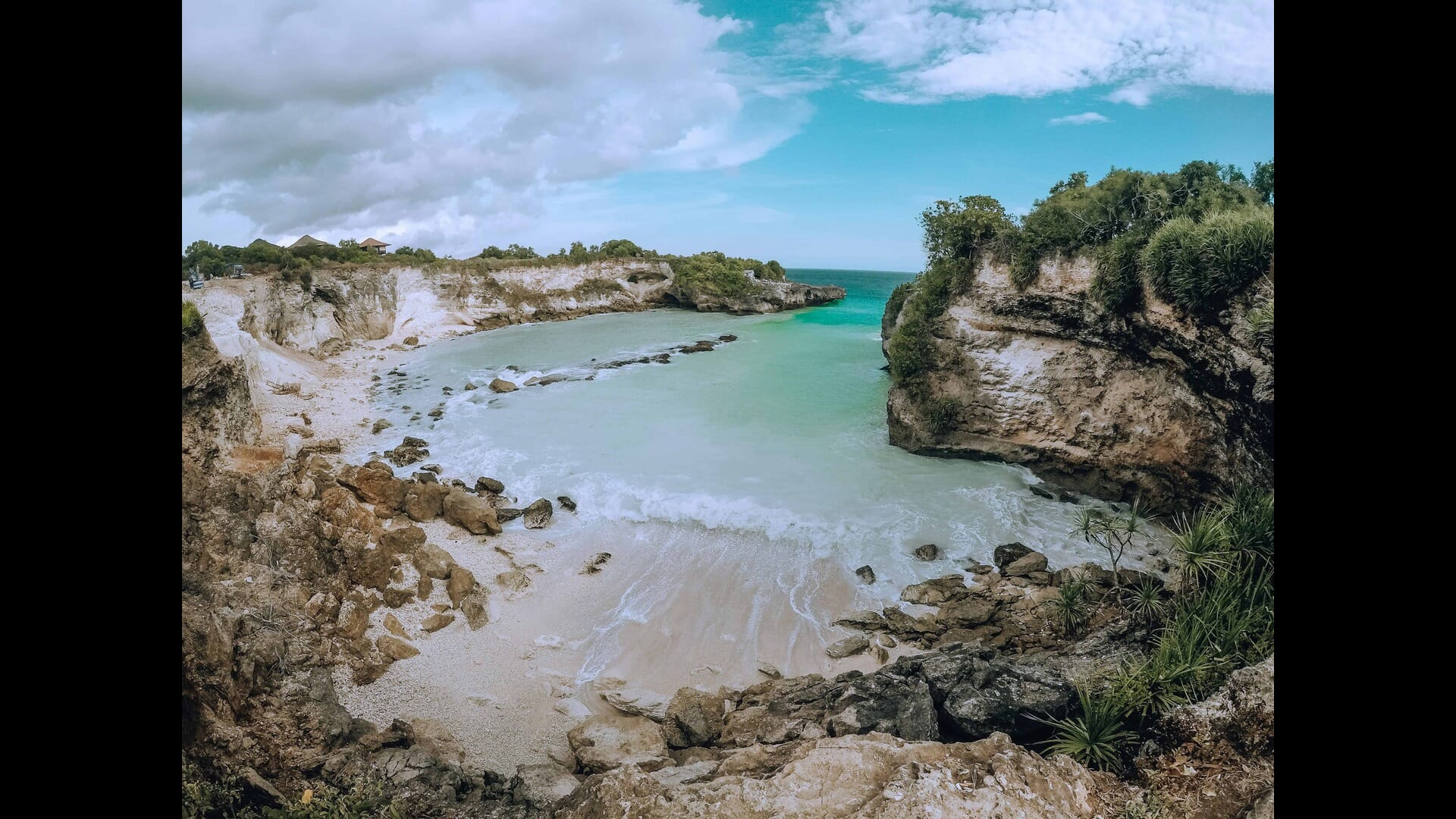
Exploring Indonesia’s Cultural Festivals: Celebrating Traditions
Exploring Indonesia’s Cultural Festivals: Celebrating Traditions
Indonesia, an archipelago of over 17,000 islands, is a tapestry of cultures, languages, and traditions. Each island boasts its own unique customs, and the rich cultural heritage is celebrated through a myriad of vibrant festivals throughout the year. From the bustling streets of Jakarta to the serene landscapes of Bali, the festivals of Indonesia offer a glimpse into the soul of this diverse nation.
In this article, we will explore some of the most significant cultural festivals in Indonesia, delving into their history, significance, and the experiences they offer to both locals and visitors.
The Significance of Cultural Festivals in Indonesia
Cultural festivals in Indonesia serve as a vital link to the past, preserving ancient traditions and fostering community spirit. They are not merely events; they are celebrations of identity, spirituality, and the rich tapestry of life that binds the Indonesian people together. Festivals often revolve around religious observances, agricultural cycles, and historical events, showcasing the deep connection between the people and their land.
Bali’s Nyepi Day: The Day of Silence
One of the most unique cultural festivals in Indonesia is Nyepi, the Balinese Day of Silence. Celebrated in March, Nyepi marks the Balinese New Year according to the Saka calendar. The day is dedicated to self-reflection, meditation, and fasting.
The Rituals Leading Up to Nyepi
In the days leading up to Nyepi, the island comes alive with vibrant parades featuring giant effigies called Ogoh-Ogoh, which symbolize evil spirits. These effigies are made from bamboo and paper, intricately designed and painted. On the eve of Nyepi, locals march through the streets, chanting and dancing, before burning the Ogoh-Ogoh in a dramatic display meant to cleanse the island of negative energy.
The Day of Silence
On Nyepi itself, the island transforms into a serene landscape. The streets are empty, and all activities come to a halt. Even the airport closes, and tourists are expected to remain within their accommodations. This day of silence is a profound experience, allowing for introspection and a deeper connection to the spiritual essence of Bali.
The Colorful Celebrations of Java’s Sekaten Festival
In the heart of Java, the Sekaten Festival is a vibrant celebration that honors the birthday of the Prophet Muhammad. Held in Yogyakarta, this festival is a blend of Islamic and Javanese traditions, showcasing the rich cultural heritage of the region.
Historical Background of Sekaten
The Sekaten Festival dates back to the 16th century and is believed to have been initiated by Sultan Hamengkubuwono I. The festival features a series of events, including traditional music performances, dance, and a grand procession.
The Festivities
During Sekaten, the streets of Yogyakarta are filled with colorful stalls selling traditional snacks, handicrafts, and souvenirs. The highlight of the festival is the Gamelan music performances, where musicians play traditional instruments, creating a mesmerizing atmosphere. The festival culminates in a grand ceremony at the Great Mosque, where offerings are made to seek blessings for the community.
Toraja’s Ma’nene Festival: Honoring Ancestors
In the highlands of Sulawesi, the Toraja people celebrate the Ma’nene Festival, a unique ritual that honors ancestors. This festival is a testament to the Toraja's deep respect for their deceased, showcasing their beliefs in life, death, and the afterlife.
The Rituals of Ma’nene
Ma’nene, which translates to “the ceremony of cleaning the corpses,” involves exhuming the bodies of ancestors, dressing them in new clothes, and parading them through the village. This ritual is not morbid; rather, it is a celebration of life and a way to maintain a connection with the past. The Toraja believe that the spirits of their ancestors continue to guide and protect them.
A Cultural Experience
Visitors to Toraja during the Ma’nene Festival are treated to a rich cultural experience, witnessing traditional dances, music, and feasting. The festival is a vibrant display of the Toraja's unique customs and beliefs, offering insight into their way of life.
The Enchanting Bali Arts Festival
Every June, Bali hosts the Bali Arts Festival, a month-long celebration of Balinese culture and arts. This festival is a showcase of traditional dance, music, and crafts, attracting artists and performers from across the island.
Highlights of the Bali Arts Festival
The festival features daily performances, including traditional Balinese dances like the Legong and Barong, as well as musical performances by local gamelan orchestras. Art exhibitions, workshops, and cultural seminars are also held, providing a platform for artists to share their work and engage with the community.
A Celebration of Creativity
The Bali Arts Festival is not only a celebration of traditional arts but also a platform for contemporary artists to showcase their creativity. The festival fosters a sense of pride in Balinese culture and encourages the younger generation to embrace their heritage.
The Majestic Pasola Festival in Sumba
In the remote island of Sumba, the Pasola Festival is a thrilling event that combines sport, ritual, and cultural significance. Held in February or March, this festival involves a traditional jousting competition on horseback.
The Origins of Pasola
Pasola has its roots in ancient rituals, believed to be a way to ensure a good harvest. The festival is a celebration of fertility and is marked by the throwing of wooden spears between two groups of horsemen. The event is not only a test of skill but also a way to honor the ancestors and seek blessings for the land.
The Thrill of the Competition
The Pasola Festival attracts visitors from all over the world, eager to witness the exhilarating spectacle. The atmosphere is electric, with cheers from the crowd as horsemen gallop across the fields, showcasing their bravery and horsemanship. The festival culminates in a communal feast, where traditional Sumbanese dishes are served, allowing visitors to immerse themselves in the local culture.
The Vibrant Festival of Tabuik in West Sumatra
In the coastal town of Pariaman, West Sumatra, the Tabuik Festival is a unique celebration that commemorates the martyrdom of Imam Hussein, the grandson of the Prophet Muhammad. This festival is a blend of Islamic and local traditions, showcasing the rich cultural diversity of Indonesia.
The Rituals of Tabuik
The Tabuik Festival features the creation of elaborate replicas of the Tabuik, which are carried through the streets in a grand procession. The festival is marked by music, dance, and traditional performances, creating a lively atmosphere.
A Cultural Exchange
Visitors to the Tabuik Festival can engage with the local community, learning about the significance of the rituals and the history behind the celebration. The festival is a testament to the harmonious coexistence of different cultures and religions in Indonesia.
The Enigmatic Festival of Dieng Culture in Central Java
The Dieng Culture Festival, held in the highlands of Central Java, is a celebration of the unique culture and traditions of the Dieng Plateau. This festival takes place in August and features a variety of cultural performances, traditional rituals, and culinary delights.
The Cultural Significance of Dieng
The Dieng Plateau is home to ancient temples, stunning landscapes, and a rich cultural heritage. The festival showcases traditional dances, music, and art, providing a platform for local artists to share their talents.
Culinary Delights
One of the highlights of the Dieng Culture Festival is the culinary offerings, where visitors can sample traditional dishes made from local ingredients. The festival is a feast for the senses, combining the beauty of nature with the richness of Indonesian culture.
The Unique Festival of Gawai Dayak in Borneo
In the heart of Borneo, the Dayak people celebrate Gawai Dayak, a festival that marks the end of the rice harvest. This festival, held on June 1st, is a time for gratitude, celebration, and community bonding.
The Rituals of Gawai Dayak
Gawai Dayak is marked by traditional ceremonies, including the offering of rice to the spirits, traditional dances, and feasting. The festival is a vibrant display of Dayak culture, showcasing their rich traditions and customs.
A Community Celebration
The Gawai Dayak Festival is an opportunity for the Dayak people to come together, celebrate their achievements, and strengthen community ties. Visitors are welcomed to join in the festivities, experiencing the warmth and hospitality of the Dayak people.
The Majestic Festival of the Thousand Islands
The Thousand Islands, located just north of Jakarta, hosts the Festival of the Thousand Islands, a celebration of marine culture and environmental awareness. This festival aims to promote the beauty of the islands and raise awareness about marine conservation.
The Activities
The festival features a variety of activities, including beach clean-ups, traditional boat races, and cultural performances. Visitors can participate in workshops on marine conservation, learning about the importance of protecting the ocean and its ecosystems.
A Call to Action
The Festival of the Thousand Islands is not only a celebration of culture but also a call to action for environmental stewardship. It highlights the importance of preserving Indonesia’s natural beauty for future generations.
Conclusion: Embracing Indonesia’s Cultural Richness
Indonesia’s cultural festivals are a vibrant reflection of its diverse heritage, offering a unique opportunity to explore the traditions, rituals, and celebrations that define this beautiful nation. From the serene silence of Nyepi to the exhilarating jousts of Pasola, each festival tells a story of community, spirituality, and identity. As you embark on your journey through Indonesia, immerse yourself in these cultural celebrations, and embrace the richness of this archipelago’s traditions. Whether you are a local or a visitor, the festivals of Indonesia promise an unforgettable experience that will leave a lasting impression on your heart and soul.