
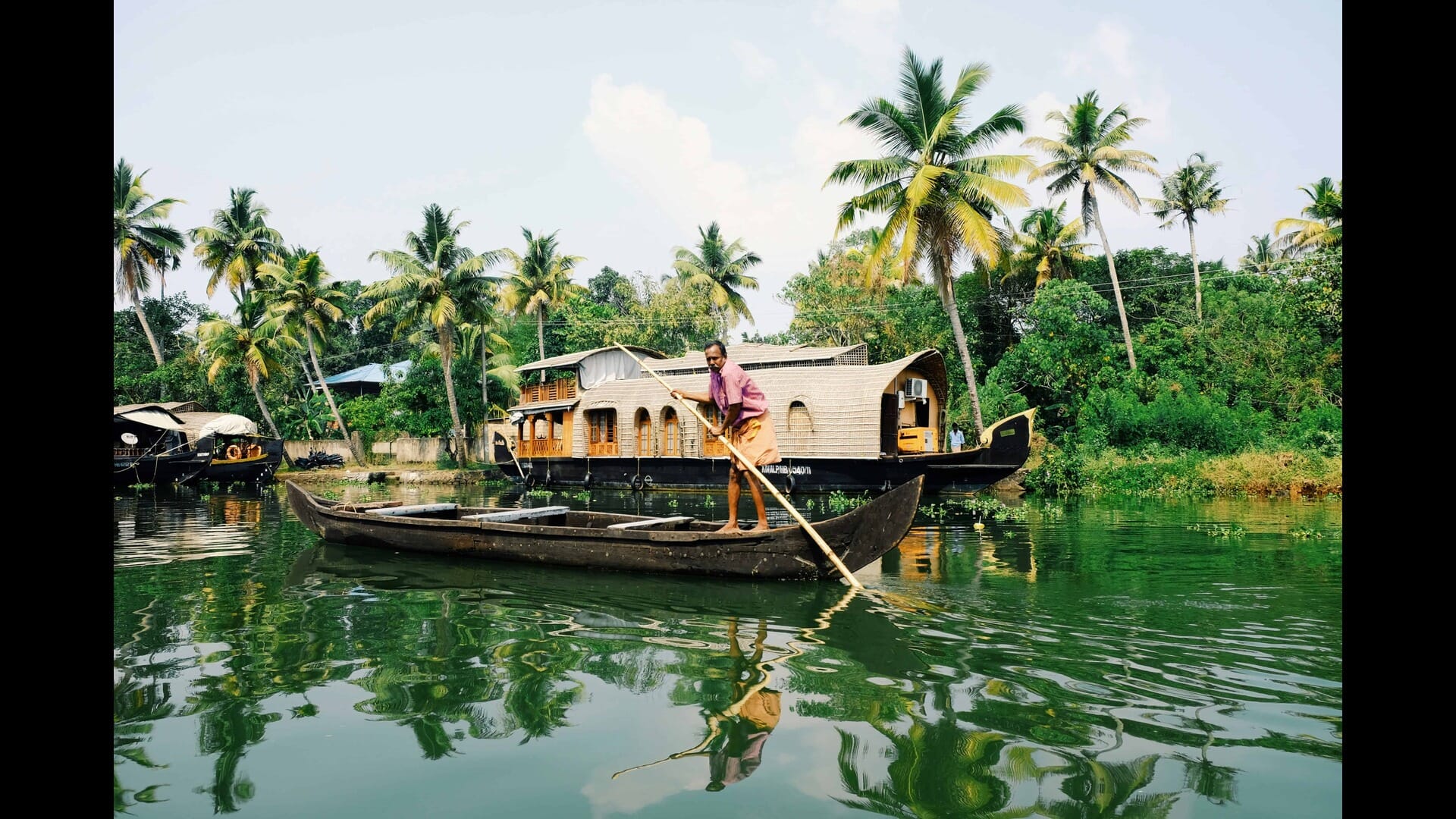
Exploring the Beauty of India’s Cultural Heritage: Sites and Stories
Exploring the Beauty of India’s Cultural Heritage: Sites and Stories
India, a land of vibrant colors, rich traditions, and diverse cultures, is a treasure trove of cultural heritage that beckons travelers from all corners of the globe. With a history that spans thousands of years, India is home to an array of historical sites, architectural marvels, and stories that reflect the essence of its cultural diversity.
This article takes you on an immersive journey through some of the most significant cultural heritage sites in India, unraveling the stories that breathe life into these magnificent places.
The Magnificence of India's UNESCO World Heritage Sites
India boasts 40 UNESCO World Heritage Sites, each a testament to the country's rich history and cultural significance. From ancient temples to colonial architecture, these sites are a must-visit for anyone looking to explore India's cultural heritage.
The Taj Mahal: A Symbol of Love and Architectural Brilliance
No exploration of India's cultural heritage would be complete without mentioning the Taj Mahal, located in Agra. This iconic mausoleum, built by Mughal Emperor Shah Jahan in memory of his beloved wife Mumtaz Mahal, is an epitome of love and architectural brilliance.
The Taj Mahal is renowned for its stunning white marble façade, intricate carvings, and beautiful gardens. As the sun rises and sets, the monument changes colors, creating a breathtaking spectacle that leaves visitors in awe. The story of the Taj Mahal is as captivating as its beauty, symbolizing the eternal love between Shah Jahan and Mumtaz Mahal.
Hampi: The Ruins of a Lost Kingdom
Hampi, a UNESCO World Heritage Site in Karnataka, is a mesmerizing landscape of ancient ruins that once formed the capital of the Vijayanagara Empire. The site is dotted with temples, palaces, and market streets that tell the tales of a bygone era.
The Virupaksha Temple, with its towering gopuram (gateway), is a highlight of Hampi. The intricate carvings and vibrant frescoes depict stories from Hindu mythology, inviting visitors to delve into the rich cultural tapestry of the region. Exploring Hampi is like stepping back in time, where every stone whispers stories of valor, devotion, and artistry.
Jaipur: The Pink City and Its Royal Heritage
Jaipur, the capital of Rajasthan, is known as the Pink City due to the distinct color of its buildings. This city is a vibrant blend of royal heritage and modernity, making it a fascinating destination for cultural enthusiasts.
The City Palace, a magnificent complex that showcases a fusion of Mughal and Rajput architecture, is a must-visit. The palace houses museums that display royal artifacts, textiles, and weaponry, offering a glimpse into the opulent lifestyle of the Rajput kings. The stories of valor and romance associated with the royal family add to the allure of Jaipur’s cultural heritage.
The Rich Tapestry of Indian Traditions and Festivals
India's cultural heritage is not just confined to its monuments; it is also reflected in its vibrant festivals and traditions. Each festival is a celebration of life, showcasing the diversity and unity of the Indian people.
Diwali: The Festival of Lights
Diwali, also known as the Festival of Lights, is one of the most celebrated festivals in India. It symbolizes the victory of light over darkness and good over evil. During this time, homes are adorned with oil lamps, colorful rangoli, and vibrant decorations.
The stories associated with Diwali, such as the return of Lord Rama to Ayodhya after defeating Ravana, are deeply rooted in Indian mythology. The festival brings families together, fostering a sense of community and belonging, making it an integral part of India's cultural heritage.
Holi: The Festival of Colors
Holi, the Festival of Colors, is another vibrant celebration that showcases the joyous spirit of India. This festival marks the arrival of spring and the triumph of love and devotion. People gather to throw colored powders, dance, and celebrate together, transcending social barriers.
The stories of Radha and Krishna, which are central to the celebration of Holi, highlight the themes of love, friendship, and unity. The festival is a vivid expression of India's cultural ethos, where joy and togetherness reign supreme.
Traditional Arts and Crafts: A Reflection of India's Heritage
India's cultural heritage is also expressed through its traditional arts and crafts, which vary from region to region. Each art form tells a story, preserving the skills and traditions passed down through generations.
Madhubani Painting: A Colorful Narrative
Madhubani painting, originating from the Mithila region of Bihar, is a traditional art form that uses vibrant colors and intricate patterns to depict mythological themes, nature, and social issues. The paintings are often created by women, reflecting their creativity and storytelling abilities.
The stories told through Madhubani paintings are deeply rooted in Indian culture, showcasing the connection between art and life. This art form not only preserves cultural heritage but also empowers women artists, making it a significant aspect of India's artistic landscape.
Kanchipuram Silk Sarees: Weaving Tradition
Kanchipuram silk sarees, known for their rich colors and intricate designs, are a symbol of South Indian heritage. These sarees are handwoven by skilled artisans, each piece telling a unique story through its patterns and motifs.
The process of weaving Kanchipuram silk sarees is a labor of love, involving meticulous craftsmanship and attention to detail. Wearing a Kanchipuram saree is not just a fashion statement; it is a celebration of tradition and cultural identity.
Architectural Marvels: A Journey Through Time
India's architectural heritage is a reflection of its diverse cultural influences, ranging from ancient temples to colonial structures. Each architectural style tells a story of the era it represents.
The Temples of Khajuraho: A Celebration of Art and Eroticism
The Khajuraho group of temples in Madhya Pradesh is famous for its stunning sculptures and intricate carvings that depict various aspects of life, including love and sensuality. These temples, built during the Chandela dynasty, are a UNESCO World Heritage Site and are renowned for their artistic brilliance.
The stories behind the sculptures are as captivating as the art itself, showcasing the celebration of human emotions and relationships. Exploring the temples of Khajuraho is an enlightening experience that delves into the complexities of love and devotion in Indian culture.
The Forts of Rajasthan: Guardians of History
Rajasthan is home to numerous forts that stand as guardians of history, each with its own unique story. The Amer Fort, Mehrangarh Fort, and Jaisalmer Fort are just a few examples of the architectural grandeur that defines the region.
These forts not only served as military strongholds but also as royal residences, reflecting the opulence of the Rajput kings. The tales of bravery, romance, and intrigue associated with these forts add to their allure, making them a significant part of India’s cultural heritage.
Culinary Heritage: A Taste of Tradition
India's cultural heritage is incomplete without mentioning its diverse culinary traditions. Each region boasts its own unique flavors, ingredients, and cooking techniques, reflecting the local culture and history.
The Spice Route: A Culinary Journey
India's position on the ancient spice route has greatly influenced its culinary heritage. The use of spices such as turmeric, cumin, and cardamom not only enhances the flavor of dishes but also reflects the country's rich agricultural diversity.
The stories behind traditional recipes, passed down through generations, are a testament to the cultural significance of food in India. From the aromatic biryanis of Hyderabad to the delectable sweets of Bengal, Indian cuisine is a celebration of flavors and traditions.
Street Food: A Cultural Experience
Street food is an integral part of India's culinary landscape, offering a glimpse into the local culture and traditions. From the spicy chaat of Delhi to the vada pav of Mumbai, street food is a reflection of the region's flavors and culinary creativity.
The stories of street food vendors, their recipes, and the communities that gather around them highlight the social aspect of food in India. Exploring street food is not just about tasting delicious dishes; it is about experiencing the vibrant culture that surrounds it.
The Role of Music and Dance in Indian Culture
Music and dance are vital components of India's cultural heritage, serving as expressions of emotions, stories, and traditions. Each region has its own unique forms of music and dance, reflecting the diversity of Indian culture.
Classical Music: A Melodic Journey
Indian classical music, with its rich history and intricate compositions, is a profound expression of spirituality and emotion. The two main traditions, Hindustani and Carnatic, offer a diverse range of ragas and talas that evoke various moods and feelings.
The stories behind classical compositions often draw from mythology, nature, and human experiences, making them a significant part of India's cultural narrative. Attending a classical music concert is an immersive experience that connects listeners to the soul of Indian culture.
Traditional Dance Forms: A Story in Motion
India is home to numerous traditional dance forms, each with its own unique style and storytelling techniques. Bharatanatyam, Kathak, Odissi, and Kathakali are just a few examples of the rich dance heritage that India offers.
These dance forms often depict stories from mythology, folklore, and everyday life, showcasing the beauty of movement and expression. The intricate footwork, expressive gestures, and vibrant costumes create a mesmerizing experience that captivates audiences.
Preserving Cultural Heritage: Challenges and Initiatives
As India continues to modernize, the preservation of its cultural heritage faces numerous challenges. Urbanization, globalization, and changing lifestyles pose threats to traditional practices and sites.
The Role of Government and NGOs
The Indian government, along with various non-governmental organizations (NGOs), plays a crucial role in preserving cultural heritage. Initiatives such as restoring historical sites, promoting traditional arts, and organizing cultural festivals aim to raise awareness and appreciation for India's rich heritage.
Community Involvement: A Collective Effort
Preserving cultural heritage is not solely the responsibility of the government; it requires collective efforts from communities, artists, and individuals. Grassroots movements that promote local traditions, crafts, and festivals are essential in keeping cultural practices alive.
Community-driven initiatives that engage younger generations in traditional arts and crafts help ensure the continuity of cultural heritage. By fostering a sense of pride and identity, these efforts contribute to the preservation of India's diverse cultural landscape.
Conclusion: A Journey Worth Taking
Exploring the beauty of India’s cultural heritage is a journey that transcends time and space. From the majestic monuments that tell tales of love and valor to the vibrant festivals that celebrate life, India offers a rich tapestry of experiences that captivate the heart and soul.
As travelers embark on this journey, they not only discover the stories behind iconic sites but also gain a deeper understanding of the cultural diversity that defines India. Each visit to a historical site, participation in a festival, or interaction with local artisans adds a new layer to the narrative of India’s cultural heritage.
In a world that is constantly changing, the preservation and celebration of cultural heritage are more important than ever. By embracing the stories, traditions, and artistry that define India, we contribute to the legacy of a nation that has inspired generations and will continue to do so for years to come.