
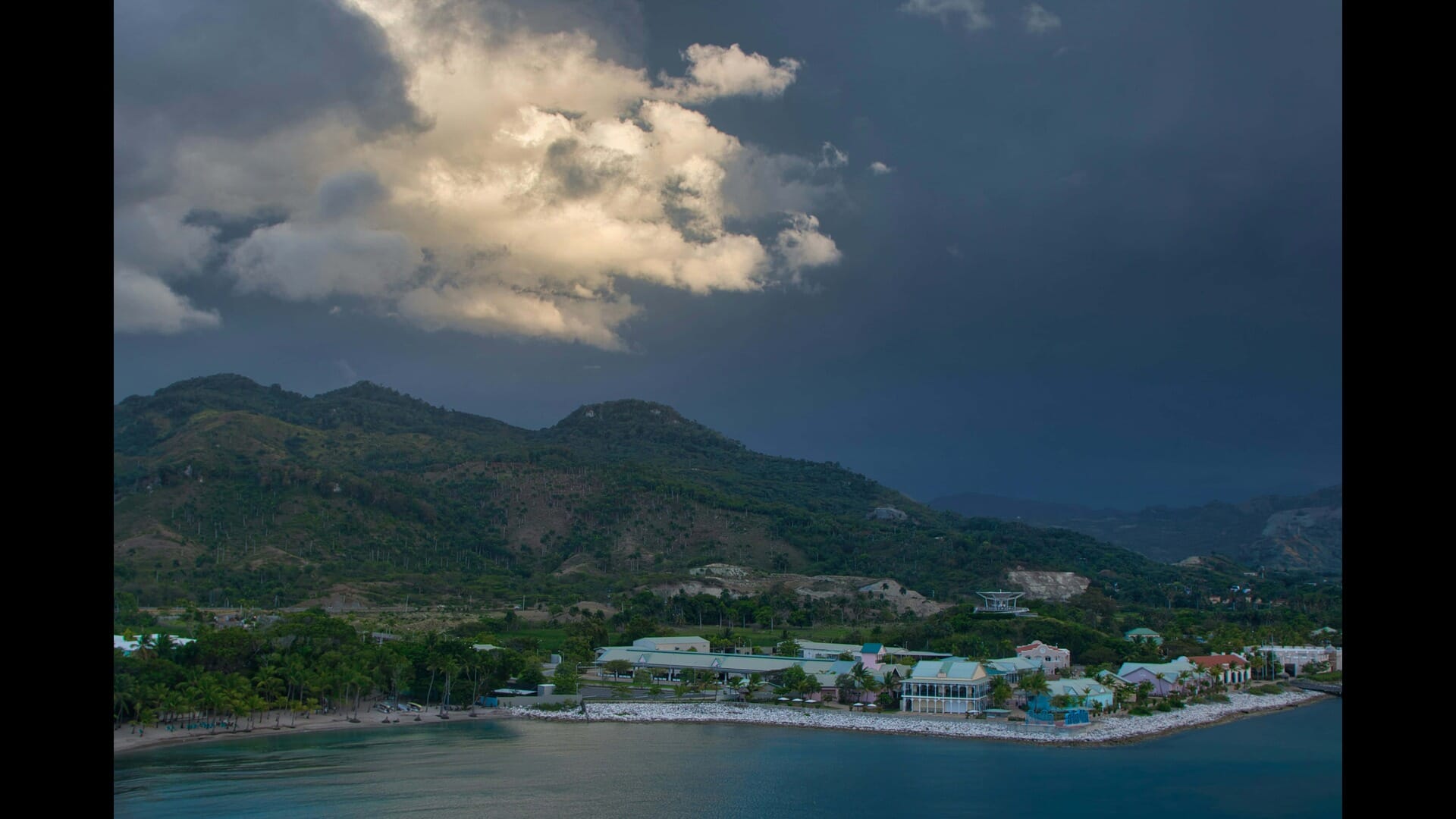
Exploring the Historical Sites of La Romana: A Journey Through Time
Exploring the Historical Sites of La Romana: A Journey Through Time
La Romana, a vibrant city located on the southeastern coast of the Dominican Republic, is not just a tropical paradise known for its stunning beaches and luxurious resorts. It is also a treasure trove of historical sites that narrate the rich tapestry of the island's past.
From ancient Taino settlements to colonial architecture and sugar mill ruins, La Romana offers a unique glimpse into the history and culture of the Dominican Republic. In this comprehensive travel guide, we will delve into the historical sites of La Romana, exploring their significance and the stories they tell.
The Historical Significance of La Romana
La Romana's history is deeply intertwined with the broader narrative of the Dominican Republic. Founded in the late 19th century, La Romana quickly became a center for sugar production, attracting immigrants from various parts of the world. The city’s development was fueled by the sugar industry, which played a pivotal role in shaping its economy and culture. Today, remnants of this history can be found in the form of well-preserved buildings, ruins, and cultural landmarks.
Visiting Altos de Chavón: A Replica of a 16th-Century Mediterranean Village
One of the most iconic historical sites in La Romana is Altos de Chavón, a stunning replica of a 16th-century Mediterranean village. Perched on a cliff overlooking the Chavón River, this picturesque village was designed by Italian architect Roberto Coppa in the 1970s. The cobblestone streets, charming boutiques, and art galleries create an enchanting atmosphere that transports visitors back in time.
The Architecture of Altos de Chavón
The architectural style of Altos de Chavón is reminiscent of the Mediterranean, featuring stone buildings, wrought-iron balconies, and terracotta roofs. The village is home to the Altos de Chavón School of Design, which has produced many talented artists and designers. Visitors can explore the various shops and galleries, showcasing local artisans and their crafts.
Cultural Events and Festivals
Altos de Chavón is not just a historical site; it is also a cultural hub. Throughout the year, the village hosts various events and festivals, including art exhibitions, music concerts, and theatrical performances. The amphitheater, which can accommodate over 5,000 spectators, has hosted renowned artists and musicians, making it a vibrant center for the arts.
Discovering the Sugar Mill Ruins of La Romana
La Romana's history is heavily influenced by the sugar industry, and the remnants of old sugar mills can be found scattered throughout the region. These ruins serve as a testament to the city’s industrial past and offer a glimpse into the lives of those who worked in the sugar plantations.
The Central Romana Sugar Mill
One of the most notable sugar mill ruins is the Central Romana Sugar Mill, which was established in the early 20th century. Although the mill is no longer operational, its towering chimneys and crumbling walls tell the story of a once-thriving industry. Guided tours are available, providing insights into the sugar production process and the impact it had on the local economy.
The Legacy of Sugar Production
The sugar industry played a significant role in shaping the social and economic landscape of La Romana. Many of the workers who labored in the sugar mills were brought to the island as part of the sugar trade, leading to a diverse cultural heritage that is still evident today. Exploring the sugar mill ruins allows visitors to appreciate the hard work and resilience of those who contributed to the city’s development.
Exploring the Taino Heritage: Cueva de las Maravillas
The Dominican Republic is home to the Taino people, the island's indigenous inhabitants. One of the most significant sites related to Taino culture is the Cueva de las Maravillas (Cave of Wonders), located just a short drive from La Romana. This stunning cave system is adorned with ancient petroglyphs and provides a fascinating insight into Taino life.
The Cave's Geological Features
Cueva de las Maravillas is not only historically significant but also a natural wonder. The cave features impressive stalactites and stalagmites, formed over thousands of years. Guided tours take visitors through the cave, highlighting its geological formations and the Taino artifacts discovered within.
Taino Art and Culture
Inside the cave, visitors can see ancient petroglyphs carved into the rock, depicting various aspects of Taino life, including their spiritual beliefs and daily activities. The cave serves as a reminder of the rich cultural heritage of the Taino people and their connection to the land.
The Colonial Charm of La Romana's Historic Center
La Romana's historic center is a delightful blend of colonial architecture and modern urban life. Walking through the streets, visitors can admire the colorful buildings, quaint plazas, and vibrant street art that reflect the city’s cultural diversity.
Key Historical Buildings
Among the notable buildings in the historic center is the Iglesia Santa Rosa de Lima, a charming church that dates back to the early 20th century. Its beautiful stained glass windows and intricate wooden altar make it a must-visit for history and architecture enthusiasts.
The Plaza de la Cultura
The Plaza de la Cultura is another highlight of La Romana's historic center. This lively square is surrounded by cultural institutions, including museums and galleries. It often hosts local events, markets, and performances, making it a vibrant gathering place for both locals and tourists.
The Impact of Colonial Architecture on La Romana
Colonial architecture has left a lasting mark on La Romana, with many buildings showcasing Spanish influences. The use of bright colors, wrought iron details, and tiled roofs is characteristic of the colonial style that can be seen throughout the city.
Preservation Efforts
Efforts to preserve La Romana's colonial architecture are ongoing, with local organizations working to maintain and restore historical buildings. This commitment to preservation ensures that future generations can appreciate the city’s rich architectural heritage.
Visiting the Casa de Campo Resort: A Historical Perspective
While Casa de Campo is primarily known as a luxury resort, it also has historical significance. The area was once a sugar plantation, and remnants of its past can still be seen today. The resort offers a unique blend of modern amenities and historical charm, making it a popular destination for travelers.
The Marina and Its Historical Roots
The Casa de Campo Marina is a bustling hub for boating and water sports, but it also pays homage to the area’s historical roots. The marina is designed to resemble a traditional fishing village, with colorful buildings and a lively atmosphere. Visitors can enjoy waterfront dining and shopping while soaking in the historical ambiance.
Exploring the Resort's Historical Sites
Within the resort, guests can explore various historical sites, including the ancient sugar mill ruins and the Casa de Campo Cultural Center, which offers exhibitions on the region's history and culture. This unique blend of luxury and history makes Casa de Campo a fascinating destination for travelers seeking both relaxation and cultural enrichment.
The Role of La Romana in Dominican Republic's Independence
La Romana played a crucial role in the Dominican Republic's struggle for independence. The city was a center for revolutionary activities and served as a base for many key figures in the fight against colonial rule. Understanding this historical context adds depth to any visit to La Romana.
Key Historical Figures
Among the notable figures associated with La Romana's independence movement is Juan Pablo Duarte, a national hero and founding father of the Dominican Republic. His legacy is celebrated throughout the country, and visitors can learn more about his contributions at various historical sites in La Romana.
Cultural Experiences: Museums and Art Galleries in La Romana
To fully appreciate the history of La Romana, visitors should explore its museums and art galleries. These cultural institutions provide valuable insights into the city’s past and showcase the work of local artists.
The Regional Museum of Archaeology
The Regional Museum of Archaeology is a must-visit for history enthusiasts. The museum features exhibits on the Taino civilization, colonial history, and the sugar industry. Artifacts, photographs, and interactive displays offer a comprehensive overview of the region's rich heritage.
Local Art Galleries
In addition to museums, La Romana is home to several art galleries that showcase the work of local artists. From contemporary paintings to traditional crafts, these galleries provide a platform for artists to share their creativity and cultural expressions.
Culinary Heritage: Traditional Dominican Cuisine in La Romana
No exploration of La Romana would be complete without indulging in its culinary heritage. The city offers a diverse array of dining options, from street food stalls to upscale restaurants, serving traditional Dominican dishes that reflect the island's history and culture.
Must-Try Dominican Dishes
Some must-try dishes include sancocho, a hearty meat and vegetable stew, and mangu, a delicious mashed plantain dish often served for breakfast. Local seafood is also abundant, with fresh catches available at many coastal restaurants.
Culinary Tours and Experiences
For those looking to immerse themselves in the local food culture, culinary tours are available. These tours often include visits to local markets, cooking classes, and tastings of traditional dishes, providing a unique perspective on Dominican cuisine.
Conclusion: Embracing the Rich History of La Romana
Exploring the historical sites of La Romana is a journey through time, offering visitors a chance to connect with the rich cultural heritage of the Dominican Republic. From the stunning architecture of Altos de Chavón to the remnants of the sugar industry and the vibrant historic center, La Romana is a city that celebrates its past while embracing the future. Whether you are a history buff, an architecture enthusiast, or simply looking to experience the local culture, La Romana has something to offer everyone. So pack your bags and embark on an unforgettable adventure through the historical treasures of La Romana!
Additional Resources for Travelers
For those planning a trip to La Romana, consider checking out local tourism websites, travel blogs, and guides for the latest information on attractions, events, and accommodations. Engaging with local tour operators can also enhance your experience, providing insider knowledge and unique perspectives on the city’s history and culture.