
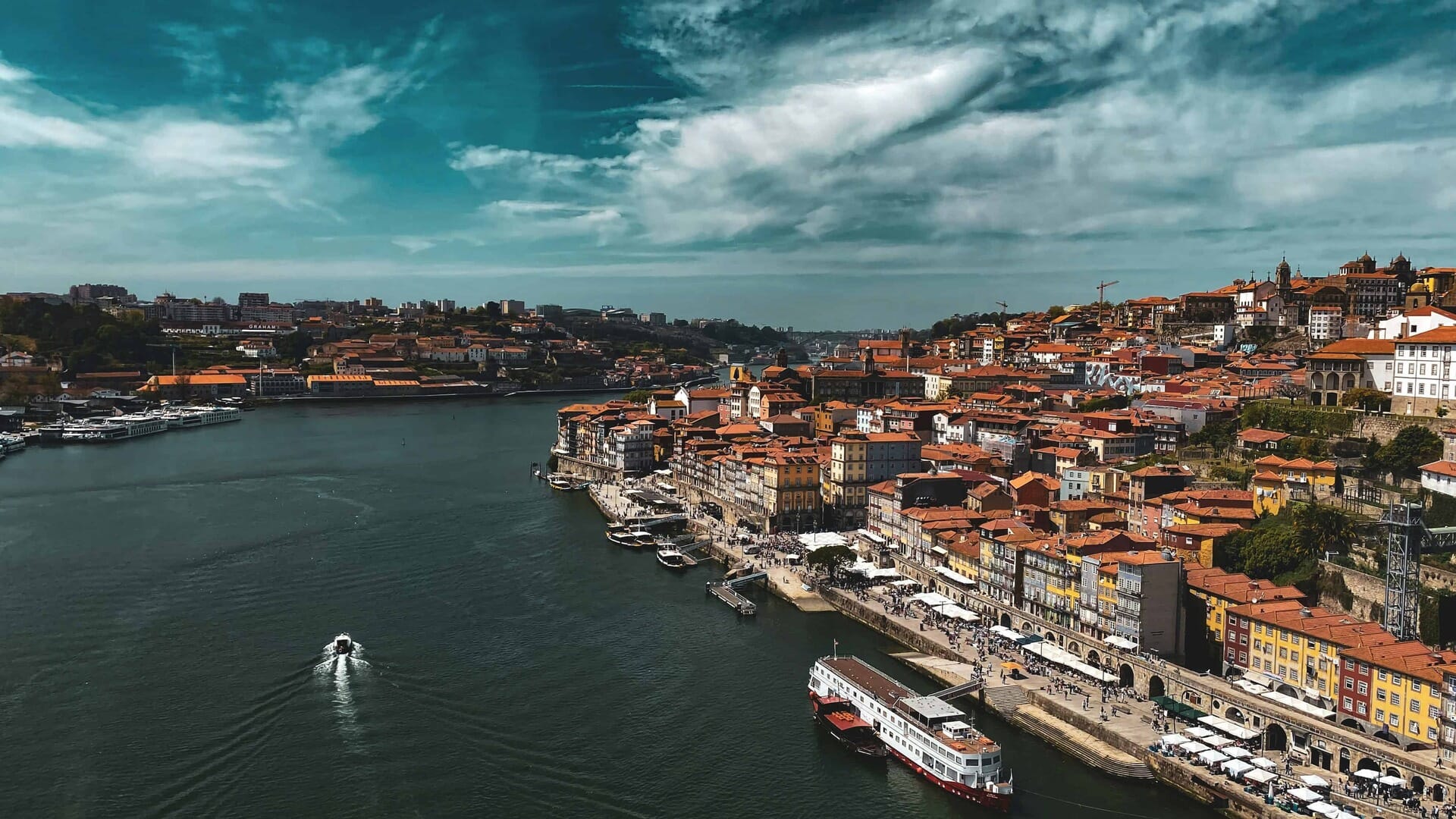
Exploring the Historical Sites of Evora: A Journey Through Time
Exploring the Historical Sites of Evora: A Journey Through Time
Evora, a captivating city in Portugal’s Alentejo region, is a treasure trove of history and culture. With its well-preserved medieval architecture, ancient Roman ruins, and vibrant local traditions, Evora offers visitors a unique glimpse into the past. This article will guide you through the historical sites of Evora, providing insights into their significance and tips for making the most of your visit.
The Rich History of Evora: An Overview of Its Past
Evora's history dates back to prehistoric times, with evidence of settlements as early as the Neolithic period. The city flourished under Roman rule, becoming an important administrative center. After the fall of the Roman Empire, Evora continued to thrive during the Moorish occupation, which left a lasting impact on its architecture and culture. Today, Evora is recognized as a UNESCO World Heritage Site, showcasing its rich tapestry of history.
Visiting the Roman Temple of Evora: A Glimpse into Ancient Times
One of the most iconic landmarks in Evora is the Roman Temple of Evora, also known as the Temple of Diana. This ancient structure, dating back to the 1st century AD, is a remarkable example of Roman architecture. The temple was dedicated to the goddess Diana and features 14 Corinthian columns that stand majestically against the backdrop of the city.
The Significance of the Roman Temple
The Roman Temple is not just a stunning architectural feat; it also serves as a reminder of Evora's importance during the Roman Empire. It was part of a larger complex that included a forum and other public buildings, highlighting the city's role as a center of commerce and governance.
Tips for Visiting the Roman Temple
- Best Time to Visit: Early morning or late afternoon to avoid crowds and enjoy the soft light for photography.
- Guided Tours: Consider joining a guided tour to learn more about the temple's history and significance.
- Nearby Attractions: Don’t miss the nearby Evora Museum, which houses artifacts from the Roman period.
The Cathedral of Evora: A Masterpiece of Gothic Architecture
The Cathedral of Evora, or Sé de Evora, is another must-visit historical site. This stunning cathedral, built between the 12th and 13th centuries, showcases a blend of Romanesque and Gothic architectural styles. Its towering façade and intricate interior make it a highlight of any visit to Evora.
Exploring the Interior of the Cathedral
Inside the cathedral, visitors can admire the beautiful altarpieces, intricate chapels, and the stunning cloister. The highlight is the Cathedral’s Bell Tower, which offers panoramic views of Evora and the surrounding countryside.
Tips for Visiting the Cathedral of Evora
- Entry Fee: There is a small entry fee, but it is well worth it for the experience.
- Dress Code: As it is a religious site, visitors are advised to dress modestly.
- Audio Guides: Consider renting an audio guide to enhance your understanding of the cathedral’s history.
The Chapel of Bones: A Unique and Haunting Experience
One of the most intriguing sites in Evora is the Chapel of Bones (Capela dos Ossos), located within the Church of St. Francis. This macabre chapel is adorned with the bones of over 5,000 monks, serving as a reminder of the transient nature of life.
The History Behind the Chapel
Constructed in the 16th century, the Chapel of Bones was built by Franciscan monks as a way to encourage reflection on mortality. The walls are lined with skulls and bones, creating a haunting yet fascinating atmosphere.
Tips for Visiting the Chapel of Bones
- Photography: Photography is allowed, but be respectful of the site’s somber nature.
- Guided Tours: A guided tour can provide deeper insights into the chapel’s history and significance.
- Timing: Visit during the day to fully appreciate the natural light filtering through the chapel.
The Aqueduct of Evora: An Engineering Marvel
The Aqueduct of Evora, known as the Água de Prata, is an impressive feat of engineering that dates back to the 16th century. This aqueduct was built to transport water from the nearby mountains to the city, showcasing the ingenuity of the time.
Walking Along the Aqueduct
Visitors can walk along sections of the aqueduct, which offers stunning views of the surrounding landscape. The aqueduct’s arches are a striking feature, making it a popular spot for photography.
Tips for Visiting the Aqueduct of Evora
- Best Views: The best views can be found from the higher sections of the aqueduct.
- Bring Water: Make sure to stay hydrated, especially during the warmer months.
- Combine with a Walk: Consider combining your visit with a walk through the nearby gardens.
The University of Evora: A Hub of Knowledge and Culture
The University of Evora is one of the oldest universities in Portugal, founded in 1559. The university is housed in a beautiful historic building that reflects the city’s rich academic tradition.
Exploring the University Grounds
Visitors can explore the university’s stunning courtyards, libraries, and lecture halls. The University’s Chapel is particularly noteworthy, with its intricate baroque altar and beautiful azulejos (ceramic tiles).
Tips for Visiting the University of Evora
- Guided Tours: Check if guided tours are available to learn more about the university’s history.
- Cultural Events: Look out for cultural events or exhibitions that may be taking place during your visit.
- Photography: The university grounds are picturesque, making it a great spot for photography.
The Historic Center of Evora: A UNESCO World Heritage Site
The Historic Center of Evora is a UNESCO World Heritage Site, recognized for its well-preserved medieval architecture and rich history. Strolling through the narrow streets, visitors can admire the charming buildings, quaint shops, and vibrant squares.
Highlights of the Historic Center
- Praça do Giraldo: The main square of Evora, surrounded by cafes and shops, is a great place to relax and soak in the atmosphere.
- Igreja de São João Evangelista: A beautiful church known for its stunning azulejos.
- Palácio de Dom Manuel: A historic palace that showcases the city’s royal past.
Tips for Exploring the Historic Center
- Walking Tours: Consider joining a walking tour to discover hidden gems and learn about the city’s history.
- Local Cuisine: Don’t miss the chance to try local delicacies at the cafes and restaurants in the area.
- Souvenirs: Look for unique souvenirs, such as handmade crafts and traditional Portuguese products.
The Alentejo Region: Exploring Beyond Evora
While Evora is a highlight of the Alentejo region, there are many other historical sites and attractions worth exploring. The region is known for its stunning landscapes, charming villages, and rich culinary traditions.
Nearby Historical Sites to Visit
- Castelo de Monsaraz: A medieval castle offering breathtaking views of the surrounding countryside.
- Roman Ruins of Ammaia: Explore the remains of this ancient Roman city, including baths and temples.
- Convento de Nossa Senhora da Graça: A beautiful convent with stunning architecture and serene gardens.
Tips for Exploring the Alentejo Region
- Car Rental: Renting a car is recommended to explore the region at your own pace.
- Local Markets: Visit local markets to sample regional products, including cheeses, wines, and olive oils.
- Cultural Festivals: Check the local calendar for cultural festivals that celebrate the region’s heritage.
Evora’s Culinary Delights: A Taste of Tradition
No visit to Evora would be complete without indulging in the local cuisine. The Alentejo region is known for its hearty dishes, fine wines, and delicious pastries.
Traditional Dishes to Try
- Açorda: A traditional bread soup made with garlic, olive oil, and poached eggs.
- Porco Preto: Black pork, a local delicacy known for its rich flavor.
- Sericaia: A traditional dessert made with eggs and sugar, often served with plums.
Tips for Enjoying Evora’s Culinary Scene
- Local Restaurants: Seek out local restaurants for an authentic dining experience.
- Wine Tasting: Consider visiting local wineries to sample the region’s renowned wines.
- Cooking Classes: Join a cooking class to learn how to prepare traditional Alentejo dishes.
Conclusion: Embracing the History and Culture of Evora
Evora is a city that invites exploration, offering a rich tapestry of history, culture, and culinary delights. From ancient Roman ruins to stunning Gothic architecture, every corner of Evora tells a story. Whether you’re wandering through the historic center, savoring local cuisine, or reflecting on the past at the Chapel of Bones, Evora promises an unforgettable journey through time. So pack your bags, and get ready to explore the historical sites of Evora, where every moment is steeped in history and every experience is a celebration of culture.