
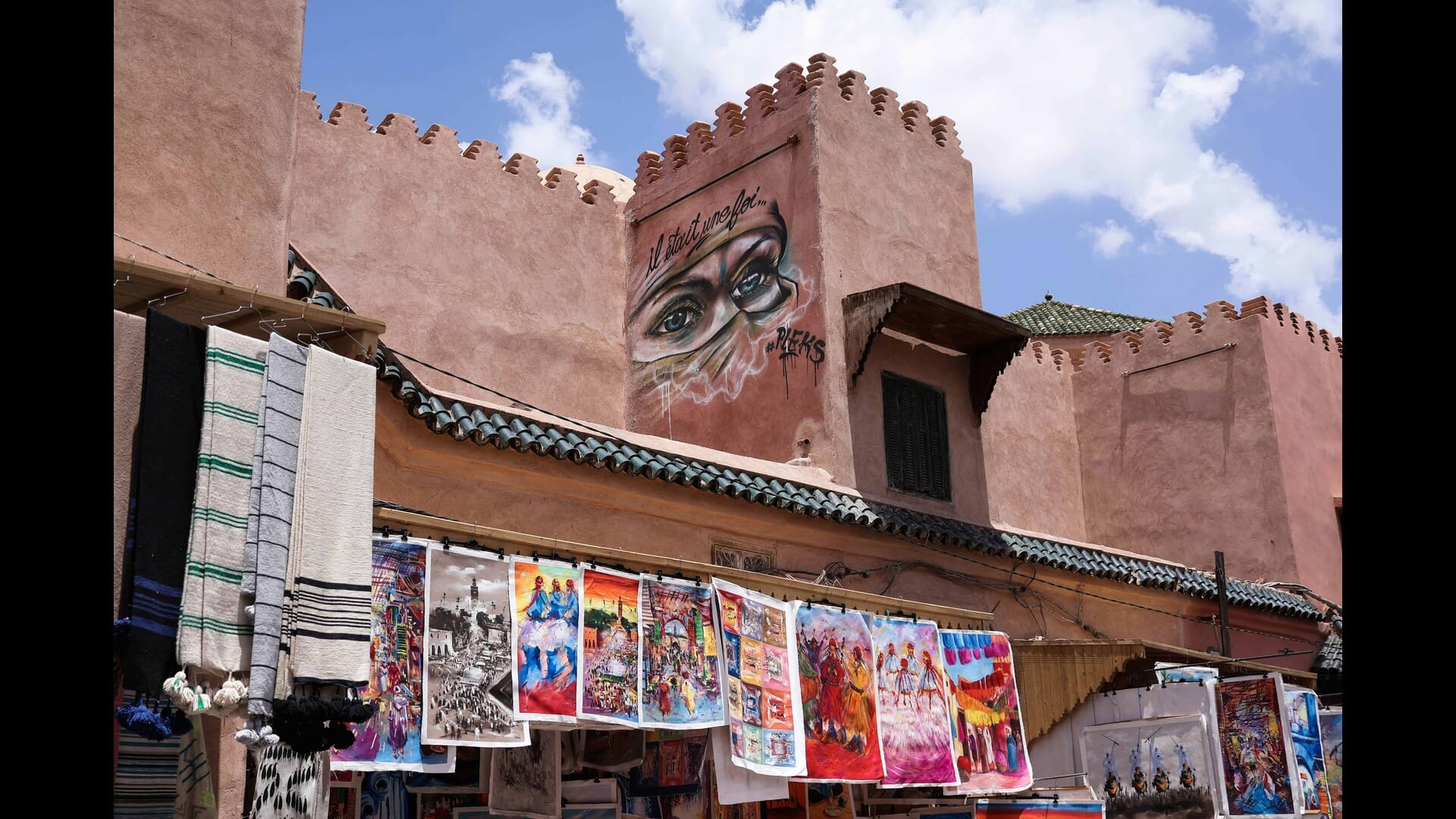
Exploring the Historic Kasbahs of Morocco: A Journey Back in Time
Exploring the Historic Kasbahs of Morocco: A Journey Back in Time
Morocco, a country steeped in rich history and vibrant culture, is home to some of the most stunning architectural wonders in the world. Among these, the kasbahs stand out as magnificent testaments to the ingenuity and artistry of Moroccan civilization.
These ancient fortresses, often built from adobe and stone, are not just structures; they are the very embodiment of the country’s historical narrative, reflecting the blend of Berber, Arab, and French influences that have shaped Morocco over the centuries.
In this comprehensive travel guide, we will embark on a journey through the historic kasbahs of Morocco, exploring their architectural beauty, cultural significance, and the stories they tell. From the bustling streets of Marrakech to the serene landscapes of the Atlas Mountains, we will uncover the hidden gems of this enchanting land.
The Significance of Kasbahs in Moroccan Culture
Kasbahs, derived from the Arabic word for fortress, are fortified structures that served as residences for local leaders and their families. They were strategically built in areas of importance, often overlooking valleys or trade routes, to provide protection against invaders and to assert authority over the surrounding lands.
These structures are characterized by their high walls, narrow alleys, and intricate designs, often featuring beautiful tile work and ornate wood carvings. The kasbahs were not only military strongholds but also centers of administration and commerce, playing a crucial role in the social and economic life of the region.
A Brief History of Moroccan Kasbahs
The history of kasbahs in Morocco dates back to the 11th century, during the reign of the Almoravid dynasty. Initially constructed as military fortifications, they evolved into residential and administrative centers for local rulers. The architectural style of kasbahs reflects the diverse influences that have shaped Morocco, including Berber, Arab, and Spanish elements.
Throughout the centuries, kasbahs have witnessed the rise and fall of empires, serving as silent witnesses to the tumultuous history of the region. Many kasbahs fell into disrepair after the decline of their respective dynasties, but a resurgence of interest in cultural heritage has led to restoration efforts, allowing visitors to experience these historical treasures firsthand.
The Most Famous Kasbahs to Visit in Morocco
As we set off on our journey, let’s explore some of the most iconic kasbahs that should be on every traveler’s itinerary.
1. Ait Ben Haddou: The UNESCO World Heritage Site
Located near Ouarzazate, Ait Ben Haddou is perhaps the most famous kasbah in Morocco. This UNESCO World Heritage Site is a stunning example of traditional earthen clay architecture, with its towering walls and intricate decorations.
The kasbah served as a caravan stop for traders crossing the Sahara and has been featured in numerous films, including Gladiator and Game of Thrones. Walking through its narrow alleys, you can almost hear the whispers of history as you explore the ancient structures and vibrant local culture.
2. Kasbah Taourirt: A Glimpse into Royal Life
Just a stone's throw from Ait Ben Haddou, Kasbah Taourirt is another architectural marvel. Once the residence of the Glaoui family, this kasbah boasts impressive towers and beautifully decorated rooms.
Visitors can explore the labyrinthine passages and discover the rich history of the Glaoui dynasty, who played a significant role in Moroccan politics during the early 20th century. The kasbah’s restoration has preserved its grandeur, making it a must-visit for history enthusiasts.
3. Kasbah of the Udayas: A Coastal Gem
Perched on a cliff overlooking the Atlantic Ocean, the Kasbah of the Udayas in Rabat is a stunning blend of history and natural beauty. This kasbah dates back to the 12th century and features narrow blue and white streets that evoke a sense of tranquility.
Visitors can explore the kasbah’s gardens, visit the ancient mosque, and enjoy breathtaking views of the ocean. The Udayas are a testament to the coastal history of Morocco, showcasing the interplay between land and sea.
4. Kasbah Amridil: A Living Museum
Located in the Skoura Oasis, Kasbah Amridil is a well-preserved example of traditional Moroccan architecture. This kasbah offers a glimpse into the daily lives of its former inhabitants, with exhibits showcasing traditional crafts, agriculture, and local customs.
The kasbah’s picturesque setting, surrounded by palm groves and the Atlas Mountains, makes it a perfect spot for photography and relaxation. Visitors can also enjoy guided tours that delve into the history and significance of the kasbah.
5. Kasbah Tizourgane: The Hidden Gem
For those seeking an off-the-beaten-path experience, Kasbah Tizourgane is a hidden gem located in the Anti-Atlas Mountains. This lesser-known kasbah offers stunning views of the surrounding landscape and a chance to experience authentic Berber culture.
Visitors can hike through the nearby mountains, interact with local families, and learn about traditional Berber customs. The kasbah’s rustic charm and breathtaking scenery make it a perfect escape from the hustle and bustle of tourist hotspots.
The Architectural Marvels of Kasbahs
One of the most striking features of kasbahs is their unique architectural style. Built primarily from adobe, a mixture of clay, straw, and water, these structures are designed to withstand the harsh Moroccan climate. The thick walls provide insulation against both heat and cold, ensuring a comfortable living environment.
The Use of Natural Materials
The use of natural materials is a hallmark of kasbah architecture. Adobe is not only abundant in the region but also environmentally friendly. The earthen walls are often adorned with decorative motifs, showcasing the artistic skills of local craftsmen.
Many kasbahs also feature intricate tile work, wooden doors, and carved window frames, reflecting the cultural influences that have shaped Moroccan design. The attention to detail in these structures is a testament to the craftsmanship and dedication of the builders.
The Layout of Kasbahs
Kasbahs are typically organized around a central courtyard, which serves as the heart of the structure. This layout promotes ventilation and provides a communal space for family gatherings and social activities.
The rooms are often arranged in a labyrinthine fashion, with narrow corridors and staircases leading to different levels. This design not only enhances privacy but also adds to the kasbah’s defensive capabilities, making it difficult for intruders to navigate.
The Cultural Heritage of Kasbahs
Kasbahs are more than just architectural wonders; they are living museums that preserve the cultural heritage of Morocco. Each kasbah tells a story, reflecting the traditions, customs, and lifestyles of the people who once inhabited them.
Traditional Crafts and Artisanship
Many kasbahs are home to skilled artisans who continue to practice traditional crafts, such as pottery, weaving, and woodworking. Visitors can witness these crafts in action and even participate in workshops to learn the techniques passed down through generations.
Supporting local artisans not only helps preserve these ancient skills but also contributes to the economic sustainability of the region. Purchasing handmade crafts is a meaningful way to take a piece of Moroccan culture home with you.
Festivals and Celebrations
Throughout the year, many kasbahs host festivals and cultural events that celebrate local traditions. These gatherings often feature music, dance, and traditional cuisine, providing visitors with an immersive experience of Moroccan culture.
Participating in these festivities allows travelers to connect with the local community and gain a deeper understanding of the customs that define Moroccan identity.
Practical Tips for Visiting Kasbahs in Morocco
As you prepare for your journey through the historic kasbahs of Morocco, here are some practical tips to enhance your experience:
1. Dress Appropriately
Morocco is a predominantly Muslim country, and it’s important to dress modestly, especially when visiting rural areas and religious sites. Lightweight, breathable clothing is recommended, along with a scarf or shawl for women to cover their heads when necessary.
2. Stay Hydrated
The Moroccan climate can be quite hot, especially during the summer months. Be sure to carry water with you and stay hydrated as you explore the kasbahs and surrounding areas.
3. Hire a Local Guide
To truly appreciate the history and significance of the kasbahs, consider hiring a local guide. They can provide valuable insights, share stories, and help you navigate the often labyrinthine structures.
4. Respect Local Customs
When visiting kasbahs, it’s essential to respect local customs and traditions. Always ask for permission before taking photographs of people, and be mindful of cultural sensitivities.
5. Explore Off the Beaten Path
While some kasbahs are well-known tourist attractions, don’t hesitate to venture off the beaten path. Lesser-known kasbahs often offer a more authentic experience and a chance to connect with local communities.
Conclusion: A Timeless Journey Through Morocco’s Kasbahs
Exploring the historic kasbahs of Morocco is like stepping back in time. Each fortress tells a story, revealing the rich tapestry of Moroccan history and culture. From the bustling markets of Marrakech to the serene landscapes of the Atlas Mountains, the kasbahs offer a unique glimpse into a world where tradition and modernity coexist.
As you wander through the narrow alleys, admire the intricate architecture, and engage with the local community, you’ll find that the kasbahs are not just relics of the past; they are vibrant living spaces that continue to shape the identity of Morocco. So pack your bags, embark on this unforgettable journey, and let the kasbahs of Morocco enchant you with their timeless beauty.