
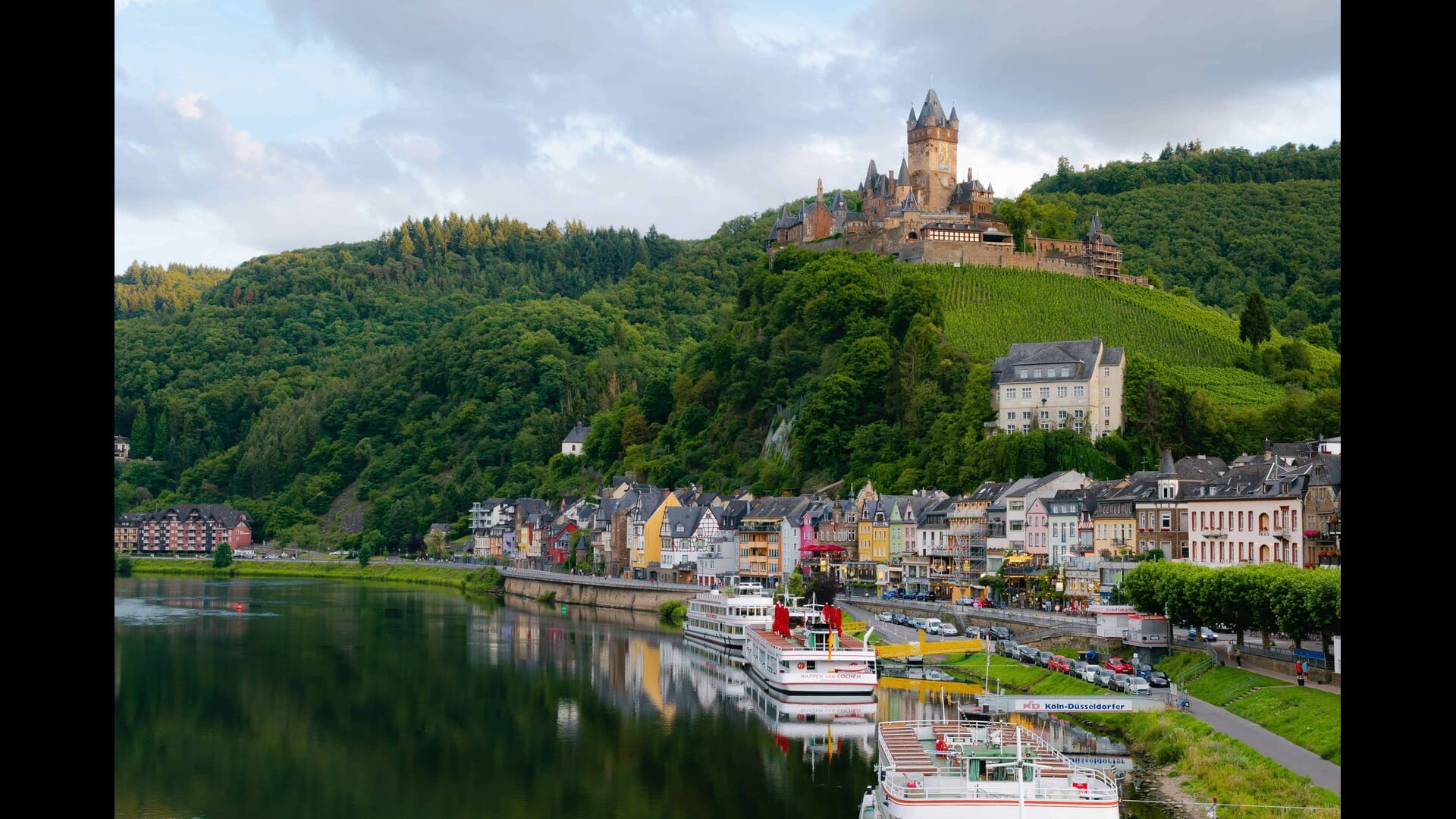
Exploring Germany’s Wildlife: A Guide to Biodiversity
Exploring Germany’s Wildlife: A Guide to Biodiversity
Germany, a country known for its rich history, vibrant culture, and stunning landscapes, is also home to an incredible array of wildlife. From the majestic Alps in the south to the serene coasts of the North Sea and Baltic Sea in the north, Germany’s diverse ecosystems provide habitats for a multitude of species.
This guide will take you on an immersive journey through Germany’s wildlife, exploring its biodiversity, unique habitats, and the conservation efforts in place to protect these natural treasures.
Understanding Germany’s Biodiversity
Germany boasts a remarkable biodiversity that is both rich and varied. With over 80,000 species of animals and 30,000 species of plants, the country is a haven for nature enthusiasts. The geographical diversity of Germany, which includes mountains, forests, rivers, and coastal areas, contributes significantly to this biodiversity.
The Importance of Biodiversity in Germany
Biodiversity is essential for maintaining the balance of ecosystems and providing services that benefit humanity, such as clean air, water, and fertile soil. In Germany, biodiversity plays a crucial role in agriculture, tourism, and recreation. The country’s commitment to preserving its natural heritage is evident in its numerous conservation programs and protected areas.
Germany’s Unique Habitats and Ecosystems
Germany’s varied landscapes create a multitude of habitats, each supporting different species. Understanding these ecosystems is key to appreciating the country’s wildlife.
1. Forests: The Lungs of Germany
Germany is home to approximately 11.4 million hectares of forest, making up about one-third of the country’s land area. The forests are predominantly composed of coniferous and deciduous trees, including beech, oak, and spruce. These forests provide habitat for a wide range of wildlife, including deer, foxes, wild boars, and numerous bird species such as woodpeckers and owls.
The Black Forest: A Biodiversity Hotspot
The Black Forest (Schwarzwald) is one of Germany’s most famous forested regions, known for its dense woods, picturesque villages, and rich wildlife. This area is home to several endangered species, including the European wildcat and the black stork. The Black Forest National Park is a protected area that offers hiking trails and opportunities for wildlife observation.
2. Wetlands: Biodiversity Sanctuaries
Wetlands are crucial ecosystems that support a diverse range of flora and fauna. Germany has several important wetland areas, including the Wadden Sea, which is a UNESCO World Heritage site. This unique coastal ecosystem is home to migratory birds, seals, and a variety of marine life.
The Wadden Sea: A UNESCO World Heritage Site
The Wadden Sea is a vast intertidal zone that stretches along the North Sea coast of Germany, Denmark, and the Netherlands. It is an essential stopover for migratory birds on their journey between Europe and Africa. Birdwatchers flock to this area to witness the spectacular sight of thousands of birds feeding during low tide.
3. Mountains: Alpine Biodiversity
The Bavarian Alps in southern Germany are home to unique alpine ecosystems. The rugged terrain and varying altitudes create diverse habitats that support a range of species, including the chamois, marmots, and golden eagles. The Berchtesgaden National Park is a prime location for exploring alpine wildlife and breathtaking landscapes.
4. Coastal Areas: A Rich Marine Ecosystem
Germany’s coastline along the North Sea and Baltic Sea is rich in marine biodiversity. The coastal waters are home to various fish species, seals, and seabirds. The German part of the Baltic Sea is known for its unique underwater habitats, including seagrass beds and reefs.
Iconic Animal Species of Germany
Germany is home to a variety of iconic animal species that reflect the country’s rich biodiversity. Understanding these species can enhance your wildlife exploration experience.
1. The European Brown Bear
Once nearly extinct in Germany, the European brown bear is making a comeback thanks to conservation efforts. These majestic creatures can be found in the Bavarian Forest National Park, where they roam freely in their natural habitat.
2. The Eurasian Lynx
The elusive Eurasian lynx is another species that has seen a resurgence in Germany. With its tufted ears and striking appearance, this solitary cat is primarily found in forested areas, particularly in the Bavarian Forest.
3. The White-tailed Eagle
As one of Europe’s largest birds of prey, the white-tailed eagle is a symbol of strength and resilience. These magnificent birds can be spotted near lakes and rivers, where they hunt for fish and other prey.
4. The Red Fox
The red fox is a common sight in Germany’s rural and urban areas. Known for its adaptability, the red fox thrives in various habitats and is often seen at dusk and dawn.
5. The Common European Adder
The common European adder is the only venomous snake found in Germany. While it is generally shy and avoids humans, it plays a vital role in the ecosystem as a predator of small mammals and birds.
Birdwatching in Germany: A Paradise for Avian Enthusiasts
Germany is a birdwatcher’s paradise, with diverse habitats that attract a wide range of bird species. From migratory birds in coastal wetlands to forest-dwelling species, there are countless opportunities for birdwatching.
Best Birdwatching Locations in Germany
- The Wadden Sea: Ideal for observing migratory birds, especially during spring and autumn.
- The Bavarian Forest: Home to various forest birds, including woodpeckers and owls.
- Lake Constance: A hotspot for waterfowl and migratory birds.
- The Elbe River Delta: Known for its diverse bird species, including the white-tailed eagle and various waders.
Flora and Fauna: Discovering Germany’s Plant Life
Germany’s diverse ecosystems are not only home to a variety of animal species but also boast an impressive array of plant life. From lush forests to alpine meadows, the country’s flora is as diverse as its fauna.
Endemic Plant Species of Germany
Germany is home to several endemic plant species, including the following:
- The German Bluebell: A beautiful wildflower that blooms in spring, often found in woodlands.
- The Alpine Buttercup: A delicate flower that thrives in the alpine regions of Bavaria.
- The Common Juniper: A hardy shrub that grows in various habitats, including coastal areas and heathlands.
Conservation Efforts in Germany: Protecting Wildlife and Habitats
Germany is committed to preserving its natural heritage through various conservation initiatives. The country has established numerous national parks, nature reserves, and wildlife protection programs to safeguard its biodiversity.
National Parks and Nature Reserves
Germany has 16 national parks, each offering unique landscapes and habitats. Some notable national parks include:
- Bavarian Forest National Park: Germany’s first national park, home to diverse wildlife and lush forests.
- Saxon Switzerland National Park: Known for its stunning rock formations and rich biodiversity.
- Jasmund National Park: Famous for its chalk cliffs and unique coastal ecosystems.
Wildlife Protection Programs
Various organizations and government initiatives work tirelessly to protect Germany’s wildlife. These programs focus on habitat restoration, species monitoring, and public education to raise awareness about the importance of biodiversity.
Eco-Tourism in Germany: A Sustainable Way to Explore Nature
Eco-tourism is gaining popularity in Germany, offering travelers a sustainable way to experience the country’s natural beauty. From guided wildlife tours to eco-friendly accommodations, there are numerous options for nature lovers.
Tips for Responsible Wildlife Watching
- Respect Wildlife: Keep a safe distance from animals and avoid disturbing their natural behavior.
- Stay on Trails: Stick to marked paths to minimize your impact on the environment.
- Leave No Trace: Take all your litter with you and leave natural areas as you found them.
Hiking in Germany: A Gateway to Wildlife Encounters
Hiking is one of the best ways to explore Germany’s diverse landscapes and encounter its wildlife. With thousands of kilometers of well-marked trails, hikers can immerse themselves in nature while enjoying breathtaking views.
Popular Hiking Trails for Wildlife Observation
- The Rothaarsteig: A scenic trail that winds through the Rothaar Mountains, offering opportunities to spot deer and various bird species.
- The Malerweg: A picturesque trail in Saxon Switzerland, known for its stunning rock formations and diverse flora and fauna.
- The Altmühltal Nature Park: A trail that takes you through beautiful landscapes, where you can encounter a variety of wildlife.
Conclusion: Embracing Germany’s Natural Heritage
Exploring Germany’s wildlife offers a unique opportunity to connect with nature and appreciate the country’s rich biodiversity. From the majestic forests of Bavaria to the serene wetlands of the North Sea, Germany is a treasure trove of natural wonders waiting to be discovered. By understanding and respecting the delicate balance of these ecosystems, we can ensure that future generations will also have the chance to experience the beauty of Germany’s wildlife. Whether you’re an avid birdwatcher, a hiking enthusiast, or simply someone who loves nature, Germany’s diverse landscapes and rich biodiversity will leave you in awe. So pack your bags, lace up your hiking boots, and get ready to embark on an unforgettable adventure through Germany’s wild heart.