
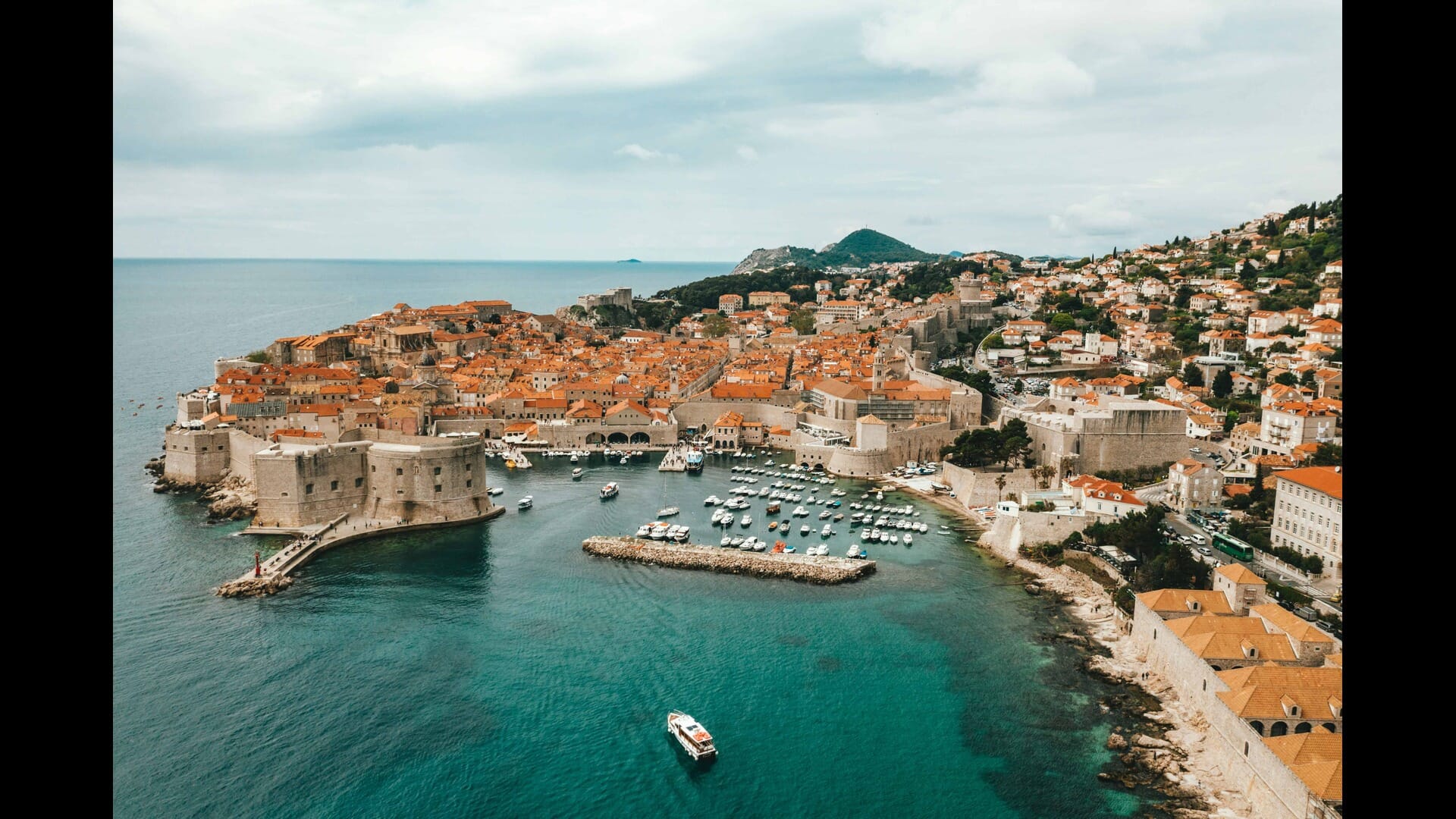
Exploring the Ruins of Diocletian’s Palace: A Journey Through History
Exploring the Ruins of Diocletian’s Palace: A Journey Through History
Diocletian’s Palace, a UNESCO World Heritage Site, stands as a testament to the grandeur of Roman architecture and the rich history of Split, Croatia. Built in the late 3rd century AD, this ancient palace was not just a residence for the Roman Emperor Diocletian but also a fortified military complex.
Today, the ruins of Diocletian's Palace attract millions of visitors each year, eager to explore its labyrinthine streets, majestic structures, and the stories that echo through its ancient walls.
The Historical Significance of Diocletian’s Palace
Diocletian’s Palace is more than just a collection of ancient ruins; it is a symbol of the power and influence of the Roman Empire at its height. Constructed between 295 and 305 AD, the palace served as a retirement residence for Emperor Diocletian, who famously divided the Roman Empire into the Eastern and Western halves. The palace was designed to be a fortress, complete with walls, towers, and a series of buildings that housed the emperor’s retinue, military garrison, and servants.
The historical significance of Diocletian’s Palace extends beyond its architectural grandeur. It represents a pivotal moment in Roman history, marking the transition from the ancient world to the Middle Ages. As the empire began to decline, the palace became a refuge for the local population, who sought shelter within its walls during times of conflict. Over the centuries, the palace evolved from a royal residence into a bustling urban center, with shops, homes, and churches emerging within its confines.
Architectural Marvels of Diocletian’s Palace
One of the most captivating aspects of Diocletian’s Palace is its architectural design. The palace covers an area of approximately 30,000 square meters and is surrounded by massive walls that rise up to 25 meters high. The layout of the palace is a blend of Roman engineering and local influences, showcasing the ingenuity of ancient builders.
The Peristyle: The Heart of the Palace
At the center of Diocletian’s Palace lies the Peristyle, an open courtyard surrounded by a colonnade of 24 columns. This grand space served as the main entrance to the emperor’s private quarters and was used for public gatherings and ceremonies. The Peristyle is adorned with intricate carvings and features a stunning view of the Cathedral of Saint Domnius, which was originally built as a mausoleum for Diocletian himself.
The Cathedral of Saint Domnius
The Cathedral of Saint Domnius, one of the oldest Catholic cathedrals in the world, is a must-visit site within the palace complex. Originally constructed as a mausoleum for Diocletian, it was converted into a church in the 7th century. The cathedral’s bell tower, which stands at 57 meters tall, offers panoramic views of Split and the surrounding Adriatic Sea. Visitors can climb the narrow staircase to the top for a breathtaking perspective of the city.
The Temple of Jupiter
Another remarkable structure within the palace is the Temple of Jupiter, dedicated to the Roman god of sky and thunder. This well-preserved temple features a circular design and is adorned with Corinthian columns. Inside, visitors can find a statue of Jupiter, which was added during the Middle Ages. The temple’s unique architecture and historical significance make it a highlight for those exploring the ruins of Diocletian’s Palace.
Walking Through the Ruins: A Visitor’s Experience
Exploring the ruins of Diocletian’s Palace is like stepping back in time. The narrow streets, ancient stone walls, and bustling atmosphere create a unique experience that immerses visitors in the rich history of the site. As you wander through the palace, you’ll encounter a mix of ancient ruins and modern life, with shops, cafes, and restaurants seamlessly integrated into the historic landscape.
The Vestibule: An Architectural Gem
As you enter the palace from the Silver Gate, you’ll find yourself in the Vestibule, a grand entrance hall that leads to the Peristyle. The vaulted ceilings and impressive stonework create a sense of awe as you step into this architectural gem. The Vestibule was designed to impress visitors and served as a transition space between the outside world and the emperor’s private quarters.
The Substructures: A Glimpse into the Past
Beneath the palace lies a network of substructures that once served as storage rooms, barracks, and even a complex system of water management. These underground chambers are remarkably well-preserved and provide insight into the daily life of those who lived and worked within the palace. Guided tours are available to explore these fascinating substructures, allowing visitors to uncover the secrets of Diocletian’s Palace.
The Cultural Impact of Diocletian’s Palace
Diocletian’s Palace has had a profound impact on the culture and identity of Split. Over the centuries, the palace has served as a backdrop for countless events, celebrations, and festivals. Its ruins have inspired artists, writers, and filmmakers, making it a cultural touchstone for the region.
Festivals and Events in the Palace
Throughout the year, Diocletian’s Palace hosts various festivals and events that celebrate its rich history and vibrant culture. From music festivals to historical reenactments, these events draw locals and tourists alike, creating a lively atmosphere within the ancient walls. The Split Summer Festival, held annually, features performances of theater, music, and dance, all set against the stunning backdrop of the palace.
The Influence on Modern Architecture
The architectural style of Diocletian’s Palace has influenced modern architects and designers, who draw inspiration from its grandeur and innovative design. Elements of Roman architecture can be seen in various buildings throughout Split and beyond, showcasing the lasting legacy of this ancient site.
Practical Tips for Visiting Diocletian’s Palace
Visiting Diocletian’s Palace is an unforgettable experience, but it’s essential to plan your trip to make the most of your time. Here are some practical tips to help you navigate the ruins and enjoy your visit:
Best Time to Visit
The best time to visit Diocletian’s Palace is during the shoulder seasons of spring (April to June) and fall (September to October). During these months, the weather is mild, and the crowds are smaller, allowing for a more enjoyable experience. Summer can be hot and crowded, so if you choose to visit during this time, be prepared for larger crowds and higher temperatures.
Guided Tours vs. Self-Guided Exploration
While exploring the ruins on your own can be a rewarding experience, consider joining a guided tour to gain deeper insights into the history and significance of the palace. Knowledgeable guides can provide context and share fascinating stories that you might miss on a self-guided tour. Many tours also include access to the substructures, which are not always open to the public without a guide.
What to Bring
When visiting Diocletian’s Palace, be sure to wear comfortable shoes, as you’ll be doing a lot of walking on uneven surfaces. Bring a refillable water bottle to stay hydrated, especially during the warmer months. A camera is a must to capture the stunning architecture and vibrant atmosphere of the palace.
Nearby Attractions to Explore
While Diocletian’s Palace is the main attraction in Split, there are plenty of nearby sites worth exploring. Make the most of your visit by checking out these nearby attractions:
The Riva: Split’s Waterfront Promenade
Just a short walk from the palace, the Riva is Split’s lively waterfront promenade. Lined with cafes, restaurants, and shops, the Riva is the perfect place to relax and soak in the atmosphere. Enjoy a coffee or a meal while watching the boats sail in and out of the harbor.
Marjan Hill: A Natural Escape
For those seeking a bit of nature, Marjan Hill offers a beautiful escape from the bustling city. This park is home to hiking trails, scenic viewpoints, and lush greenery. The panoramic views of Split and the Adriatic Sea from the top of the hill are well worth the hike.
The Archaeological Museum
Located just a short distance from Diocletian’s Palace, the Archaeological Museum is home to an impressive collection of artifacts from the Roman period and beyond. The museum provides valuable context for understanding the history of Split and the significance of Diocletian’s Palace.
Conclusion: A Timeless Journey Through History
Exploring the ruins of Diocletian’s Palace is more than just a visit to an ancient site; it’s a journey through history that connects you to the past. The palace’s architectural marvels, rich history, and cultural significance make it a must-visit destination for anyone traveling to Split, Croatia. Whether you’re wandering through the Peristyle, climbing the bell tower of the Cathedral of Saint Domnius, or exploring the substructures, each moment spent within the palace walls is a reminder of the enduring legacy of the Roman Empire.
As you plan your visit to Diocletian’s Palace, remember to take your time and immerse yourself in the stories that echo through its ancient stones. With its breathtaking architecture, vibrant atmosphere, and rich history, Diocletian’s Palace promises an unforgettable experience that will leave you with lasting memories of your journey through time.