
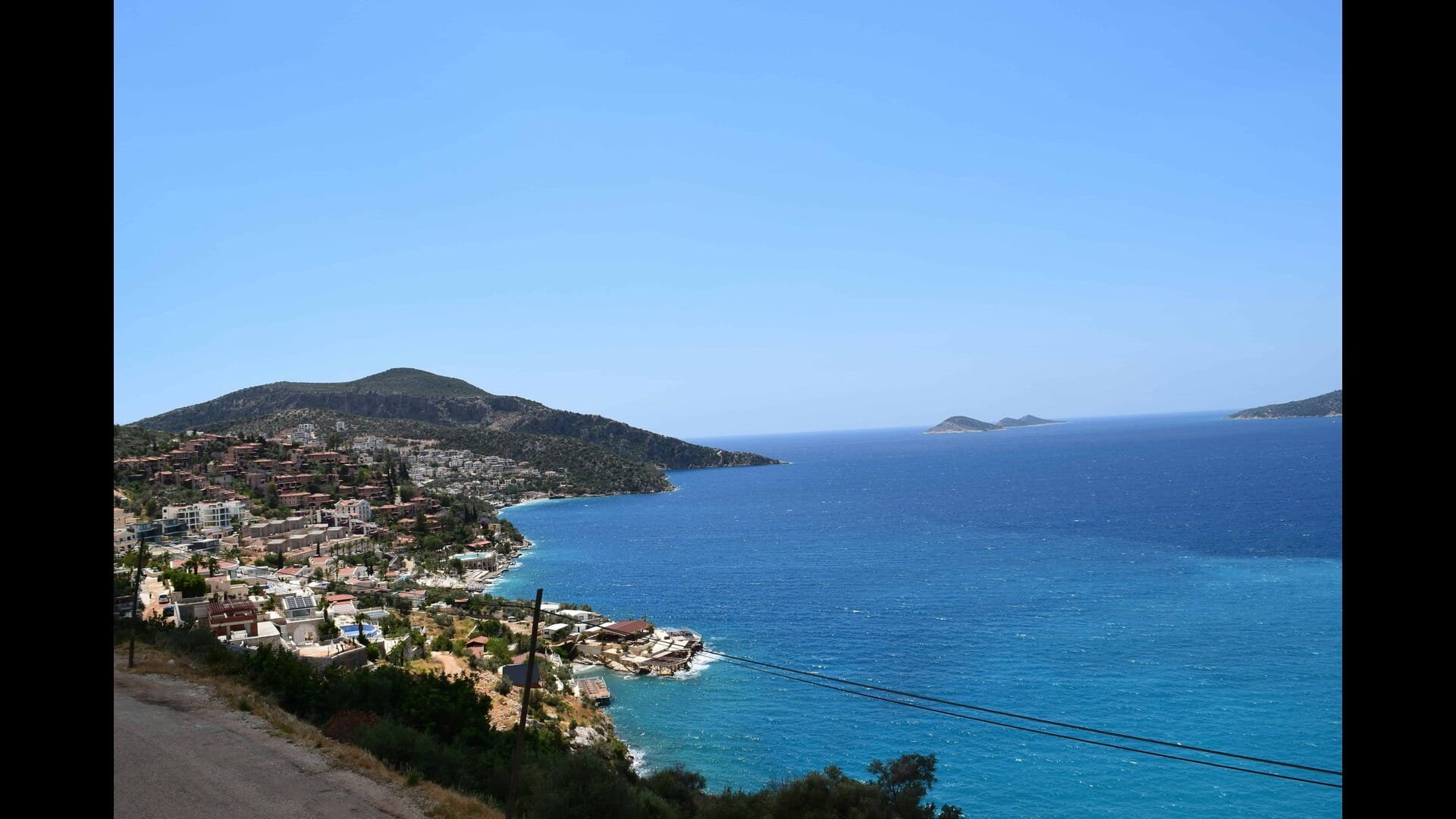
Exploring the Castles of Turkey: Rumeli Fortress and More
Exploring the Castles of Turkey: Rumeli Fortress and More
Turkey, a land where East meets West, is steeped in history and culture. Among its many treasures are the magnificent castles that dot the landscape, each telling a story of the past. From the imposing Rumeli Fortress to lesser-known gems, exploring the castles of Turkey offers a glimpse into the country's rich heritage and architectural marvels.


In this article, we will embark on an extensive journey through some of the most captivating castles in Turkey, focusing on Rumeli Fortress and its historical significance, architectural features, and the breathtaking views it offers.
The Historical Significance of Rumeli Fortress
Rumeli Fortress, or Rumeli Hisarı, is a 15th-century fortress located on the European side of the Bosphorus Strait in Istanbul. Commissioned by Sultan Mehmed II in 1452, the fortress was built to control maritime traffic and prevent any potential threats from the Byzantine Empire. Its strategic location allowed the Ottomans to dominate the Bosphorus, paving the way for the conquest of Constantinople the following year.
The fortress is not just a military stronghold; it symbolizes the power and ambition of the Ottoman Empire during its expansion. The walls of Rumeli Fortress have witnessed countless battles and sieges, making it a significant historical landmark in Turkey. Today, it stands as a testament to the architectural prowess of the Ottomans and the rich history of Istanbul.
Architectural Features of Rumeli Fortress
Rumeli Fortress is an architectural marvel that showcases the military engineering of the Ottoman Empire. The fortress is constructed from local limestone and features three main towers: the Yalı Tower, the Zaganos Pasha Tower, and the Hamza Bey Tower. Each tower has its unique design and purpose, contributing to the overall fortification of the structure.
The Yalı Tower
The Yalı Tower, the tallest of the three, rises majestically above the Bosphorus. It served as a watchtower, providing a panoramic view of the strait and the surrounding area. The tower's design includes narrow windows, allowing archers to defend the fortress while minimizing exposure to enemy fire.
The Zaganos Pasha Tower
Named after a prominent Ottoman military commander, the Zaganos Pasha Tower is known for its unique octagonal shape. This design not only adds to the aesthetic appeal of the fortress but also enhances its defensive capabilities. The tower features a series of battlements, providing soldiers with a strategic advantage during sieges.
The Hamza Bey Tower
The Hamza Bey Tower, although smaller than the other two, is equally significant. It is believed to have housed the garrison and served as a storage area for weapons and supplies. The tower's robust construction reflects the military architecture of the time, designed to withstand attacks from enemy forces.
Exploring the Grounds of Rumeli Fortress
Visitors to Rumeli Fortress can explore its expansive grounds, which include lush gardens and ancient walls. Walking along the ramparts offers a unique perspective of the Bosphorus and the surrounding landscape. The fortress is also home to several historical artifacts and exhibits that provide insight into its storied past.
The Gardens
The gardens surrounding Rumeli Fortress are a serene escape from the bustling city of Istanbul. With vibrant flowers and shaded pathways, they offer a perfect spot for a leisurely stroll or a picnic. The gardens also provide stunning views of the Bosphorus, making it a popular spot for photographers.
The Walls
The fortress walls are a testament to the engineering skills of the Ottomans. Visitors can walk along the ramparts, taking in the breathtaking views of the strait and the Asian side of Istanbul. The walls are adorned with battlements and arrow slits, showcasing the fortress's military purpose.
The Role of Rumeli Fortress in Ottoman History
Rumeli Fortress played a crucial role in the expansion of the Ottoman Empire. After its completion, it served as a base for the Ottoman navy and was instrumental in the conquest of Constantinople in 1453. The fortress was also used as a prison and a military barracks throughout its history.
The Conquest of Constantinople
The capture of Constantinople marked a turning point in world history. Rumeli Fortress, strategically positioned on the Bosphorus, allowed the Ottomans to control the sea routes and cut off supplies to the Byzantine defenders. The fortress's cannons were instrumental in bombarding the city walls, contributing to the eventual fall of Constantinople.
A Military Stronghold
Throughout the centuries, Rumeli Fortress continued to serve as a military stronghold. It was used during various conflicts, including the Ottoman-Venetian Wars and the Russo-Turkish Wars. The fortress's strategic location made it a vital asset for the Ottoman military, ensuring control over the Bosphorus and the surrounding territories.
Visiting Rumeli Fortress: Tips for Travelers
If you're planning a visit to Rumeli Fortress, there are a few tips to enhance your experience. The fortress is easily accessible by public transportation, and guided tours are available for those who want to delve deeper into its history.
Best Time to Visit
The best time to visit Rumeli Fortress is during the spring and fall when the weather is mild, and the gardens are in full bloom. Summer can be quite hot, and the fortress can get crowded with tourists. Early mornings or late afternoons are ideal for avoiding the crowds and enjoying a more peaceful experience.
Guided Tours
Consider joining a guided tour to gain deeper insights into the history and architecture of Rumeli Fortress. Knowledgeable guides can provide fascinating stories and anecdotes that bring the fortress to life. Many tours also include visits to other historical sites in Istanbul, making for a comprehensive experience.
Photography Opportunities
Rumeli Fortress offers numerous photography opportunities, from its imposing towers to the stunning views of the Bosphorus. Be sure to bring your camera and capture the beauty of this historical landmark. The golden hour, just before sunset, provides the perfect lighting for breathtaking photographs.
Other Notable Castles to Explore in Turkey
While Rumeli Fortress is a must-visit, Turkey is home to many other remarkable castles that deserve exploration. Each castle has its unique history and architectural style, offering a diverse experience for travelers.
Bodrum Castle: A Marvel of the Aegean
Bodrum Castle, also known as the Castle of St. Peter, is a stunning example of medieval architecture located in the coastal town of Bodrum. Built by the Knights of St. John in the 15th century, the castle offers breathtaking views of the Aegean Sea and houses the Museum of Underwater Archaeology.
Alanya Castle: A Fortress by the Sea
Perched on a rocky cliff overlooking the Mediterranean, Alanya Castle is a remarkable fortress that dates back to the 13th century. The castle features well-preserved walls, towers, and a stunning view of the coastline. Visitors can explore the castle's interior and learn about its history through informative displays.
Castle of Ankara: A Historical Gem
The Castle of Ankara, situated in the heart of Turkey's capital, is a historical gem that dates back to Roman times. The castle's walls are made of ancient stones, and its towers offer panoramic views of the city. The surrounding area is filled with charming shops and cafes, making it a great place to spend an afternoon.
The Citadel of Diyarbakır: A UNESCO World Heritage Site
The Citadel of Diyarbakır is one of the largest and best-preserved city walls in the world. This UNESCO World Heritage Site features impressive basalt walls and ancient structures, reflecting the rich history of the region. Visitors can explore the citadel and enjoy stunning views of the Tigris River.
The Cultural Heritage of Turkish Castles
The castles of Turkey are not just architectural wonders; they are also a reflection of the country's cultural heritage. Each castle tells a story of the people who lived there, the battles fought, and the architectural styles that evolved over centuries.
Architectural Styles
Turkish castles showcase a variety of architectural styles, influenced by different cultures and civilizations. From the Byzantine and Roman influences seen in the design of Bodrum Castle to the Ottoman architectural elements of Rumeli Fortress, each castle is a unique representation of Turkey's diverse history.
Festivals and Events
Many castles in Turkey host cultural festivals and events throughout the year. These events often include traditional music, dance performances, and local cuisine, providing visitors with an immersive experience of Turkish culture. Participating in these festivals is a great way to connect with the local community and learn more about their traditions.
Conclusion: A Journey Through Time
Exploring the castles of Turkey, particularly Rumeli Fortress, is a journey through time. Each castle offers a unique glimpse into the country's rich history, architectural brilliance, and cultural heritage. Whether you're a history buff, an architecture enthusiast, or simply a traveler seeking adventure, the castles of Turkey promise an unforgettable experience.
As you wander through the ancient walls of Rumeli Fortress and other remarkable castles, take a moment to reflect on the stories they hold and the people who once inhabited them. Turkey's castles are not just relics of the past; they are living monuments that continue to inspire and captivate visitors from around the world.