
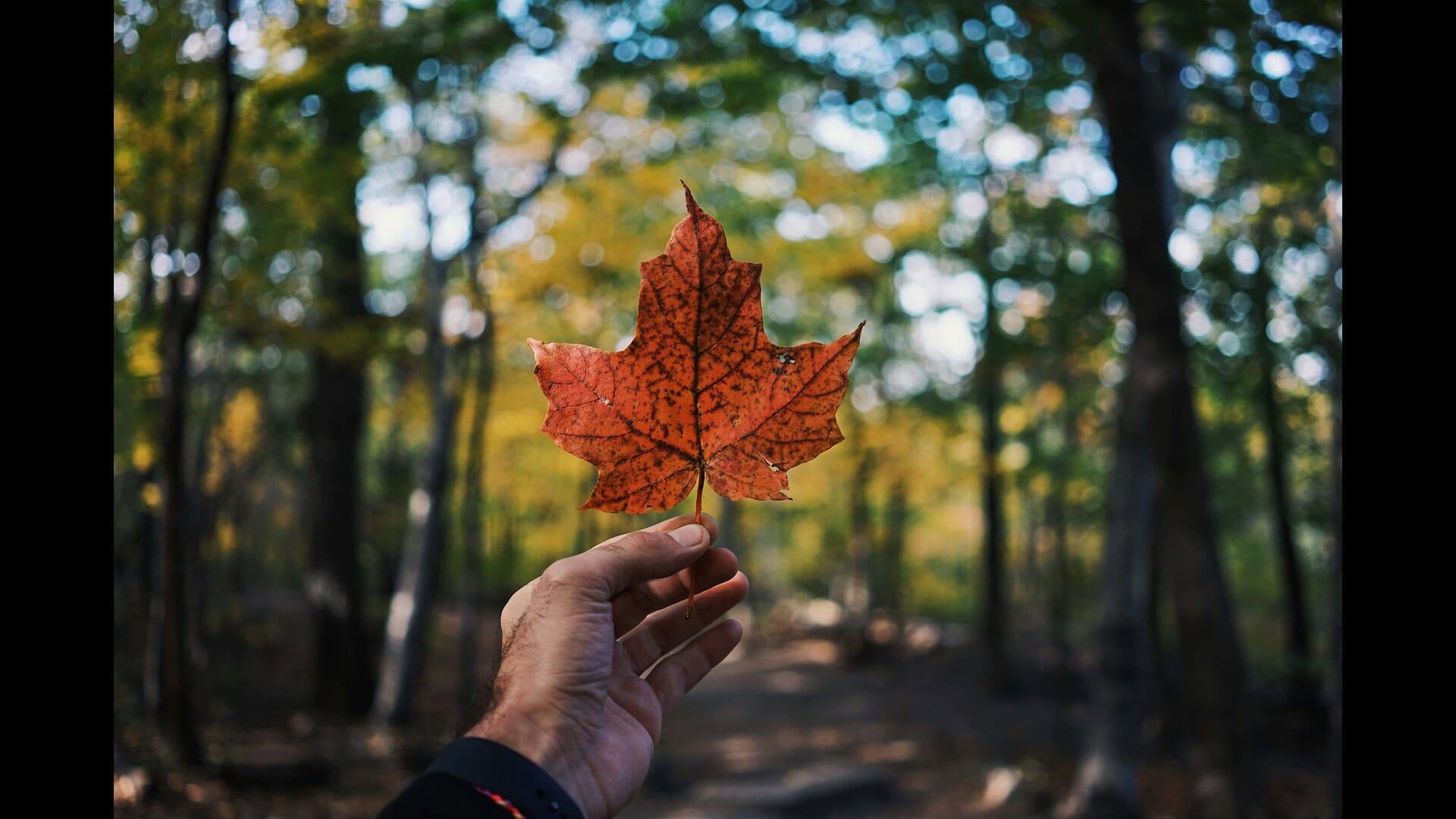
Exploring Canada’s Diverse Ecosystems: From Coastlines to Mountains
Exploring Canada’s Diverse Ecosystems: From Coastlines to Mountains
Canada is a land of breathtaking beauty and remarkable diversity, offering a tapestry of ecosystems that range from the rugged coastlines of the Pacific and Atlantic Oceans to the towering peaks of the Rocky Mountains. This vast country, the second-largest in the world, is home to a plethora of wildlife, unique plant species, and stunning landscapes that beckon adventurers and nature lovers alike.
In this article, we will embark on an extensive journey through Canada’s diverse ecosystems, exploring the unique characteristics of each region, the wildlife that inhabits these areas, and the best ways to experience them.
The Coastal Ecosystems of Canada: A Symphony of Sea and Shore
Canada’s coastlines are among the most diverse and stunning in the world. Stretching over 202,080 kilometers, the country’s coastlines are characterized by rocky cliffs, sandy beaches, and lush forests. The coastal ecosystems are teeming with life, from the vibrant marine species that inhabit the waters to the diverse bird populations that soar above.
The Pacific Coast: A Rich Marine Wonderland
The Pacific Coast of Canada, particularly British Columbia, is renowned for its dramatic landscapes and rich biodiversity. The coastal waters are home to an array of marine life, including orcas, humpback whales, sea lions, and a variety of fish species. The coastal rainforests, characterized by towering cedar and spruce trees, provide habitat for a plethora of wildlife, including bears, deer, and numerous bird species.
Exploring the Great Bear Rainforest
One of the crown jewels of Canada’s coastal ecosystems is the Great Bear Rainforest. This pristine wilderness area is one of the largest temperate rainforests in the world and is home to an incredible diversity of flora and fauna. Visitors can explore the lush trails, kayak through the serene waters, and even catch a glimpse of the elusive spirit bear, a rare white variant of the black bear.
The Atlantic Coast: A Tapestry of History and Nature
The Atlantic Coast offers a different yet equally captivating ecosystem. From the rugged cliffs of Newfoundland to the sandy shores of Prince Edward Island, the Atlantic provinces are rich in history and natural beauty. The waters are abundant with marine life, including lobsters, scallops, and various fish species, making it a haven for seafood lovers.
Discovering the Bay of Fundy
The Bay of Fundy, located between New Brunswick and Nova Scotia, is famous for having the highest tides in the world. This unique phenomenon creates a dynamic ecosystem that supports a variety of marine life. Visitors can explore the tidal flats, go whale watching, or visit the iconic Hopewell Rocks, where the tides reveal stunning rock formations.
The Mountain Ecosystems of Canada: Majestic Peaks and Alpine Wonders
As we move inland, the landscape transforms dramatically into the majestic mountain ranges that define much of Canada’s geography. The Rocky Mountains, the Canadian Shield, and the Appalachians each offer unique ecosystems that are home to diverse wildlife and stunning natural beauty.
The Rocky Mountains: A Playground for Adventure Seekers
The Rocky Mountains stretch from British Columbia to New Mexico, with a significant portion located in Canada. This region is famous for its breathtaking scenery, including towering peaks, deep valleys, and pristine lakes. The diverse ecosystems found here range from alpine meadows to dense forests, providing habitat for a variety of wildlife, including elk, mountain goats, and grizzly bears.
Exploring Banff National Park
Banff National Park, Canada’s first national park, is a must-visit destination for anyone exploring the Rocky Mountains. The park is renowned for its stunning landscapes, including turquoise lakes like Lake Louise and Moraine Lake, as well as its extensive network of hiking trails. Visitors can also enjoy activities such as skiing, snowboarding, and wildlife viewing.
The Canadian Shield: A Geological Marvel
The Canadian Shield, which covers a significant portion of eastern and central Canada, is one of the oldest geological formations in the world. This region is characterized by its rugged terrain, numerous lakes, and dense forests. The diverse ecosystems found here support a variety of wildlife, including moose, wolves, and a wide range of bird species.
Discovering Algonquin Provincial Park
Algonquin Provincial Park is a gem within the Canadian Shield, offering visitors a chance to experience the beauty of this unique ecosystem. The park is famous for its extensive network of canoe routes, hiking trails, and diverse wildlife. Visitors can paddle through tranquil lakes, hike through lush forests, and spot wildlife such as beavers, otters, and various bird species.
The Boreal Forest: A Vast Green Sea
Stretching across Canada from coast to coast, the boreal forest is one of the largest intact forest ecosystems in the world. This vast expanse of coniferous trees is home to a rich diversity of wildlife, including lynx, caribou, and migratory birds. The boreal forest plays a crucial role in regulating the Earth’s climate and is a vital habitat for many species.
The Importance of the Boreal Forest Ecosystem
The boreal forest is not only a beautiful landscape but also an essential ecosystem that provides numerous ecological services. It acts as a carbon sink, helping to mitigate climate change, and is a critical habitat for many species that rely on its resources for survival. The forest is also home to Indigenous communities who have lived in harmony with the land for thousands of years.
The Arctic Ecosystems: A Land of Ice and Resilience
As we venture further north, we enter the Arctic ecosystems of Canada, characterized by their extreme conditions and unique wildlife. The Arctic tundra is a harsh yet beautiful landscape, where only the hardiest of plants and animals can survive.
The Tundra: A Fragile Ecosystem
The tundra is a unique ecosystem that is defined by its cold temperatures, short growing seasons, and permafrost. Despite these harsh conditions, the tundra is home to a variety of plant species, including mosses, lichens, and low shrubs. The wildlife that inhabits this ecosystem is equally resilient, with species such as polar bears, Arctic foxes, and migratory birds adapting to the extreme environment.
Exploring the Northwest Territories
The Northwest Territories offer a glimpse into the breathtaking beauty of the Arctic tundra. Visitors can explore the stunning landscapes, go wildlife watching, and experience the unique culture of the Indigenous peoples who call this region home. The Nahanni National Park Reserve, a UNESCO World Heritage Site, is a highlight, featuring dramatic canyons, hot springs, and diverse wildlife.
The Great Lakes: A Freshwater Paradise
Canada is also home to a significant portion of the Great Lakes, the largest group of freshwater lakes in the world. These lakes are not only vital sources of drinking water but also support diverse ecosystems that are home to a variety of fish species, birds, and other wildlife.
The Biodiversity of the Great Lakes
The Great Lakes ecosystem is incredibly diverse, with a wide range of habitats, including wetlands, forests, and open water. This diversity supports a variety of wildlife, including migratory birds, fish, and amphibians. However, the ecosystem faces challenges from pollution, invasive species, and climate change, making conservation efforts essential.
Discovering the Bruce Peninsula
The Bruce Peninsula, located between Lake Huron and Georgian Bay, is a stunning destination for nature lovers. The area is known for its rugged cliffs, crystal-clear waters, and diverse ecosystems. Visitors can explore the Bruce Peninsula National Park, which offers hiking trails, stunning views, and opportunities for swimming, kayaking, and wildlife viewing.
Outdoor Adventures in Canada: Connecting with Nature
Canada’s diverse ecosystems provide endless opportunities for outdoor adventures. Whether you’re hiking through the mountains, kayaking along the coast, or exploring the boreal forest, there’s something for everyone to enjoy.
Hiking Trails Across Canada
Canada boasts an extensive network of hiking trails that allow visitors to immerse themselves in the country’s natural beauty. From the challenging trails of the Rocky Mountains to the scenic coastal paths of British Columbia, there’s a hike for every skill level.
The West Coast Trail
The West Coast Trail, located on Vancouver Island, is one of Canada’s most famous hiking trails. This challenging trek takes you through lush rainforests, along rugged coastlines, and across sandy beaches. Hikers can experience the beauty of the Pacific Coast while encountering diverse wildlife along the way.
Kayaking and Canoeing Adventures
For those who prefer to explore the waterways, Canada offers countless opportunities for kayaking and canoeing. From the tranquil lakes of Algonquin Provincial Park to the stunning fjords of British Columbia, paddling is a fantastic way to connect with nature.
The Bowron Lake Canoe Circuit
The Bowron Lake Canoe Circuit in British Columbia is a must-visit for canoe enthusiasts. This stunning route takes you through a series of interconnected lakes and rivers, offering breathtaking views and opportunities for wildlife viewing. The circuit is well-maintained and provides a unique way to experience the beauty of the Canadian wilderness.
Conservation Efforts: Protecting Canada’s Natural Heritage
As we explore Canada’s diverse ecosystems, it’s crucial to recognize the importance of conservation efforts aimed at protecting these natural treasures. With increasing threats from climate change, habitat loss, and pollution, preserving Canada’s ecosystems is more important than ever.
The Role of National Parks
Canada’s national parks play a vital role in conserving the country’s natural heritage. These protected areas provide habitat for wildlife, preserve unique ecosystems, and offer opportunities for recreation and education. National parks such as Banff, Jasper, and Pacific Rim are not only stunning destinations but also critical for biodiversity conservation.
Indigenous Stewardship
Indigenous communities in Canada have been stewards of the land for thousands of years. Their traditional knowledge and practices are essential for the conservation of ecosystems and the protection of biodiversity. Collaborating with Indigenous peoples in conservation efforts is crucial for ensuring the sustainability of Canada’s natural resources.
Conclusion: Embracing the Diversity of Canada’s Ecosystems
Canada’s diverse ecosystems offer a wealth of experiences for adventurers and nature lovers alike. From the breathtaking coastlines to the majestic mountains, each region is unique and teeming with life. By exploring these ecosystems, we not only connect with nature but also gain a deeper appreciation for the importance of conservation efforts to protect these natural treasures for future generations.
As you plan your next adventure, consider exploring the diverse ecosystems of Canada. Whether you’re hiking through the Rocky Mountains, kayaking along the Pacific Coast, or wandering through the boreal forest, you’ll discover the beauty and wonder of this incredible country. Let the landscapes inspire you, the wildlife captivate you, and the experiences enrich your life as you embark on a journey through Canada’s diverse ecosystems.