
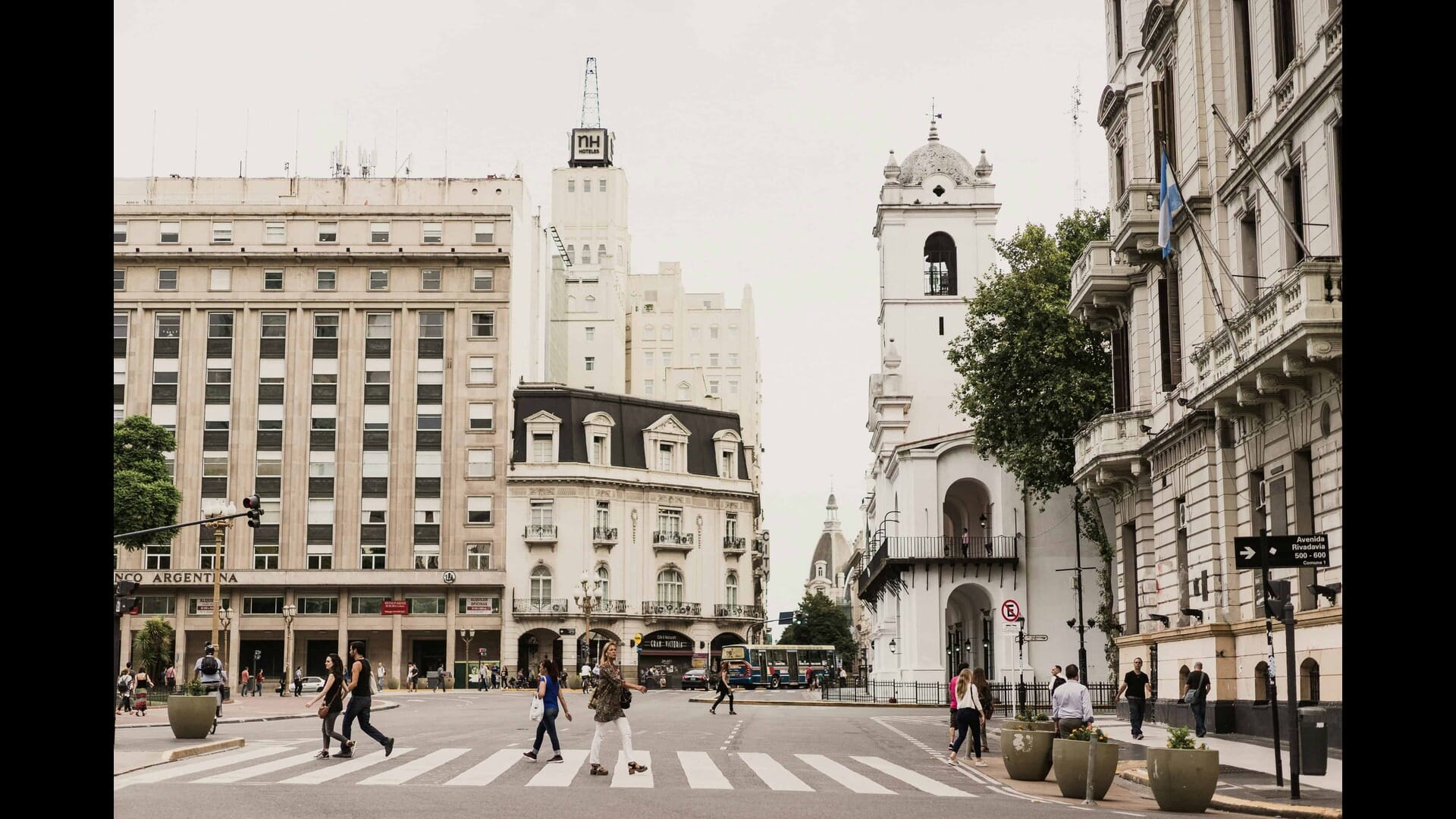
Exploring Buenos Aires: A City of Passion
Exploring Buenos Aires: A City of Passion
Buenos Aires, the capital of Argentina, is a city that pulsates with life, vibrancy, and an unmistakable passion that seeps into every corner of its streets. From the colorful houses of La Boca to the elegant architecture of Recoleta, Buenos Aires is a city that tells a story—a story of history, culture, and the indomitable spirit of its people.
In this comprehensive travel guide, we will delve into the many facets of Buenos Aires, exploring its neighborhoods, cuisine, tango, and much more.
The Allure of Buenos Aires: An Overview of the City
Buenos Aires is often referred to as the “Paris of South America” due to its European-style architecture and rich cultural scene. However, it is much more than a mere comparison; it is a city that stands on its own, filled with a unique blend of influences from its indigenous roots, European settlers, and immigrant populations. The city is divided into several distinct neighborhoods, each with its own character and charm, making it a perfect destination for exploration.
The Heartbeat of the City: Understanding Buenos Aires’ Culture
At the heart of Buenos Aires lies a culture that is deeply rooted in passion. This passion is expressed through the arts, music, dance, and, of course, the world-renowned tango. The city is a melting pot of cultures, where the old meets the new, and tradition intertwines with modernity. To truly understand Buenos Aires, one must immerse themselves in its cultural offerings, from the vibrant street art to the captivating performances in its theaters.
Navigating Buenos Aires: Getting Around the City
Buenos Aires is a sprawling metropolis, and navigating its streets can be both exciting and overwhelming. The city boasts an extensive public transportation system, including buses, subways (known as the Subte), and taxis. The Subte is one of the most efficient ways to travel, connecting key neighborhoods and attractions. For those who prefer a more leisurely pace, walking or cycling through the city’s streets can reveal hidden gems and local secrets.
Discovering Buenos Aires’ Iconic Neighborhoods
La Boca: The Colorful Soul of Buenos Aires
La Boca is perhaps the most iconic neighborhood in Buenos Aires, known for its vibrant, colorful buildings and rich artistic heritage. The area is home to Caminito, a famous street that showcases the city’s street art and tango culture. Visitors can stroll along the cobblestone paths, admire the brightly painted houses, and enjoy live tango performances. La Boca is also home to the Boca Juniors football club, one of the most famous teams in Argentina, making it a must-visit for sports enthusiasts.
San Telmo: A Journey Through History
San Telmo is one of the oldest neighborhoods in Buenos Aires, known for its cobblestone streets, antique shops, and historic buildings. The San Telmo Market is a highlight, where visitors can sample local delicacies and shop for unique souvenirs. On Sundays, the neighborhood comes alive with the San Telmo Fair, featuring artisans, street performers, and tango dancers. Exploring San Telmo is like stepping back in time, offering a glimpse into the city’s rich history.
Recoleta: Elegance and Sophistication
Recoleta is synonymous with elegance and sophistication, boasting stunning architecture, upscale boutiques, and lush parks. The Recoleta Cemetery is a must-see, where visitors can pay their respects to notable figures, including Eva Perón. The neighborhood is also home to cultural institutions such as the National Museum of Fine Arts and the Recoleta Cultural Center, making it a hub for art and culture enthusiasts.
Palermo: The Trendy Heart of Buenos Aires
Palermo is a trendy neighborhood known for its hip cafes, boutique shops, and vibrant nightlife. Divided into several sub-neighborhoods, including Palermo Soho and Palermo Hollywood, this area is a favorite among locals and tourists alike. Visitors can explore the expansive parks, such as the Bosques de Palermo, or indulge in the culinary delights offered by the many restaurants and bars. Palermo is the perfect place to experience the modern side of Buenos Aires while enjoying its laid-back atmosphere.
Savoring Argentine Cuisine: A Culinary Adventure
The Art of Asado: Argentina’s Barbecue Tradition
No visit to Buenos Aires is complete without indulging in the country’s famous asado, a traditional barbecue that showcases Argentina’s exceptional beef. Asado is more than just a meal; it is a social event that brings friends and family together. Visitors can experience this culinary tradition at a parrilla (steakhouse) or even participate in an asado cooking class to learn the art of grilling like a local.
Exploring Buenos Aires’ Food Scene: From Street Food to Fine Dining
Buenos Aires boasts a diverse food scene that caters to all tastes and budgets. From street vendors selling empanadas and choripán (sausage sandwiches) to high-end restaurants offering gourmet dining experiences, the city is a food lover’s paradise. Don’t miss the opportunity to try traditional dishes such as milanesa, locro (a hearty stew), and dulce de leche desserts. Food tours are also a great way to discover hidden culinary gems and learn about the city’s gastronomic history.
Wine and Dine: The Best Argentine Wines
Argentina is renowned for its wine, particularly Malbec, which has gained international acclaim. Buenos Aires offers numerous wine bars and restaurants where visitors can sample local wines paired with delicious cuisine. Consider joining a wine tasting tour to explore the country’s wine regions, such as Mendoza, and learn about the winemaking process from local experts.
The Passion of Tango: A Dance Like No Other
The Origins of Tango: A Cultural Phenomenon
Tango is more than just a dance; it is a cultural phenomenon that embodies the spirit of Buenos Aires. Originating in the late 19th century among the working-class neighborhoods, tango has evolved into a symbol of Argentine identity. The dance is characterized by its passionate movements and intricate footwork, often performed in pairs. Visitors can immerse themselves in the tango culture by attending a milonga (tango dance event) or taking a tango lesson from experienced instructors.
Where to Experience Tango in Buenos Aires
Buenos Aires is filled with venues that celebrate tango, from intimate bars to grand theaters. The famous tango show at Café Tortoni, one of the oldest cafes in the city, offers a glimpse into the history of tango through captivating performances. For a more interactive experience, consider visiting a milonga, where locals gather to dance and socialize. The atmosphere is electric, and even beginners can join in on the fun.
Tango Festivals and Events: Celebrating the Dance
Throughout the year, Buenos Aires hosts various tango festivals and events that attract enthusiasts from around the world. The Buenos Aires Tango Festival, held annually in August, features performances, competitions, and workshops, making it a highlight for tango lovers. Additionally, the city’s streets often come alive with impromptu tango performances, adding to the vibrant atmosphere.
The Historical Landmarks of Buenos Aires
Plaza de Mayo: The Birthplace of Argentine Politics
Plaza de Mayo is the historical heart of Buenos Aires, surrounded by significant landmarks such as the Casa Rosada (Presidential Palace) and the Metropolitan Cathedral. This square has been the site of many important political events and demonstrations throughout Argentine history. Visitors can take guided tours to learn about the history of the square and its role in shaping the nation.
The Obelisco: A Symbol of Buenos Aires
The Obelisco is one of Buenos Aires’ most recognizable landmarks, standing proudly at the intersection of Avenida 9 de Julio and Avenida Corrientes. Erected in 1936 to commemorate the city’s 400th anniversary, the Obelisco is a popular meeting point and a symbol of the city’s identity. Visitors can climb to the top for panoramic views of the bustling streets below.
Teatro Colón: A World-Class Performing Arts Venue
Teatro Colón is considered one of the finest opera houses in the world, renowned for its stunning architecture and exceptional acoustics. Visitors can take guided tours to explore the opulent interiors and learn about the theater’s rich history. Attending a performance at Teatro Colón is a must for any culture enthusiast, as it showcases some of the best talent in the performing arts.
Embracing the Nightlife: Buenos Aires After Dark
The Vibrant Nightlife Scene in Buenos Aires
Buenos Aires is known for its lively nightlife, with a plethora of bars, clubs, and live music venues that cater to all tastes. The city truly comes alive after dark, with locals and tourists alike flocking to the streets for a night of dancing, socializing, and entertainment. From trendy rooftop bars in Palermo to traditional peñas (folk music venues) in San Telmo, there is something for everyone.
Live Music and Cultural Events: A Night to Remember
Music is an integral part of Buenos Aires’ nightlife, with numerous venues hosting live performances ranging from tango to rock and jazz. The city also hosts cultural events and festivals throughout the year, providing opportunities to experience local talent and artistry. Be sure to check the event calendar during your visit to catch a live show or cultural performance.
Safety Tips for Enjoying Buenos Aires’ Nightlife
While Buenos Aires is generally safe for tourists, it’s essential to take precautions when enjoying the nightlife. Stick to well-lit areas, avoid displaying valuables, and use reputable transportation options when traveling at night. By staying aware of your surroundings and following common safety practices, you can enjoy the vibrant nightlife without worry.
Practical Travel Tips for Visiting Buenos Aires
Best Time to Visit Buenos Aires: Seasonal Considerations
Buenos Aires has a temperate climate, making it a year-round destination. However, the best time to visit is during the spring (September to November) and fall (March to May) when the weather is mild, and the city is less crowded. Summer (December to February) can be hot and humid, while winter (June to August) can be chilly, particularly in the evenings.
Currency and Payment Methods: Navigating Finances in Buenos Aires
The official currency in Argentina is the Argentine peso (ARS). Credit cards are widely accepted in most establishments, but it’s advisable to carry cash for smaller purchases and street vendors. Currency exchange services are available at banks and exchange houses, but be cautious of exchange rates and fees. It’s also wise to inform your bank of your travel plans to avoid any issues with card usage.
Language and Communication: Tips for Travelers
Spanish is the official language of Argentina, and while many locals in tourist areas speak English, it’s helpful to learn a few basic phrases in Spanish. Simple greetings and expressions can go a long way in enhancing your travel experience and connecting with locals. Consider downloading translation apps or carrying a phrasebook to assist with communication.
Conclusion: Embracing the Passion of Buenos Aires
Exploring Buenos Aires is an experience filled with passion, culture, and unforgettable memories. From the vibrant neighborhoods to the tantalizing cuisine and the captivating tango, the city offers a wealth of experiences that resonate with the heart and soul of Argentina. Whether you’re wandering the streets of La Boca, savoring a delicious asado, or dancing the night away at a milonga, Buenos Aires invites you to embrace its spirit and immerse yourself in its rich tapestry of life. So pack your bags, and get ready to discover the passionate heart of Buenos Aires—an adventure awaits you in this enchanting city.