
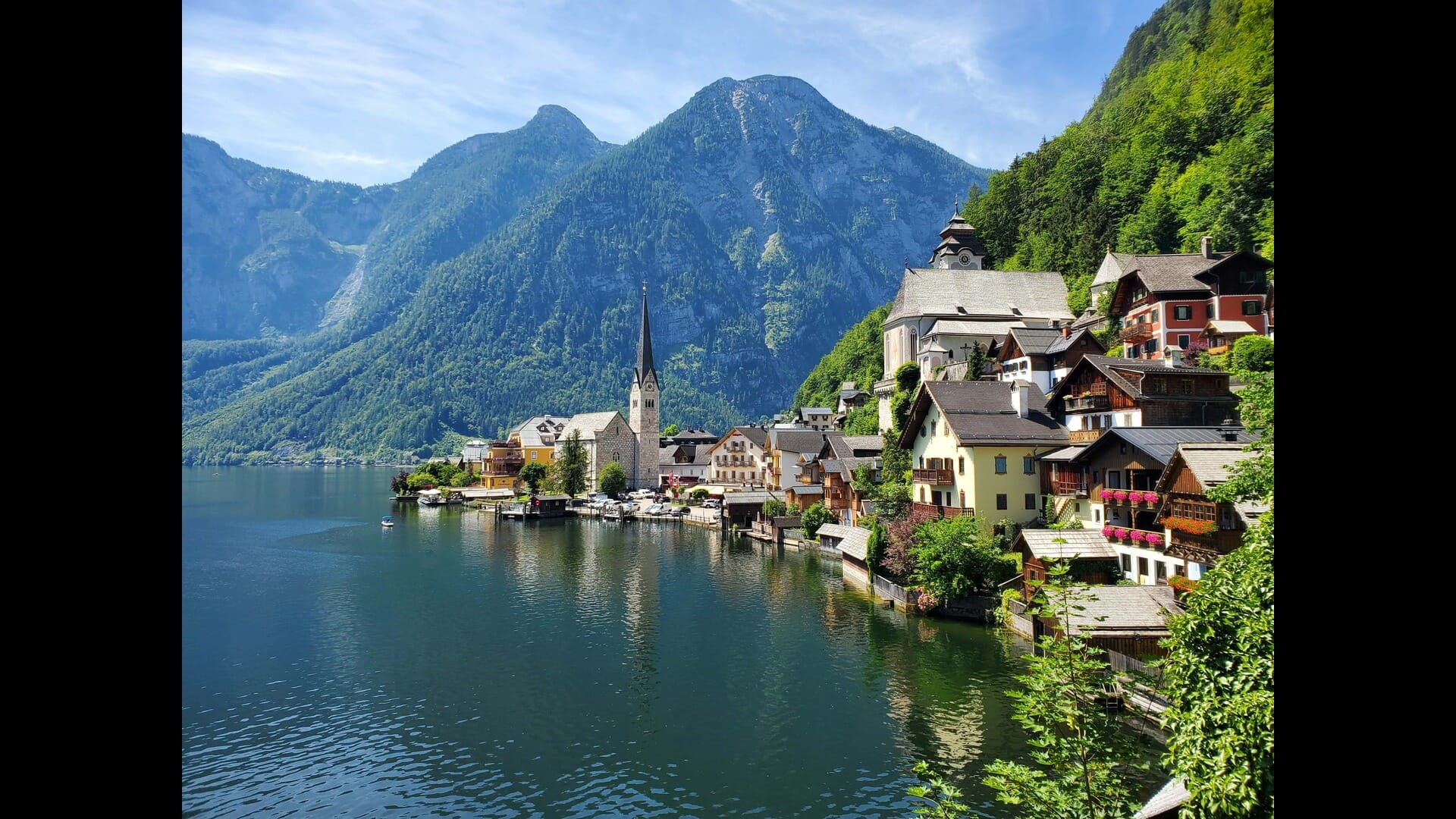
Exploring the Fascinating World of Austrian Folklore
Exploring the Fascinating World of Austrian Folklore
Austria, a land of stunning landscapes and rich cultural heritage, is also home to a vibrant tapestry of folklore that has been woven through centuries of history. From enchanting fairy tales to haunting legends, Austrian folklore reflects the beliefs, values, and traditions of its people.
In this article, we will embark on a journey through the fascinating world of Austrian folklore, exploring its myths, characters, and the cultural significance that continues to resonate today.
The Origins of Austrian Folklore: A Historical Perspective
Austrian folklore has deep roots that can be traced back to the early days of the region's history. The convergence of various cultures, including Celtic, Roman, and Slavic influences, has contributed to a rich tapestry of stories and traditions. The oral tradition played a crucial role in preserving these tales, as they were passed down from generation to generation.
The Influence of the Celts on Austrian Folklore
The Celts, who inhabited parts of Austria around 500 BC, left a lasting impact on the region's folklore. Their beliefs in nature spirits, deities, and the afterlife are reflected in many Austrian legends. The reverence for the natural world, a common theme in Celtic mythology, is evident in the way Austrians celebrate their landscapes through stories and festivals.
The Role of Christianity in Shaping Folklore
With the arrival of Christianity, many pagan traditions were assimilated into the new faith. This blending of beliefs led to the creation of unique folklore that often features Christian themes intertwined with older myths. Saints became central figures in many stories, and their legends often reflect moral lessons or cautionary tales.
Iconic Austrian Myths and Legends
Austrian folklore is rich with iconic myths and legends that have captivated audiences for generations. These stories often feature supernatural beings, heroic figures, and moral dilemmas that resonate with the human experience.
The Legend of the Nibelungenlied
One of the most famous legends in Austrian folklore is the Nibelungenlied, an epic poem that tells the story of Siegfried, a dragon slayer, and his tragic fate. This tale of love, betrayal, and revenge has been a source of inspiration for countless adaptations in literature, theater, and film. The Nibelungenlied not only reflects the values of bravery and honor but also serves as a cautionary tale about the consequences of vengeance.
The Tale of the White Lady
The White Lady is a spectral figure that haunts various castles and ruins throughout Austria. According to legend, she is the ghost of a wronged woman who seeks revenge for her tragic fate. The stories surrounding the White Lady vary by region, but they all share a common theme of lost love and betrayal. Her haunting presence serves as a reminder of the past and the unresolved emotions that linger in the shadows.
The Myth of the Krampus
In stark contrast to the benevolent figure of St. Nicholas, the Krampus is a horned creature that punishes misbehaving children during the Christmas season. This fearsome figure has become a symbol of the darker aspects of folklore, embodying the consequences of poor behavior. The Krampus tradition has gained popularity in recent years, with festive parades and celebrations that showcase this unique aspect of Austrian culture.
Folklore Characters: The Heroes and Villains of Austrian Tales
Austrian folklore is populated by a diverse cast of characters, each with their own unique traits and stories. From heroic figures to mischievous spirits, these characters embody the values and fears of the culture.
The Heroic Figure of Siegfried
Siegfried, the protagonist of the Nibelungenlied, is often celebrated as a national hero. His bravery and strength in battle have made him a symbol of Austrian pride. The tales of his adventures have inspired countless retellings, including operas and films, solidifying his status as a legendary figure in Austrian folklore.
The Mischievous Wichtel
The Wichtel is a small, mischievous creature often found in Austrian folklore. Known for their playful antics, Wichtel are said to help or hinder humans, depending on their mood. These whimsical beings are often associated with household chores and are believed to bring good fortune to those who treat them kindly. The stories of Wichtel serve as a reminder of the importance of kindness and respect towards all beings.
The Enigmatic Wasserfrau
The Wasserfrau, or water woman, is a captivating figure in Austrian folklore. Often depicted as a beautiful maiden who lures men to their doom, the Wasserfrau embodies the duality of nature—both alluring and dangerous. Her stories serve as cautionary tales about the perils of temptation and the unpredictable forces of nature.
The Role of Folklore in Austrian Festivals and Traditions
Folklore is not just a collection of stories; it is an integral part of Austrian culture that is celebrated through various festivals and traditions. These events provide a glimpse into the rich heritage of the country and allow communities to come together in celebration.
The Krampusnacht Celebration
One of the most famous folklore festivals in Austria is Krampusnacht, celebrated on December 5th. During this event, people dress up as the Krampus and parade through the streets, creating a lively and somewhat frightening atmosphere. The celebration serves as a reminder of the importance of good behavior during the holiday season and has become a popular tourist attraction.
The Almabtrieb: A Celebration of Cattle Drives
The Almabtrieb is a traditional festival that marks the end of summer when cattle are brought down from the alpine pastures. This event is celebrated with music, dancing, and colorful decorations, showcasing the deep connection between Austrians and their agricultural heritage. The Almabtrieb is a vibrant display of community spirit and a celebration of the folklore surrounding rural life.
The Fasching Carnival: A Time for Masks and Folklore
Fasching, or Carnival, is another significant festival in Austria that showcases folklore through elaborate costumes and masks. During this time, people engage in playful antics, often drawing inspiration from traditional folklore characters. The celebration serves as a way to embrace the whimsical and fantastical elements of Austrian culture, allowing participants to step into the shoes of their favorite folklore figures.
The Influence of Austrian Folklore on Art and Literature
Austrian folklore has had a profound impact on the country's art and literature, inspiring countless works that explore its themes and characters. From paintings to novels, the influence of folklore can be seen across various mediums.
The Artistic Depictions of Folklore
Artists such as Gustav Klimt and Egon Schiele have drawn inspiration from Austrian folklore, incorporating its themes into their works. Klimt's use of symbolism and intricate patterns often reflects the mystical elements of folklore, while Schiele's emotive figures capture the raw emotions found in these stories.
Folklore in Austrian Literature
Austrian authors like Franz Kafka and Adalbert Stifter have also explored folklore in their writings. Kafka's surreal narratives often echo the themes of transformation and identity found in folklore, while Stifter's works celebrate the beauty of nature and the human experience, reminiscent of the moral lessons embedded in traditional tales.
The Preservation of Folklore in Modern Austria
As Austria continues to evolve, the preservation of folklore remains a vital aspect of cultural identity. Efforts to maintain and celebrate these traditions are evident in various initiatives and organizations dedicated to folklore research and education.
Folklore Museums and Cultural Centers
Austria is home to several museums and cultural centers that focus on the preservation of folklore. These institutions provide valuable resources for researchers and the public, showcasing artifacts, stories, and performances that highlight the richness of Austrian folklore.
Educational Programs and Workshops
Many communities in Austria offer educational programs and workshops that teach traditional crafts, music, and storytelling. These initiatives not only preserve folklore but also engage younger generations, ensuring that the stories and traditions continue to thrive.
The Global Impact of Austrian Folklore
Austrian folklore has transcended borders, influencing cultures and communities around the world. The universal themes found in these stories resonate with audiences, making them relevant beyond their geographical origins.
The Influence of Austrian Folklore on Global Literature
The themes of love, betrayal, and redemption found in Austrian folklore have inspired writers and artists globally. The Nibelungenlied, for example, has influenced epic literature in various cultures, showcasing the power of storytelling to connect people across time and space.
Folklore Festivals Around the World
The celebration of folklore is not limited to Austria; many countries host festivals that draw inspiration from Austrian traditions. These events foster cultural exchange and appreciation, allowing people to experience the richness of folklore from different perspectives.
Conclusion: The Enduring Legacy of Austrian Folklore
Austrian folklore is a treasure trove of stories, characters, and traditions that continue to shape the cultural landscape of the country. From the enchanting tales of the Nibelungenlied to the mischievous antics of the Wichtel, these stories reflect the values, fears, and aspirations of the Austrian people. As we explore the fascinating world of Austrian folklore, we are reminded of the power of storytelling to connect us to our past and inspire future generations.
In a rapidly changing world, the preservation and celebration of folklore remain essential for maintaining cultural identity. Through festivals, art, and education, the rich tapestry of Austrian folklore will continue to thrive, inviting all to explore its enchanting depths.