
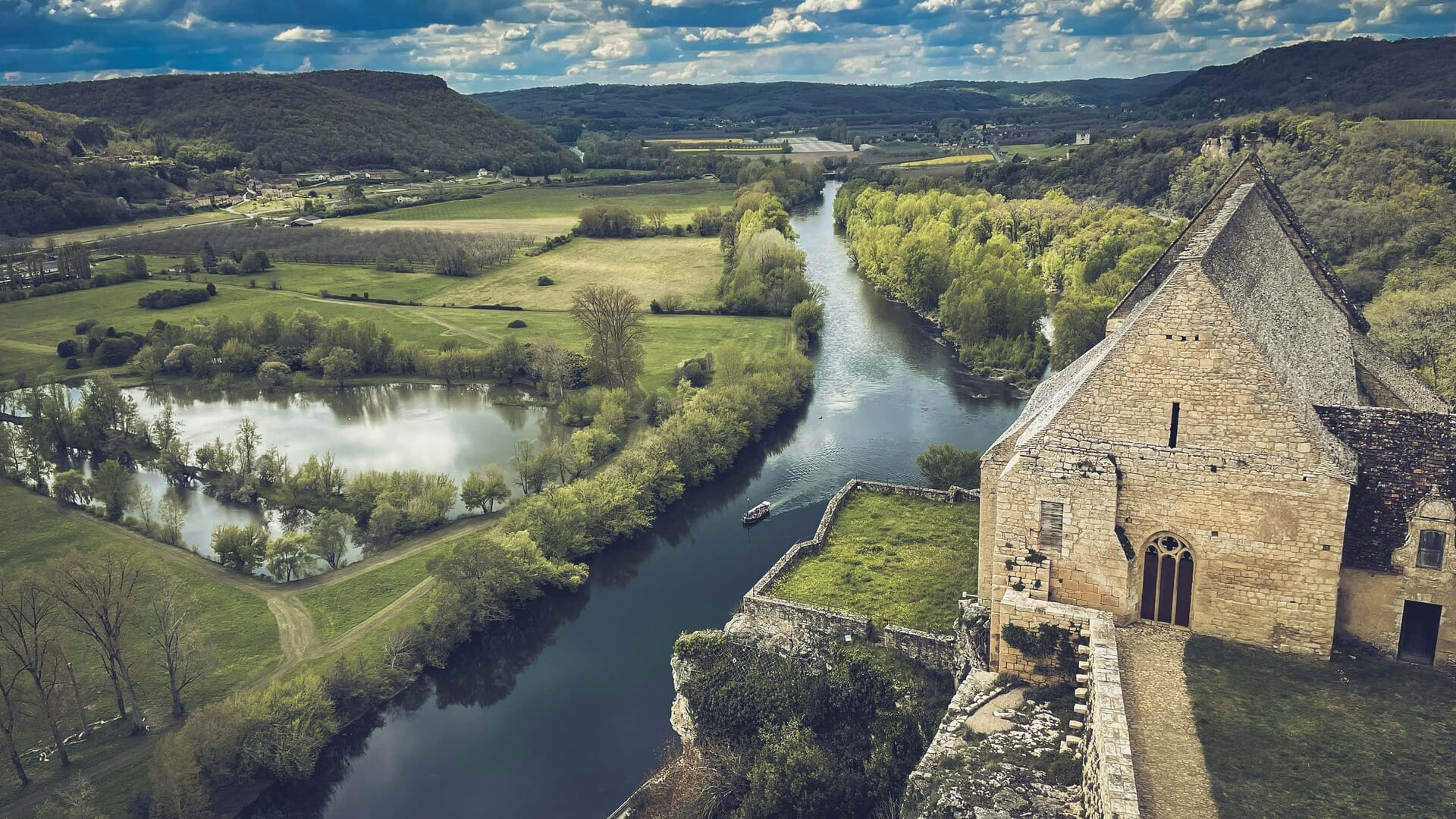
Exploring the Archaeological Wonders of Lascaux
Lascaux is not just a name; it’s a portal to a world long gone, a world where ancient humans expressed their creativity through breathtaking art. Nestled in the heart of the Dordogne region of France, the Lascaux Caves are home to some of the most significant prehistoric cave paintings ever discovered.
These artworks, created around 17,000 years ago, offer a glimpse into the lives, beliefs, and environment of our prehistoric ancestors. In this article, we will embark on a detailed exploration of the archaeological wonders of Lascaux, diving deep into its history, significance, and the experience of visiting this UNESCO World Heritage site.
The Historical Significance of Lascaux Cave Paintings
The Lascaux Caves were discovered in 1940 by a group of teenagers exploring the area. What they stumbled upon was nothing short of extraordinary: a series of intricate cave paintings that depicted various animals, including horses, deer, and bison, as well as abstract symbols. These paintings are believed to be part of a ritualistic practice, possibly related to hunting or spiritual beliefs. The significance of these artworks extends beyond their aesthetic value; they provide vital insights into the social and cultural dynamics of prehistoric communities.
Understanding the Context of Prehistoric Art
To fully appreciate the Lascaux paintings, it is essential to understand the context in which they were created. During the Upper Paleolithic period, humans were primarily hunter-gatherers. Their survival depended on their ability to adapt to their environment, and art played a crucial role in this adaptation. The cave paintings of Lascaux are thought to have served multiple purposes, including storytelling, communication, and perhaps even as a means of ensuring successful hunts.
The Artistic Techniques Used in Lascaux
The artists of Lascaux employed various techniques to create their masterpieces. They used natural pigments derived from minerals and plants, which they ground into powders and mixed with water or animal fat to create paint. The application methods varied; some paintings were sprayed onto the walls, while others were meticulously brushed on. The artists also utilized the natural contours of the cave walls to enhance the three-dimensionality of their subjects, making the animals appear as if they were in motion.
The Iconic Imagery of Lascaux: A Closer Look
The Lascaux Cave paintings are renowned for their vivid imagery and remarkable detail. The most famous section of the cave is known as the Hall of Bulls, where massive depictions of bulls and horses dominate the walls. These images are not just random representations; they are carefully composed scenes that convey movement and life.
The Hall of Bulls: A Masterpiece of Prehistoric Art
The Hall of Bulls features over 600 animals, showcasing a variety of species that roamed the region during the Paleolithic era. The sheer scale of these paintings is awe-inspiring, with some figures measuring up to 18 feet in length. The use of color is also noteworthy; the artists employed a range of hues, from deep reds to earthy browns, to bring their subjects to life.
The Significance of Animal Depictions
The choice of animals depicted in the Lascaux paintings is significant. Many of the species represented, such as aurochs (wild cattle) and horses, were vital to the survival of prehistoric humans. The paintings may have served as a form of reverence for these animals, perhaps reflecting their importance in the hunters’ lives. Additionally, the presence of certain animals may indicate the seasonal migrations and behaviors of these species, providing valuable information about the prehistoric environment.
The Discovery and Preservation of Lascaux
The discovery of the Lascaux Caves marked a turning point in the study of prehistoric art. However, the caves faced significant challenges in terms of preservation. The influx of visitors, combined with the natural humidity and temperature fluctuations, posed a threat to the delicate paintings.
The Initial Discovery: A Fortunate Accident
In September 1940, four teenagers—Marcel Ravidat, Jacques Marsal, Georges Agnel, and Simon Coencas—were exploring the woods near Montignac when they stumbled upon a hidden entrance to the caves. Their discovery quickly attracted the attention of archaeologists and historians, leading to a flurry of research and exploration. The excitement surrounding the find was palpable, as experts recognized the importance of the artwork for understanding human history.
Challenges in Preservation
Despite the initial enthusiasm, the Lascaux Caves faced significant preservation challenges. In 1955, the caves were closed to the public due to the damage caused by moisture, carbon dioxide, and other pollutants introduced by visitors. In an effort to protect the artwork, the French government implemented strict measures to limit access. However, the damage had already been done, and many of the paintings began to deteriorate.
The Creation of Lascaux II: A Replica for the Ages
To allow the public to experience the wonders of Lascaux without harming the original site, a replica known as Lascaux II was created and opened in 1983. This remarkable reproduction features two of the most famous chambers of the original cave, allowing visitors to appreciate the artistry and significance of the paintings while ensuring the preservation of the originals.
Visiting Lascaux: What to Expect on Your Journey
A visit to Lascaux is a journey through time, offering a unique opportunity to connect with our prehistoric ancestors. Whether you are an art enthusiast, a history buff, or simply curious about the past, Lascaux promises an unforgettable experience.
Planning Your Trip to Lascaux
When planning your visit to Lascaux, consider the best time to go. The peak tourist season runs from June to August, but visiting during the shoulder seasons of spring and fall can provide a more intimate experience with fewer crowds. The region is accessible by car, and there are several accommodations nearby, ranging from charming bed-and-breakfasts to luxury hotels.
The Lascaux Experience: Guided Tours and Multimedia Presentations
Upon arrival, visitors can join guided tours that provide in-depth information about the cave paintings and their historical context. The tours are led by knowledgeable guides who share fascinating stories and insights, making the experience both educational and engaging. Additionally, multimedia presentations and exhibitions in the visitor center enhance the understanding of the art and its significance.
Exploring the Surrounding Dordogne Region
While Lascaux is undoubtedly the highlight of the Dordogne region, there is much more to explore. The area is rich in history and natural beauty, with charming villages, stunning landscapes, and other archaeological sites. Consider visiting nearby attractions such as the prehistoric site of Les Eyzies-de-Tayac, the medieval town of Sarlat-la-Canéda, and the picturesque Vézère Valley.
The Impact of Lascaux on Modern Art and Culture
The influence of Lascaux extends far beyond its immediate geographical location. The cave paintings have inspired countless artists, writers, and filmmakers, shaping our understanding of prehistoric creativity and expression.
Lascaux's Legacy in Contemporary Art
Many contemporary artists draw inspiration from the themes and techniques found in Lascaux. The use of natural pigments, abstract forms, and the connection to nature are elements that resonate with modern artistic practices. Exhibitions showcasing the influence of Lascaux on contemporary art have emerged, highlighting the timelessness of these ancient creations.
Lascaux in Popular Culture
Lascaux has also made its mark in popular culture, appearing in literature, film, and music. The cave paintings have been referenced in various works, symbolizing the enduring human spirit and the quest for understanding our origins. Documentaries and films exploring the significance of Lascaux have further popularized its story, making it accessible to a broader audience.
The Future of Lascaux: Challenges and Opportunities
As we look to the future, the preservation of Lascaux remains a pressing concern. The delicate balance between accessibility and conservation is a challenge that requires ongoing attention and innovation.
Advances in Preservation Techniques
Researchers and conservationists are continually exploring new methods to protect the Lascaux paintings. Advances in technology, such as digital imaging and 3D modeling, offer exciting possibilities for documenting and preserving the artwork without direct contact. These techniques can help create virtual experiences that allow people to appreciate the beauty of Lascaux while safeguarding its integrity.
Engaging the Next Generation
Educating future generations about the importance of Lascaux and prehistoric art is crucial for its preservation. Schools and educational programs are increasingly incorporating lessons about Lascaux into their curricula, fostering a sense of appreciation and responsibility among young people. By instilling a love for history and art, we can ensure that the legacy of Lascaux continues to inspire for years to come.
Conclusion: The Enduring Allure of Lascaux
Exploring the archaeological wonders of Lascaux is more than just a journey through ancient art; it is a profound connection to our shared human heritage. The cave paintings serve as a testament to the creativity, resilience, and spirituality of our ancestors, reminding us of the universal themes that transcend time and culture. As we continue to uncover the mysteries of Lascaux, we are not only preserving the past but also enriching our understanding of what it means to be human.
In the heart of the Dordogne region, Lascaux stands as a beacon of ancient creativity, inviting us to explore the depths of our history and the richness of our shared experience. Whether you are an avid traveler, an art lover, or simply curious about the past, a visit to Lascaux is an opportunity to connect with the very essence of humanity. So pack your bags, embark on this incredible journey, and let the wonders of Lascaux inspire you.