
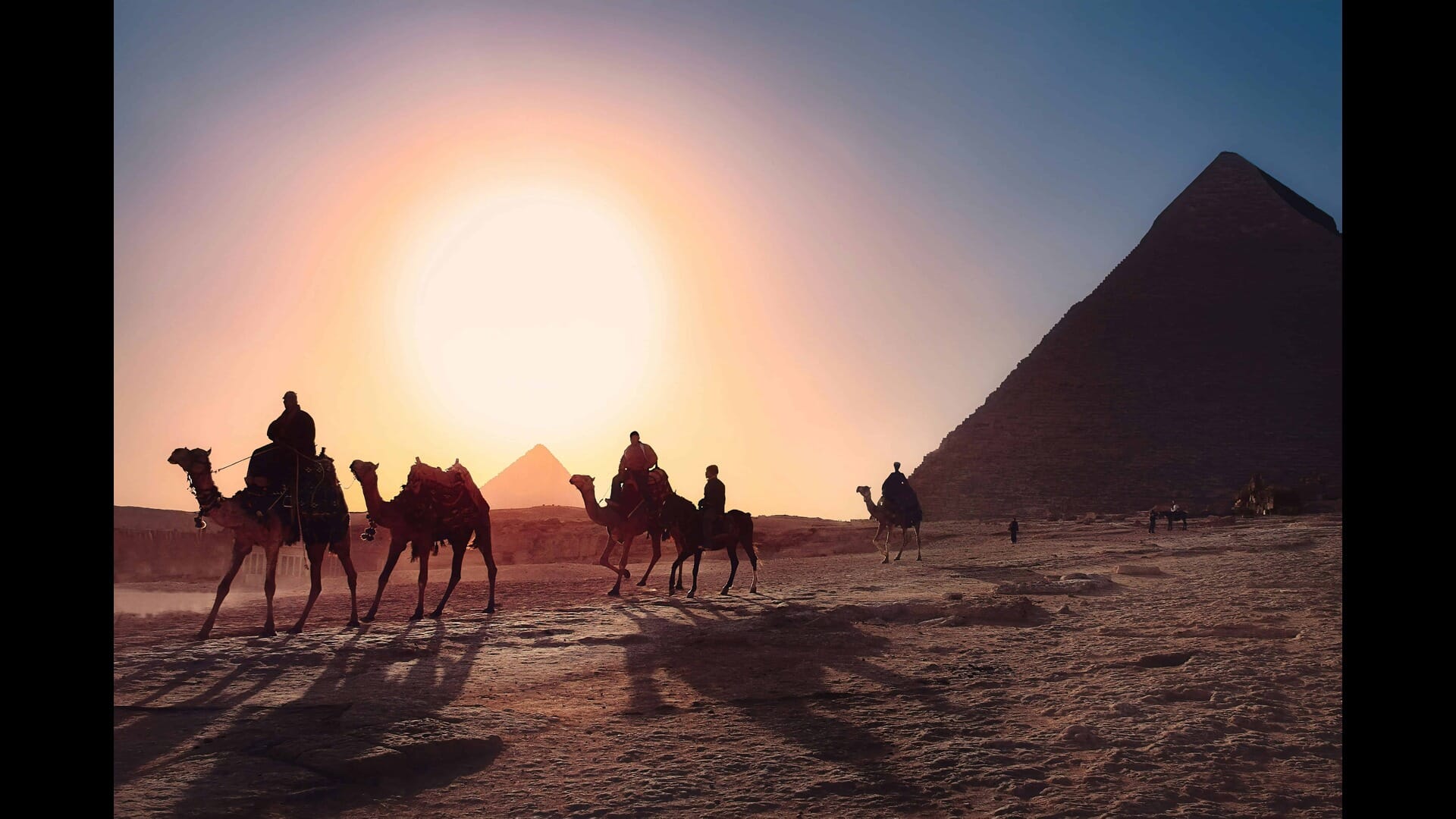
Exploring the Ancient Wonders of the Pyramids of Giza
Exploring the Ancient Wonders of the Pyramids of Giza
The Pyramids of Giza stand as monumental testaments to the ingenuity and ambition of ancient Egyptian civilization. Located on the Giza Plateau, just outside Cairo, these iconic structures have captivated the imaginations of travelers, historians, and archaeologists for centuries. In this comprehensive travel article, we will delve deep into the history, architecture, and cultural significance of the Pyramids of Giza, providing you with a thorough guide to exploring these ancient wonders.
The Historical Context of the Pyramids of Giza
The Pyramids of Giza were constructed during the Fourth Dynasty of the Old Kingdom of Egypt, around 2580 to 2560 BC. The three main pyramids—Khufu, Khafre, and Menkaure—were built as monumental tombs for the pharaohs, reflecting their power and divine status. The Great Pyramid of Khufu, also known as the Pyramid of Cheops, is the largest and most famous of the three, originally standing at 146.6 meters (481 feet) tall.
The Pharaohs and Their Pyramids
The Great Pyramid of Khufu: The largest of the three, Khufu's pyramid was originally covered in casing stones made of highly polished Tura limestone, which reflected sunlight and made it shine like a jewel. This pyramid is a marvel of engineering, consisting of approximately 2.3 million blocks of stone, each weighing between 2.5 to 15 tons.
The Pyramid of Khafre: Slightly smaller than Khufu's pyramid, Khafre's structure is often mistaken for being the tallest due to its elevated location. It is unique for still having some of its original casing stones at the top, giving visitors a glimpse of its former glory.
The Pyramid of Menkaure: The smallest of the three, Menkaure's pyramid stands at 65 meters (213 feet) tall. Despite its size, it is notable for its complex mortuary temple and the exquisite statues found within.
The Architectural Marvel of the Pyramids
The construction of the Pyramids of Giza is a feat of architectural brilliance that continues to baffle experts. The precision with which these structures were built, along with the sheer scale, showcases the advanced understanding of mathematics and engineering possessed by the ancient Egyptians.
The Construction Techniques of the Pyramids
Theories abound regarding how the ancient Egyptians managed to construct these colossal structures. Some of the most prominent theories include:
- Ramp Theories: Many archaeologists believe that ramps were used to transport the massive stones to higher levels as the pyramid rose. Various designs, including straight, zigzagging, and circular ramps, have been proposed.
- Lever Systems: Another theory suggests that levers were employed to lift the stones into place, allowing workers to maneuver the heavy blocks with greater ease.
- Workforce Organization: Contrary to the belief that slaves built the pyramids, evidence suggests that a skilled workforce comprised of laborers, craftsmen, and engineers was employed, working in rotating shifts.
The Sphinx of Giza: Guardian of the Pyramids
Adjacent to the Pyramids of Giza lies the Great Sphinx, a colossal limestone statue with the body of a lion and the head of a pharaoh, believed to be Khafre. The Sphinx is one of the largest and oldest statues in the world, measuring 73 meters (240 feet) long and 20 meters (66 feet) high.
The Mysteries of the Sphinx
The Sphinx has long been shrouded in mystery, with numerous theories regarding its purpose and the identity of its creator. Some of the most intriguing aspects include:
- Symbolism: The Sphinx is thought to symbolize strength and wisdom, serving as a guardian to the pyramids and the pharaohs buried within.
- Weathering and Erosion: The Sphinx has suffered significant erosion over the centuries, leading to debates about its age and the environmental factors that contributed to its deterioration.
- Hidden Chambers: Recent technological advancements have led to speculation about hidden chambers beneath the Sphinx, sparking interest in further archaeological exploration.
Visiting the Pyramids of Giza: A Traveler's Guide
When planning your visit to the Pyramids of Giza, there are several factors to consider to ensure a memorable experience. Here’s a comprehensive guide to help you navigate your journey.
Best Time to Visit the Pyramids
The ideal time to visit the Pyramids of Giza is during the cooler months, from October to April. During this period, temperatures are more manageable, allowing for comfortable exploration. Early mornings or late afternoons are particularly pleasant, as the sun casts a golden hue over the pyramids, creating breathtaking photo opportunities.
How to Get to the Pyramids of Giza
The Pyramids of Giza are easily accessible from Cairo, located about 15 kilometers (9 miles) southwest of the city center. Here are some options for getting there:
- Taxi or Ride-Sharing Services: Taxis and ride-sharing apps like Uber are widely available in Cairo and provide a convenient way to reach the pyramids.
- Public Transportation: Buses and microbuses run from various locations in Cairo to Giza, offering an affordable option for budget travelers.
- Guided Tours: Many tour companies offer guided excursions to the pyramids, often including transportation, a knowledgeable guide, and additional stops at nearby attractions.
What to Expect When You Arrive
Upon arriving at the Giza Plateau, you will be greeted by the awe-inspiring sight of the pyramids rising majestically against the desert backdrop. Here are some tips for making the most of your visit:
- Entry Fees: Be prepared to pay an entrance fee to access the site. Additional fees may apply for entering the pyramids or visiting specific areas.
- Guided Tours: Consider hiring a local guide to enrich your experience with historical context and fascinating stories about the pyramids.
- Photography: Capture the beauty of the pyramids from various angles. The golden hour, just after sunrise or before sunset, offers the best lighting for photography.
Exploring the Pyramids: Inside and Out
While the exterior of the pyramids is undeniably impressive, the interiors hold their own mysteries and wonders. Here’s what you can expect when exploring the inside of the pyramids.
The Interior Chambers of the Great Pyramid
The Great Pyramid of Khufu features a complex system of chambers and passageways:
- The King’s Chamber: Located deep within the pyramid, this chamber houses a granite sarcophagus that once contained the pharaoh's body. The chamber is notable for its impressive corbelled ceiling and the precision with which it was constructed.
- The Queen’s Chamber: This chamber, located below the King’s Chamber, is smaller and lacks a sarcophagus. Its purpose remains a subject of debate among historians.
- The Grand Gallery: A remarkable architectural feature, this long, ascending corridor leads to the King’s Chamber and showcases the ingenuity of ancient Egyptian engineering.
The Pyramids of Khafre and Menkaure
While the Great Pyramid is the most famous, the pyramids of Khafre and Menkaure also offer intriguing insights into ancient Egyptian burial practices:
- Khafre’s Pyramid: Visitors can enter the pyramid and explore its internal chambers, which include a burial chamber similar to that of Khufu.
- Menkaure’s Pyramid: Although smaller in scale, Menkaure’s pyramid features a well-preserved mortuary temple that provides valuable information about the rituals associated with the pharaoh’s burial.
The Cultural Significance of the Pyramids
The Pyramids of Giza are not just architectural marvels; they are also symbols of ancient Egyptian culture and beliefs. They reflect the society's values, religious practices, and the importance of the afterlife.
The Role of the Pyramids in Ancient Egyptian Religion
The pyramids served as monumental tombs, emphasizing the ancient Egyptians' belief in the afterlife. The construction of these grand structures was rooted in the idea that the pharaohs would ascend to the heavens and join the gods after death. Key aspects of this belief include:
- The Afterlife: The pyramids were designed to facilitate the pharaoh's journey to the afterlife, with elaborate burial rituals and offerings to ensure a successful transition.
- The Ka and Ba: Ancient Egyptians believed in the existence of the 'Ka' (spirit) and 'Ba' (soul), which required a physical body to inhabit. The pyramids served as a resting place for the pharaoh's body, ensuring the continuity of life after death.
The Pyramids in Modern Culture
Today, the Pyramids of Giza continue to inspire awe and fascination. They are a UNESCO World Heritage Site and are often featured in literature, film, and art. Their enduring legacy serves as a reminder of the achievements of ancient civilizations and their impact on contemporary culture.
The Mysteries and Theories Surrounding the Pyramids
Despite extensive research, many mysteries surrounding the Pyramids of Giza remain unsolved. Scholars and enthusiasts alike continue to explore various theories regarding their construction, purpose, and the civilization that built them.
Theories on the Construction of the Pyramids
- Alien Theories: Some fringe theories suggest that extraterrestrial beings assisted in the construction of the pyramids, citing the advanced engineering techniques as evidence. However, these claims lack credible support.
- Lost Technologies: Others propose that the ancient Egyptians possessed lost technologies or knowledge that enabled them to build the pyramids with such precision.
- Astrological Alignments: Some researchers believe that the pyramids were aligned with celestial bodies, suggesting that they held astrological significance in ancient Egyptian culture.
Conclusion: A Journey Through Time
Exploring the Pyramids of Giza is not just a journey to witness ancient architecture; it is an opportunity to connect with a civilization that has shaped human history. As you stand before these monumental structures, you are reminded of the ingenuity, ambition, and spiritual beliefs of the ancient Egyptians. Whether you are an avid historian, a curious traveler, or simply someone seeking adventure, the Pyramids of Giza offer an unforgettable experience that transcends time.
In conclusion, the Pyramids of Giza are more than just ancient wonders; they are a testament to the enduring legacy of a civilization that continues to inspire and intrigue people around the world. As you plan your visit, embrace the opportunity to explore not only the pyramids themselves but also the rich history and culture that surrounds them. The Pyramids of Giza await, ready to share their secrets with those who seek to uncover the mysteries of the past.