
Experiencing French Perfume Making in Grasse: A Journey Through Scent
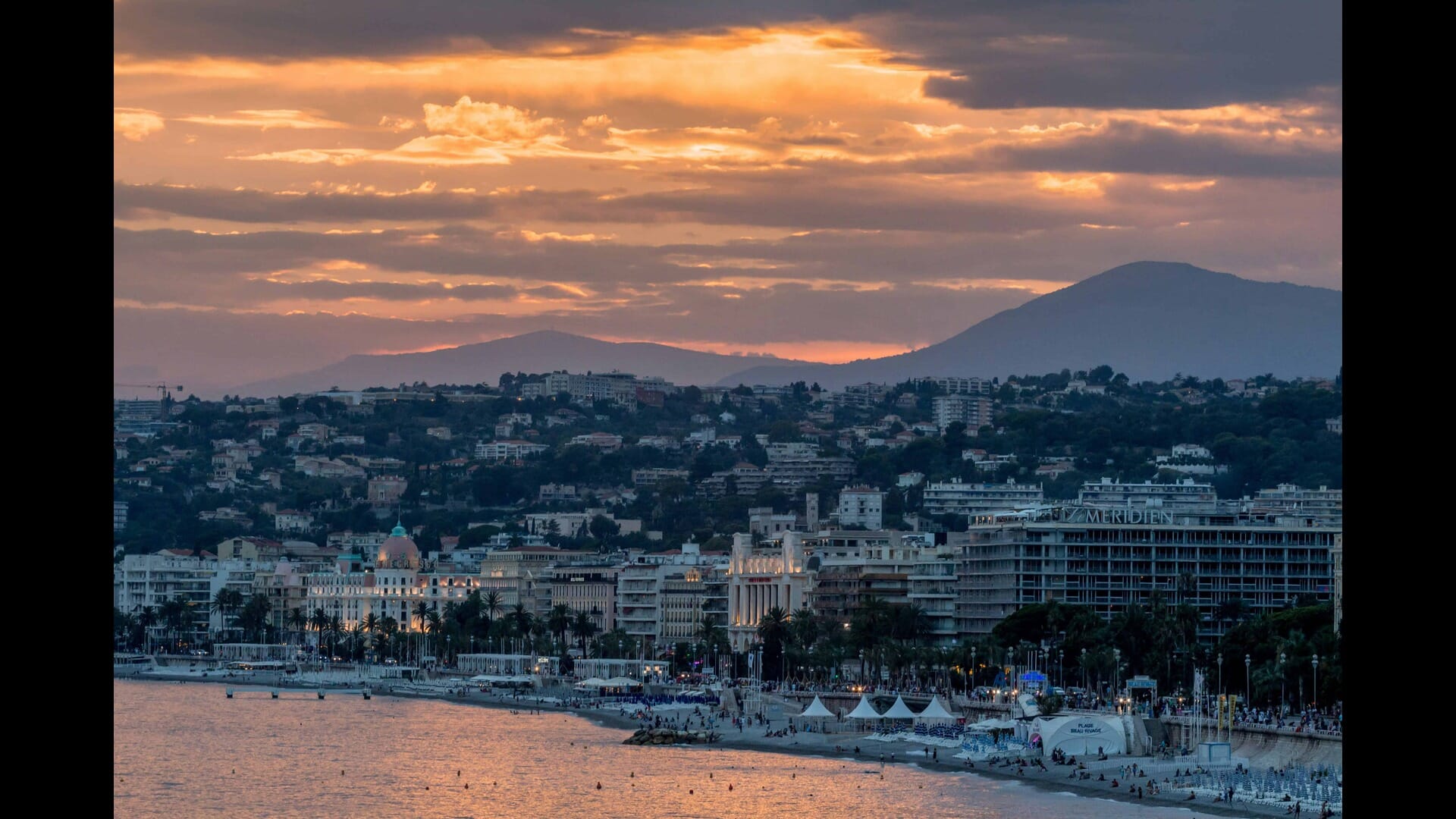
Nestled in the heart of the French Riviera, the picturesque town of Grasse is often hailed as the perfume capital of the world. With its sun-drenched hills, vibrant flowers, and rich history, Grasse offers a unique opportunity to immerse yourself in the art of perfume making.
This article will take you on a fragrant journey through the history, techniques, and experiences that define the world of French perfume making in Grasse.
The Historical Significance of Perfume in Grasse
The Origins of Perfume Making in Grasse
The story of perfume in Grasse dates back to the 16th century when the town began producing leather gloves infused with floral scents. As the demand for fragrant leather goods grew, local artisans started experimenting with various flowers and herbs. This marked the beginning of Grasse’s transformation into a hub for perfume production.
The Rise of the Perfume Industry
By the 18th century, Grasse had established itself as a center for perfume making, attracting skilled artisans and perfumers from across France and beyond. The region's unique climate and fertile soil made it an ideal location for cultivating aromatic plants, such as jasmine, rose, and lavender. Today, Grasse is home to numerous perfume houses, each with its own unique history and signature scents.
The Art and Science of Perfume Making
Understanding the Basics of Fragrance Composition
Perfume making is both an art and a science, requiring a deep understanding of fragrance notes, blending techniques, and the properties of various ingredients. Fragrances are typically composed of three layers: top notes, middle notes, and base notes.
- Top Notes: These are the initial scents that are perceived immediately upon application. They are usually light and refreshing, such as citrus or herbal notes.
- Middle Notes: Also known as heart notes, these emerge after the top notes evaporate. They form the core of the fragrance and often include floral or fruity elements.
- Base Notes: These provide depth and longevity to the perfume. They are usually rich and heavy, such as woods, resins, or musks.
The Role of Essential Oils in Perfume Making
Essential oils are the heart of any fragrance. Derived from various plants, flowers, and herbs, these oils capture the essence of their source. In Grasse, you can find a wide variety of essential oils, each contributing to the unique character of the perfumes produced in the region.
Exploring Grasse: A Fragrant Destination
The Charm of Grasse’s Old Town
As you wander through the cobblestone streets of Grasse’s old town, you’ll be captivated by the charming architecture, vibrant colors, and, of course, the intoxicating scents that fill the air. The town is dotted with perfumeries, each offering a glimpse into the world of fragrance creation. Don’t miss the chance to visit the International Perfume Museum, where you can learn about the history of perfume and its cultural significance.
Visiting Local Perfumeries: A Hands-On Experience
One of the best ways to experience perfume making in Grasse is by visiting local perfumeries. Many of these establishments offer workshops where you can create your own signature scent.
The Workshop Experience
During a typical perfume workshop, you’ll be guided by a professional perfumer who will introduce you to the various fragrance notes and help you understand how to blend them. You’ll have the opportunity to experiment with different essential oils and create a personalized fragrance that reflects your unique style.
The Role of Artisan Perfumers in Grasse
Grasse is home to many talented artisan perfumers who have dedicated their lives to the craft. These individuals often come from generations of perfumers and possess a wealth of knowledge about the art of fragrance creation. By participating in workshops led by these artisans, you’ll gain insights into their creative processes and learn about the techniques that have been passed down through the ages.
The Process of Creating a Signature Scent
Selecting Your Fragrance Notes
The first step in creating your own perfume is selecting the fragrance notes you want to include. This process can be both exciting and overwhelming, given the vast array of options available.
- Floral Notes: Jasmine, rose, and lavender are popular choices for those seeking a romantic or feminine scent.
- Citrus Notes: Bergamot, lemon, and grapefruit can add a refreshing and uplifting quality to your fragrance.
- Woody Notes: Sandalwood, cedar, and vetiver provide depth and warmth, making them ideal for unisex or masculine fragrances.
Blending Techniques
Once you’ve selected your notes, the next step is to blend them. This requires a keen sense of smell and an understanding of how different scents interact with one another. The perfumer will guide you through the blending process, helping you achieve a harmonious balance between the various notes.
Bottling Your Creation
After perfecting your blend, it’s time to bottle your creation. You’ll have the opportunity to choose a beautiful bottle that reflects your personal style, making your perfume not only a fragrant masterpiece but also a stunning keepsake.
The Cultural Significance of Perfume in France
Perfume as an Expression of Identity
In France, perfume is more than just a pleasant scent; it is a form of self-expression. Many people choose fragrances that reflect their personality, mood, or even the seasons. The act of selecting a perfume can be a deeply personal experience, often tied to memories and emotions.
The Influence of French Culture on Perfume Trends
French culture has played a significant role in shaping global perfume trends. The elegance and sophistication associated with French fragrances have made them highly sought after worldwide. In Grasse, you’ll find a blend of traditional and contemporary styles, showcasing the evolution of perfume making over the years.
The Future of Perfume Making in Grasse
Sustainability in the Perfume Industry
As the world becomes increasingly aware of environmental issues, the perfume industry is also adapting. Many perfumeries in Grasse are now focusing on sustainable practices, sourcing ingredients ethically, and reducing their carbon footprint. This shift towards sustainability is essential for preserving the delicate ecosystems that support the cultivation of aromatic plants.
Innovations in Fragrance Creation
The future of perfume making in Grasse is also marked by innovation. New technologies and techniques are being developed to enhance the fragrance creation process. From synthetic ingredients to advanced extraction methods, the possibilities for creating unique scents are expanding.
Conclusion: A Fragrant Journey Awaits in Grasse
Experiencing French perfume making in Grasse is a journey that engages all the senses. From the rich history of the town to the hands-on workshops led by skilled artisans, every moment spent in Grasse is infused with the magic of fragrance. Whether you’re a perfume enthusiast or simply curious about the art of scent, Grasse offers an unforgettable experience that will leave you with lasting memories and a deeper appreciation for the world of perfume.
Tips for Planning Your Visit to Grasse
- Best Time to Visit: The ideal time to visit Grasse is during the spring and summer months when the flowers are in bloom, and the air is filled with delightful scents.
- Book Workshops in Advance: Due to their popularity, it’s advisable to book your perfume-making workshops in advance to secure your spot.
- Explore Beyond Perfume: While Grasse is known for its perfume, don’t miss the chance to explore the surrounding countryside, indulge in local cuisine, and soak in the stunning views of the French Riviera.
In conclusion, Grasse is not just a destination; it’s an experience that invites you to explore the enchanting world of fragrance. From the historical roots of perfume making to the modern innovations shaping the industry, Grasse is a place where scent comes to life. So pack your bags, and get ready to embark on a fragrant adventure in the heart of France!