
Experiencing Croatian Klapa Music in Dalmatia
Experiencing Croatian Klapa Music in Dalmatia
Klapa music is more than just a genre; it is a cultural phenomenon that encapsulates the spirit of the Dalmatian coast in Croatia. This traditional form of a cappella singing, characterized by harmonious melodies and heartfelt lyrics, has been passed down through generations. In this article, we will embark on a comprehensive journey to explore the enchanting world of Klapa music in Dalmatia, from its historical roots to its contemporary expressions.
What is Klapa Music? Understanding the Essence of a Traditional Croatian Genre
Klapa music, often performed by groups of men or women, is a unique style of singing that originated in the coastal regions of Croatia, particularly in Dalmatia. The term 'klapa' translates to 'a group of friends,' which perfectly encapsulates the communal spirit of this musical tradition. Klapa performances typically feature three to ten singers who harmonize without instrumental accompaniment, creating a rich and emotive sound.
The themes of Klapa songs often revolve around love, nature, and the sea, reflecting the lifestyle and values of the Dalmatian people. The melodies are simple yet profound, allowing the singers to convey deep emotions that resonate with both locals and visitors alike.
The Historical Roots of Klapa Music in Dalmatia
To truly appreciate Klapa music, one must delve into its historical context. The origins of Klapa can be traced back to the 19th century, although some believe its roots extend even further into the past. Initially, Klapa singing was a way for fishermen and farmers to pass the time during their work, fostering a sense of camaraderie and community.
As the years progressed, Klapa music evolved, gaining popularity in local festivals and gatherings. The first Klapa groups began to form, and the tradition was passed down through families, ensuring its survival amidst changing times. In 2012, UNESCO recognized Klapa singing as an Intangible Cultural Heritage of Humanity, solidifying its importance in Croatian culture.
The Different Styles of Klapa Singing: A Closer Look at the Variations
Klapa music is not a monolithic genre; it encompasses various styles and forms. Understanding these differences can enhance your experience when attending a Klapa performance. Here are some of the most notable styles:
Traditional Klapa
Traditional Klapa is characterized by its authentic sound and adherence to the original melodies and lyrics. Performers often wear traditional Dalmatian attire, adding to the cultural richness of the experience. This style is commonly performed at local festivals and gatherings, where the singers aim to preserve the heritage of Klapa music.
Klapa Pop
In contrast to traditional Klapa, Klapa Pop incorporates modern musical elements and influences from pop music. This style often features more elaborate arrangements and may include instrumental accompaniment, making it more accessible to younger audiences. Klapa Pop has gained significant popularity in recent years, attracting a new generation of fans.
Klapa a Cappella
Klapa a Cappella is a pure form of Klapa singing that emphasizes vocal harmony without any instrumental support. This style showcases the singers' vocal abilities and the intricate harmonies that define Klapa music. Performances are often held in intimate settings, allowing for a closer connection between the singers and the audience.
The Cultural Significance of Klapa Music in Dalmatia
Klapa music serves as a cultural touchstone for the people of Dalmatia. It is a means of preserving their history, identity, and traditions. The songs often reflect the struggles and joys of everyday life, creating a sense of belonging among the singers and their audiences.
Moreover, Klapa music plays a vital role in social gatherings, weddings, and religious ceremonies. It fosters community bonds and provides a platform for storytelling, allowing the singers to share their experiences and emotions through song.
Where to Experience Klapa Music in Dalmatia: The Best Locations
If you’re eager to immerse yourself in the world of Klapa music, Dalmatia offers numerous locations where you can enjoy live performances. Here are some of the best places to experience this captivating tradition:
Split: The Heart of Dalmatia
Split, the largest city in Dalmatia, is a hub for Klapa music. The city's vibrant atmosphere is complemented by its rich musical heritage. You can find Klapa performances in various venues, including local taverns and during cultural festivals. The annual Split Summer Festival often features Klapa groups, showcasing their talents against the backdrop of the stunning Diocletian's Palace.
Dubrovnik: The Pearl of the Adriatic
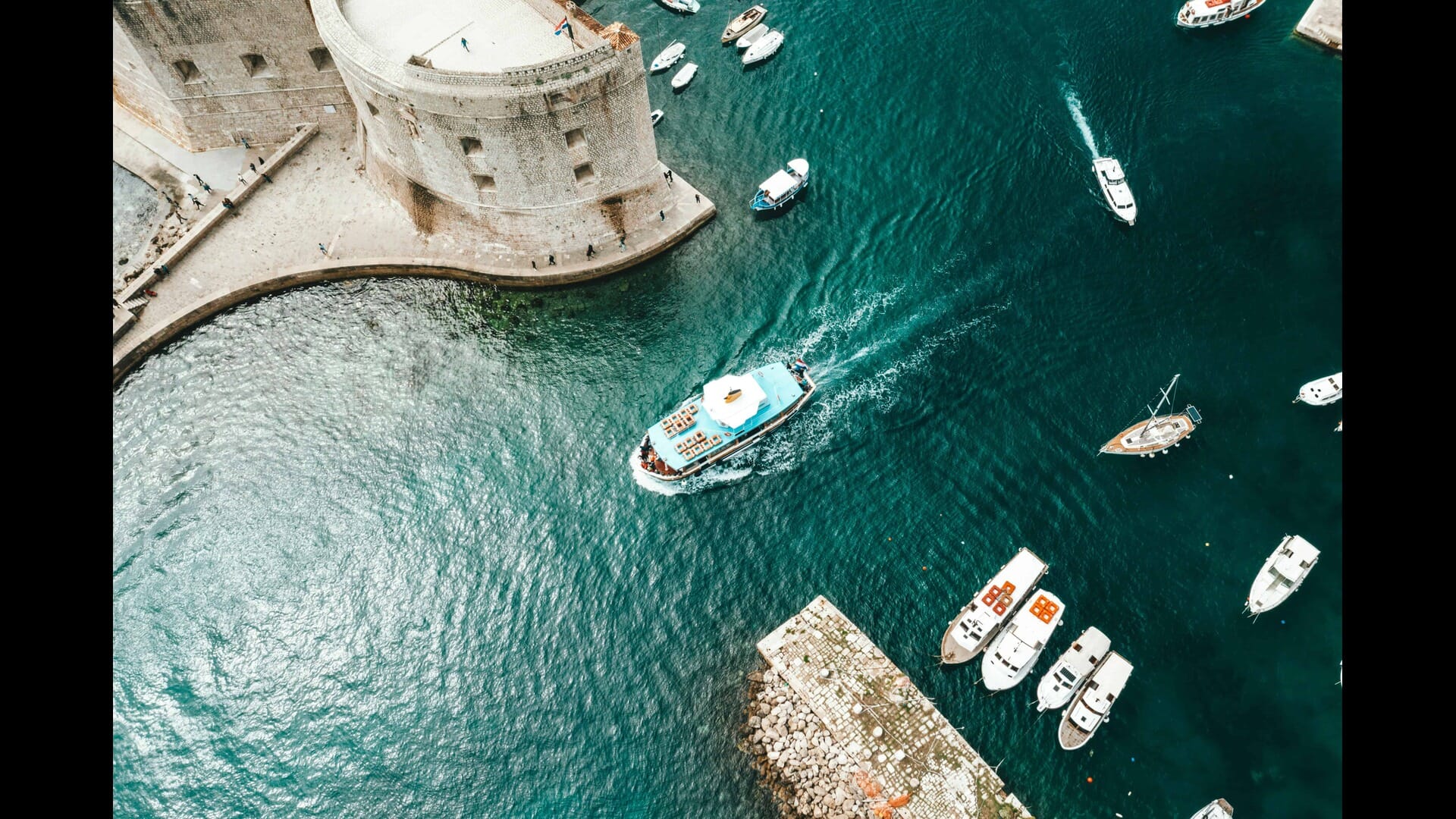
Dubrovnik, known for its breathtaking architecture and stunning coastline, is another excellent location to experience Klapa music. The city hosts numerous cultural events throughout the year, where Klapa groups perform traditional songs. The Dubrovnik Summer Festival is a highlight, featuring a variety of performances, including Klapa music.
Zadar: A Musical Gem
Zadar, a charming coastal town, is famous for its unique sea organ and beautiful sunsets. The town also boasts a vibrant Klapa scene, with performances held in local squares and during festivals. The Zadar Summer Festival is a fantastic opportunity to witness the talent of local Klapa groups.
Trogir: A UNESCO World Heritage Site
Trogir, a small town near Split, is a UNESCO World Heritage Site known for its well-preserved medieval architecture. The town hosts various cultural events throughout the summer, including Klapa performances. The intimate setting of Trogir's narrow streets and squares creates a magical atmosphere for enjoying Klapa music.
Attending a Klapa Performance: What to Expect
When attending a Klapa performance, you can expect an intimate and engaging experience. Here’s what you should keep in mind:
The Atmosphere
Klapa performances often take place in cozy venues, such as local taverns or outdoor squares. The atmosphere is warm and inviting, encouraging audience participation and connection with the performers. You may find yourself clapping along or even joining in the singing!
The Dress Code
While there is no strict dress code, many Klapa singers wear traditional attire, which adds to the cultural experience. If you're attending a performance, consider wearing something comfortable yet respectful of the local customs.
The Language
Most Klapa songs are sung in Croatian, but the emotions conveyed through the music transcend language barriers. Many performers are happy to explain the themes and stories behind their songs, providing context for non-Croatian speakers.
The Role of Klapa Music in Modern Croatian Society
As Croatia continues to evolve, so does Klapa music. While it remains rooted in tradition, contemporary influences have shaped its development. Klapa groups are now experimenting with new styles and collaborations, blending traditional melodies with modern genres.
This evolution has helped Klapa music reach a broader audience, both locally and internationally. Many young musicians are embracing the tradition, ensuring its survival for future generations.
The Future of Klapa Music: Preserving Tradition in a Modern World
As globalization and modernization continue to impact cultural practices worldwide, the future of Klapa music hangs in the balance. However, the dedication of local musicians and communities to preserve this tradition is unwavering. Efforts to promote Klapa music through festivals, workshops, and educational programs are essential in keeping the spirit of Klapa alive.
Educational Initiatives
Various organizations and cultural institutions in Croatia are working to educate young people about Klapa music. Workshops and singing classes are being offered to teach the techniques and history of this unique genre, fostering a new generation of Klapa singers.
Festivals and Competitions
Festivals dedicated to Klapa music are held throughout Dalmatia, providing a platform for both established and emerging artists. These events celebrate the rich heritage of Klapa while encouraging innovation and creativity within the genre.
How to Learn Klapa Music: Tips for Aspiring Singers
If you’re inspired by the beauty of Klapa music and want to learn how to sing it yourself, here are some tips to get started:
Find a Local Group
Look for local Klapa groups or singing clubs in your area. Joining a group is a great way to learn the techniques and traditions of Klapa singing while connecting with like-minded individuals.
Take Vocal Lessons
Consider taking vocal lessons from a qualified instructor who specializes in traditional singing techniques. This will help you develop your vocal skills and understand the nuances of Klapa music.
Practice Regularly
Like any musical form, practice is essential. Spend time singing Klapa songs, focusing on harmonies and melodies. Listening to recordings of established Klapa groups can also help you familiarize yourself with the style.
Conclusion: Embracing the Magic of Klapa Music in Dalmatia
Experiencing Klapa music in Dalmatia is a journey that transcends mere entertainment; it is an exploration of culture, history, and community. Whether you are attending a lively performance in a bustling town square or enjoying an intimate concert in a local tavern, the magic of Klapa music will undoubtedly leave a lasting impression.
As you immerse yourself in the melodies and stories of Klapa songs, you will gain a deeper appreciation for the rich cultural tapestry of Croatia. So, pack your bags, head to Dalmatia, and let the enchanting sounds of Klapa music guide you through this beautiful region of the Adriatic coast.