
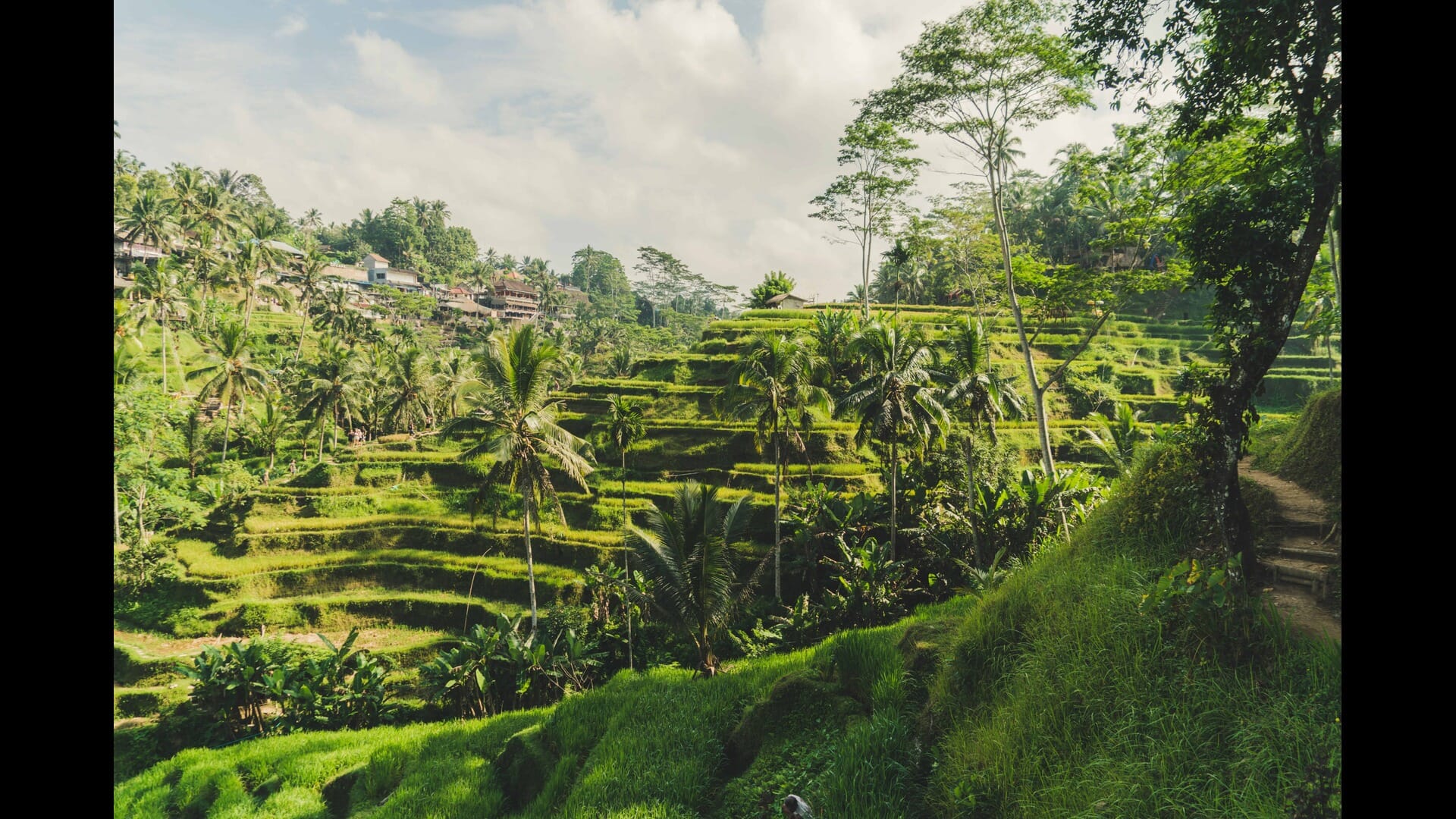
Discovering the Unique Traditions of Indonesia’s Ethnic Groups
Discovering the Unique Traditions of Indonesia’s Ethnic Groups
Indonesia, a sprawling archipelago of over 17,000 islands, is a land of extraordinary diversity. With more than 300 ethnic groups and 700 languages, the cultural tapestry of Indonesia is as rich as it is varied. Each ethnic group contributes its own unique traditions, customs, and practices, making Indonesia a fascinating destination for travelers seeking to immerse themselves in its vibrant cultures.
This article will take you on a journey through the unique traditions of Indonesia’s ethnic groups, exploring their customs, festivals, and cultural heritage.
The Ethnic Diversity of Indonesia: An Overview
Indonesia is home to a multitude of ethnic groups, each with its own distinct language, traditions, and way of life. The largest ethnic group is the Javanese, who primarily inhabit the island of Java. Other significant groups include the Sundanese, Balinese, Batak, Minangkabau, and Dayak, among many others. This diversity is a result of Indonesia's complex history, influenced by indigenous cultures, trade, colonization, and globalization.
The Javanese: The Heart of Indonesian Culture
The Javanese are the largest ethnic group in Indonesia, making up about 40% of the population. Their culture is deeply rooted in tradition, with a strong emphasis on family, community, and respect for elders. Javanese customs are often reflected in their art, music, and dance, which play a significant role in their cultural identity.
Traditional Javanese Ceremonies
One of the most notable aspects of Javanese culture is their elaborate ceremonies. From birth to death, Javanese people celebrate significant life events with intricate rituals. For instance, the selamatan is a communal feast held to mark important milestones, such as a child's first birthday or a wedding. This event is characterized by the preparation of traditional dishes, prayers, and offerings to ancestors.
Javanese Arts and Crafts
Javanese art is renowned for its elegance and intricacy. Batik, a traditional fabric-dyeing technique, is a prime example of Javanese craftsmanship. Each region has its own distinct batik patterns and colors, often telling stories or symbolizing specific meanings. Additionally, shadow puppetry, known as wayang kulit, is a popular form of entertainment that combines storytelling with intricate puppetry and music.
The Balinese: A Spiritual Journey
The Balinese people, residing on the island of Bali, are known for their deep spiritual beliefs and vibrant cultural practices. Hinduism plays a central role in Balinese life, influencing their rituals, ceremonies, and daily activities.
Balinese Festivals and Ceremonies
Bali is famous for its colorful festivals, which are celebrated with great enthusiasm. One of the most significant is Nyepi, the Day of Silence, which marks the Balinese New Year. On this day, the island comes to a standstill as locals engage in self-reflection and meditation, refraining from work, travel, and entertainment.
Another important festival is Galungan, which celebrates the victory of dharma (good) over adharma (evil). During this time, families decorate their homes with penjor (bamboo poles adorned with offerings) and hold ceremonial prayers at temples.
Balinese Dance and Music
Balinese dance is an integral part of their cultural identity, characterized by expressive movements and intricate costumes. Traditional dances, such as the Legong and Barong, often depict stories from Hindu epics and are performed during religious ceremonies and cultural events. The accompanying gamelan music, with its rich and resonant sounds, adds to the enchanting atmosphere of these performances.
The Minangkabau: Matrilineal Society
The Minangkabau people, primarily found in West Sumatra, are known for their unique matrilineal culture, where inheritance and lineage are passed down through the female line. This distinctive social structure influences various aspects of their lives, including marriage, property ownership, and family dynamics.
Traditional Minangkabau Architecture
Minangkabau architecture is easily recognizable by its distinctive rumah gadang (big house) with its soaring, curved roofs resembling buffalo horns. These communal houses serve as the center of family life and are often adorned with intricate carvings that reflect the community's history and values.
Culinary Traditions of the Minangkabau
The Minangkabau are also renowned for their culinary traditions, particularly their spicy dishes. One of the most famous is rendang, a slow-cooked beef dish rich in spices and coconut milk. Food plays a significant role in Minangkabau culture, with communal meals being an essential part of family gatherings and celebrations.
The Batak: Guardians of Lake Toba
The Batak people inhabit the region around Lake Toba in North Sumatra. Known for their strong sense of community and rich cultural heritage, the Batak have a unique blend of traditions that reflect their history and environment.
Batak Music and Dance
Music and dance are vital components of Batak culture. Traditional Batak music often features the gondang (drum) and sape (stringed instrument), creating a lively atmosphere during celebrations and ceremonies. The Tor-Tor dance, performed during rituals and festivities, showcases the community's connection to their ancestors and the natural world.
Batak Traditional Clothing
The Batak people are also known for their distinctive traditional clothing, often made from handwoven fabrics. The ulos, a traditional Batak textile, is used in various ceremonies and symbolizes love, respect, and unity within the community. Gift-giving of ulos during weddings and other significant events is a cherished tradition.
The Dayak: Guardians of the Rainforest
The Dayak people, indigenous to the island of Borneo, are known for their deep connection to the rainforest and their rich cultural traditions. With numerous sub-groups, the Dayak have diverse customs and practices that reflect their unique environments.
Dayak Traditional Beliefs and Rituals
The Dayak people practice animism, believing in the spiritual essence of nature. Their rituals often involve offerings to spirits and ancestors, seeking blessings for health, prosperity, and protection. The Gawai festival, celebrated annually, is a time for thanksgiving and honoring the spirits of the land.
Dayak Arts and Crafts
Dayak craftsmanship is renowned for its intricate wood carvings and beadwork. Traditional tattoos, often symbolizing bravery and achievements, are also an essential aspect of Dayak culture. These tattoos are not only decorative but also serve as a rite of passage and a connection to their ancestors.
The Sundanese: Harmony with Nature
The Sundanese people, primarily residing in West Java, are known for their strong connection to nature and their harmonious way of life. Their culture is characterized by a deep appreciation for music, dance, and agriculture.
Sundanese Music and Performing Arts
Sundanese music is characterized by the use of traditional instruments such as the angklung (bamboo musical instrument) and kendang (drum). The Jaipongan dance, a popular traditional dance, is performed during celebrations and showcases the community's joy and vitality.
Agricultural Traditions of the Sundanese
Agriculture plays a vital role in Sundanese culture, with rice being the staple food. The ngabuburit tradition, where families gather to prepare for breaking fast during Ramadan, reflects the community's strong ties to agriculture and shared experiences.
The Bugis: Navigators of the Sea
The Bugis people, originating from South Sulawesi, are known for their seafaring skills and vibrant maritime culture. Historically, the Bugis were traders and fishermen, navigating the waters of the Indonesian archipelago.
Bugis Traditional Boats and Navigation
The Bugis are famous for their traditional wooden boats, known as pinisi, which are meticulously crafted and used for fishing and trade. Their navigational skills, passed down through generations, are a testament to their deep understanding of the sea and its currents.
Bugis Clothing and Identity
The Bugis people have a distinct traditional attire, with men often wearing baju bodo (a traditional shirt) and women donning colorful kebaya (blouse) paired with a sarong. These garments are often worn during ceremonies and celebrations, reflecting their cultural identity and pride.
The Toraja: A Culture of Life and Death
The Toraja people, residing in the mountainous region of Sulawesi, are known for their elaborate funeral rituals and unique architectural style. Their culture revolves around the concepts of life, death, and the afterlife, with a strong emphasis on community and family bonds.
Toraja Funeral Ceremonies
Toraja funerals are grand events that can last several days, involving intricate rituals, music, and feasting. The deceased are often placed in elaborate wooden coffins, which are then displayed in cliffside graves or traditional burial sites. These ceremonies reflect the Toraja belief in the importance of honoring ancestors and ensuring a smooth transition to the afterlife.
Traditional Toraja Architecture
The Toraja are also known for their distinctive houses, called tongkonan, characterized by their boat-shaped roofs and intricate carvings. These structures serve as family homes and are often adorned with symbols representing the family's lineage and status within the community.
Preserving Indonesia’s Cultural Heritage
As globalization continues to influence cultures worldwide, preserving Indonesia's rich traditions and customs has become increasingly important. Many ethnic groups are actively working to maintain their cultural heritage through education, community initiatives, and tourism.
The Role of Ethnic Tourism in Cultural Preservation
Ethnic tourism has emerged as a means to promote and preserve Indonesia's diverse cultures. By engaging with local communities, travelers can gain a deeper understanding of their traditions while supporting sustainable practices. This form of tourism fosters cultural exchange and encourages the preservation of unique customs, arts, and crafts.
Challenges Facing Indonesia’s Ethnic Groups
Despite the efforts to preserve their cultural heritage, many ethnic groups in Indonesia face challenges such as urbanization, environmental degradation, and the influence of modern lifestyles. It is crucial for both the government and local communities to work together to safeguard these traditions for future generations.
Conclusion: A Tapestry of Cultures
Indonesia's ethnic groups offer a captivating glimpse into the country's rich cultural heritage. From the Javanese to the Dayak, each community contributes its own unique traditions, customs, and practices, creating a vibrant tapestry of cultures. As travelers explore the diverse landscapes of Indonesia, they are invited to engage with these traditions, fostering a deeper appreciation for the country's heritage. By understanding and respecting the unique customs of Indonesia’s ethnic groups, we can contribute to the preservation of their rich cultural legacy for generations to come.