
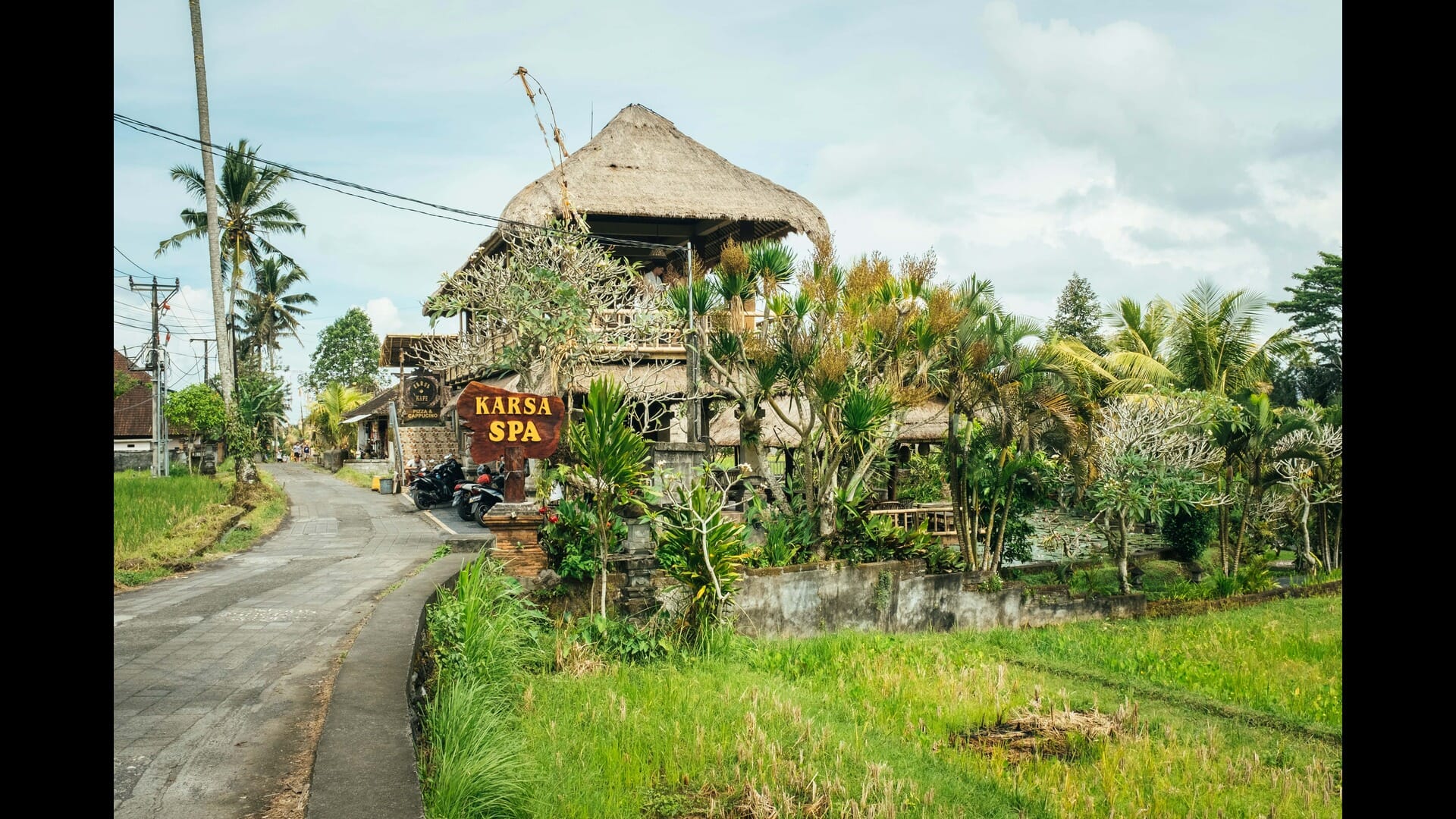
Discovering Traditional Balinese Pottery: A Journey Through Art and Culture
Discovering Traditional Balinese Pottery: A Journey Through Art and Culture
Bali, the Island of the Gods, is renowned for its breathtaking landscapes, vibrant culture, and rich artistic heritage. Among the many treasures that this Indonesian paradise has to offer, traditional Balinese pottery stands out as a unique expression of the island's artistic spirit and cultural identity.
This article will take you on an immersive journey through the world of Balinese pottery, exploring its history, techniques, cultural significance, and the artisans who keep this age-old craft alive.
The Rich History of Traditional Balinese Pottery
The Origins of Balinese Pottery
The roots of traditional Balinese pottery can be traced back thousands of years, with archaeological evidence suggesting that pottery-making in Bali dates back to the Neolithic period. Early Balinese potters utilized locally sourced clay and natural pigments to create functional and ceremonial objects. As trade routes expanded and cultural exchanges flourished, the techniques and styles of pottery evolved, incorporating influences from neighboring regions.
Influences from Ancient Cultures
Throughout its history, Bali has been a melting pot of cultures, with influences from India, China, and the Middle East shaping its artistic landscape. The arrival of Hinduism and Buddhism in the 1st century AD brought with it new artistic expressions, including intricate pottery designs that often depicted mythological themes and religious motifs. This fusion of cultures laid the groundwork for the distinctive styles of pottery that we see today.
The Art of Balinese Pottery Making
Traditional Techniques and Materials
Balinese pottery is characterized by its use of natural materials and traditional techniques that have been passed down through generations. The primary material used is clay, which is abundant on the island. Artisans often mix different types of clay to achieve specific textures and colors. The pottery-making process typically involves several steps:
- Clay Preparation: Artisans begin by sourcing and preparing the clay, which involves kneading it to remove air bubbles and achieve the desired consistency.
- Shaping: Using hand-building techniques or a potter's wheel, artisans shape the clay into various forms, from functional bowls and plates to decorative sculptures.
- Drying: Once shaped, the pottery is left to dry slowly to prevent cracking. This stage is crucial for ensuring the durability of the final product.
- Firing: The dried pottery is then fired in a traditional kiln, which can reach temperatures of up to 1,200 degrees Celsius. This process hardens the clay and enhances its color.
- Glazing and Decoration: After firing, artisans apply natural glazes made from minerals and plant-based dyes. The glazing process not only adds color but also provides a protective layer to the pottery.
Unique Styles of Balinese Pottery
Balinese pottery is diverse, with various styles reflecting the island's cultural heritage. Some of the most notable styles include:
- Kamasan Pottery: Originating from the village of Kamasan, this style is known for its intricate hand-painted designs that often depict scenes from Hindu epics like the Ramayana and Mahabharata.
- Batik Pottery: Inspired by the traditional batik fabric-dyeing technique, batik pottery features intricate patterns created using wax resist methods.
- Bali Aga Pottery: This style is associated with the indigenous Bali Aga people and is characterized by its simple, utilitarian forms and earthy colors.
The Cultural Significance of Balinese Pottery
Pottery in Balinese Rituals and Ceremonies
In Balinese culture, pottery is not merely an art form; it plays a vital role in various rituals and ceremonies. Ceremonial pottery is often used in offerings to the gods, showcasing the deep spiritual connection that Balinese people have with their craft. These offerings, known as canang sari, are intricately designed and filled with symbolic items, including flowers, fruits, and rice.
The Role of Pottery in Daily Life
Beyond its ceremonial use, pottery is an integral part of daily life in Bali. Traditional pottery items, such as cooking pots, water jars, and storage containers, are commonly used in households. The craftsmanship involved in creating these functional pieces reflects the Balinese philosophy of harmony with nature and the importance of sustainability.
Meet the Artisans Behind Balinese Pottery
Profiles of Renowned Balinese Pottery Artisans
The art of pottery-making in Bali is preserved by skilled artisans who dedicate their lives to this craft. Many of these artisans come from families with a long lineage of pottery-making traditions. Here are a few notable artisans:
- I Made Suardika: A master potter from Ubud, I Made Suardika is known for his innovative approach to traditional pottery. He combines modern techniques with age-old practices, creating pieces that resonate with both locals and tourists.
- Ni Wayan Sari: A talented female artisan, Ni Wayan Sari specializes in Kamasan pottery. Her intricate designs reflect her deep understanding of Balinese mythology and culture.
- I Gusti Ngurah: A Bali Aga potter, I Gusti Ngurah focuses on preserving the traditional methods of his ancestors. His work emphasizes simplicity and functionality, staying true to the roots of Balinese pottery.
Pottery Workshops in Bali: Hands-On Experiences
Engaging with the Craft
For those interested in immersing themselves in the world of Balinese pottery, participating in a pottery workshop is a must. Many artisans and studios offer hands-on experiences where visitors can learn the techniques of pottery-making directly from the masters. These workshops typically include:
- Clay Preparation: Participants will learn how to prepare clay and understand its properties.
- Shaping Techniques: Guided by artisans, attendees will practice shaping their own pottery using traditional methods.
- Firing and Glazing: Some workshops even provide insights into the firing and glazing processes, allowing participants to create their own unique pieces.
Recommended Pottery Workshops in Bali
- Ubud Pottery Studio: Located in the heart of Ubud, this studio offers a variety of pottery classes for all skill levels. Participants can create functional and decorative pieces while enjoying the serene surroundings of Bali.
- Bali Ceramic Studio: This studio focuses on traditional techniques and provides a comprehensive learning experience, from clay preparation to glazing.
- Kamasan Pottery Workshop: For those interested in the Kamasan style, this workshop offers specialized classes that delve into the intricate designs and cultural significance of this unique pottery style.
Sustainable Pottery Practices in Bali
The Importance of Sustainability in Pottery
As the world becomes increasingly aware of environmental issues, the pottery industry in Bali is also embracing sustainable practices. Many artisans are committed to using eco-friendly materials and methods to minimize their impact on the environment. This includes:
- Natural Glazes: Artisans are turning to natural glazes made from local minerals and plant-based dyes, reducing the reliance on harmful chemicals.
- Recycling Clay: Many potters recycle clay scraps from their work, ensuring that waste is minimized and resources are used efficiently.
- Community Initiatives: Some pottery studios collaborate with local communities to promote sustainable practices and educate future generations about the importance of preserving traditional crafts.
Exploring Balinese Pottery Tours
Discovering the Artisans and Their Workspaces
For travelers eager to delve deeper into the world of Balinese pottery, guided tours offer an excellent opportunity to explore the artisans' workspaces and learn about their craft. These tours typically include:
- Visits to Pottery Villages: Tourists can visit traditional pottery villages, such as Kamasan and Batubulan, where they can witness artisans at work and purchase unique pieces directly from the makers.
- Cultural Insights: Guides often provide valuable insights into the cultural significance of pottery in Balinese society, enhancing the overall experience.
- Hands-On Activities: Some tours include hands-on pottery-making sessions, allowing participants to create their own souvenirs to take home.
Recommended Pottery Tours in Bali
- Bali Pottery Village Tour: This tour takes visitors to several pottery villages, providing an in-depth look at the different styles and techniques used by local artisans.
- Cultural Pottery Experience: Combining pottery-making with cultural activities, this tour offers a holistic experience of Balinese art and traditions.
- Eco-Friendly Pottery Tour: Focused on sustainability, this tour highlights artisans who prioritize eco-friendly practices and materials in their work.
The Future of Traditional Balinese Pottery
Challenges Facing Balinese Pottery Artisans
Despite its rich heritage, traditional Balinese pottery faces several challenges in the modern world. The rise of mass-produced ceramics and changing consumer preferences pose threats to the survival of this age-old craft. Many artisans struggle to compete with cheaper, factory-made alternatives, leading to a decline in traditional pottery production.
Preserving the Craft for Future Generations
To ensure the survival of traditional Balinese pottery, various initiatives are underway to promote and preserve this craft. These include:
- Educational Programs: Workshops and classes are being offered to teach younger generations the skills and techniques of pottery-making.
- Cultural Festivals: Events celebrating Balinese art and culture often feature pottery exhibitions, providing artisans with a platform to showcase their work.
- Support from Local Government: The Balinese government is increasingly recognizing the importance of traditional crafts and is implementing policies to support artisans and promote sustainable practices.
Conclusion: Embracing the Beauty of Balinese Pottery
In conclusion, discovering traditional Balinese pottery is not just about appreciating the beauty of the art form; it is a journey into the heart of Balinese culture and heritage. From its ancient origins to the skilled artisans who continue to create stunning pieces today, pottery in Bali is a testament to the island's rich artistic legacy. Whether you are an art enthusiast, a traveler seeking unique experiences, or simply someone who appreciates craftsmanship, exploring the world of Balinese pottery will undoubtedly leave a lasting impression. So, pack your bags, head to Bali, and immerse yourself in the enchanting world of traditional Balinese pottery.