
Discovering the Spiritual Practices of Ancient Egypt
Discovering the Spiritual Practices of Ancient Egypt
Ancient Egypt, a civilization that flourished along the banks of the Nile for over three millennia, is renowned for its monumental architecture, intricate hieroglyphs, and profound spirituality. The spiritual practices of Ancient Egypt were deeply intertwined with daily life, influencing everything from governance to agriculture, and they continue to fascinate historians, archaeologists, and travelers alike.
This article embarks on a comprehensive journey through the spiritual landscape of Ancient Egypt, exploring its rituals, beliefs, deities, and their enduring legacy.
The Role of Spirituality in Ancient Egyptian Society
Spirituality in Ancient Egypt was not merely a set of beliefs; it was the very fabric of society. The Egyptians viewed the world as a complex interplay of divine forces, and their understanding of the universe was deeply rooted in spirituality. This section delves into how spirituality influenced various aspects of life, including politics, agriculture, and social structure.
The Divine Kingship and Pharaohs
At the apex of Ancient Egyptian society was the Pharaoh, regarded as a divine ruler. The Pharaoh was believed to be the intermediary between the gods and the people, embodying the divine essence of Horus, the sky god. This section explores the concept of divine kingship, the rituals associated with the coronation of a Pharaoh, and how these practices reinforced the social hierarchy.
Agriculture and Spirituality
The annual flooding of the Nile was not just a natural phenomenon; it was seen as a divine blessing from the god Hapi. This section examines how agricultural practices were intertwined with spiritual beliefs, including rituals performed to ensure a bountiful harvest and the significance of fertility deities.
The Pantheon of Ancient Egyptian Deities
The spiritual practices of Ancient Egypt were characterized by a rich pantheon of gods and goddesses, each representing different aspects of life and nature. This section provides an overview of the most significant deities, their attributes, and their roles in the spiritual lives of the Egyptians.
Osiris: The God of the Afterlife
Osiris, the god of the afterlife, resurrection, and agriculture, played a central role in Egyptian spirituality. This section explores the myths surrounding Osiris, his significance in the afterlife beliefs, and the rituals associated with his worship.
Isis: The Goddess of Magic and Motherhood
Isis, the wife of Osiris, was revered as the goddess of magic, motherhood, and fertility. This section discusses her importance in Egyptian mythology, the rituals dedicated to her, and her role as a protector of the pharaohs.
Ra: The Sun God
Ra, the sun god, was one of the most important deities in the Egyptian pantheon. This section delves into the significance of Ra in daily life, the rituals performed in his honor, and the symbolism of the sun in Egyptian spirituality.
Sacred Sites and Temples in Ancient Egypt
Temples were the epicenters of spiritual life in Ancient Egypt, serving as places of worship, community gathering, and economic activity. This section explores the architectural grandeur of Egyptian temples, their functions, and the rituals performed within their sacred walls.
The Temple of Karnak: A Spiritual Powerhouse
The Temple of Karnak, one of the largest religious complexes in the world, was dedicated to the god Amun. This section provides an in-depth look at its history, architecture, and the elaborate rituals that took place there.
The Temple of Luxor: A Celebration of the Divine
The Temple of Luxor was a site of immense religious significance, particularly during the Opet Festival. This section examines the temple's design, its connection to the Pharaohs, and the rituals that celebrated the divine union of Amun and the Pharaoh.
The Afterlife Beliefs of Ancient Egyptians
The concept of the afterlife was paramount in Ancient Egyptian spirituality. This section explores the beliefs surrounding death, the journey to the afterlife, and the rituals performed to ensure a safe passage.
Mummification: The Path to Eternity
Mummification was a crucial practice in preparing the deceased for the afterlife. This section delves into the mummification process, its spiritual significance, and the beliefs surrounding the preservation of the body.
The Book of the Dead: A Guide to the Afterlife
The Book of the Dead is a collection of spells and prayers intended to guide the deceased through the afterlife. This section examines its contents, the rituals associated with it, and its importance in Egyptian funerary practices.
The Spiritual Significance of Pyramids
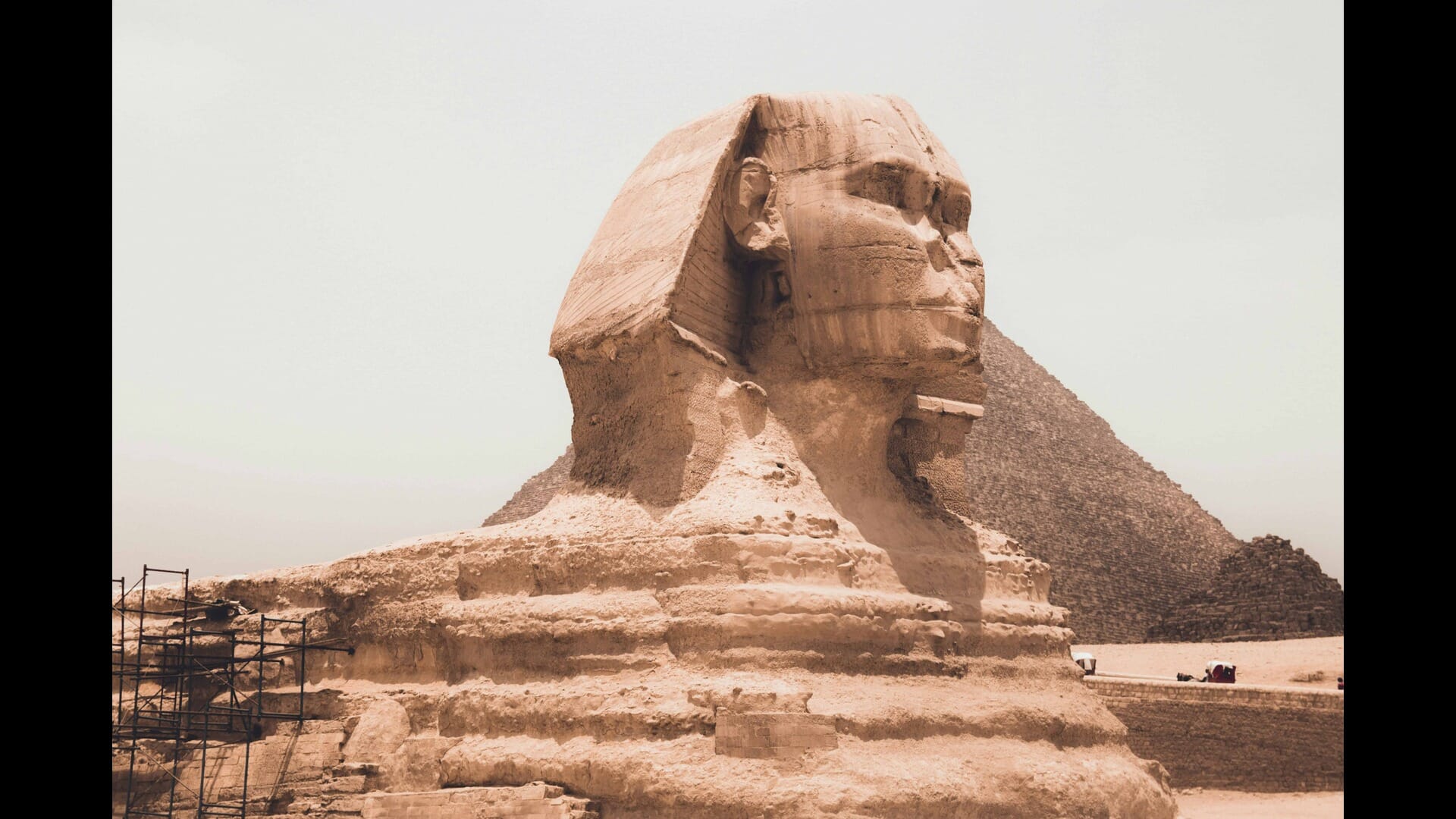
Pyramids are perhaps the most iconic symbols of Ancient Egypt, serving as monumental tombs for the Pharaohs. This section explores the spiritual significance of pyramids, their architectural marvels, and the beliefs surrounding their construction.
The Great Pyramid of Giza: A Testament to Spirituality
The Great Pyramid of Giza, one of the Seven Wonders of the Ancient World, was built as a tomb for Pharaoh Khufu. This section discusses its construction, the spiritual beliefs that guided its design, and its role in the afterlife.
The Pyramid Texts: Ancient Spiritual Literature
The Pyramid Texts are among the oldest religious texts in the world, inscribed in the burial chambers of pyramids. This section explores their significance, the rituals they describe, and their insights into the spiritual beliefs of the time.
Rituals and Festivals in Ancient Egypt
Rituals and festivals were integral to the spiritual practices of Ancient Egypt, providing opportunities for communal worship and connection with the divine. This section examines the various rituals and festivals celebrated throughout the year.
The Opet Festival: A Celebration of Renewal
The Opet Festival was one of the most important religious festivals in Ancient Egypt, celebrating the annual flooding of the Nile and the fertility it brought. This section explores the rituals, processions, and significance of this vibrant festival.
The Festival of the Valley: Honoring the Dead
The Festival of the Valley was a time for the living to honor their deceased ancestors. This section discusses the rituals performed during this festival, the significance of ancestral worship, and the connection to the afterlife.
The Legacy of Ancient Egyptian Spiritual Practices
The spiritual practices of Ancient Egypt have left an indelible mark on history, influencing subsequent cultures and religions. This section reflects on the legacy of these practices, their impact on modern spirituality, and how they continue to inspire awe and fascination.
Influence on Modern Spirituality
Many aspects of Ancient Egyptian spirituality have found their way into modern spiritual practices. This section examines how ancient beliefs have been adapted and integrated into contemporary spiritual movements.
The Enduring Fascination with Ancient Egypt
The allure of Ancient Egypt remains strong, drawing millions of visitors to its archaeological sites each year. This section explores the reasons behind this fascination and the ongoing efforts to preserve and understand this remarkable civilization.
Conclusion: Embracing the Spiritual Wisdom of Ancient Egypt
The spiritual practices of Ancient Egypt offer profound insights into the human experience, our relationship with the divine, and the mysteries of life and death. As we explore these ancient beliefs, we are reminded of the timeless quest for meaning and connection that transcends cultures and eras. By embracing the spiritual wisdom of Ancient Egypt, we can deepen our understanding of ourselves and the world around us.
In conclusion, the spiritual practices of Ancient Egypt are a testament to the rich tapestry of human belief and experience. From the divine kingship of the Pharaohs to the intricate rituals honoring the gods, these practices shaped a civilization that continues to inspire and captivate us today. Whether through the grandeur of their temples, the mysteries of their pyramids, or the profound beliefs surrounding the afterlife, Ancient Egypt remains a source of spiritual exploration and discovery for generations to come.