
Discovering the Salt Pans of Nin: A Journey Through History and Nature
Discovering the Salt Pans of Nin: A Journey Through History and Nature
Nestled along the picturesque coast of Croatia, the Salt Pans of Nin offer a unique blend of natural beauty, rich history, and cultural significance. This hidden gem, located just a stone's throw away from the charming town of Nin, invites travelers to explore its vast landscapes, learn about traditional salt harvesting techniques, and immerse themselves in the serene environment that has been cherished for centuries.
In this comprehensive guide, we will delve into the enchanting world of the Salt Pans of Nin, uncovering their history, ecological importance, and the myriad of experiences they offer.
The Historical Significance of the Salt Pans of Nin
The Salt Pans of Nin are not just a stunning natural landscape; they are also steeped in history. Dating back to the Roman era, these salt pans have been a vital resource for the local community for over 2,000 years. The ancient Romans recognized the value of salt, using it for preservation, seasoning, and even as currency. The town of Nin, known as the oldest Croatian royal town, played a crucial role in the salt trade, which flourished during the Middle Ages.
As you walk through the salt pans, you can almost hear the whispers of history echoing through the air. The traditional methods of salt harvesting, passed down through generations, are still practiced today, allowing visitors to witness the age-old techniques that have shaped the region's economy and culture.
How to Get to the Salt Pans of Nin
Reaching the Salt Pans of Nin is a straightforward journey, whether you're coming from the bustling city of Zadar or other nearby destinations. The easiest way to get there is by car, as the pans are located just 15 kilometers from Zadar. The drive takes you through scenic landscapes, with stunning views of the Adriatic Sea and the surrounding countryside.
If you prefer public transportation, you can take a bus from Zadar to Nin. Buses run regularly, and the journey takes approximately 30 minutes. Once you arrive in Nin, the salt pans are just a short walk away, making it easy to explore this enchanting area on foot.
The Ecological Importance of the Salt Pans
The Salt Pans of Nin are not only a historical treasure but also an ecological wonder. The unique environment created by the salt pans supports a diverse range of flora and fauna, making it a haven for nature lovers and birdwatchers alike. The pans are home to various species of birds, including flamingos, herons, and egrets, which flock to the area to feed and nest.
The salt pans also play a crucial role in maintaining the local ecosystem. The evaporation process that occurs in the pans creates a saline environment that supports the growth of halophytic plants, which in turn provide habitat for numerous animal species. This delicate balance of life is a testament to the importance of preserving such unique ecosystems.
Exploring the Salt Pans: A Guided Tour
One of the best ways to experience the Salt Pans of Nin is by joining a guided tour. Local guides offer insightful tours that delve into the history, ecology, and traditional salt harvesting methods of the area. During the tour, you'll have the opportunity to see the salt pans up close, learn about the intricate process of salt production, and even try your hand at harvesting salt yourself.
The tours typically last a few hours and include stops at various points of interest within the salt pans. You'll be amazed by the breathtaking views, the vibrant colors of the salt flats, and the rich biodiversity that thrives in this unique environment.
Photography Opportunities in the Salt Pans of Nin
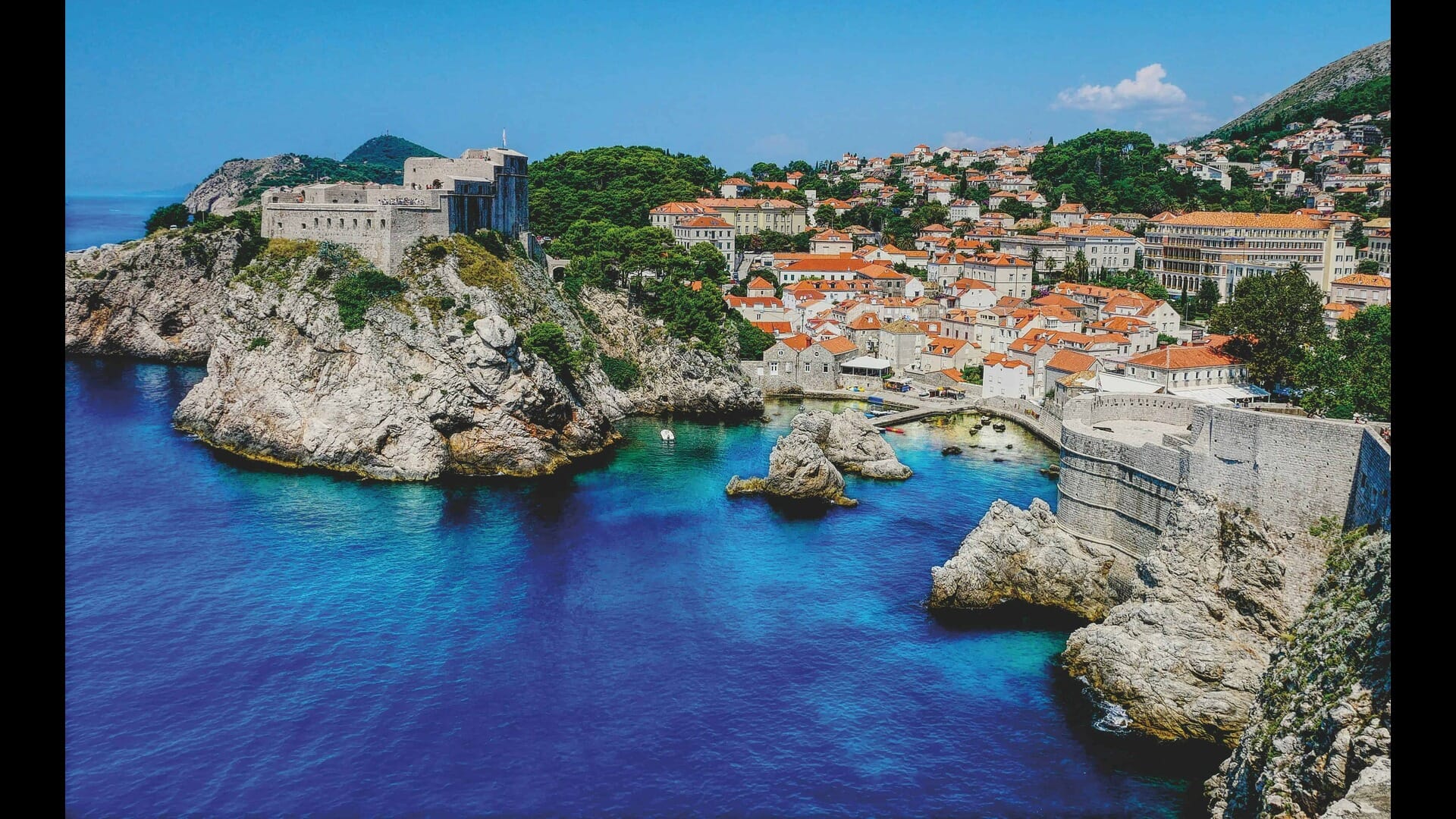
For photography enthusiasts, the Salt Pans of Nin provide a stunning backdrop for capturing the beauty of nature. The shimmering salt flats, framed by the azure waters of the Adriatic Sea, create a mesmerizing landscape that changes with the light throughout the day. Early morning and late afternoon are particularly magical times to visit, as the golden hour casts a warm glow over the pans.
Whether you're a professional photographer or a casual snapper, you'll find countless opportunities to capture the essence of this enchanting place. From the intricate patterns formed by the salt to the vibrant colors of the surrounding flora and fauna, every corner of the salt pans offers a new perspective waiting to be discovered.
Local Cuisine: Tasting the Flavors of Nin
No visit to the Salt Pans of Nin would be complete without indulging in the local cuisine. The region is known for its fresh seafood, traditional Croatian dishes, and, of course, salt. Many restaurants in Nin and the surrounding area incorporate locally harvested salt into their dishes, enhancing the flavors of fresh ingredients.
Be sure to try the local specialty, "školjke" (shellfish), which is often prepared with a sprinkle of sea salt and served with a side of homemade bread. Pair your meal with a glass of local wine, and you'll experience the true essence of Croatian gastronomy.
The Best Time to Visit the Salt Pans of Nin
The Salt Pans of Nin can be visited year-round, but the best time to experience their beauty is during the spring and early fall months. From April to June and September to October, the weather is mild, making it ideal for exploring the area on foot or by bike.
During the summer months, the salt pans can become quite hot, with temperatures often exceeding 30°C (86°F). However, if you can handle the heat, you'll be rewarded with stunning sunsets and vibrant colors that are perfect for photography. Winter visits offer a unique perspective, as the salt pans can be transformed into a serene winter wonderland, with frost covering the landscape.
Eco-Tourism and Sustainable Practices in the Salt Pans
As awareness of environmental issues grows, eco-tourism has become an essential aspect of travel in Croatia. The Salt Pans of Nin are a prime example of how tourism can be both enjoyable and sustainable. Local initiatives focus on preserving the natural beauty of the area while providing visitors with an authentic experience.
Many of the salt producers in Nin practice traditional, sustainable methods of salt harvesting that have minimal impact on the environment. By supporting these local businesses, travelers can contribute to the preservation of this unique ecosystem while enjoying the beauty and history of the salt pans.
Nearby Attractions: Exploring the Town of Nin
After exploring the Salt Pans, take some time to discover the charming town of Nin. Known for its rich history and stunning architecture, Nin is home to several notable attractions, including the Church of the Holy Cross, one of the smallest churches in the world, and the remains of the Roman city of Cissa.
Strolling through the cobblestone streets of Nin, you'll find quaint shops, local markets, and inviting cafes where you can relax and soak in the atmosphere. The town's rich cultural heritage is evident in its architecture, with many buildings showcasing traditional Croatian styles.
Conclusion: A Unique Experience Awaits at the Salt Pans of Nin
The Salt Pans of Nin offer a unique blend of history, nature, and culture that is sure to captivate any traveler. Whether you're interested in learning about traditional salt harvesting methods, exploring the diverse ecosystems, or simply enjoying the stunning landscapes, the salt pans provide an unforgettable experience.
As you plan your visit to Croatia, make sure to include the Salt Pans of Nin on your itinerary. This hidden gem is a testament to the beauty and richness of the Croatian landscape, and it promises to leave you with lasting memories of your journey through this enchanting region.