
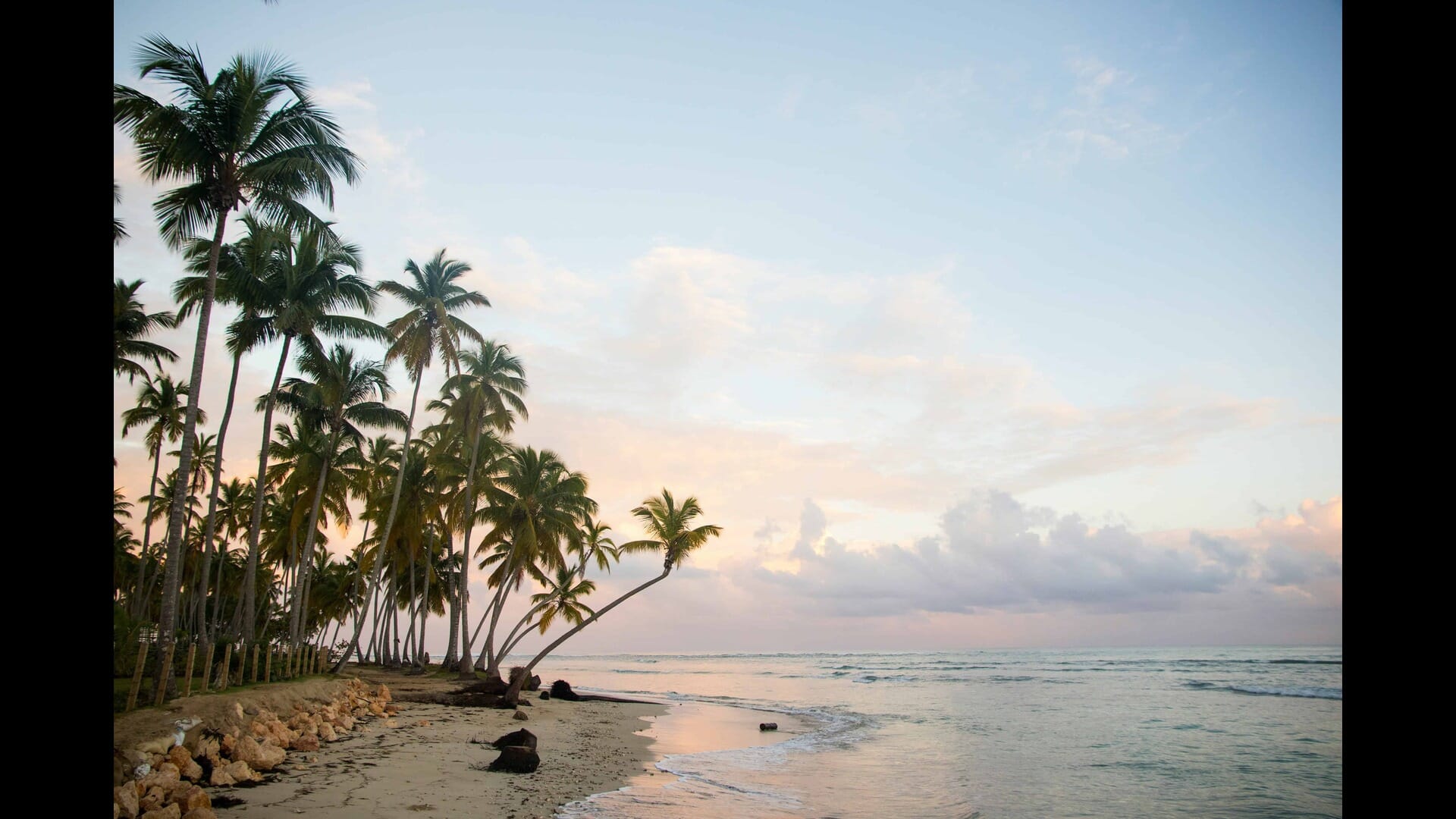
Discovering the Rich Cultural Tapestry of the Dominican Republic
Discovering the Rich Cultural Tapestry of the Dominican Republic
The Dominican Republic, a jewel in the Caribbean, is not just a paradise for beach lovers and sun-seekers; it is a vibrant tapestry woven with rich cultural threads that reflect its complex history, diverse population, and unique traditions. From the pulsating rhythms of merengue and bachata to the tantalizing flavors of its cuisine, the Dominican Republic offers travelers a chance to immerse themselves in a culture that is as warm and inviting as its people.
In this article, we will explore the various facets of Dominican culture, including its music, dance, cuisine, art, festivals, and much more.
The Historical Context of Dominican Culture
To truly appreciate the cultural richness of the Dominican Republic, one must first understand its historical context. The island of Hispaniola, which the Dominican Republic shares with Haiti, was the first landing site of Christopher Columbus in 1492. This marked the beginning of a complex history characterized by colonization, slavery, and resistance.
The indigenous Taíno people, who inhabited the island long before European arrival, played a crucial role in shaping the early cultural landscape. Their influence can still be seen in the language, customs, and even the cuisine of the Dominican Republic. However, the arrival of the Spanish colonizers led to a significant transformation of the island's cultural identity.
The blending of Spanish, African, and indigenous Taíno cultures created a unique cultural fusion that defines the Dominican Republic today. The African influence, in particular, is evident in the music, dance, and religious practices that permeate Dominican life.
The Melodic Heartbeat: Music in the Dominican Republic
The Origins of Merengue and Bachata
Music is the lifeblood of the Dominican Republic, and two genres stand out as emblematic of its cultural identity: merengue and bachata. Merengue, recognized by UNESCO as an Intangible Cultural Heritage of Humanity, is characterized by its lively tempo and infectious rhythms. Its origins can be traced back to the rural communities of the Dominican Republic, where it was initially performed at social gatherings and celebrations.
Bachata, on the other hand, emerged in the early 20th century in the lower-class neighborhoods of Santo Domingo. With its romantic lyrics and slower tempo, bachata reflects the struggles and passions of everyday life. The genre has evolved over the years, incorporating elements from various musical styles, including bolero and son.
The Role of Music in Daily Life
In the Dominican Republic, music is not just entertainment; it is a vital part of daily life. From the streets of Santo Domingo to the rural villages, you will find musicians playing their hearts out, whether at family gatherings, local bars, or public festivals. The sound of guitars, maracas, and the unmistakable beat of the tambora fills the air, inviting everyone to join in the celebration.
Iconic Dominican Musicians
Several iconic musicians have made significant contributions to the Dominican music scene. Juan Luis Guerra, a Grammy Award-winning artist, is perhaps the most internationally recognized figure in Dominican music. His fusion of merengue, bachata, and Caribbean rhythms has captivated audiences worldwide. Other notable artists include Aventura, Romeo Santos, and Milly Quezada, each bringing their unique flair to the rich musical landscape of the Dominican Republic.
Dance: The Expression of Dominican Culture
The Dance Styles of the Dominican Republic
Dance is an integral part of Dominican culture, serving as a means of expression and celebration. The most popular dance styles associated with Dominican music are merengue and bachata, each with its distinct movements and styles.
Merengue is characterized by its fast-paced footwork and hip movements, often performed in pairs. The dance is spontaneous and encourages improvisation, allowing dancers to showcase their individual styles. Bachata, in contrast, is more sensual and intimate, with close partner work and intricate footwork that tells a story of love and longing.
Learning to Dance Dominican Styles
For travelers eager to immerse themselves in Dominican culture, taking a dance class can be a thrilling experience. Many dance schools and studios in cities like Santo Domingo and Punta Cana offer lessons in merengue and bachata, catering to all skill levels. Whether you are a seasoned dancer or a complete novice, the infectious energy of Dominican dance will leave you wanting more.
Culinary Delights: Exploring Dominican Cuisine
The Influences on Dominican Food
Dominican cuisine is a reflection of the island's diverse cultural heritage, blending Spanish, African, and indigenous Taíno influences. The result is a flavorful and hearty culinary tradition that showcases the island's agricultural bounty.
Traditional Dominican Dishes
Some must-try dishes include:
- La Bandera: Often considered the national dish, La Bandera consists of rice, beans, and meat (usually chicken or beef), served with a side of salad and fried plantains.
- Sancocho: A hearty stew made with various meats and root vegetables, Sancocho is a staple at family gatherings and celebrations.
- Mangu: A breakfast favorite, Mangu is made from mashed green plantains and typically served with eggs, cheese, and salami.
- Tostones: Twice-fried green plantains, Tostones are a popular snack or side dish, often served with a garlic dipping sauce.
The Importance of Food in Dominican Culture
Food is more than just sustenance in the Dominican Republic; it is a way to bring people together. Family meals are cherished moments, and traditional recipes are passed down through generations. Festivals and celebrations often feature communal feasts, where locals gather to share food, laughter, and stories.
Festivals: Celebrating Dominican Heritage
Major Festivals in the Dominican Republic
The Dominican Republic is known for its vibrant festivals that celebrate its rich cultural heritage. Some of the most notable festivals include:
- Carnaval: Held in February, Carnaval is a month-long celebration featuring colorful parades, elaborate costumes, and lively music. Each region of the country has its unique Carnaval traditions, with La Vega's Carnaval being the most famous.
- Merengue Festival: Celebrated in Santo Domingo, this festival showcases the best of Dominican music and dance, featuring performances by renowned artists and local talent.
- Día de la Independencia: On February 27th, Dominicans celebrate their independence from Haiti with parades, cultural activities, and patriotic displays.
The Significance of Festivals
Festivals in the Dominican Republic are a reflection of the country's cultural pride and community spirit. They provide an opportunity for locals and visitors alike to come together, celebrate, and honor their shared heritage. Participating in these festivities allows travelers to experience the warmth and vibrancy of Dominican culture firsthand.
The Artistic Landscape: Art and Craftsmanship in the Dominican Republic
Traditional Arts and Crafts
The Dominican Republic boasts a rich tradition of arts and crafts that showcase the creativity and skill of its artisans. From intricate wood carvings to vibrant paintings, Dominican art reflects the island's cultural diversity and history.
Notable Dominican Artists
Several contemporary artists have gained recognition for their contributions to the art scene. For instance, the works of painter and sculptor Jorge Pineda often explore themes of identity and cultural heritage. Additionally, the vibrant murals found in urban areas like Santo Domingo serve as a testament to the island's artistic spirit.
Visiting Art Galleries and Studios
Travelers interested in exploring Dominican art can visit local galleries and studios, where they can meet artists, learn about their creative processes, and purchase unique pieces to take home. The Zona Colonial in Santo Domingo is particularly known for its art scene, with numerous galleries showcasing the works of both established and emerging artists.
Religion and Spirituality: The Role of Faith in Dominican Life
The Dominant Religions
The Dominican Republic is predominantly Roman Catholic, with a significant Protestant population. Religion plays a vital role in the lives of many Dominicans, influencing their customs, traditions, and daily routines.
Syncretism in Religion
The blending of African and indigenous beliefs with Catholicism has given rise to unique spiritual practices in the Dominican Republic. For example, the practice of Santería incorporates elements of African spirituality and is often observed in various rituals and celebrations.
Religious Festivals and Celebrations
Religious festivals, such as Semana Santa (Holy Week), are celebrated with great fervor. During this time, communities come together for processions, reenactments, and various cultural activities that reflect their faith and devotion.
Language: The Heart of Dominican Communication
The Dominican Spanish Dialect
Spanish is the official language of the Dominican Republic, but the Dominican dialect is distinct and rich with local expressions. The use of slang, idiomatic phrases, and a unique accent makes Dominican Spanish a fascinating subject for linguists and travelers alike.
Learning the Language
For those looking to connect more deeply with the culture, learning some basic Spanish phrases can enhance the travel experience. Many language schools offer classes for tourists, providing an opportunity to engage with locals and better understand their way of life.
Eco-Tourism and Cultural Preservation
The Importance of Eco-Tourism
As travelers flock to the Dominican Republic for its stunning beaches and natural beauty, eco-tourism has emerged as a vital component of cultural preservation. Responsible travel practices help protect the environment while supporting local communities and their cultural heritage.
Cultural Experiences in Nature
Visitors can engage in eco-tourism activities that highlight the intersection of culture and nature. For example, guided tours through national parks often include insights into the traditional practices of indigenous communities and the importance of preserving their cultural heritage.
Conclusion: Embracing the Cultural Tapestry of the Dominican Republic
The Dominican Republic is a land of vibrant culture, rich history, and warm-hearted people. From the infectious rhythms of its music and dance to the tantalizing flavors of its cuisine, every aspect of Dominican life tells a story of resilience, creativity, and community.
As you explore this beautiful island, take the time to immerse yourself in its cultural tapestry. Attend a local festival, savor traditional dishes, learn to dance merengue, and engage with the friendly locals. By doing so, you will not only enrich your travel experience but also contribute to the preservation of the Dominican Republic's unique cultural heritage. Whether you are a first-time visitor or a seasoned traveler, the Dominican Republic promises an unforgettable journey through its rich cultural landscape.