
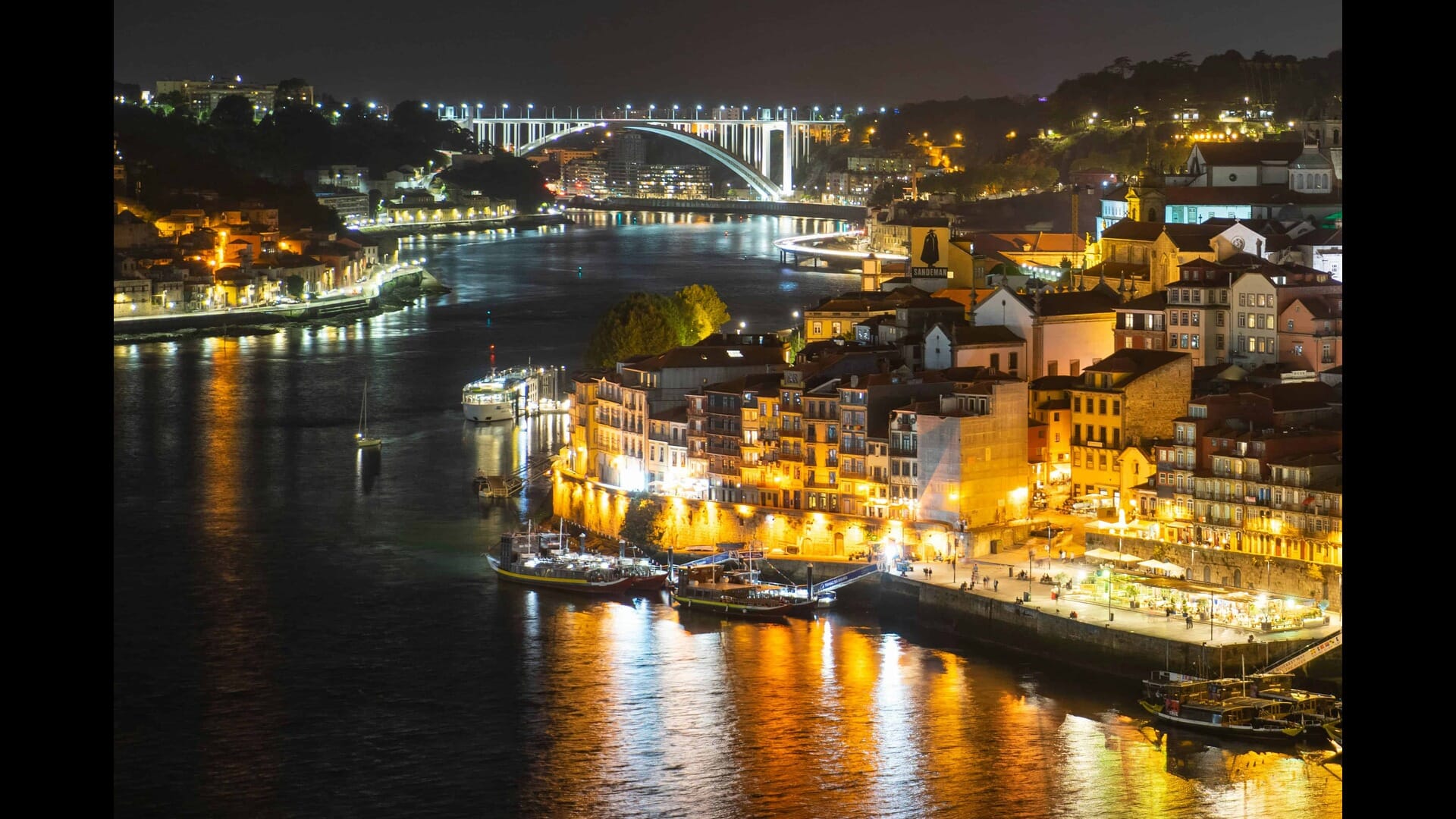
Discovering the Heritage of the Iberian Peninsula: A Journey Through Time and Culture
Discovering the Heritage of the Iberian Peninsula: A Journey Through Time and Culture
The Iberian Peninsula, a land steeped in history and cultural diversity, beckons travelers with its rich tapestry of heritage. Nestled in the southwestern corner of Europe, this captivating region is home to two vibrant nations—Spain and Portugal—each boasting a unique identity shaped by centuries of influences.
From ancient ruins to medieval castles, from bustling cities to serene countryside, the Iberian Peninsula offers an array of experiences that celebrate its multifaceted heritage. In this article, we will embark on a journey through the Iberian Peninsula, exploring its historical landmarks, cultural traditions, and the vibrant spirit that continues to thrive in its cities and towns.
The Historical Significance of the Iberian Peninsula
The Iberian Peninsula has been a crossroads of civilizations for millennia. From the prehistoric cave paintings of Altamira to the Roman aqueducts of Segovia, the region's history is a testament to the resilience and creativity of its people. The Iberians, Celts, Romans, Visigoths, Moors, and Christians have all left their mark on the landscape, creating a rich cultural mosaic that is still evident today.
The Prehistoric Era: Cave Paintings and Early Settlements
The story of the Iberian Peninsula begins long before recorded history. The prehistoric inhabitants of this region left behind remarkable cave paintings, such as those found in the Altamira Cave in northern Spain. These vivid depictions of bison and other animals offer a glimpse into the lives of early humans who roamed the land thousands of years ago. Archaeological sites across the peninsula reveal evidence of early settlements, showcasing the ingenuity of the Iberian people in adapting to their environment.
The Roman Influence: Architecture and Urban Planning
The Roman Empire's expansion into the Iberian Peninsula brought significant changes to the region. The Romans established cities, built roads, and constructed impressive architectural marvels that still stand today. The city of Tarragona, once a Roman provincial capital, boasts well-preserved ruins, including an amphitheater and aqueduct. The influence of Roman engineering can also be seen in the iconic aqueduct of Segovia, a UNESCO World Heritage site that showcases the ingenuity of Roman construction.
The Moorish Era: A Blend of Cultures
The arrival of the Moors in the 8th century marked a transformative period in the history of the Iberian Peninsula. Their influence is evident in the architecture, language, and culture of both Spain and Portugal. The Alhambra in Granada, a stunning example of Moorish architecture, features intricate tile work, lush gardens, and breathtaking views of the Sierra Nevada mountains. The blending of Islamic and Christian cultures during this era gave rise to a unique artistic and architectural style that continues to inspire.
Exploring the Architectural Wonders of the Iberian Peninsula
The architectural heritage of the Iberian Peninsula is a reflection of its diverse history. From Roman ruins to Gothic cathedrals, the region is a treasure trove of architectural wonders that tell the story of its past.
The Gothic Cathedrals: A Testament to Faith and Art
The Gothic cathedrals of the Iberian Peninsula are among the most magnificent examples of medieval architecture. The Cathedral of Santiago de Compostela, a pilgrimage site for centuries, features a stunning façade and intricate interior that draw visitors from around the world. Similarly, the Cathedral of Seville, with its iconic Giralda tower, showcases the grandeur of Gothic design, blending elements of Moorish architecture.
The Modernist Movement: Gaudí and Beyond
In the late 19th and early 20th centuries, the Iberian Peninsula witnessed a flourishing of artistic expression known as the Modernist movement. Antoni Gaudí, a prominent figure of this movement, left an indelible mark on Barcelona with his whimsical designs, including the famous Sagrada Família and Park Güell. Gaudí's work is characterized by organic shapes, vibrant colors, and a deep connection to nature, making it a must-see for any traveler.
Cultural Traditions and Festivals in the Iberian Peninsula
The cultural heritage of the Iberian Peninsula is celebrated through a myriad of festivals and traditions that reflect the region's history and diversity. From flamenco dancing in Spain to Fado music in Portugal, these cultural expressions offer a glimpse into the soul of the Iberian people.
Flamenco: The Heartbeat of Andalusia
Flamenco, a passionate and expressive art form, originated in the Andalusian region of Spain. This vibrant dance and music style is characterized by intricate footwork, soulful guitar melodies, and emotive singing. Visitors to Andalusia can experience authentic flamenco performances in local tablaos, where the energy and passion of the dancers captivate audiences. The annual Bienal de Flamenco in Seville showcases the best of this art form, attracting artists and enthusiasts from around the world.
Fado: The Soul of Portugal
Fado, a traditional genre of music that embodies the spirit of longing and nostalgia, is an integral part of Portuguese culture. Originating in the streets of Lisbon, Fado is characterized by its mournful melodies and heartfelt lyrics. Visitors can immerse themselves in this soulful music by attending a Fado performance in a traditional tavern, where the atmosphere is filled with emotion and authenticity. The annual Festas de Lisboa celebrates Fado, offering a platform for both established and emerging artists to share their talent.
Culinary Heritage: A Taste of the Iberian Peninsula
The culinary heritage of the Iberian Peninsula is as diverse as its cultures. From tapas in Spain to bacalhau in Portugal, the region offers a rich array of flavors and ingredients that reflect its history and geography.
Spanish Tapas: A Culinary Tradition
Tapas, small plates of food that encourage sharing and socializing, are a cornerstone of Spanish cuisine. Each region of Spain boasts its own specialties, from the seafood tapas of Galicia to the jamón ibérico of Andalusia. Exploring local tapas bars is a delightful way to experience the flavors of Spain, as each dish tells a story of its origin. The annual Feria de Abril in Seville is a celebration of Andalusian culture, where visitors can indulge in traditional tapas while enjoying music and dance.
Portuguese Cuisine: A Fusion of Flavors
Portuguese cuisine is a delightful fusion of flavors, influenced by the country's maritime history and diverse regions. Bacalhau, or salted cod, is a staple dish that can be prepared in countless ways, reflecting the creativity of Portuguese cooks. The annual Festa de São Martinho celebrates the harvest season with roasted chestnuts and new wine, offering a taste of the region's culinary traditions.
The Natural Beauty of the Iberian Peninsula
Beyond its historical and cultural riches, the Iberian Peninsula is blessed with breathtaking landscapes that invite exploration and adventure. From the rugged mountains of the Pyrenees to the sun-kissed beaches of the Costa del Sol, the region offers a diverse array of natural wonders.
The Pyrenees: A Playground for Outdoor Enthusiasts
The Pyrenees mountain range forms a natural border between Spain and France, offering stunning vistas and a wealth of outdoor activities. Hiking, skiing, and mountain biking are just a few of the adventures that await in this picturesque region. The Ordesa y Monte Perdido National Park, a UNESCO World Heritage site, is a haven for nature lovers, featuring dramatic cliffs, lush valleys, and diverse wildlife.
The Costa del Sol: Sun, Sea, and Relaxation
The Costa del Sol, known for its sunny climate and beautiful beaches, is a popular destination for travelers seeking relaxation and leisure. Towns like Marbella and Nerja offer a blend of stunning coastlines, vibrant nightlife, and rich cultural experiences. The annual Feria de Málaga celebrates the city's history and culture with music, dance, and delicious food, making it a perfect time to visit.
The Cities of the Iberian Peninsula: Urban Heritage and Modern Life
The cities of the Iberian Peninsula are vibrant hubs of culture, history, and innovation. Each city offers a unique blend of the old and the new, inviting visitors to explore their rich heritage while embracing contemporary life.
Barcelona: A City of Art and Architecture
Barcelona, the capital of Catalonia, is renowned for its artistic heritage and architectural wonders. The works of Antoni Gaudí, including the Sagrada Família and Casa Batlló, define the city's skyline and attract millions of visitors each year. The Gothic Quarter, with its narrow streets and historic buildings, offers a glimpse into the city's medieval past. The annual La Mercè festival celebrates the city's culture with parades, concerts, and fireworks, showcasing the vibrant spirit of Barcelona.
Lisbon: A City of Charm and Character
Lisbon, the capital of Portugal, is a city that effortlessly blends tradition and modernity. The historic neighborhoods of Alfama and Bairro Alto are filled with narrow streets, colorful tiles, and lively Fado music. The Belém district is home to iconic landmarks such as the Jerónimos Monastery and the Belém Tower, both UNESCO World Heritage sites. The annual Festas de Lisboa transforms the city into a vibrant celebration of culture, with street parties, music, and delicious food.
The Influence of Religion on Iberian Heritage
Religion has played a significant role in shaping the heritage of the Iberian Peninsula. The coexistence of different faiths has left an indelible mark on the region's culture, architecture, and traditions.
The Catholic Church: A Dominant Force
The Catholic Church has been a dominant force in the Iberian Peninsula for centuries, influencing art, architecture, and social life. The numerous cathedrals and churches that dot the landscape are a testament to the faith's significance. The pilgrimage to Santiago de Compostela, one of the most important Christian pilgrimages in the world, attracts thousands of pilgrims each year, highlighting the enduring legacy of religious devotion in the region.
The Legacy of Islam: A Cultural Exchange
The legacy of Islam in the Iberian Peninsula is evident in the architecture, language, and cultural practices that continue to thrive. The Alhambra in Granada and the Great Mosque of Córdoba are prime examples of the artistic achievements of the Moorish period. The blending of Islamic and Christian traditions has enriched the cultural landscape, creating a unique heritage that is celebrated today.
Sustainable Tourism: Preserving Heritage for Future Generations
As travelers seek to explore the rich heritage of the Iberian Peninsula, the importance of sustainable tourism becomes increasingly evident. Balancing the desire to experience the region's history and culture with the need to protect its natural and cultural resources is essential for future generations.
Responsible Travel Practices
Travelers can contribute to sustainable tourism by practicing responsible travel habits. Supporting local businesses, minimizing waste, and respecting cultural traditions are all ways to ensure that the heritage of the Iberian Peninsula is preserved. Engaging with local communities and participating in cultural experiences can foster a deeper understanding of the region's heritage while benefiting the local economy.
Conservation Efforts
Conservation efforts play a crucial role in protecting the architectural and natural heritage of the Iberian Peninsula. Organizations dedicated to preserving historical sites, promoting sustainable tourism practices, and raising awareness about the importance of heritage conservation are essential in safeguarding the region's cultural treasures.
Conclusion: Embracing the Heritage of the Iberian Peninsula
The Iberian Peninsula is a land of contrasts, where history, culture, and natural beauty converge to create a unique and captivating experience for travelers. From the ancient ruins of the Romans to the vibrant traditions of flamenco and Fado, the region's heritage is a testament to the resilience and creativity of its people. As we embark on our journey through the Iberian Peninsula, let us embrace the stories, flavors, and landscapes that define this remarkable region. Whether you are exploring the bustling streets of Barcelona, savoring tapas in Seville, or wandering the historic alleys of Lisbon, the heritage of the Iberian Peninsula invites you to discover its rich tapestry of culture and history. So pack your bags, set out on an adventure, and let the Iberian Peninsula reveal its treasures to you.