
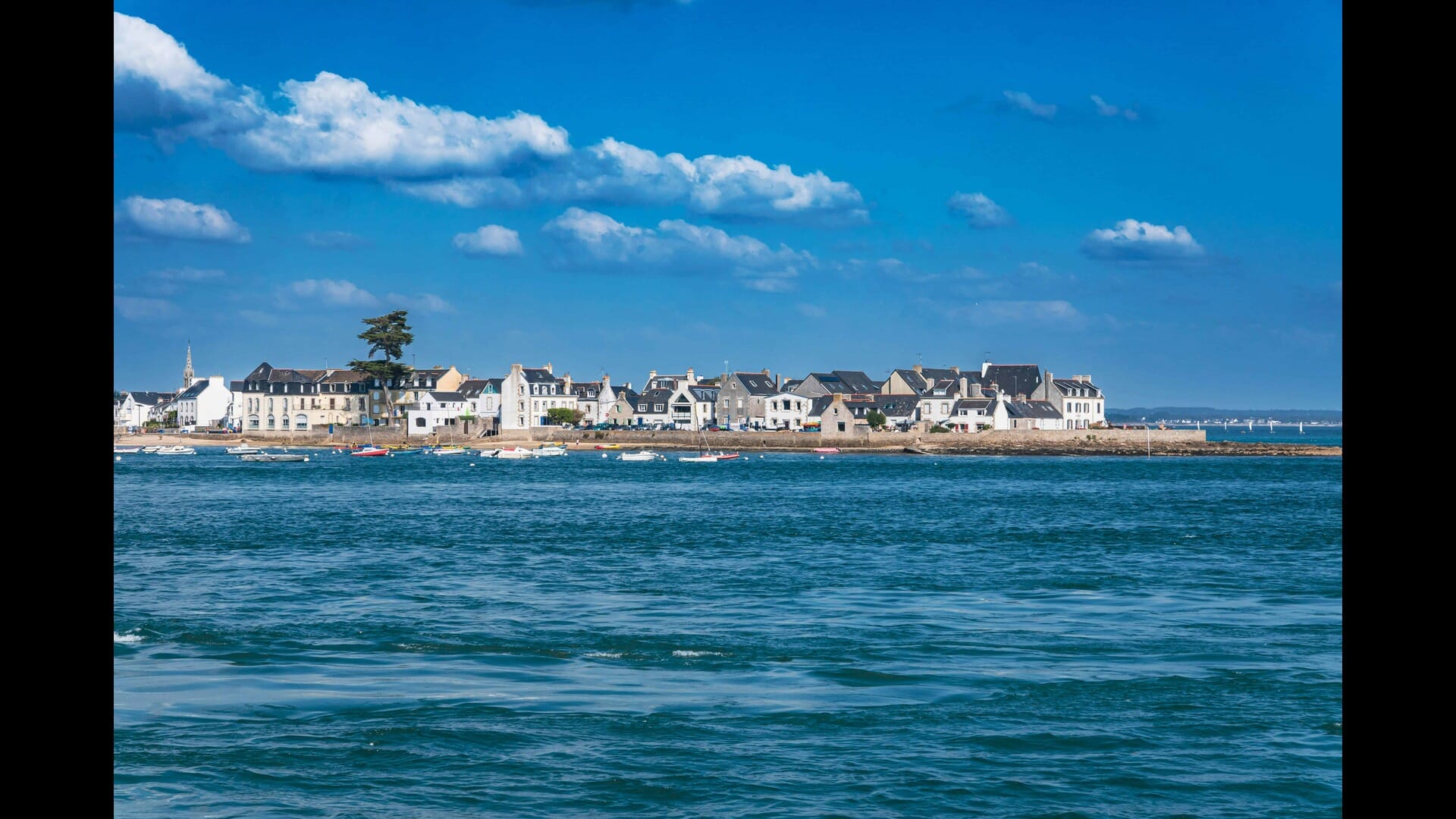
Discovering France’s Cheese Making Traditions
France is a country renowned for its rich culinary heritage, and at the heart of this gastronomic landscape lies one of its most beloved treasures: cheese. With over 1,000 distinct varieties, French cheese is not just a food item; it is a cultural symbol, a testament to the country’s history, geography, and the artistry of its people.
In this article, we will embark on a journey through France’s cheese making traditions, exploring regional specialties, artisanal techniques, and the cultural significance of cheese in French society.
The History of French Cheese Making Traditions
The story of cheese in France dates back thousands of years. Historians believe that cheese making began around 6000 BC, with the domestication of sheep and goats. The earliest evidence of cheese production was found in the Middle East, but it was in France that cheese truly flourished. The Romans played a significant role in spreading cheese making techniques throughout Europe, including France. They introduced new methods and encouraged the development of local varieties.
As we delve deeper into the history of French cheese, we find that each region has its own unique story. For instance, the famous Roquefort cheese has roots that trace back to ancient times, where it was made by shepherds in the caves of the Roquefort-sur-Soulzon region. The cheese was aged in these natural caves, which provided the perfect environment for the development of its distinctive flavor and texture.
Exploring the Diverse Cheese Regions of France
France is divided into several regions, each with its own cheese specialties. Understanding these regions is essential for anyone looking to appreciate the full spectrum of French cheese making traditions.
1. Normandy: The Land of Creamy Cheeses
Normandy is famous for its rich dairy products, thanks to the lush pastures and temperate climate. The region is home to some of the most iconic French cheeses, including Camembert, Livarot, and Pont-l’Évêque. Camembert, in particular, has become synonymous with French cheese. Its creamy texture and earthy flavor make it a favorite among cheese lovers worldwide.
The traditional method of making Camembert involves using raw cow’s milk, which is then curdled and aged in wooden boxes. The cheese is often served with a crusty baguette and a glass of cider, creating a delightful pairing that showcases the region’s culinary heritage.
2. Brittany: The Salt of the Sea
Brittany, located in northwest France, is known for its coastal landscapes and rich maritime culture. The region produces unique cheeses that reflect its coastal environment. One such cheese is the famous “Fromage de Chèvre,” or goat cheese, which is often flavored with herbs and spices from the region.
The cheese making process in Brittany often incorporates local ingredients, such as sea salt and fresh herbs, resulting in a distinct flavor profile. Visitors to Brittany can explore local cheese markets and taste these artisanal cheeses, often paired with fresh seafood and local wines.
3. Auvergne: The Heart of Mountain Cheeses
Nestled in the Massif Central, Auvergne is known for its rugged terrain and volcanic soil, which contribute to the unique flavors of its cheeses. The region is home to several AOC (Appellation d'Origine Contrôlée) cheeses, including Saint-Nectaire and Cantal.
The cheese making traditions in Auvergne are deeply rooted in the pastoral lifestyle of the region. Farmers often produce cheese in small batches, using milk from their own herds. The aging process takes place in natural caves, where the humidity and temperature create the ideal conditions for developing complex flavors.
4. Provence: The Land of Sun-Dried Flavors
Provence, with its sunny climate and fragrant herbs, offers a different perspective on French cheese making. The region is known for its fresh goat cheeses, often infused with local herbs like thyme and rosemary. One popular variety is “Feta de Provence,” a tangy cheese that pairs beautifully with the region’s fresh vegetables and olive oil.
In Provence, cheese making is often a family affair, with generations passing down traditional recipes and techniques. Visitors can participate in cheese making workshops, learning the art of crafting fresh cheeses while enjoying the stunning landscapes of the region.
5. Alsace: A Fusion of Cultures
Alsace, located on the border with Germany, showcases a unique blend of French and German culinary traditions. The region is known for its creamy Munster cheese, which has a strong aroma and a rich, tangy flavor. Munster is often enjoyed with a glass of Gewürztraminer, a local white wine that complements the cheese’s bold character.
The cheese making process in Alsace often involves using milk from local farms, and many cheesemakers still adhere to traditional methods. Visitors can explore charming villages and taste the region’s cheeses at local markets, where they can also find artisanal breads and charcuterie.
Traditional Cheese Making Techniques in France
The art of cheese making in France is steeped in tradition, with many cheesemakers adhering to time-honored techniques passed down through generations. Understanding these methods is crucial for appreciating the complexity of French cheeses.
1. Raw Milk vs. Pasteurized Milk
One of the most significant debates in the world of cheese making is the use of raw milk versus pasteurized milk. Many traditional French cheeses are made from raw milk, which is believed to enhance the flavor and complexity of the cheese. Raw milk cheeses are often characterized by their unique taste profiles, influenced by the local flora and fauna.
However, pasteurized milk is also commonly used, especially in commercial cheese production. While pasteurized cheeses may lack some of the depth of flavor found in raw milk varieties, they are often more consistent in taste and texture.
2. The Importance of Terroir
In France, the concept of “terroir” plays a crucial role in cheese making. Terroir refers to the unique environmental factors that influence the characteristics of a product, including climate, soil, and local flora. Each region’s terroir imparts distinct flavors to its cheeses, making them truly unique.
For example, the rich volcanic soil of Auvergne contributes to the earthy flavors of its cheeses, while the coastal pastures of Brittany infuse goat cheeses with a hint of saltiness. Understanding terroir is essential for anyone looking to appreciate the nuances of French cheese.
3. Aging and Affinage
Aging, or affinage, is a critical step in the cheese making process that allows flavors to develop and mature. In France, affinage is often performed by specialized cheesemongers who monitor the cheese’s progress, adjusting humidity and temperature to create the ideal aging conditions.
During this period, cheeses can develop a wide range of flavors and textures, from creamy and mild to pungent and crumbly. The aging process can last anywhere from a few weeks to several years, depending on the type of cheese being produced.
The Cultural Significance of Cheese in France
Cheese is more than just a food item in France; it is a cultural symbol that reflects the country’s history, traditions, and values. From family gatherings to festive celebrations, cheese plays a central role in French life.
1. Cheese in French Cuisine
In French cuisine, cheese is often served as a course on its own, typically after the main dish and before dessert. A traditional cheese platter, or “plateau de fromage,” features a selection of cheeses from different regions, accompanied by bread, fruit, and nuts. This practice allows diners to savor the diverse flavors and textures of French cheeses, making it a highlight of any meal.
2. Cheese Festivals and Events
Throughout the year, France hosts numerous cheese festivals and events that celebrate the country’s rich cheese making traditions. One of the most famous is the Fête du Fromage in Saint-Nectaire, where visitors can sample a wide variety of local cheeses, participate in workshops, and enjoy live music and entertainment.
Another notable event is the Salon International de l’Agriculture, held annually in Paris, which showcases the best of French agriculture, including cheese. This event attracts thousands of visitors and provides an opportunity to meet local cheesemakers and learn about their craft.
3. The Role of Cheese in French Society
Cheese is deeply ingrained in French culture and is often associated with hospitality and sharing. It is common for families to gather around the dinner table, sharing stories and laughter over a selection of cheeses and wines. This communal aspect of cheese consumption reflects the French value of savoring life’s pleasures and enjoying good company.
Cheese Tasting Tours in France
For those looking to immerse themselves in France’s cheese making traditions, cheese tasting tours offer a unique opportunity to explore the country’s diverse cheese regions. These tours often include visits to local dairies, cheese markets, and artisanal producers, providing a behind-the-scenes look at the cheese making process.
1. Normandy Cheese Tours
In Normandy, visitors can embark on guided cheese tours that take them to local farms and cheesemakers. These tours often include tastings of famous cheeses like Camembert and Livarot, paired with local cider. Participants can learn about the history and production methods of these cheeses while enjoying the picturesque landscapes of the region.
2. Auvergne Cheese Trails
The Auvergne region offers cheese trails that allow visitors to explore the stunning volcanic landscapes while sampling local cheeses. Many tours include visits to traditional farms, where guests can witness the cheese making process firsthand and taste freshly made cheeses.
3. Cheese and Wine Pairing Experiences
For those interested in the art of pairing cheese and wine, several regions in France offer specialized tasting experiences. These events often feature local cheeses paired with regional wines, allowing participants to discover the perfect combinations that enhance the flavors of both.
Local Cheese Markets in France
Visiting local cheese markets is one of the best ways to experience France’s cheese culture. These markets are often bustling with activity, featuring a wide array of cheeses, artisanal products, and local delicacies.
1. Marché des Enfants Rouges in Paris
Located in the Marais district, the Marché des Enfants Rouges is one of the oldest covered markets in Paris. Here, visitors can find a variety of cheeses from different regions, along with fresh produce and prepared foods. The market is a great place to sample local cheeses and chat with passionate cheesemakers.
2. Fromagerie Berthaut in Burgundy
In Burgundy, Fromagerie Berthaut is a renowned cheese shop that offers a selection of artisanal cheeses made from raw milk. Visitors can sample a variety of cheeses, including the famous Époisses, known for its strong aroma and rich flavor. The shop also offers cheese tasting events and workshops.
3. Local Cheese Fairs
Throughout France, local cheese fairs celebrate the diversity of regional cheeses. These events often feature tastings, workshops, and competitions, allowing visitors to engage with local producers and learn about the art of cheese making.
Conclusion: Embracing the Art of Cheese Making in France
As we conclude our journey through France’s cheese making traditions, it becomes clear that cheese is more than just a culinary delight; it is a reflection of the country’s rich history, diverse landscapes, and cultural values. From the lush pastures of Normandy to the rugged mountains of Auvergne, each region offers a unique perspective on the art of cheese making.
Whether you are a cheese connoisseur or a curious traveler, exploring France’s cheese traditions is an enriching experience that will leave you with a deeper appreciation for this beloved food. So, pack your bags, grab a baguette, and embark on a flavorful adventure through the world of French cheese!