
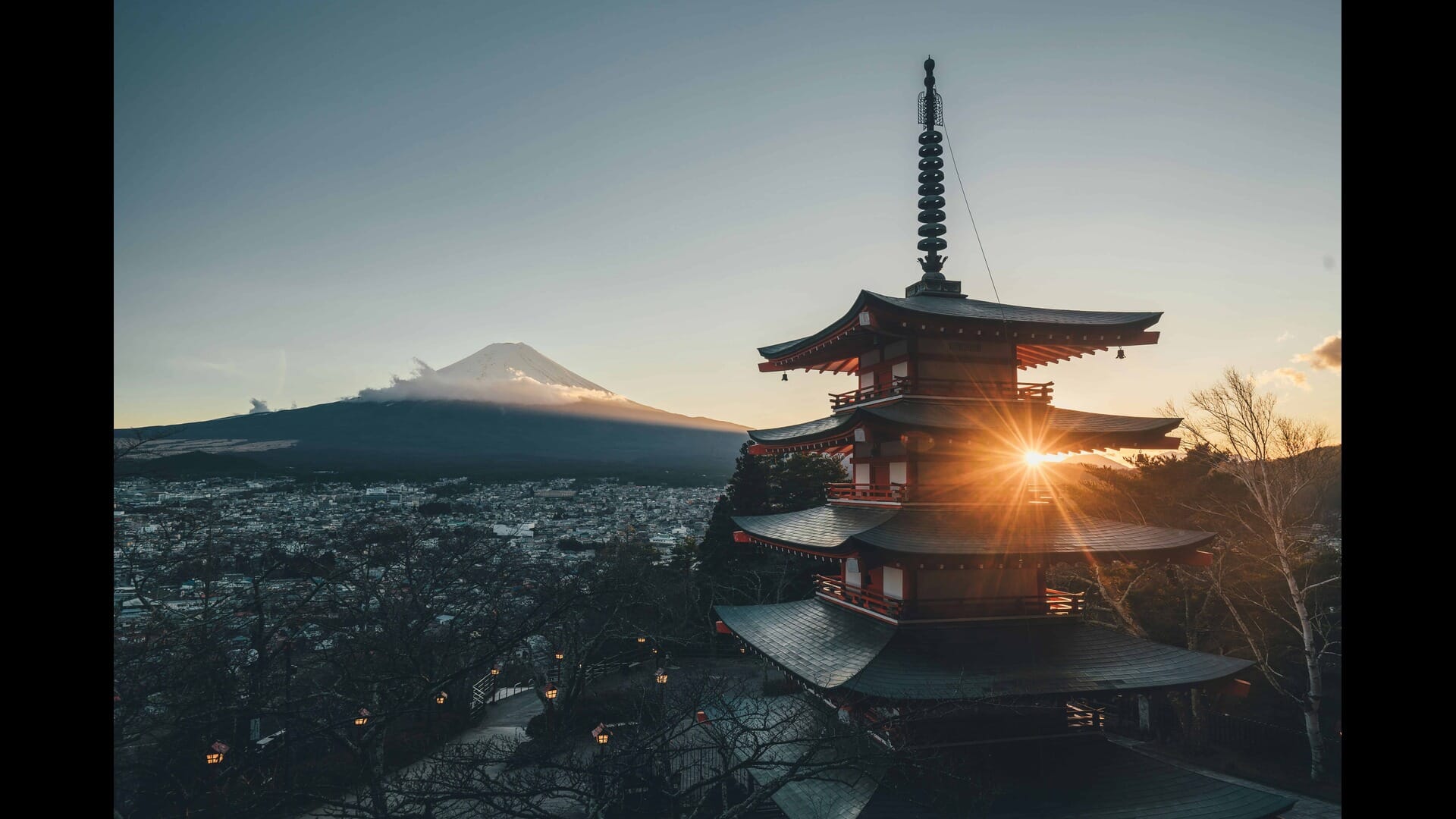
Discovering the Art of Ikebana: Japanese Flower Arranging
Discovering the Art of Ikebana: Japanese Flower Arranging
Ikebana, the exquisite art of Japanese flower arranging, is a practice steeped in history, philosophy, and beauty. This ancient tradition transcends mere decoration; it is a meditative process that fosters a deep connection with nature. In this comprehensive guide, we will delve into the fascinating world of Ikebana, exploring its history, techniques, styles, and the profound symbolism behind each arrangement.
Whether you are a seasoned florist or a curious beginner, this article will equip you with the knowledge and inspiration to embrace the art of Ikebana.
The Rich History of Ikebana: From Ancient Rituals to Modern Art
Ikebana has its roots in the 6th century when it was introduced to Japan by Buddhist monks. Initially, it was a ceremonial practice, used to honor the spirits of the deceased and to create offerings for the gods. The word 'Ikebana' itself translates to 'living flowers,' reflecting the essence of this art form: bringing life and beauty into spaces.
As centuries passed, Ikebana evolved from its religious origins into a refined artistic discipline. By the 15th century, it became a popular practice among the samurai class and the aristocracy, leading to the establishment of various schools of Ikebana, each with its unique philosophy and techniques. The art form continued to flourish during the Edo period (1603-1868), when it became accessible to the general public, further embedding itself into Japanese culture.
Understanding the Philosophy Behind Ikebana: Nature and Harmony
At its core, Ikebana is not just about arranging flowers; it is about creating harmony between the materials used and the space they inhabit. The philosophy of Ikebana is deeply rooted in the principles of Zen Buddhism, which emphasizes simplicity, balance, and the beauty of imperfection.
The Three Main Elements of Ikebana
- Heaven (Ten): Represented by the tallest stem, this element symbolizes the divine or spiritual realm.
- Earth (Chi): The middle stem represents the earthly realm, grounding the arrangement in reality.
- Human (Hito): The shortest stem symbolizes humanity, connecting the divine and earthly elements.
This triadic structure is fundamental in Ikebana, as it reflects the interconnectedness of all things. Each arrangement is a meditation on life, death, and the transient beauty of nature.
The Essential Tools and Materials for Ikebana
To embark on your Ikebana journey, you will need a few essential tools and materials. While the beauty of Ikebana lies in its simplicity, having the right tools can enhance your experience and the quality of your arrangements.
Basic Tools for Ikebana
- Kenzan (Flower Frog): A heavy base with spikes that holds the stems in place.
- Scissors or Pruners: Sharp tools for cutting stems at an angle, allowing for better water absorption.
- Vase or Container: A vessel that complements the arrangement; it can be traditional or modern.
- Wire and Tape: Useful for securing delicate stems or creating specific shapes.
Choosing the Right Flowers and Foliage
When selecting flowers for your Ikebana arrangement, consider the following:
- Seasonality: Use flowers that are in season to reflect the natural beauty of the time.
- Variety: Incorporate different textures, colors, and shapes to create visual interest.
- Symbolism: Choose flowers that hold specific meanings, such as cherry blossoms for renewal or chrysanthemums for longevity.
Exploring Different Styles of Ikebana: From Classic to Contemporary
Ikebana encompasses a wide range of styles, each with its unique characteristics and philosophies. Understanding these styles can help you find your own voice within the art of Ikebana.
1. Nageire: The Freestyle Approach
Nageire is a more spontaneous and free-form style of Ikebana. It allows for creativity and expression, often using a variety of materials and unconventional containers. This style emphasizes movement and the natural beauty of the materials.
2. Seika: The Traditional Structure
Seika is the classical style of Ikebana, characterized by its strict adherence to the three main elements: heaven, earth, and human. This style often features a triangular composition, with a focus on balance and harmony.
3. Moribana: The Layered Arrangement
Moribana involves creating a flat arrangement in a shallow container, often using kenzan to secure the stems. This style allows for layering and depth, creating a more complex visual experience.
4. Ikebana for Modern Spaces: Contemporary Interpretations
In recent years, Ikebana has evolved to embrace modern aesthetics. Contemporary Ikebana often incorporates non-traditional materials, such as metal or glass, and focuses on minimalism and abstract forms.
The Step-by-Step Process of Creating Your First Ikebana Arrangement
Creating an Ikebana arrangement can be a rewarding and meditative experience. Here’s a step-by-step guide to help you craft your first arrangement:
Step 1: Gather Your Materials
Select a variety of flowers, foliage, and a suitable container. Ensure you have your tools ready, including scissors and kenzan.
Step 2: Prepare Your Flowers
Trim the stems at an angle to allow for better water absorption. Remove any leaves that will be submerged in water to prevent decay.
Step 3: Create the Base
Place the kenzan in your container and secure it firmly. This will be the foundation for your arrangement.
Step 4: Arrange the Main Elements
Start with the tallest stem to represent heaven. Position it at an angle, creating a sense of movement. Next, add the middle stem for earth, followed by the shortest stem for humanity.
Step 5: Fill in with Foliage and Flowers
Add additional stems and foliage to create balance and visual interest. Pay attention to the negative space, allowing for breathing room in your arrangement.
Step 6: Final Touches
Step back and assess your arrangement. Make any necessary adjustments to achieve harmony and balance. Once satisfied, place your arrangement in a suitable location to be admired.
The Symbolism of Ikebana: More Than Just Flowers
Every element in an Ikebana arrangement holds significance, from the choice of flowers to the way they are arranged. Understanding this symbolism can deepen your appreciation for the art form.
Common Symbolic Flowers in Ikebana
- Cherry Blossom (Sakura): Represents the transient nature of life.
- Chrysanthemum (Kiku): Symbolizes longevity and rejuvenation.
- Lotus (Hasu): Signifies purity and enlightenment.
The Importance of Negative Space
In Ikebana, negative space is just as important as the flowers themselves. It represents the void, allowing the viewer to appreciate the beauty of the arrangement without distraction. This principle teaches us to embrace simplicity and the beauty of emptiness.
Ikebana Workshops and Classes: Learning from the Masters
If you're eager to dive deeper into the art of Ikebana, consider attending a workshop or class. Many experienced Ikebana masters offer courses that cater to all skill levels, providing hands-on experience and guidance.
Finding the Right Class
Look for local community centers, botanical gardens, or art studios that offer Ikebana classes. Online platforms also provide virtual workshops, allowing you to learn from the comfort of your home.
What to Expect in an Ikebana Class
In a typical Ikebana workshop, you can expect to:
- Learn about the history and philosophy of Ikebana.
- Receive guidance on selecting materials and tools.
- Create your own arrangements under the supervision of an experienced instructor.
- Gain insights into the symbolism and techniques of Ikebana.
The Therapeutic Benefits of Ikebana: A Mindful Practice
Engaging in Ikebana can offer numerous therapeutic benefits, making it a perfect practice for mindfulness and relaxation. The process of arranging flowers encourages a state of flow, allowing you to focus on the present moment.
Stress Relief Through Creativity
The act of creating something beautiful can be incredibly therapeutic. Ikebana encourages self-expression and creativity, providing an outlet for emotions and thoughts.
Connecting with Nature
Spending time with natural materials fosters a sense of connection to the earth. Ikebana invites you to appreciate the beauty of flowers and foliage, reminding us of the cycles of life.
Conclusion: Embracing the Art of Ikebana in Your Life
Ikebana is more than just a decorative art; it is a profound practice that connects us to nature, encourages mindfulness, and fosters creativity. By embracing the principles and techniques of Ikebana, you can enrich your life with beauty and tranquility.
Whether you choose to create stunning arrangements for your home or simply appreciate the artistry of Ikebana, this ancient tradition offers a timeless reminder of the beauty that surrounds us. So gather your materials, find your inspiration, and embark on your journey into the enchanting world of Ikebana.