
Discovering the Best Views of Mount Fuji: Photo Spots and More
Discovering the Best Views of Mount Fuji: Photo Spots and More
Mount Fuji, Japan’s iconic peak, stands majestically at 3,776 meters, captivating the hearts of travelers and photographers alike. Its snow-capped summit, often shrouded in clouds, offers a stunning backdrop that has inspired countless artists and adventurers. In this comprehensive guide, we will explore the best views of Mount Fuji, uncovering the top photo spots, travel tips, and hidden gems that will make your journey unforgettable.
The Allure of Mount Fuji: An Introduction to Japan's Sacred Mountain
Mount Fuji, or Fujisan, is not just a mountain; it is a symbol of Japan’s natural beauty and cultural heritage. Recognized as a UNESCO World Heritage Site, it has been a pilgrimage site for centuries and continues to attract millions of visitors each year. The mountain’s symmetrical cone shape and its stunning seasonal transformations—from cherry blossoms in spring to vibrant autumn leaves—create a picturesque scene that photographers dream of capturing.
Best Time to Visit Mount Fuji for Stunning Views
When planning your trip to Mount Fuji, timing is crucial. The best time to visit for breathtaking views and photography opportunities varies by season:
Spring (March to May)
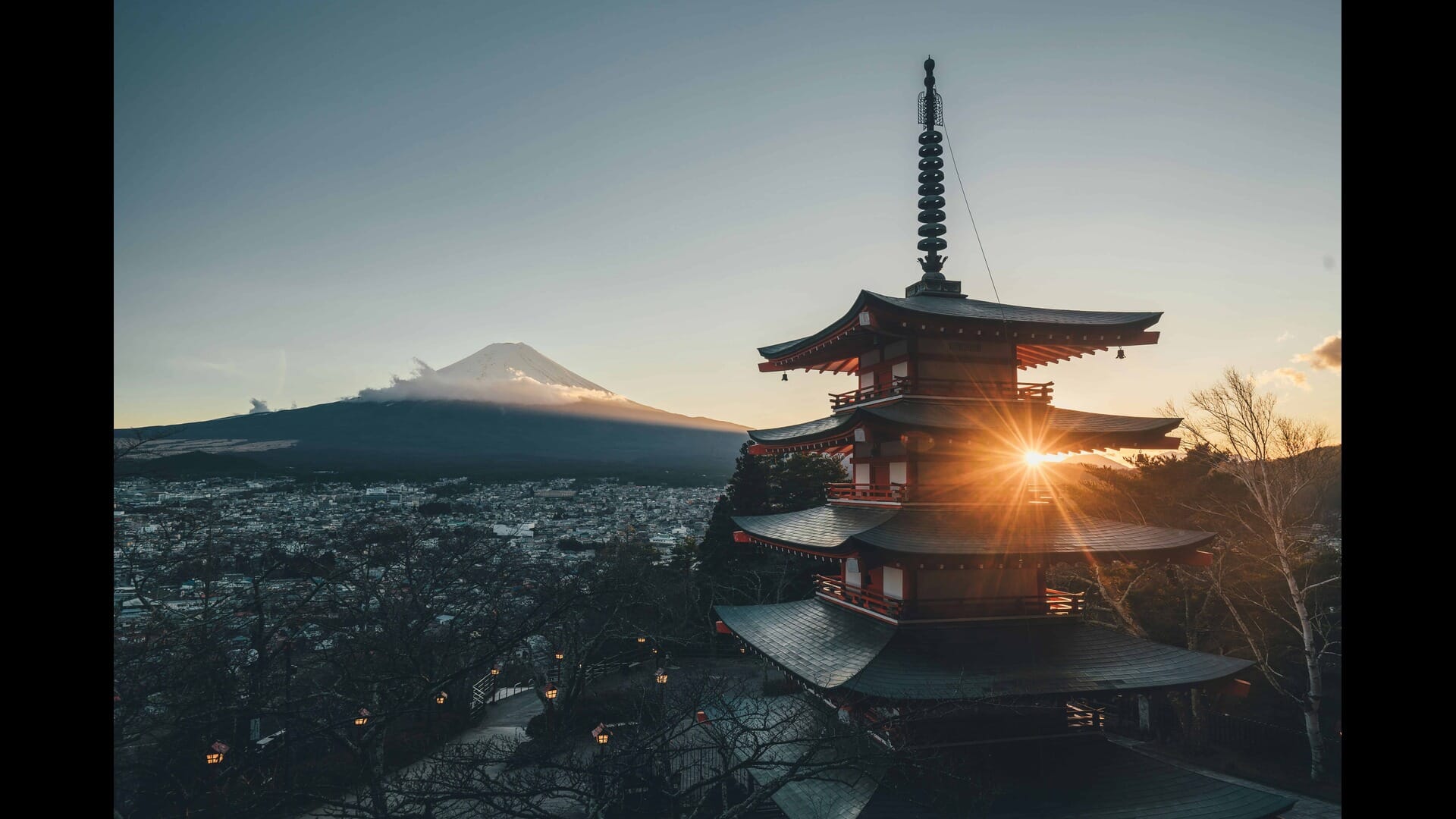
Spring is one of the most popular times to visit Mount Fuji, as cherry blossoms bloom in the surrounding areas. The contrast of the pink blossoms against the white snow of the mountain creates a magical scene. Key spots to capture this beauty include the Chureito Pagoda and Lake Kawaguchi.
Summer (June to August)
Summer offers clear skies and lush greenery, making it ideal for hiking and outdoor activities. The climbing season for Mount Fuji typically runs from early July to early September, attracting many adventurers. However, be prepared for crowds at popular spots.
Autumn (September to November)
Autumn is another fantastic time to visit, as the foliage transforms into vibrant shades of red and orange. The views from the 5th Station and the surrounding lakes are particularly stunning during this time.
Winter (December to February)
Winter presents a unique opportunity to capture Mount Fuji with a blanket of snow. While it can be cold, the clear winter skies provide some of the best visibility. The views from Hakone and the Fuji Five Lakes are breathtaking during this season.
Top Photo Spots for Capturing Mount Fuji
Now that you know when to visit, let’s dive into the best photo spots around Mount Fuji that will help you capture its beauty from various angles.
1. Chureito Pagoda: A Classic View of Mount Fuji
Located in the Arakurayama Sengen Park, the Chureito Pagoda offers one of the most iconic views of Mount Fuji. The five-story pagoda, framed by cherry blossoms in spring and vibrant autumn leaves, creates a postcard-perfect image. To reach the pagoda, you’ll need to climb 398 steps, but the view is well worth the effort.
2. Lake Kawaguchi: Reflections of Mount Fuji
Lake Kawaguchi is one of the Fuji Five Lakes and provides stunning reflections of Mount Fuji in its waters. The area is particularly beautiful during sunrise and sunset when the mountain is bathed in golden light. Rent a paddleboat for a unique perspective or visit the nearby Oishi Park for a panoramic view.
3. Fuji Five Lakes: A Scenic Paradise
The Fuji Five Lakes (Fujigoko) offer various viewpoints of Mount Fuji. Each lake has its unique charm:
- Lake Yamanakako: The largest of the five lakes, it offers stunning views and is perfect for water sports.
- Lake Saiko: Known for its natural beauty and hiking trails, it provides a more tranquil setting.
- Lake Shojiko: A hidden gem with fewer tourists, it offers a serene view of Mount Fuji.
- Lake Motosuko: Famous for its view on the 1,000 yen note, it’s a must-visit for photographers.
4. Hakone: A Different Perspective
Hakone is famous for its hot springs and views of Mount Fuji. The Hakone Ropeway offers breathtaking aerial views of the mountain and the surrounding landscape. Additionally, the Owakudani Valley provides a unique perspective of Mount Fuji, especially when the volcanic activity is visible.
5. Gotemba Peace Park: A Serene Escape
Located in Gotemba City, this park offers a peaceful environment with stunning views of Mount Fuji. The park features beautiful flower gardens and walking paths, making it an ideal spot for photography, especially during the cherry blossom season.
6. Fujinomiya Trail: Hiking with a View
For those looking to combine hiking with photography, the Fujinomiya Trail is an excellent choice. This trail leads to the summit of Mount Fuji and offers breathtaking views along the way. The trail is less crowded than others, allowing for a more intimate experience with nature.
7. The 5th Station: Gateway to the Summit
The 5th Station of Mount Fuji is a popular starting point for climbers and offers stunning views of the surrounding landscape. Even if you don’t plan to hike to the summit, the views from this elevation are breathtaking, especially at sunrise.
8. Mount Hakone: A Unique Angle
Mount Hakone provides a unique perspective of Mount Fuji. The views from the summit are stunning, and the area is rich in hot springs and cultural sites. The hike to the summit is rewarding, with various viewpoints along the way.
9. Shizuoka Prefecture: Coastal Views
Shizuoka Prefecture offers some stunning coastal views of Mount Fuji. The Miho no Matsubara beach is famous for its pine tree grove and offers a unique perspective of the mountain against the ocean backdrop. This spot is particularly beautiful during sunset.
10. Fuji-Q Highland: Thrills and Views
For those seeking adventure, Fuji-Q Highland amusement park offers thrilling rides with stunning views of Mount Fuji. Capture the mountain in the background while enjoying the adrenaline rush of the roller coasters.
Photography Tips for Capturing Mount Fuji
To make the most of your photography experience, here are some essential tips for capturing the beauty of Mount Fuji:
1. Use a Tripod
A tripod is essential for capturing long exposure shots, especially during sunrise and sunset. It will help you stabilize your camera and achieve sharp images.
2. Experiment with Different Angles
Don’t be afraid to explore different angles and perspectives. Move around your chosen spot to find the best composition that highlights Mount Fuji’s grandeur.
3. Consider the Weather
Weather plays a significant role in your photography. Clear days offer the best visibility, but don’t shy away from capturing the mountain shrouded in clouds or mist for a more dramatic effect.
4. Golden Hour Magic
The golden hour—shortly after sunrise and before sunset—provides the best lighting for photography. The soft, warm light enhances the colors and creates a magical atmosphere.
5. Include Foreground Elements
Incorporate foreground elements, such as flowers, trees, or traditional Japanese architecture, to add depth and context to your photos. This technique will create a more engaging composition.
Hidden Gems Around Mount Fuji
While the popular spots are a must-visit, there are also hidden gems that offer unique perspectives of Mount Fuji. Here are a few lesser-known locations:
1. Aokigahara Forest
Known as the Sea of Trees, Aokigahara Forest offers a mysterious and tranquil setting with views of Mount Fuji peeking through the trees. The forest is rich in wildlife and provides a unique atmosphere for photography.
2. Fujiyoshida Sengen Shrine
This shrine is dedicated to the worship of Mount Fuji and offers stunning views of the mountain. The serene atmosphere and traditional architecture make it a perfect spot for capturing the essence of Japanese culture.
3. Lake Shojiko
Often overlooked, Lake Shojiko provides a quiet and picturesque view of Mount Fuji. The lake is surrounded by lush greenery and offers a peaceful setting for photography.
4. Kofu City
Located in Yamanashi Prefecture, Kofu City offers a unique perspective of Mount Fuji from the cityscape. Capture the mountain against the backdrop of urban life for a contrasting image.
Cultural Significance of Mount Fuji
Mount Fuji holds immense cultural significance in Japan. It is often depicted in art, literature, and folklore. The mountain is considered sacred and is a symbol of beauty, strength, and resilience. Understanding its cultural importance can enhance your appreciation of the views and experiences you encounter during your visit.
Conclusion: Embrace the Beauty of Mount Fuji
Mount Fuji is more than just a mountain; it is a symbol of Japan’s natural beauty and cultural heritage. From the iconic views at Chureito Pagoda to the serene reflections at Lake Kawaguchi, each location offers a unique perspective of this majestic peak. By planning your visit around the best times and exploring both popular and hidden spots, you can capture the essence of Mount Fuji in all its glory. So grab your camera, embrace the beauty of this iconic mountain, and create memories that will last a lifetime.