
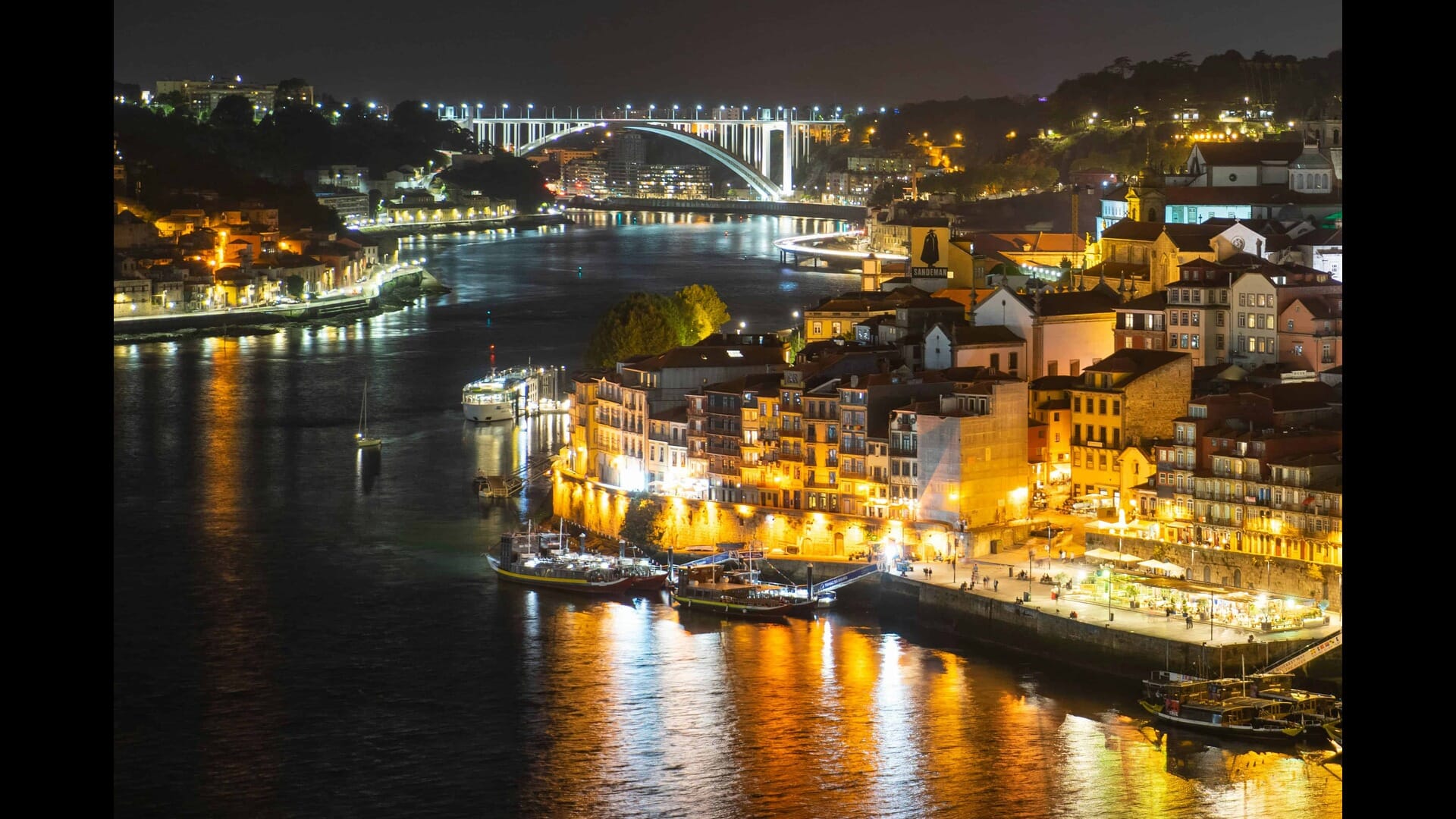
A Journey Through the Cultural Traditions of Portugal
A Journey Through the Cultural Traditions of Portugal
Portugal, a country steeped in history and rich in cultural traditions, beckons travelers with its vibrant tapestry of customs, music, art, and gastronomy. From the soulful strains of Fado to the colorful festivals that light up the streets, Portugal offers a unique glimpse into a culture that has been shaped by centuries of history, exploration, and artistic expression.
In this article, we will embark on a journey through the cultural traditions of Portugal, exploring its music, cuisine, festivals, crafts, and much more.
The Soulful Sounds of Fado Music in Portugal
Fado music is often described as the heart and soul of Portuguese culture. Originating in the streets of Lisbon in the early 19th century, this melancholic genre is characterized by its expressive vocals and poignant lyrics, often reflecting themes of longing, love, and nostalgia. The word 'Fado' itself means 'fate' in Portuguese, encapsulating the essence of this deeply emotional music.
The Origins of Fado
Fado's roots can be traced back to the working-class neighborhoods of Lisbon, where sailors and immigrants would gather to share their stories through song. The music is typically performed in intimate settings, such as taverns and small venues, where the connection between the performer and the audience is palpable. Traditional Fado is often accompanied by the Portuguese guitar, a unique instrument that adds a distinct sound to the music.
Modern Interpretations of Fado
While traditional Fado remains popular, contemporary artists have begun to experiment with the genre, incorporating elements of jazz, pop, and even rock. This evolution has helped to introduce Fado to a new generation of listeners, both in Portugal and abroad. Notable modern Fado singers include Mariza, Ana Moura, and Carminho, who have all contributed to the genre's resurgence on the global stage.
Experiencing Fado in Lisbon
To truly appreciate Fado, one must experience it live. The Alfama district of Lisbon is renowned for its Fado houses, where visitors can enjoy a meal while listening to the haunting melodies of this traditional music. The atmosphere is electric, with performers pouring their hearts into each song, creating an unforgettable experience that resonates with the audience long after the last note has been played.
The Culinary Delights of Portuguese Cuisine
Portuguese cuisine is a reflection of the country's diverse cultural influences, drawing from its history of exploration and trade. With a focus on fresh ingredients, bold flavors, and traditional cooking techniques, Portuguese food is a feast for the senses.
Traditional Dishes to Try
- Bacalhau à Brás: This beloved dish features salted cod, scrambled eggs, and finely chopped onions and potatoes, all mixed together and garnished with black olives and parsley. It is a staple in Portuguese households and a must-try for any visitor.
- Caldo Verde: A comforting soup made with kale, potatoes, and chorizo, Caldo Verde is often served as a starter at family gatherings and celebrations.
- Pastéis de Nata: These iconic custard tarts are a sweet treat that has become synonymous with Portuguese cuisine. With a flaky pastry crust and creamy filling, they are best enjoyed fresh from the oven, dusted with cinnamon.
The Influence of Regional Ingredients
Portugal's diverse geography contributes to its culinary richness. The coastal regions are known for their seafood, with dishes featuring fresh fish, octopus, and shellfish. In contrast, the inland areas boast hearty meat dishes, often accompanied by robust wines from the Douro Valley.
Wine Culture in Portugal
Portugal is home to some of the world's finest wines, with a long history of viticulture. The country is particularly famous for its Port wine, produced in the Douro Valley, and Vinho Verde, a refreshing white wine from the Minho region. Wine tasting tours are a popular activity for visitors, offering the chance to sample local varieties while learning about the winemaking process.
Festivals Celebrating Portuguese Culture
Portugal is a country of festivals, with celebrations taking place throughout the year that showcase its rich cultural heritage. These events are a fantastic way to immerse yourself in the local traditions and experience the vibrant spirit of the Portuguese people.
Popular Festivals in Portugal
- Festa de São João: Held in Porto every June, this lively festival honors Saint John with street parties, fireworks, and the traditional release of lanterns. Participants often engage in playful traditions, such as hitting each other on the head with plastic hammers!
- Carnaval: Celebrated in February, Carnaval is a time of exuberance and revelry, with parades, colorful costumes, and lively music filling the streets. The most famous Carnaval celebrations take place in Madeira and the Algarve, where the festivities draw crowds from all over the world.
- Festa de Santo António: This June festival in Lisbon celebrates Saint Anthony, the patron saint of the city. The streets come alive with music, dancing, and the delicious aroma of grilled sardines, as locals and visitors alike partake in the festivities.
The Role of Religion in Portuguese Festivals
Many of Portugal's festivals are deeply rooted in religious traditions, reflecting the country's Catholic heritage. Processions, masses, and other religious ceremonies are often integral parts of these celebrations, highlighting the importance of faith in Portuguese culture.
Traditional Crafts and Artisanship in Portugal
Portugal boasts a rich tradition of craftsmanship, with skilled artisans producing beautiful handmade goods that reflect the country's cultural heritage. From intricate tile work to delicate lace, these crafts are a testament to the creativity and artistry of the Portuguese people.
The Art of Azulejos
Azulejos, the iconic ceramic tiles that adorn many buildings in Portugal, are a hallmark of the country's architectural style. These colorful tiles often feature intricate designs and patterns, telling stories of Portugal's history and culture. Visitors can explore the Museu Nacional do Azulejo in Lisbon to learn more about this fascinating craft and its significance.
Handwoven Textiles and Embroidery
Portugal is also known for its high-quality textiles, particularly in the regions of Alentejo and Madeira. Traditional embroidery techniques, such as the Madeira embroidery, showcase intricate designs that have been passed down through generations. Visitors can find beautiful handwoven textiles in local markets, perfect for souvenirs that capture the essence of Portuguese craftsmanship.
The Rich Folklore and Mythology of Portugal
Folklore and mythology play a significant role in Portuguese culture, with tales of legendary figures and mythical creatures woven into the fabric of everyday life. These stories often reflect the values, beliefs, and history of the Portuguese people.
Legendary Figures and Tales
- A Menina do Lado: This popular folk tale tells the story of a young girl who befriends a mysterious boy living next door. The story explores themes of love, friendship, and the power of imagination.
- The Legend of the Seven Cities: According to this legend, seven cities were submerged beneath the Atlantic Ocean, and their inhabitants transformed into mermaids. This tale is often associated with the Azores, an archipelago known for its stunning landscapes and rich folklore.
Festivals Celebrating Folklore
Many festivals in Portugal incorporate elements of folklore, with traditional dances, music, and storytelling taking center stage. These events provide a glimpse into the country's rich cultural heritage and the enduring power of its myths and legends.
Exploring Historical Sites and Cultural Landmarks in Portugal
Portugal's rich history is reflected in its many historical sites and cultural landmarks, each telling a story of the country's past. From ancient castles to stunning cathedrals, these sites offer a fascinating insight into Portugal's cultural evolution.
Must-Visit Historical Sites
- The Tower of Belém: This UNESCO World Heritage site in Lisbon is a symbol of Portugal's Age of Discovery. Built in the early 16th century, the tower served as a defense system and a gateway for explorers embarking on their voyages.
- The Jerónimos Monastery: Another UNESCO site, this stunning monastery is a masterpiece of Manueline architecture. It is a testament to Portugal's maritime history and is home to the tomb of the famous explorer Vasco da Gama.
- The Castle of Óbidos: This medieval castle offers breathtaking views of the surrounding countryside and is a reminder of Portugal's feudal past. The charming town of Óbidos, with its cobbled streets and whitewashed houses, is a delightful place to explore.
The Influence of Architecture on Portuguese Culture
Portuguese architecture is a reflection of the country's diverse cultural influences, with styles ranging from Gothic and Manueline to Baroque and Modernist. This architectural diversity is evident in the country's churches, palaces, and public buildings.
Notable Architectural Styles
- Manueline Architecture: This uniquely Portuguese style emerged during the Age of Discovery and is characterized by intricate ornamentation and maritime motifs. The Jerónimos Monastery and the Tower of Belém are prime examples of this architectural style.
- Gothic Architecture: The Gothic style is evident in many of Portugal's cathedrals, including the Lisbon Cathedral and the Cathedral of Évora. These structures feature soaring arches, intricate stonework, and stunning stained glass windows.
- Modernist Architecture: In contrast to the historical styles, modernist architecture has also made its mark in Portugal, with notable examples including the Casa da Música in Porto and the MAAT (Museum of Art, Architecture, and Technology) in Lisbon.
Conclusion: Embracing the Cultural Traditions of Portugal
As we conclude our journey through the cultural traditions of Portugal, it becomes clear that this vibrant country is a treasure trove of experiences waiting to be discovered. From the soulful melodies of Fado to the tantalizing flavors of its cuisine, Portugal's rich heritage is a testament to the resilience and creativity of its people. Whether you're wandering the cobbled streets of Lisbon, savoring a glass of Port wine in the Douro Valley, or dancing at a lively festival, the cultural traditions of Portugal will leave an indelible mark on your heart.
So pack your bags and prepare to embark on an unforgettable adventure, as you explore the cultural traditions of Portugal and immerse yourself in the warmth and hospitality of this enchanting country.