
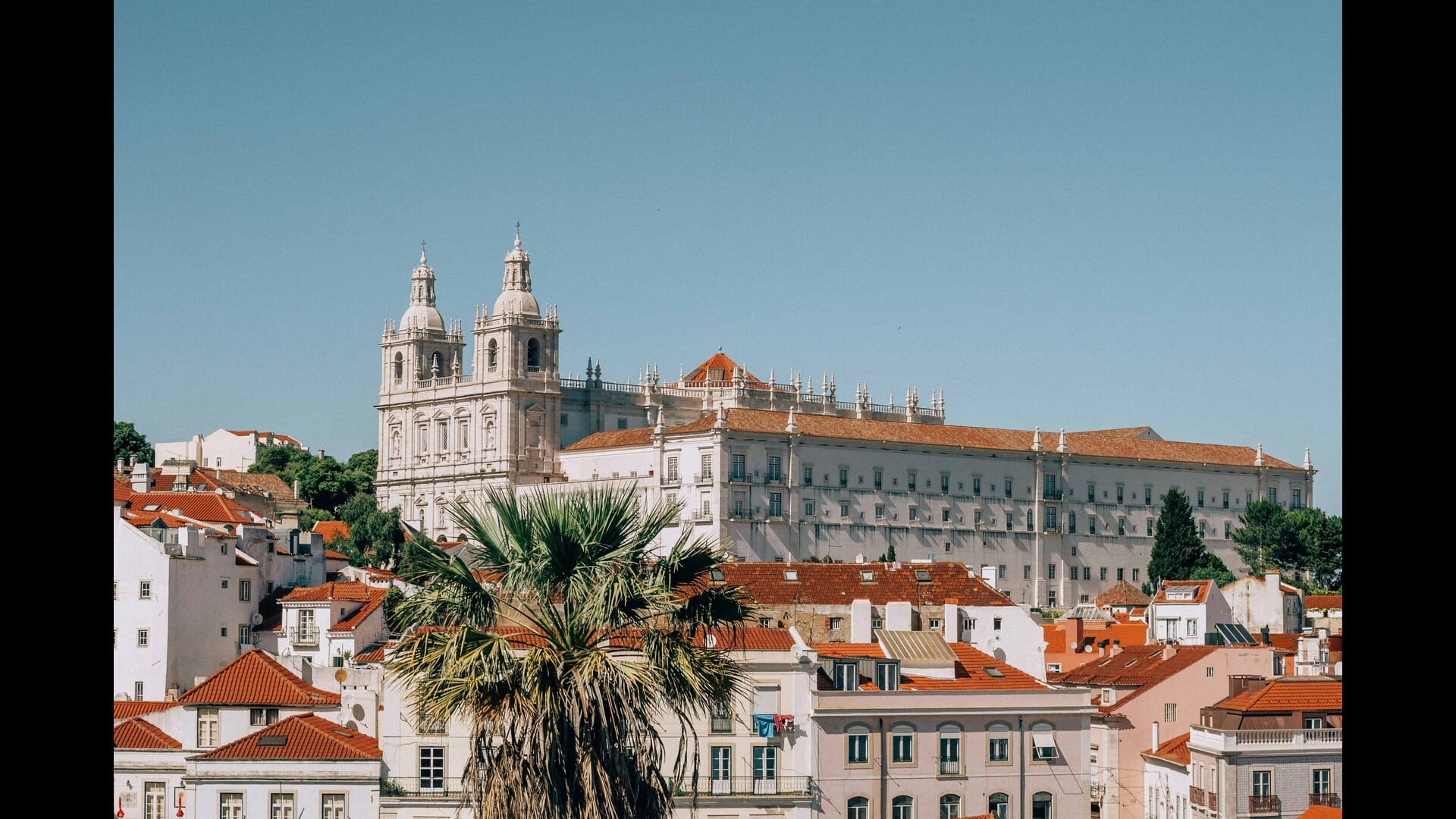
The Cultural Richness of Coimbra: A Journey Through History and Heritage
The Cultural Richness of Coimbra: A Journey Through History and Heritage
Coimbra, a city nestled in the heart of Portugal, is a treasure trove of cultural richness that beckons travelers from around the globe. With its roots tracing back to Roman times, Coimbra has evolved into a vibrant hub of history, education, and tradition.
This article will take you on an immersive journey through the cultural landscape of Coimbra, exploring its historical landmarks, academic heritage, culinary delights, and much more.
The Historical Significance of Coimbra: A Glimpse into the Past
Coimbra's history is as rich and varied as the city itself. Once the capital of Portugal, Coimbra has been a significant center of power and culture since the Roman era. The remnants of its past can be seen in the ancient ruins, medieval architecture, and the cobbled streets that echo stories of yore.
The Roman Influence on Coimbra's Development
The Romans established a settlement in Coimbra known as Aeminium, which served as a strategic military outpost. The remnants of Roman architecture can still be seen today, particularly in the ruins of the Roman forum and the ancient aqueduct that once supplied water to the city. Exploring these sites offers a fascinating glimpse into the engineering prowess of the Romans and their impact on Coimbra's development.
Coimbra as the Capital of Portugal
From 1139 to 1255, Coimbra served as the capital of Portugal, a period during which it flourished as a political and cultural center. The city was home to several important figures, including kings and scholars, who contributed to its rich tapestry of history. The Royal Palace of Coimbra, now a UNESCO World Heritage site, stands as a testament to this illustrious past, showcasing stunning architecture and beautiful gardens.
The University of Coimbra: A Beacon of Knowledge and Tradition
One cannot discuss the cultural richness of Coimbra without mentioning its most iconic institution: the University of Coimbra. Founded in 1290, it is one of the oldest universities in Europe and has played a pivotal role in shaping the intellectual landscape of Portugal.
The Architectural Marvels of the University
The university's campus is a UNESCO World Heritage site, featuring a blend of Gothic, Baroque, and Manueline architectural styles. The Joanina Library, with its ornate wooden interior and vast collection of ancient texts, is a highlight for any visitor. The library's stunning architecture and the unique atmosphere make it a must-visit for anyone interested in history and literature.
Academic Traditions and Student Life
The University of Coimbra is not just a place of learning; it is a vibrant community steeped in tradition. The Praxe, a series of rituals and customs observed by students, adds a unique flavor to the academic experience. From the iconic black capes worn by students to the lively celebrations during the Queima das Fitas festival, the university's traditions are an integral part of Coimbra's cultural identity.
Exploring Coimbra's Historic Landmarks
Coimbra is dotted with historic landmarks that tell the story of its rich past. Each site offers a unique perspective on the city's cultural heritage and invites visitors to delve deeper into its history.
The Old Cathedral of Coimbra (Sé Velha)
The Old Cathedral, or Sé Velha, is a stunning example of Romanesque architecture and one of the oldest churches in Portugal. Its imposing façade and intricate interior, adorned with beautiful altarpieces and religious art, make it a significant landmark. Visitors can explore the cloisters and enjoy panoramic views of the city from the cathedral's tower.
The New Cathedral of Coimbra (Sé Nova)
In contrast to the Old Cathedral, the New Cathedral, or Sé Nova, showcases a blend of Baroque and Neoclassical styles. Built in the 18th century, it features impressive altars and a beautiful organ. The cathedral's serene atmosphere provides a perfect backdrop for reflection and appreciation of its artistic beauty.
The Monastery of Santa Clara-a-Velha
The Monastery of Santa Clara-a-Velha, founded in the 13th century, is a stunning example of Gothic architecture. The monastery's ruins tell the story of its decline due to the rising waters of the Mondego River. Today, it serves as a museum, allowing visitors to explore its history and admire the beautiful frescoes that adorn its walls.
The Vibrant Traditions and Festivals of Coimbra
Coimbra is a city that celebrates its traditions with fervor. Throughout the year, various festivals and events showcase the city's cultural richness and bring the community together.
Queima das Fitas: A Celebration of Student Life
Queima das Fitas, or the Burning of the Ribbons, is one of the most anticipated events in Coimbra. This week-long celebration marks the end of the academic year and is characterized by parades, concerts, and parties. Students don their traditional capes and participate in various activities, culminating in a grand fireworks display that lights up the night sky.
Festas de Santa Clara: A Religious Celebration
The Festas de Santa Clara is a religious festival that honors the patron saint of Coimbra. Taking place in August, the festival features processions, music, and traditional food. The highlight of the event is the nighttime procession, where thousands of candles illuminate the streets, creating a magical atmosphere.
Coimbra's Gastronomic Festivals
Food is an essential part of Coimbra's culture, and the city hosts several gastronomic festivals throughout the year. The Festival da Chanfana, dedicated to the traditional dish made from goat meat, showcases the region's culinary heritage. Visitors can sample local delicacies, enjoy live music, and immerse themselves in the vibrant atmosphere of these festivals.
The Culinary Delights of Coimbra: A Taste of Tradition
Coimbra's culinary scene is a reflection of its rich cultural heritage. The city offers a delightful array of traditional dishes that are sure to tantalize your taste buds.
Traditional Dishes to Try in Coimbra
- Chanfana: A hearty dish made from goat meat, slow-cooked with red wine and spices, chanfana is a must-try for meat lovers.
- Bacalhau à Brás: This traditional codfish dish is prepared with shredded potatoes, onions, and scrambled eggs, creating a deliciously comforting meal.
- Sopa da Pedra: A unique stone soup that combines various meats, beans, and vegetables, this dish is a testament to Coimbra's rustic culinary roots.
- Queijo da Serra: A creamy cheese made from sheep's milk, Queijo da Serra is a local delicacy that pairs perfectly with crusty bread and a glass of wine.
The Wine Culture of Coimbra
Coimbra is located in the Dão wine region, known for its high-quality wines. Visitors can explore local vineyards, participate in wine tastings, and learn about the winemaking process. The region's red and white wines, made from indigenous grape varieties, are a delightful accompaniment to the city's traditional dishes.
The Architectural Wonders of Coimbra: A Blend of Styles
Coimbra's architecture is a reflection of its diverse cultural influences. From Roman ruins to Gothic churches, the city's buildings tell the story of its evolution over the centuries.
The Royal Palace of Coimbra
The Royal Palace, once the residence of Portuguese kings, is a stunning example of Manueline architecture. Its intricate details and beautiful gardens make it a popular attraction for visitors. The palace's interior is adorned with exquisite tiles and ornate furnishings, offering a glimpse into the opulent lifestyle of the monarchy.
The Aqueduct of São Sebastião
The Aqueduct of São Sebastião is an impressive feat of engineering that once supplied water to the city. Stretching over 3 kilometers, the aqueduct features stunning arches and is a popular spot for photography. A walk along its path offers breathtaking views of the surrounding landscape.
The Botanical Garden of the University of Coimbra
The Botanical Garden, located within the university grounds, is a peaceful oasis that showcases a diverse collection of plants and trees. Visitors can stroll through its beautifully landscaped paths, relax by the ponds, and enjoy the tranquility of this green space.
Museums and Cultural Institutions in Coimbra
Coimbra is home to several museums and cultural institutions that celebrate its rich heritage and artistic achievements.
The National Museum Machado de Castro
The National Museum Machado de Castro is one of the most important art museums in Portugal. Housed in a former bishop's palace, the museum features an extensive collection of sculptures, paintings, and decorative arts. The highlight of the museum is the Roman cryptoporticus, a subterranean gallery that showcases ancient Roman artifacts.
The Science Museum of the University of Coimbra
The Science Museum offers a fascinating insight into the history of science and technology in Portugal. Visitors can explore interactive exhibits, historical instruments, and learn about the contributions of Portuguese scientists throughout the ages.
The Museum of Portuguese Music
The Museum of Portuguese Music is dedicated to preserving and promoting the country's rich musical heritage. The museum features a diverse collection of musical instruments, recordings, and memorabilia from various genres, including fado, folk music, and classical compositions.
The Nightlife Scene in Coimbra: A Blend of Tradition and Modernity
As the sun sets, Coimbra comes alive with a vibrant nightlife scene that caters to all tastes. From traditional taverns to modern bars, the city offers a diverse range of options for those looking to experience its lively atmosphere.
Traditional Fado Houses
Fado, the soulful music genre that originated in Portugal, is an integral part of Coimbra's cultural identity. The city is home to several traditional fado houses where visitors can enjoy live performances while savoring local cuisine. The melancholic melodies and heartfelt lyrics create an unforgettable experience that captures the essence of Portuguese culture.
Modern Bars and Nightclubs
For those seeking a more contemporary nightlife experience, Coimbra boasts a variety of modern bars and nightclubs. The bustling streets are lined with venues offering live music, DJ sets, and themed parties. Whether you prefer a laid-back atmosphere or a lively dance floor, Coimbra has something for everyone.
Practical Tips for Visiting Coimbra: A Traveler's Guide
When planning your trip to Coimbra, consider the following practical tips to make the most of your experience:
Getting to Coimbra
Coimbra is easily accessible by train, bus, or car. The city is well-connected to major cities in Portugal, making it a convenient stop on your travel itinerary.
Best Time to Visit Coimbra
The best time to visit Coimbra is during the spring and fall when the weather is mild, and the city is less crowded. However, if you want to experience the vibrant festivals, consider visiting in May for Queima das Fitas or August for Festas de Santa Clara.
Where to Stay in Coimbra
Coimbra offers a range of accommodation options, from luxury hotels to budget-friendly hostels. Consider staying in the historic center to be within walking distance of major attractions.
Navigating Coimbra
The city is best explored on foot, as many of its attractions are located within walking distance of each other. Be prepared for some steep hills and cobblestone streets, which add to the charm of Coimbra.
Conclusion: Embracing the Cultural Richness of Coimbra
Coimbra is a city that invites exploration and discovery. Its rich history, vibrant traditions, and stunning architecture create a unique cultural tapestry that captivates visitors. Whether you're wandering through the ancient streets, savoring traditional dishes, or immersing yourself in the lively atmosphere of its festivals, Coimbra offers an unforgettable experience that will leave a lasting impression. As you embrace the cultural richness of this enchanting city, you'll find that Coimbra is not just a destination; it's a journey through time and tradition.