
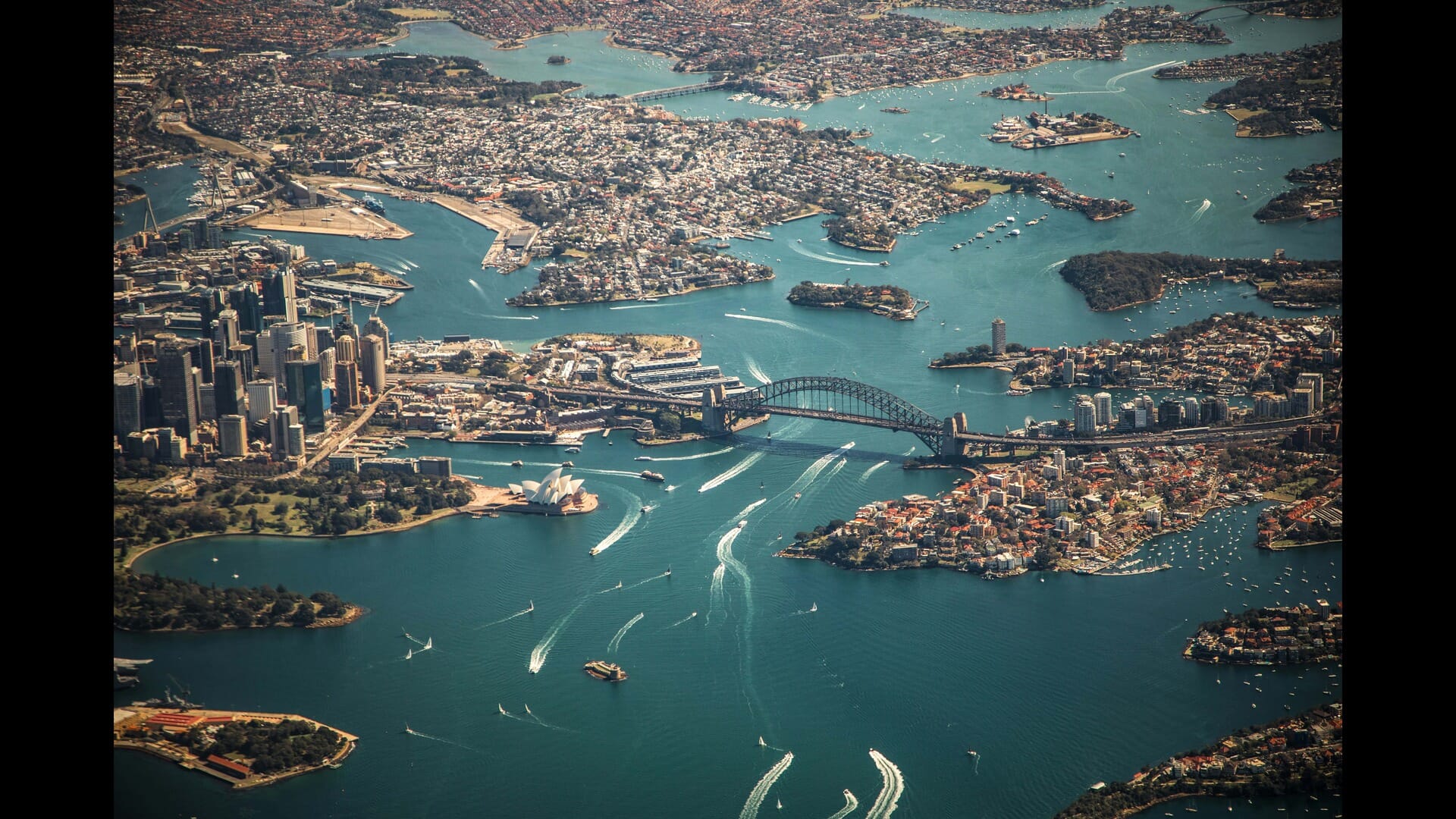
The Cultural Impact of Australian Cinema: A Deep Dive into Film and Society
The Cultural Impact of Australian Cinema: A Deep Dive into Film and Society
Australian cinema has long been a vibrant and influential part of the global film landscape. Its unique narratives, diverse storytelling, and rich cultural heritage have not only shaped the Australian identity but have also left an indelible mark on international cinema.
In this article, we will explore the cultural impact of Australian cinema, examining its history, key films, and the ways in which it has influenced societal norms and global film trends.
The Origins of Australian Cinema: A Historical Overview
The roots of Australian cinema can be traced back to the late 19th century, with the first films being produced in the 1890s. The early years of Australian cinema were characterized by short films that showcased local landscapes, events, and stories. One of the first notable films was The Story of the Kelly Gang (1906), which was a silent film that depicted the life of the infamous outlaw Ned Kelly. This film not only marked the beginning of narrative storytelling in Australian cinema but also set the stage for the development of a distinctly Australian cinematic language.
As the years progressed, the Australian film industry began to flourish, particularly during the 1970s and 1980s, a period often referred to as the Australian New Wave. This era produced iconic films such as Picnic at Hanging Rock (1975) and The Adventures of Priscilla, Queen of the Desert (1994), which challenged conventional storytelling and explored themes of identity, sexuality, and the Australian landscape.
The Role of Indigenous Cinema in Shaping Australian Identity
One of the most significant aspects of Australian cinema is its representation of Indigenous culture and stories. Indigenous filmmakers have played a crucial role in bringing authentic narratives to the forefront of Australian cinema. Films such as Samson and Delilah (2009) and The Sapphires (2012) have not only garnered critical acclaim but have also sparked important conversations about race, identity, and the historical injustices faced by Indigenous Australians.
Indigenous cinema has provided a platform for Indigenous voices, allowing them to share their stories and experiences with a broader audience. This has led to a greater understanding and appreciation of Indigenous culture within Australia and beyond, fostering a sense of pride and identity among Indigenous communities.
The Influence of Australian Cinema on Global Film Trends
Australian cinema has not only impacted local culture but has also influenced global film trends. The unique storytelling techniques, visual aesthetics, and themes explored in Australian films have resonated with audiences worldwide. For instance, the use of the Australian landscape as a character in itself has been emulated in various international films.
Moreover, the rise of Australian actors and filmmakers on the global stage has further solidified the country's influence in the film industry. Actors like Hugh Jackman, Cate Blanchett, and Nicole Kidman have become household names, bringing Australian talent to the forefront of Hollywood. This crossover has not only elevated the profile of Australian cinema but has also introduced international audiences to the richness of Australian storytelling.
The Impact of Film Festivals on Australian Cinema
Film festivals play a pivotal role in promoting Australian cinema, providing a platform for filmmakers to showcase their work and connect with audiences. Festivals such as the Sydney Film Festival and the Melbourne International Film Festival have been instrumental in highlighting Australian talent and fostering a sense of community within the industry.
These festivals not only celebrate local films but also attract international filmmakers and audiences, creating a cultural exchange that enriches the Australian film landscape. By showcasing diverse narratives and innovative storytelling, these festivals contribute to the ongoing evolution of Australian cinema and its cultural impact.
The Evolution of Australian Cinema: From Blockbusters to Independent Films
The Australian film industry has undergone significant changes over the decades, evolving from a focus on big-budget blockbusters to a thriving independent film scene. While films like Mad Max (1979) and Crocodile Dundee (1986) brought international attention to Australian cinema, the rise of independent filmmakers has allowed for a broader range of stories to be told.
Independent films such as The Babadook (2014) and Lion (2016) have garnered critical acclaim and commercial success, showcasing the diversity of Australian storytelling. This shift towards independent filmmaking has not only enriched the cinematic landscape but has also provided opportunities for underrepresented voices to be heard.
The Representation of Gender and Sexuality in Australian Cinema
Australian cinema has made significant strides in representing gender and sexuality, challenging traditional norms and stereotypes. Films like The Adventures of Priscilla, Queen of the Desert and Girl Asleep (2015) explore themes of gender identity and sexual orientation, contributing to the ongoing dialogue surrounding LGBTQ+ rights in Australia.
Moreover, the portrayal of strong female characters in Australian cinema has become increasingly prevalent, with films like The Nightingale (2018) and Little Monsters (2019) showcasing complex female narratives. This shift towards more inclusive storytelling has resonated with audiences, reflecting the changing societal attitudes towards gender and sexuality.
The Global Appeal of Australian Comedies and Dramas
Australian cinema is renowned for its unique blend of humor and drama, often reflecting the quirks of Australian culture. Comedies like Muriel's Wedding (1994) and The Castle (1997) have become cult classics, resonating with both local and international audiences. These films capture the essence of Australian life, showcasing the humor and resilience of the Australian spirit.
On the other hand, Australian dramas such as Rabbit-Proof Fence (2002) and The Dry (2020) tackle serious social issues while maintaining a strong emotional core. The ability of Australian filmmakers to balance humor and drama has contributed to the global appeal of Australian cinema, allowing it to connect with diverse audiences.
The Future of Australian Cinema: Trends and Innovations
As we look to the future, Australian cinema is poised for continued growth and innovation. The rise of streaming platforms has opened new avenues for filmmakers, allowing for greater accessibility and distribution of Australian films. This shift has the potential to reach wider audiences, both domestically and internationally.
Moreover, the increasing focus on diversity and representation within the industry is likely to shape the future of Australian cinema. With more Indigenous and multicultural stories being told, Australian filmmakers have the opportunity to create a more inclusive cinematic landscape that reflects the rich tapestry of Australian society.
Conclusion: The Enduring Legacy of Australian Cinema
The cultural impact of Australian cinema is profound and far-reaching. From its humble beginnings to its current status as a global player in the film industry, Australian cinema has shaped cultural identity, influenced societal norms, and contributed to the global film landscape. As we continue to celebrate and support Australian filmmakers, we can look forward to a future filled with innovative storytelling and diverse narratives that reflect the richness of Australian culture.
In conclusion, the journey of Australian cinema is a testament to the power of storytelling and its ability to connect people across cultures and borders. As we delve deeper into the world of Australian film, we uncover not only the stories of a nation but also the universal themes that resonate with audiences worldwide.