
A Journey Through the Cultural Heritage of Vietnam
A Journey Through the Cultural Heritage of Vietnam
Vietnam, a country that is as diverse as it is beautiful, offers an intricate tapestry of cultural heritage that has been woven over thousands of years. From its ancient dynasties to its colonial past, the cultural fabric of Vietnam is rich with stories, traditions, and experiences waiting to be explored.
In this guide, we will take you on a journey through the cultural heritage of Vietnam, uncovering its historical sites, vibrant traditions, delicious cuisine, and unique festivals.
Understanding the Cultural Heritage of Vietnam
Vietnam's cultural heritage is a blend of indigenous traditions and influences from various civilizations, including Chinese, Indian, and French. This unique fusion has shaped the country's identity and continues to influence its art, architecture, and daily life. The cultural heritage of Vietnam can be categorized into several key areas, including language, religion, festivals, and cuisine.
The Influence of Geography on Vietnamese Culture
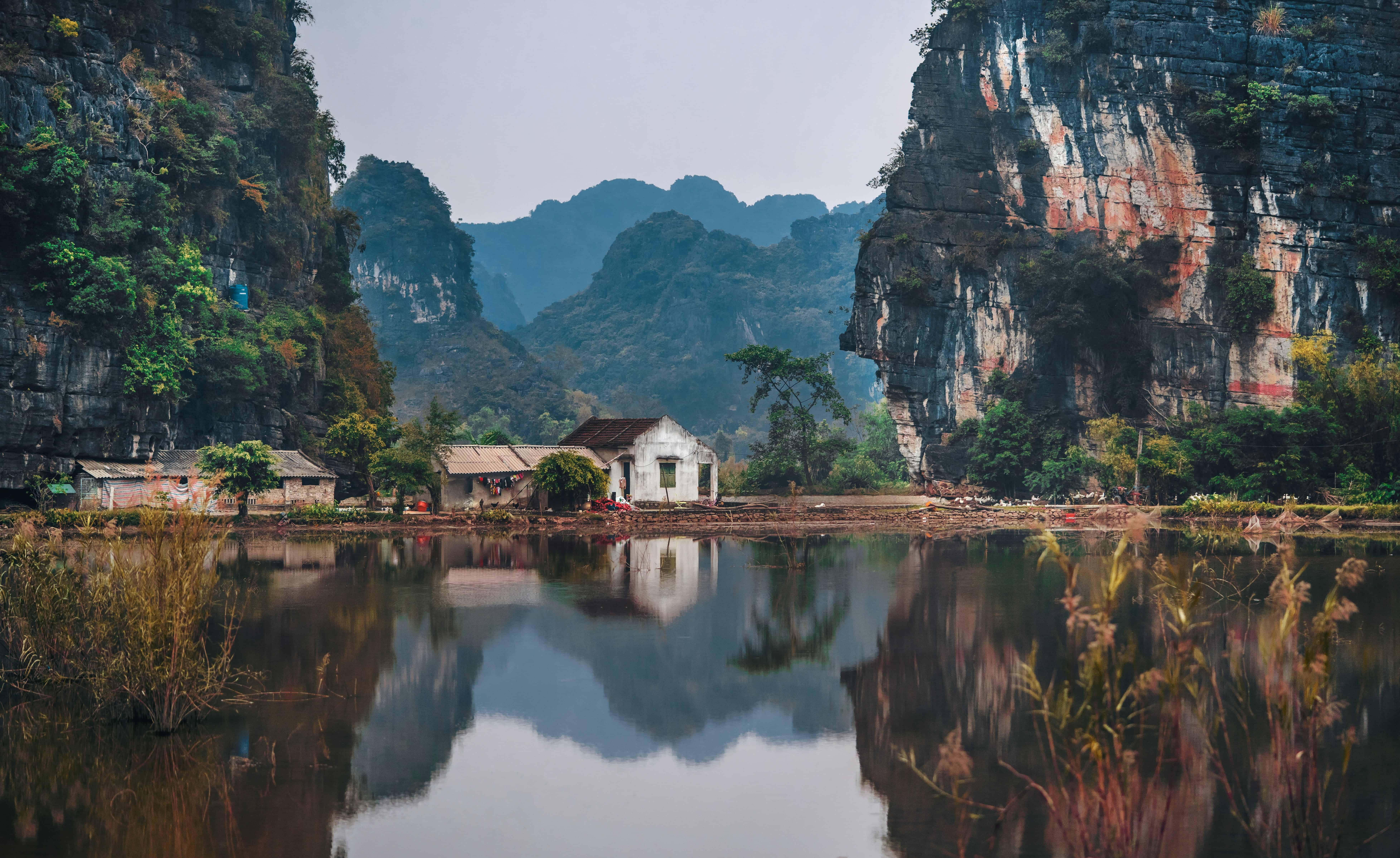
Vietnam's geographical diversity, ranging from lush rice paddies to towering mountains and bustling cities, plays a significant role in shaping its cultural identity. The northern region, characterized by its mountainous landscapes and cooler climate, is home to various ethnic minorities, each with its own distinct customs and traditions. In contrast, the southern region, with its tropical climate and fertile lands, is known for its vibrant markets and rich agricultural practices. This geographical diversity not only influences the way people live but also the cultural practices they uphold.
Exploring Historical Sites in Vietnam
Vietnam is dotted with historical sites that tell the story of its past. From ancient temples to colonial architecture, these sites provide a glimpse into the country's rich history.
1. The Ancient City of Hoi An
Hoi An, a UNESCO World Heritage site, is a well-preserved ancient town that showcases the blend of Vietnamese, Chinese, and Japanese influences. Walking through its narrow streets, you will encounter beautifully preserved buildings, traditional wooden houses, and vibrant lanterns that light up the night sky. The town's rich history as a trading port is evident in its architecture and the diverse cultural practices that continue to thrive today.
2. The Imperial City of Hue
Once the capital of Vietnam, Hue is home to the Imperial City, a vast complex that served as the royal residence for the Nguyen Dynasty. The city's historical significance is reflected in its architecture, which combines traditional Vietnamese design with Chinese influences. Visitors can explore the Forbidden Purple City, royal tombs, and ancient pagodas that offer insight into the opulence of Vietnam's imperial past.
3. My Son Sanctuary
Nestled in the lush hills of Quang Nam Province, My Son Sanctuary is a collection of Hindu temples built by the Champa civilization between the 4th and 14th centuries. This UNESCO World Heritage site is a testament to the cultural exchange between Vietnam and India. The intricate carvings and architectural styles found here are a remarkable representation of the Champa's artistic prowess.
Discovering Vietnamese Traditions and Customs
Vietnamese culture is rich in traditions and customs that have been passed down through generations. Understanding these practices is essential to appreciating the country's heritage.
4. Traditional Vietnamese Festivals
Festivals play a significant role in Vietnamese culture, providing a time for communities to come together and celebrate their heritage. Some of the most notable festivals include:
- Tet Nguyen Dan (Lunar New Year): This is the most important celebration in Vietnam, marking the arrival of spring. Families gather to honor their ancestors, prepare traditional foods, and participate in various cultural activities.
- Mid-Autumn Festival: Celebrated on the 15th day of the eighth lunar month, this festival is dedicated to children and the harvest. Lantern processions, mooncake making, and lion dances are common during this time.
5. The Art of Vietnamese Calligraphy
Calligraphy is a revered art form in Vietnam, reflecting the beauty of the Vietnamese language. Traditionally, calligraphy is practiced during Tet and other festivals, where artists create intricate pieces that convey auspicious messages. Learning about this art form offers insight into the importance of language and expression in Vietnamese culture.
Savoring the Flavors of Vietnamese Cuisine
Vietnamese cuisine is a reflection of the country's cultural heritage, characterized by its fresh ingredients, bold flavors, and regional diversity. Each region boasts its own specialties, making the culinary journey through Vietnam a delightful experience.
6. Northern Vietnamese Cuisine
In the north, dishes are often characterized by their subtle flavors and use of fresh herbs. Popular dishes include:
- Pho: A fragrant noodle soup made with beef or chicken, herbs, and spices.
- Bun Cha: Grilled pork served with rice noodles and fresh vegetables.
7. Central Vietnamese Cuisine
Central Vietnam is known for its spicy and flavorful dishes, influenced by the region's royal heritage. Signature dishes include:
- Banh Xeo: Crispy rice pancakes filled with shrimp, pork, and bean sprouts.
- Mi Quang: Turmeric noodles served with a variety of toppings and a rich broth.
8. Southern Vietnamese Cuisine
Southern cuisine is characterized by its sweetness and abundance of fresh produce. Must-try dishes include:
- Com tam: Broken rice served with grilled pork and pickled vegetables.
- Hu Tieu: A noodle soup with a variety of meats and seafood.
Engaging with Local Communities and Traditions
One of the best ways to experience the cultural heritage of Vietnam is by engaging with local communities. This allows travelers to gain a deeper understanding of the customs and traditions that shape daily life.
9. Homestays and Cultural Experiences
Staying with a local family in a homestay provides a unique opportunity to immerse yourself in Vietnamese culture. You can participate in daily activities, learn traditional cooking methods, and engage in conversations that reveal the values and beliefs of the community.
10. Traditional Crafts and Artisans
Vietnam is home to a variety of traditional crafts, including silk weaving, pottery, and lacquerware. Visiting local workshops allows travelers to witness artisans at work and appreciate the skills that have been passed down through generations. Participating in craft workshops can also provide a hands-on experience of Vietnam's artistic heritage.
Conclusion: Embracing the Cultural Heritage of Vietnam
A journey through the cultural heritage of Vietnam is not just about visiting historical sites or tasting delicious food; it is about connecting with the people, understanding their stories, and appreciating the rich tapestry of traditions that define this beautiful country. Whether you are exploring the ancient streets of Hoi An, savoring a bowl of pho, or participating in a local festival, each experience adds depth to your understanding of Vietnam's cultural heritage. As you embark on this journey, you will find that Vietnam is not just a destination; it is a vibrant living culture that invites you to explore, learn, and embrace its beauty.