
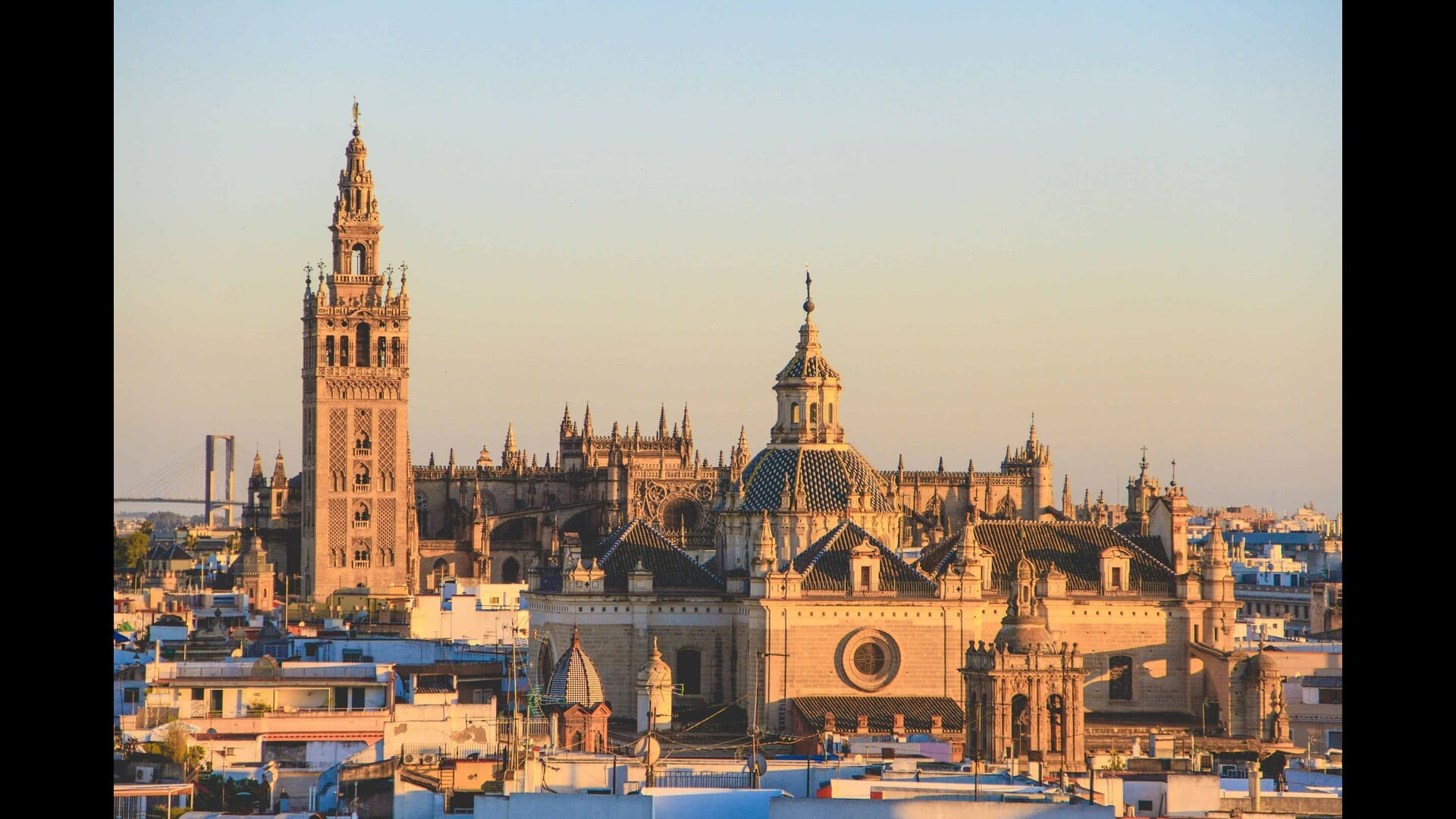
A Culinary Journey Through Spanish Desserts
A Culinary Journey Through Spanish Desserts
Spain, a country known for its vibrant culture, rich history, and stunning landscapes, also boasts a remarkable array of desserts that reflect its diverse regions and traditions. From the sun-kissed shores of Andalusia to the mountainous terrains of Catalonia, each region offers its unique take on sweetness, making Spain a paradise for dessert lovers.
Join us as we embark on a culinary journey through Spanish desserts, exploring their origins, flavors, and the stories behind them.
The Rich History of Spanish Desserts
Spanish desserts are a tapestry woven from centuries of cultural influences, including the Romans, Moors, and various regional traditions. The introduction of sugar in the 8th century by the Moors transformed the Spanish culinary landscape, paving the way for the creation of a myriad of sweet treats. As we delve into the history of these desserts, we uncover not only the evolution of flavors but also the cultural significance they hold in Spanish society.
The Influence of the Moors on Spanish Sweets
The Moors brought with them a wealth of culinary knowledge, including the use of almonds, honey, and spices. Desserts such as turrón, a nougat made from almonds and honey, can be traced back to this period. The blending of Moorish and Spanish traditions gave rise to unique desserts that continue to be cherished today.
Regional Variations in Spanish Desserts
Spain's diverse geography and climate have led to distinct regional variations in desserts. For instance, the coastal regions favor lighter, fruit-based desserts, while the interior regions often showcase rich, hearty sweets. Understanding these regional differences is essential to appreciating the full spectrum of Spanish desserts.
Classic Spanish Desserts You Must Try
As we explore the world of Spanish desserts, certain classics stand out as must-tries for anyone visiting the country. These desserts not only tantalize the taste buds but also offer a glimpse into Spain's culinary heritage.
1. Flan: The Creamy Caramel Custard
Flan, a creamy caramel custard, is a beloved dessert throughout Spain and Latin America. Its silky texture and rich flavor make it a favorite among locals and tourists alike. The base of flan is made from eggs, milk, and sugar, which are cooked slowly to create a smooth custard. The caramel sauce adds a delightful sweetness that perfectly complements the custard's richness.
Recipe for Traditional Spanish Flan
To make a traditional Spanish flan, you will need:
- 1 cup of sugar (for caramel)
- 4 large eggs
- 1 can (14 oz) of sweetened condensed milk
- 1 can (12 oz) of evaporated milk
- 1 tablespoon of vanilla extract
Instructions:
- Preheat your oven to 350°F (175°C).
- In a saucepan, melt the sugar over medium heat until it turns golden brown. Quickly pour the caramel into a round baking dish, tilting it to coat the bottom evenly.
- In a mixing bowl, whisk together the eggs, sweetened condensed milk, evaporated milk, and vanilla extract until smooth.
- Pour the custard mixture over the caramel in the baking dish.
- Place the baking dish in a larger pan filled with water (a water bath) and bake for about 50-60 minutes, or until set.
- Allow to cool before inverting onto a plate. Serve chilled.
2. Churros: The Irresistible Fried Pastry
Churros are perhaps one of the most iconic Spanish desserts, loved for their crispy exterior and soft, doughy interior. Traditionally served with a cup of thick hot chocolate for dipping, churros are a popular treat for breakfast or as a snack.
The Origin of Churros
Churros are believed to have originated from the Spanish shepherds who would fry dough over an open fire. Today, they are enjoyed in various forms, from classic straight churros to filled versions with chocolate or cream.
How to Make Homemade Churros
To make churros at home, you will need:
- 1 cup of water
- 2 tablespoons of sugar
- 1/2 teaspoon of salt
- 1 cup of all-purpose flour
- 2 tablespoons of vegetable oil
- Oil for frying
- Cinnamon sugar (for coating)
Instructions:
- In a saucepan, combine water, sugar, and salt. Bring to a boil.
- Remove from heat and stir in flour and vegetable oil until a dough forms.
- Heat oil in a deep pan for frying.
- Pipe the dough into hot oil using a star-shaped nozzle and fry until golden brown.
- Drain on paper towels and roll in cinnamon sugar before serving.
3. Tarta de Santiago: The Almond Cake from Galicia
Tarta de Santiago is a traditional almond cake that hails from the region of Galicia. This cake is not only delicious but also holds cultural significance, often associated with the pilgrimage to Santiago de Compostela.
The Symbolism of Tarta de Santiago
The cake is typically adorned with the cross of Saint James, symbolizing the pilgrimage. Made primarily from ground almonds, sugar, and eggs, this cake is naturally gluten-free and has a delightful nutty flavor.
Recipe for Tarta de Santiago
To prepare Tarta de Santiago, you will need:
- 2 cups of ground almonds
- 1 cup of sugar
- 4 large eggs
- Zest of 1 lemon
- Powdered sugar (for dusting)
Instructions:
- Preheat your oven to 350°F (175°C).
- In a mixing bowl, combine ground almonds, sugar, eggs, and lemon zest until well mixed.
- Pour the mixture into a greased cake pan and bake for about 30-35 minutes.
- Allow to cool before dusting with powdered sugar and adding the Saint James cross stencil.
4. Natillas: The Creamy Custard Dessert
Natillas is a traditional Spanish custard dessert that is often flavored with cinnamon and lemon. This comforting dessert is a staple in many Spanish households and is often enjoyed during festive occasions.
The Comfort of Natillas
The creamy texture and warm spices make natillas a perfect dessert for any time of year. It is typically served chilled, topped with a sprinkle of cinnamon or a dollop of whipped cream.
How to Make Natillas
To create natillas, you will need:
- 2 cups of milk
- 1/2 cup of sugar
- 2 large egg yolks
- 1 tablespoon of cornstarch
- 1 cinnamon stick
- Zest of 1 lemon
Instructions:
- In a saucepan, combine milk, sugar, cinnamon stick, and lemon zest. Heat until warm.
- In a bowl, whisk together egg yolks and cornstarch.
- Slowly pour the warm milk mixture into the egg mixture, whisking constantly.
- Return the mixture to the saucepan and cook over low heat until thickened.
- Pour into serving dishes and refrigerate until set. Serve chilled.
5. Leche Frita: The Fried Milk Dessert
Leche frita, or fried milk, is a unique Spanish dessert that showcases the creativity of Spanish cuisine. This dessert features a creamy milk pudding that is coated in flour and fried until golden brown.
The History of Leche Frita
Leche frita is said to have originated in the northern regions of Spain, where it was traditionally made as a way to use leftover milk. Today, it is a popular dessert enjoyed across the country.
Recipe for Leche Frita
To make leche frita, you will need:
- 2 cups of milk
- 1/2 cup of sugar
- 1/4 cup of cornstarch
- 1 teaspoon of vanilla extract
- Flour and breadcrumbs (for coating)
- Oil for frying
Instructions:
- In a saucepan, heat milk and sugar until warm.
- In a bowl, mix cornstarch with a little cold milk to create a slurry.
- Slowly add the slurry to the warm milk, stirring constantly until thickened.
- Pour the mixture into a greased dish and let it cool.
- Once set, cut into squares, coat in flour and breadcrumbs, and fry until golden brown.
6. Polvorones: The Crumbly Almond Cookies
Polvorones are traditional Spanish cookies that are especially popular during the Christmas season. Made with ground almonds and dusted with powdered sugar, these crumbly treats are a delightful addition to any holiday table.
The Tradition of Polvorones
Polvorones have a long history in Spain, with origins that date back to the 16th century. They are often associated with family gatherings and celebrations, making them a cherished part of Spanish culture.
How to Make Polvorones
To prepare polvorones, you will need:
- 2 cups of ground almonds
- 1 cup of flour
- 1/2 cup of sugar
- 1/2 cup of lard or butter
- Powdered sugar (for dusting)
Instructions:
- Preheat your oven to 350°F (175°C).
- In a mixing bowl, combine ground almonds, flour, sugar, and lard or butter until crumbly.
- Shape the mixture into small balls and flatten slightly.
- Bake for about 15-20 minutes until lightly golden.
- Allow to cool and dust with powdered sugar before serving.
7. Arroz con Leche: The Creamy Rice Pudding
Arroz con leche is a comforting Spanish rice pudding that is flavored with cinnamon and lemon. This dessert is a staple in many Spanish households and is often enjoyed warm or chilled.
The Comfort of Arroz con Leche
Arroz con leche is a beloved dessert that evokes feelings of nostalgia for many Spaniards. It is often made with simple ingredients, making it a perfect dessert for any occasion.
Recipe for Arroz con Leche
To make arroz con leche, you will need:
- 1 cup of rice
- 4 cups of milk
- 1/2 cup of sugar
- 1 cinnamon stick
- Zest of 1 lemon
Instructions:
- Rinse the rice under cold water.
- In a saucepan, combine rice, milk, sugar, cinnamon stick, and lemon zest. Cook over low heat, stirring frequently, until the rice is tender and the mixture thickens.
- Remove the cinnamon stick and let cool before serving. Optionally, sprinkle with cinnamon before serving.
8. Piononos: The Sweet Rolls from Granada
Piononos are a traditional dessert from Granada, consisting of a rolled sponge cake soaked in syrup and filled with cream. These delightful treats are a must-try for anyone visiting the region.
The Unique Flavor of Piononos
Piononos are known for their unique flavor, which comes from the combination of the syrup and the creamy filling. They are often enjoyed as a sweet snack or dessert after a meal.
How to Make Piononos
To prepare piononos, you will need:
- 4 large eggs
- 1 cup of sugar
- 1 cup of flour
- 1 cup of milk
- 1/2 cup of cream
- Syrup (made from sugar and water)
Instructions:
- Preheat your oven to 350°F (175°C).
- In a mixing bowl, whisk eggs and sugar until fluffy. Gradually add flour and mix until smooth.
- Spread the batter onto a baking sheet and bake for about 10-12 minutes.
- Once cooled, cut into strips and roll with cream filling. Soak in syrup before serving.
9. Tres Leches Cake: The Three-Milk Delight
Tres leches cake is a moist sponge cake soaked in three types of milk: evaporated milk, condensed milk, and heavy cream. This dessert is popular in many Spanish-speaking countries and is loved for its rich flavor and texture.
The Origin of Tres Leches Cake
While tres leches cake is often associated with Latin American cuisine, it has also found a place in Spanish dessert culture. Its creamy texture and sweetness make it a favorite for celebrations.
Recipe for Tres Leches Cake
To make tres leches cake, you will need:
- 1 cup of flour
- 1 cup of sugar
- 1/2 cup of butter
- 5 large eggs
- 1 cup of evaporated milk
- 1 cup of condensed milk
- 1 cup of heavy cream
Instructions:
- Preheat your oven to 350°F (175°C).
- In a mixing bowl, cream butter and sugar until fluffy. Add eggs one at a time, then mix in flour.
- Bake in a greased cake pan for about 25-30 minutes.
- Once cooled, poke holes in the cake and pour the three types of milk over it. Refrigerate before serving.
10. Bizcochos: The Traditional Spanish Cookies
Bizcochos are traditional Spanish cookies that come in various shapes and flavors. They are often enjoyed with coffee or tea and are a staple in many Spanish households.
The Versatility of Bizcochos
Bizcochos can be made with a variety of ingredients, including nuts, chocolate, and spices. Their versatility makes them a popular choice for any occasion.
How to Make Bizcochos
To prepare bizcochos, you will need:
- 2 cups of flour
- 1 cup of sugar
- 1/2 cup of butter
- 2 large eggs
- 1 teaspoon of baking powder
Instructions:
- Preheat your oven to 350°F (175°C).
- In a mixing bowl, cream butter and sugar until fluffy. Add eggs and mix well.
- Gradually add flour and baking powder until a dough forms.
- Shape into cookies and bake for about 15-20 minutes until golden.
The Cultural Significance of Spanish Desserts
Spanish desserts are more than just sweet treats; they are an integral part of the country’s culture and traditions. Many desserts are associated with specific holidays and celebrations, reflecting the values and customs of Spanish society.
Desserts in Spanish Festivals and Celebrations
During festivals such as Christmas, Easter, and local fiestas, specific desserts take center stage. For example, turrón is a popular treat during Christmas, while rosquillas are enjoyed during Easter celebrations. Understanding the cultural significance of these desserts adds depth to the culinary experience.
The Role of Desserts in Spanish Family Gatherings
Desserts often play a central role in family gatherings and celebrations. They are a way to bring people together, fostering a sense of community and tradition. Sharing a meal that includes traditional desserts is a cherished practice in Spanish culture.
Conclusion: Savoring the Sweetness of Spain
A culinary journey through Spanish desserts reveals a world of flavors, traditions, and stories that are deeply rooted in the country’s history. From the creamy richness of flan to the crispy delight of churros, each dessert offers a unique taste of Spain’s diverse culinary landscape. Whether you are exploring the streets of Madrid or the coastal towns of Andalusia, be sure to indulge in these sweet treats that reflect the heart and soul of Spanish culture. As you savor each bite, you’ll not only experience the flavors of Spain but also the warmth of its traditions and the joy of its people.