
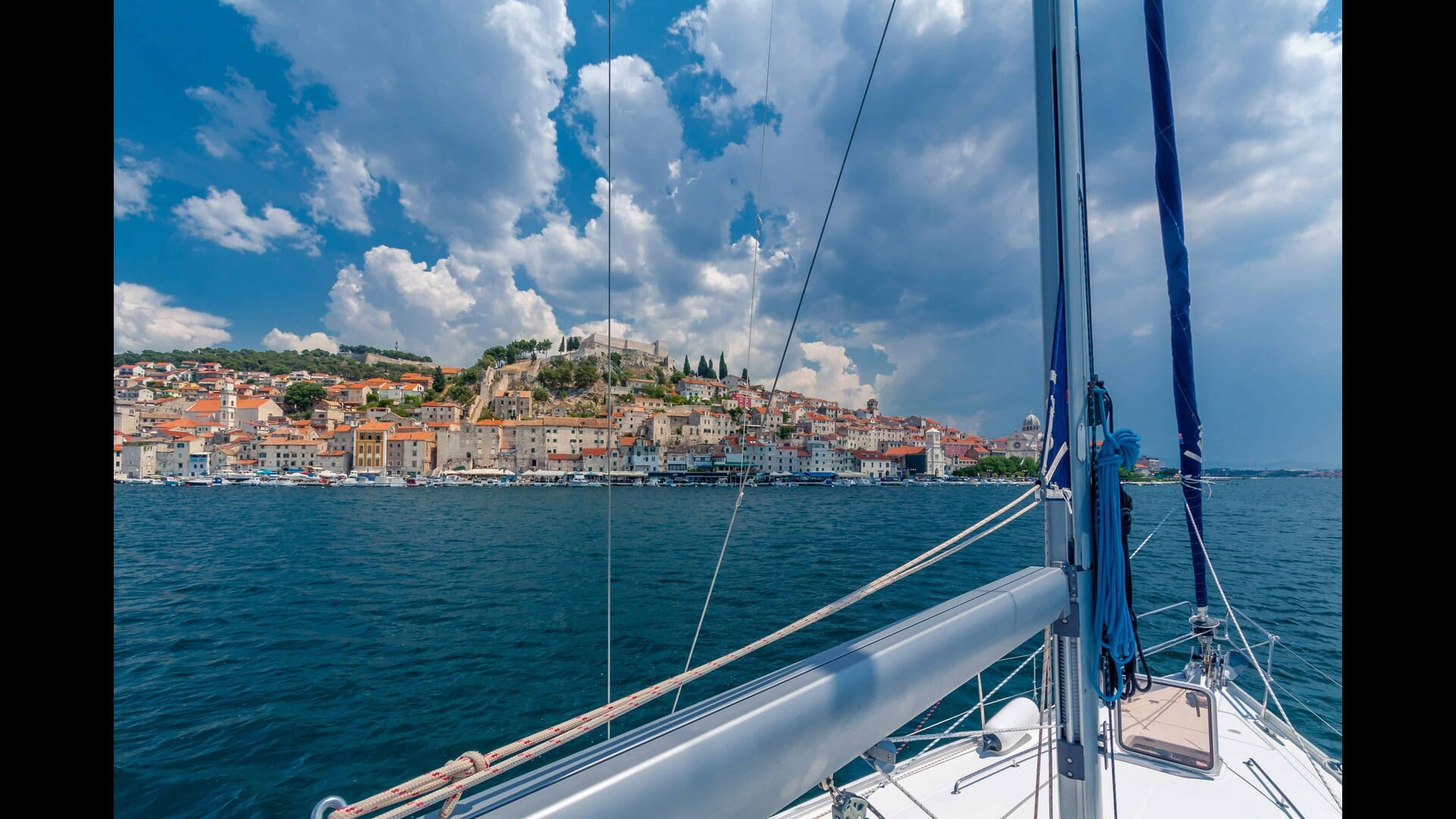
Croatian Language and Cultural Etiquette: A Traveler’s Guide
Croatian Language and Cultural Etiquette: A Traveler’s Guide
Traveling to a new country is always an exciting adventure, but it can also be a bit daunting, especially when it comes to understanding the local language and cultural norms. Croatia, with its stunning landscapes, rich history, and vibrant culture, is a destination that attracts millions of tourists each year.
However, to truly immerse yourself in the Croatian experience, it’s essential to grasp the nuances of the Croatian language and cultural etiquette. This comprehensive guide will equip you with the knowledge you need to navigate your travels in Croatia with confidence and respect.
Understanding the Croatian Language: A Brief Overview
Croatian is a South Slavic language spoken by approximately 5 million people, primarily in Croatia. It is the official language of the country and is written in the Latin script. Croatian is closely related to Serbian and Bosnian, with which it shares a common linguistic heritage. While many Croatians, especially in tourist areas, speak English, learning a few basic phrases in Croatian can greatly enhance your travel experience.
The Importance of Language in Croatian Culture
Language is more than just a means of communication; it is a reflection of culture, identity, and history. In Croatia, speaking the local language is seen as a sign of respect and appreciation for the culture. Even a simple greeting in Croatian can go a long way in establishing a rapport with locals and enhancing your travel experience.
Basic Croatian Phrases for Travelers
Here are some essential Croatian phrases that every traveler should know:
- Hello - Bok (informal) / Dobar dan (formal)
- Thank you - Hvala
- Please - Molim
- Yes - Da
- No - Ne
- Excuse me - Oprostite
- Do you speak English? - Govorite li engleski?
- How much does this cost? - Koliko to košta?
- Where is...? - Gdje je...?
Pronunciation Tips for Croatian Language
Croatian pronunciation can be challenging for non-native speakers. Here are some tips to help you:
- Vowels: Croatian has five vowels (a, e, i, o, u) that are pronounced consistently. For example, 'a' is always pronounced as in 'father'.
- Consonants: Pay attention to consonants like 'č' (pronounced like 'ch' in 'chocolate') and 'ž' (similar to 'zh' in 'measure').
- Stress: Stress in Croatian words can vary, so it’s important to listen to native speakers to understand the correct emphasis.
Cultural Etiquette in Croatia: What You Need to Know
Understanding cultural etiquette is crucial for a respectful and enjoyable travel experience. Here are some key aspects of Croatian culture that every traveler should be aware of:
Greetings and Introductions in Croatian Culture
When meeting someone in Croatia, a firm handshake is the standard greeting. It’s customary to greet everyone in the group, starting with the oldest person. In more informal settings, you may use the informal greeting 'Bok' among friends.
The Importance of Politeness and Formality
Croatians value politeness and formality, especially in initial encounters. Using titles such as 'gospodin' (Mr.) or 'gospođa' (Mrs.) followed by the person's last name is a sign of respect. As you become more familiar with someone, you can switch to using their first name.
Dining Etiquette in Croatia: What to Expect
Dining is an important aspect of Croatian culture, and there are several etiquette rules to keep in mind:
- Invitations: If you are invited to someone’s home, it’s customary to bring a small gift, such as flowers or sweets.
- Table Manners: Wait for the host to start the meal before you begin eating. Keep your hands on the table (but not your elbows) and avoid speaking with your mouth full.
- Toasting: When toasting, make eye contact with each person and say 'Živjeli!' (Cheers!).
Dress Code in Croatia: What to Wear
Croatians tend to dress well, especially in urban areas. Here are some tips on what to wear:
- Casual Wear: In coastal areas, casual beachwear is acceptable, but it’s best to cover up when leaving the beach.
- Formal Occasions: For formal events or dining in upscale restaurants, smart casual or formal attire is recommended.
Understanding Croatian Customs and Traditions
Croatia is rich in customs and traditions, many of which are tied to its history and regional diversity. Here are a few notable customs:
- Festivals: Croatia hosts numerous festivals throughout the year, celebrating everything from music to food. Participating in local festivals is a great way to experience Croatian culture.
- Family Values: Family is central to Croatian life, and it’s common for extended families to gather for meals and celebrations.
- Religious Practices: Croatia is predominantly Catholic, and religious customs play a significant role in daily life. Respect for religious practices is essential, especially when visiting churches or religious sites.
Navigating Social Norms in Croatia: Tips for Travelers
Understanding social norms can help you avoid faux pas and connect better with locals. Here are some tips:
Personal Space and Physical Contact
Croatians are generally warm and friendly, but personal space is still respected. When conversing, maintain a comfortable distance, and avoid overly intimate gestures unless you know the person well.
Communication Styles: Direct vs. Indirect
Croatians tend to be direct in their communication style. While this may come off as blunt to some, it is not meant to be rude. Be prepared for straightforward conversations and don’t take offense easily.
Tipping Etiquette in Croatia
Tipping is appreciated in Croatia, but it is not obligatory. In restaurants, rounding up the bill or leaving a 10% tip is common practice. For taxi drivers, rounding up to the nearest kuna is sufficient.
Public Behavior and Manners
In public spaces, it’s important to be mindful of your behavior. Loud conversations, especially in quieter settings, can be frowned upon. Additionally, avoid discussing sensitive topics such as politics or religion unless you know the person well.
Exploring Croatian Cuisine: A Culinary Journey
Croatian cuisine is a delightful blend of Mediterranean and Central European influences, characterized by fresh ingredients and regional specialties. Here’s what to expect:
Traditional Croatian Dishes to Try
- Peka: A traditional dish made of meat and vegetables slow-cooked under a bell-like lid.
- Sarma: Cabbage rolls filled with minced meat and rice, often served with mashed potatoes.
- Pašticada: A slow-cooked beef dish marinated in red wine and served with gnocchi.
- Seafood: Given Croatia’s extensive coastline, fresh seafood is a staple. Try grilled fish, calamari, and shellfish.
Dining Out in Croatia: What to Know
When dining out, expect a leisurely experience. Meals are often enjoyed over several courses, and it’s common to linger at the table. Don’t be surprised if the service is slower than you’re used to; it’s part of the Croatian dining culture.
Wine and Spirits in Croatia
Croatia is home to several wine regions, producing a variety of excellent wines. Don’t miss the opportunity to try local wines, such as Plavac Mali and Graševina. Rakija, a fruit brandy, is also a popular drink, often served as a welcome gesture.
Festivals and Celebrations in Croatia: A Cultural Insight
Croatia is known for its vibrant festivals and celebrations that showcase its rich cultural heritage. Here are some notable events:
Dubrovnik Summer Festival
Held annually in July and August, this festival features a variety of performances, including theater, music, and dance, set against the stunning backdrop of Dubrovnik’s Old Town.
Sinjska Alka
This traditional knightly tournament takes place in the town of Sinj every August, commemorating a historical battle. It involves horseback riders competing in a skillful lance-throwing contest.
Carnival in Rijeka
Rijeka hosts one of the largest carnivals in Croatia, featuring colorful parades, costumes, and lively celebrations. It’s a fantastic opportunity to experience local traditions and revelry.
Advent in Zagreb
During the Christmas season, Zagreb transforms into a winter wonderland with festive markets, lights, and events. The Advent celebration is one of the most popular in Europe, attracting visitors from around the world.
Conclusion: Embracing Croatian Language and Culture
Traveling to Croatia offers a unique opportunity to immerse yourself in a rich tapestry of language and culture. By learning a few basic phrases and understanding cultural etiquette, you can enhance your travel experience and connect more deeply with the local people. Remember, respect and appreciation for Croatian customs will not only enrich your journey but also leave a lasting impression on those you meet along the way. So pack your bags, brush up on your Croatian, and get ready for an unforgettable adventure in this beautiful country!
Additional Resources for Travelers
For those looking to delve deeper into the Croatian language and culture, consider the following resources:
- Language Apps: Download language learning apps like Duolingo or Babbel to practice Croatian on the go.
- Cultural Guides: Read books or watch documentaries about Croatian history and culture to gain a better understanding before your trip.
- Local Tours: Join guided tours that focus on cultural experiences, such as cooking classes or traditional music performances.
By embracing the Croatian language and cultural etiquette, you’ll not only enhance your travel experience but also create meaningful connections that will last a lifetime.